
Vintage Silvered Mirror
When you want a vintage silvered mirror, you are looking for a piece that brings reflective depth and period character to a room.
Vintage Silvered Mirror
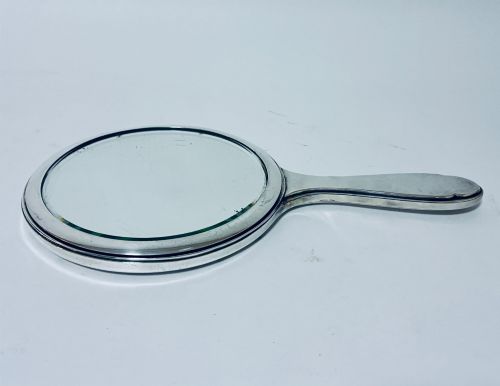
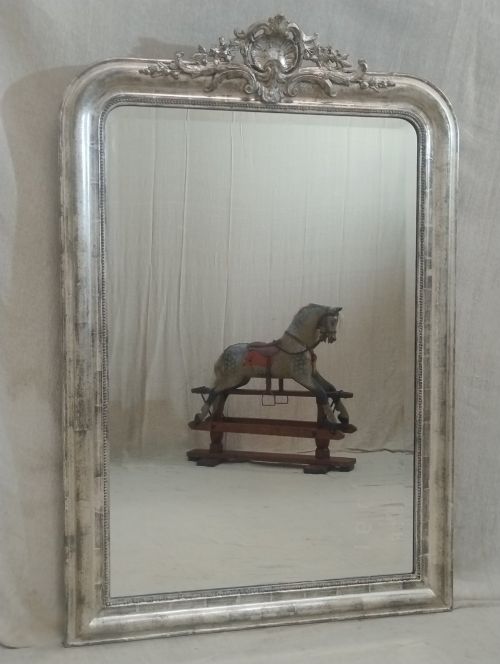
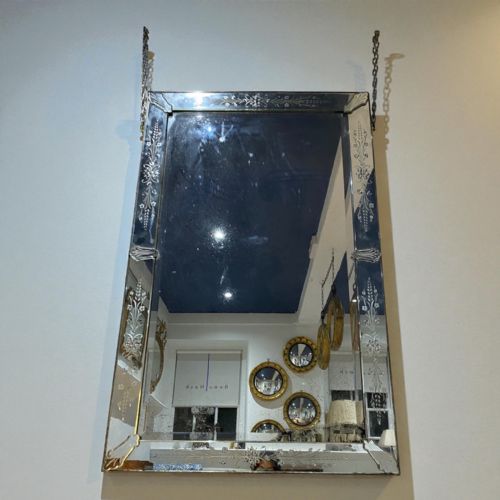
A vintage silvered mirror brings historical presence to an interior, drawing on a span of periods from Victorian and Edwardian decades through to Art Deco designs. Buyers searching for a vintage silvered mirror encounter diverse forms, ranging from grand overmantle mirrors and tall Louis Philippe wall pieces to compact dressing table accessories.
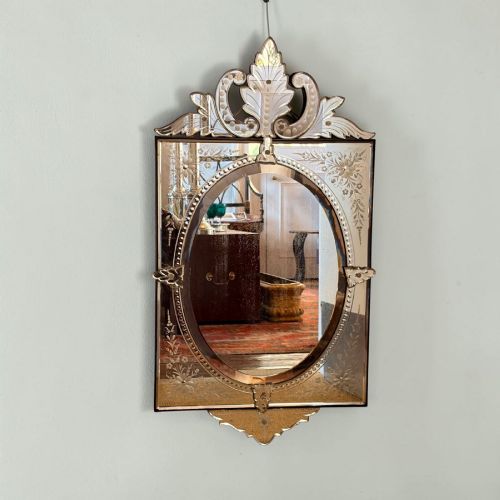
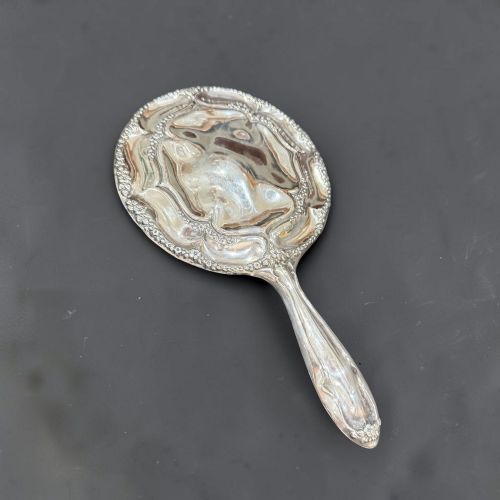
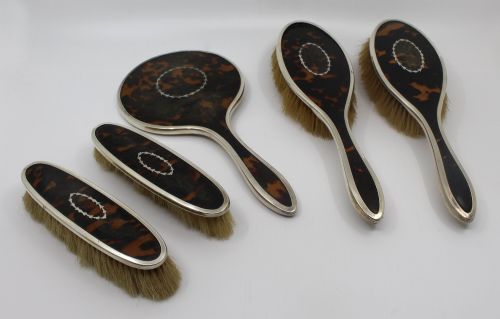
The selection on this page demonstrates origins across England, France, Italy and Germany. Venetian examples and French carved wood and gesso arched top mirrors appear frequently alongside British sterling silver strut and hand mirrors.
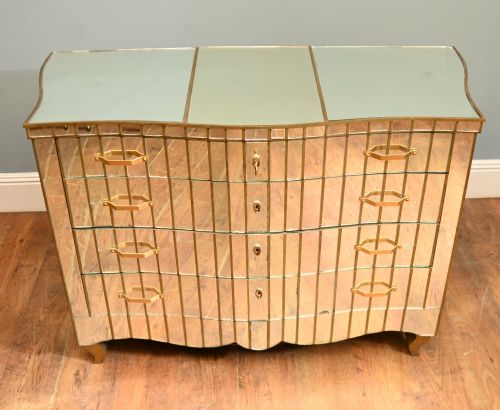
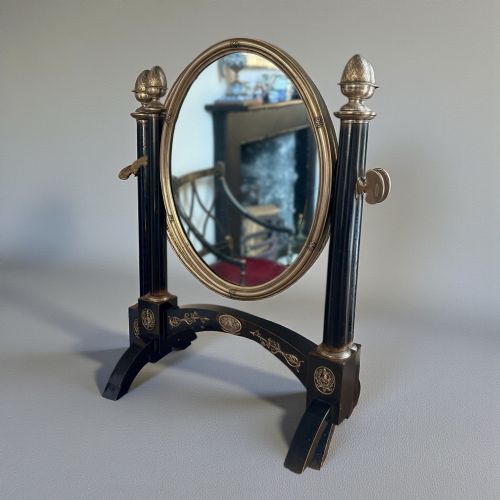
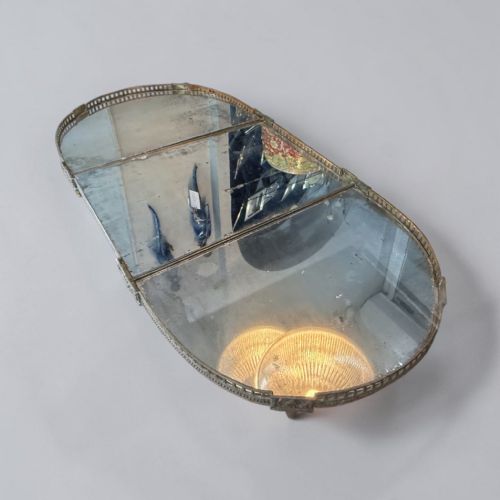
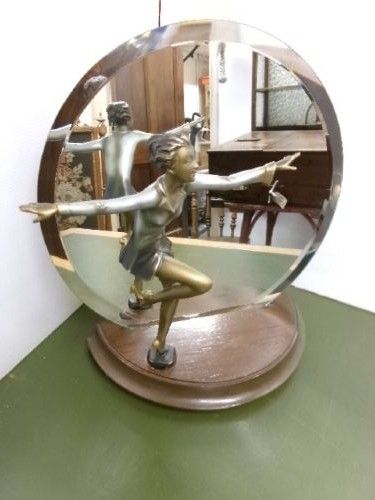
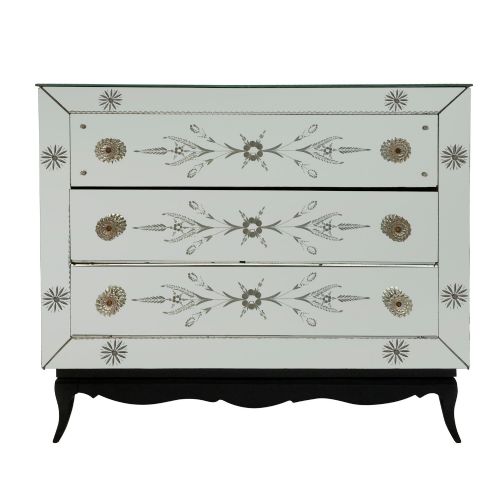
Beyond wall-hung options, the category extends to table mirrors, mirrored chests of drawers, and vanity trays. These items combine practical reflective glass with decorative metalwork, wood, and gesso frameworks.
How they were made
Makers utilised traditional woodworking techniques to build frames from oak, pine, and carved wood, applying gesso layers to prepare surfaces for gilding or silvering. Metal components incorporate sterling silver, silver plate, pewter, brass, and chrome, often shaped through hammering, embossing, or casting.
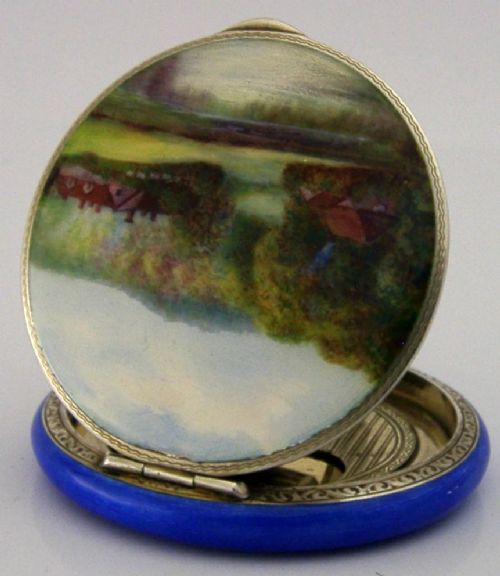
Glass panels were cut, bevelled, and silvered, sometimes featuring etched patterns or guilloché enamel detailing in compacts and miniature purse mirrors. French and Italian pieces often relied on silver gilt and parcel gilt applications over carved timber substrates.
Arts and Crafts examples show hand-hammered metalwork textures, whereas Art Deco pieces favour geometric etched glass, chrome, and streamlined wooden structures.
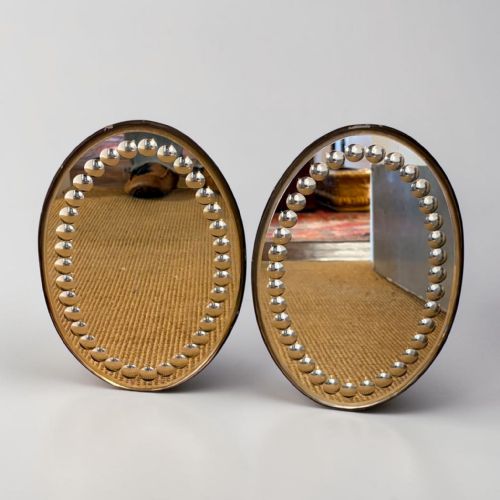
Listings feature silvered mirrors spanning the Victorian era through Art Deco and mid-century Venetian designs.
What varies in quality
The standard of a vintage silvered mirror rests on the depth of hand-carving in the wooden or gesso frame and the integrity of the original silvering on the glass. Superior examples retain their original fittings, bevelled edges, and crisp detailing in embossed silver or cast metal elements.
Pieces bearing identifiable workshop stamps, such as those by WMF, or clear Birmingham hallmarks from makers like Henry Williamson, Henry Matthews, or Charles Boyton, demonstrate traceable provenance. The sophistication of surface treatments, from delicate guilloché enamel to complex silver gilt finishes, distinguishes workshop-produced items from simpler output.
Henry Williamson·Henry Matthews·Charles Boyton·S Blanckensee And Son·WMF
The Vintage Silvered Mirror Glossary
- Silver Gilt
- Silver that has been coated with a thin layer of gold. This finish provides a warm, aged metallic tone found on many nineteenth-century French frames.
- Gesso
- A plaster-like mixture applied to wood frames to create a smooth surface for gilding or silvering. It allows for intricate relief moulding.
- Overmantle Mirror
- A large mirror designed specifically to hang above a fireplace mantel. These pieces often feature arched tops or wide proportions.
- Guilloché Enamel
- A decorative technique where precise, intricate geometric patterns are machined into metal and covered with translucent enamel. It frequently appears on nineteen-twenties compacts and purses.
- Strut Mirror
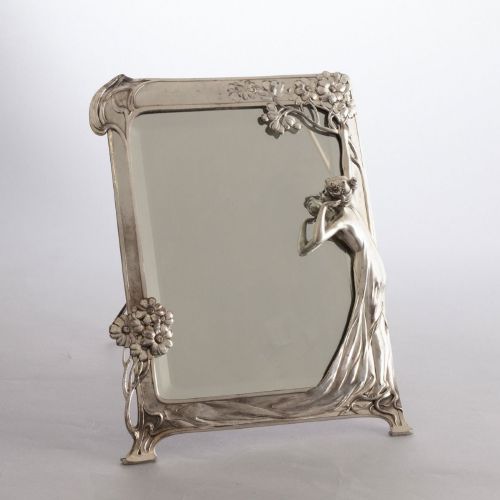
- A small table mirror supported by a hinged prop or stand at the back. These were common dressing table accessories in Edwardian silver collections.
Vintage Silvered Mirror: Frequently Asked Questions
How do I clean a vintage mirror?
Clean the glass gently using a soft cloth and a mild, ammonia-free glass cleaner sprayed onto the cloth rather than directly onto the mirror. Avoid touching exposed silvering edges or vintage frame surfaces with harsh chemicals.
Take care around original wooden or gesso frames, keeping moisture away from antique gilt and silvered finishes to prevent lifting or deterioration.
What is a Louis Philippe mirror?
A Louis Philippe mirror originates from mid-nineteenth-century France, characterised by softly rounded top corners and clean, restrained neoclassical lines. These pieces often feature silver gilt or parcel gilt wooden frames.
They offer a subtle grandeur that fits both traditional and modern interiors without overwhelming the wall space.
Are Venetian mirrors fragile?
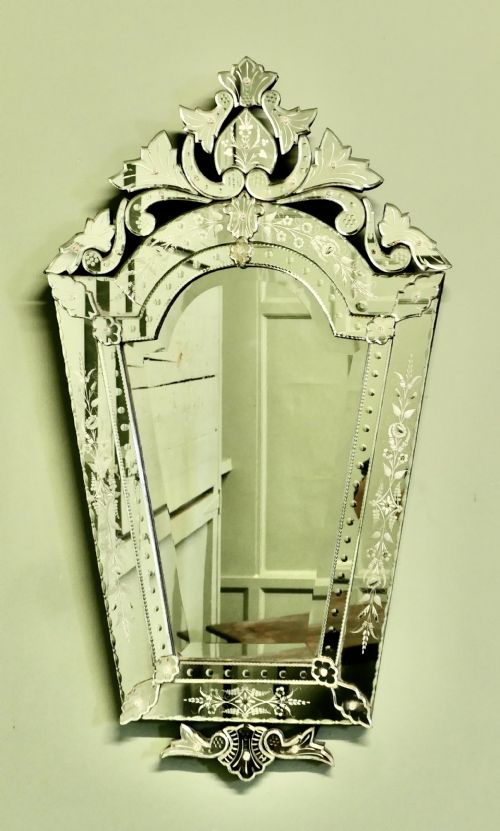
Venetian mirrors often incorporate delicate applied glass elements, etched borders, and pinned glass sections that require careful handling during transport and hanging. Their layered construction means weight distribution must be managed properly.
When hung securely using appropriate fixings, they remain stable decorative fixtures in a home.
How do I date a silver vanity mirror?
Dating relies on hallmark stamps found on the sterling silver mounts, which indicate the assay office, maker, and year of manufacture. Stylistic cues such as Edwardian embossing or Art Deco geometric shapes also help narrow down the period.
Examining the backplate, screws, and mirror glass bevels provides further confirmation of age.