

Vintage Silver Walking Cane
A vintage silver walking cane brings both functional support and sculptural detail to a gentleman's outfit.
Vintage Silver Walking Cane
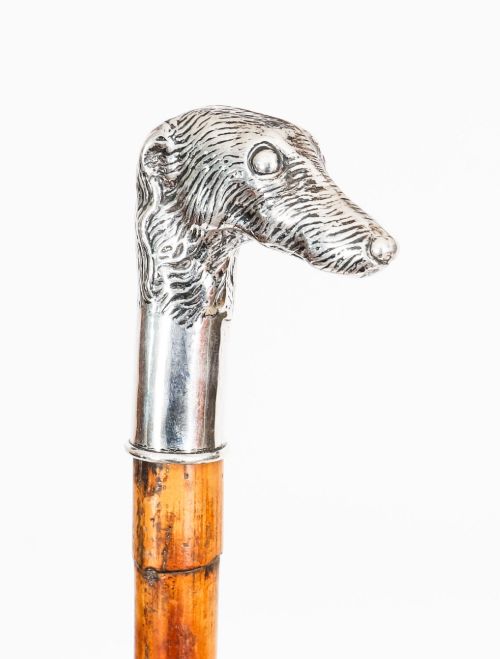
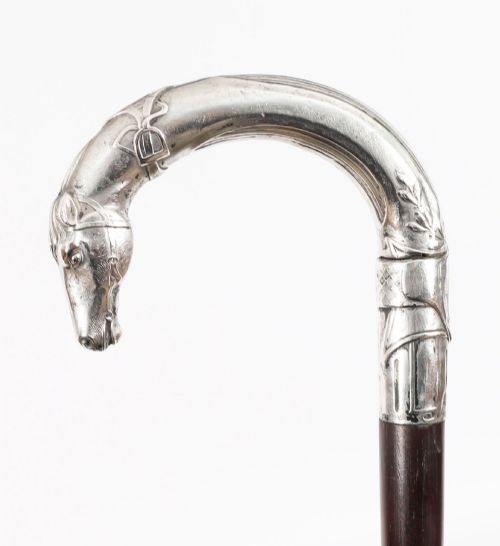
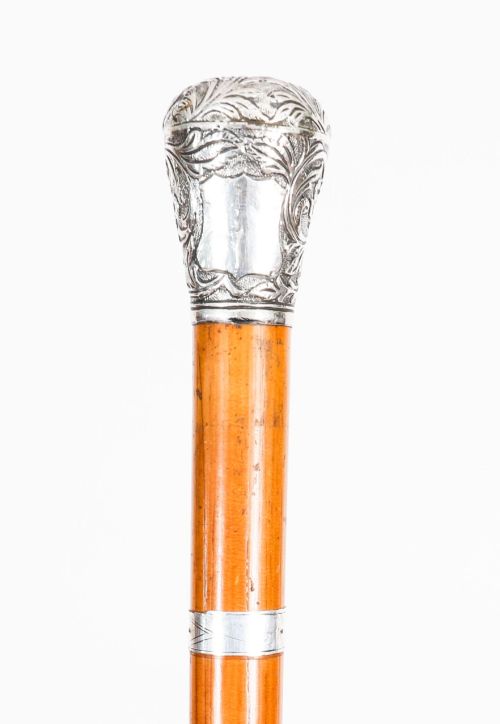
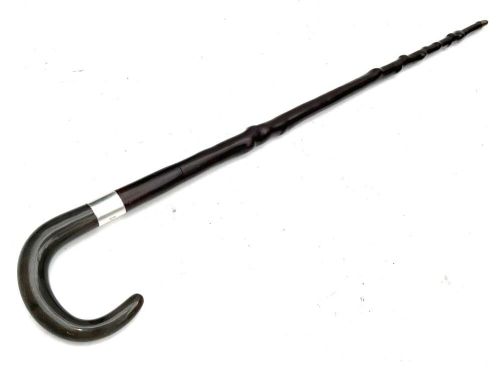
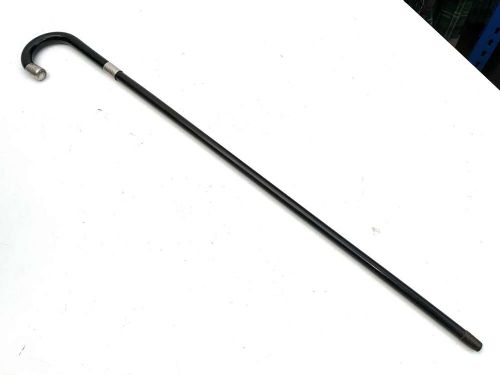
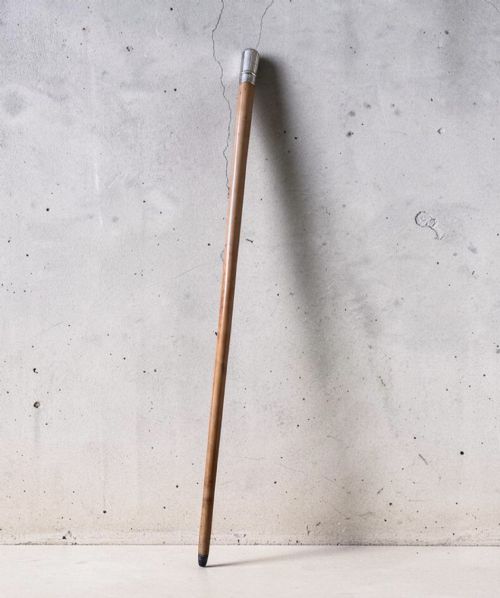
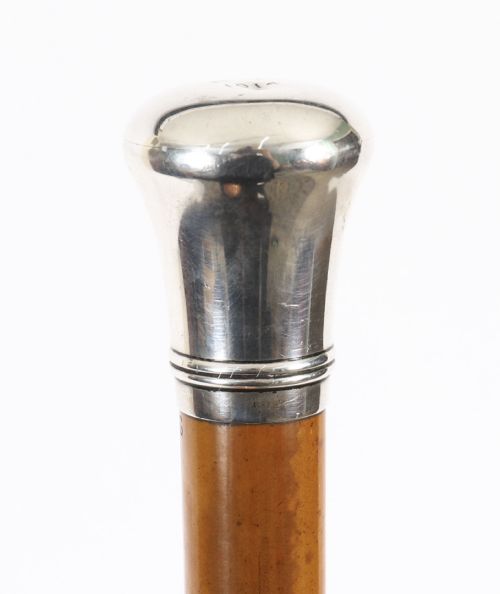
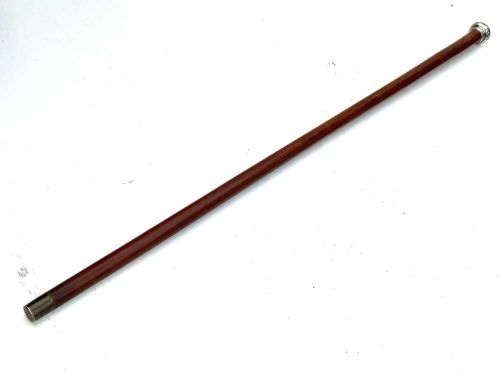
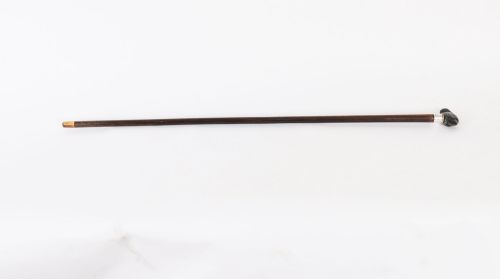
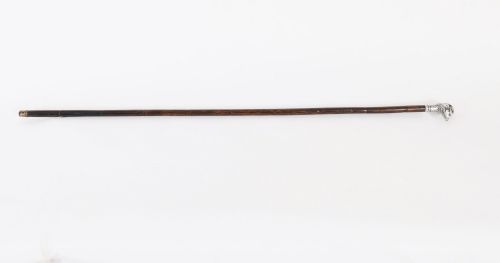
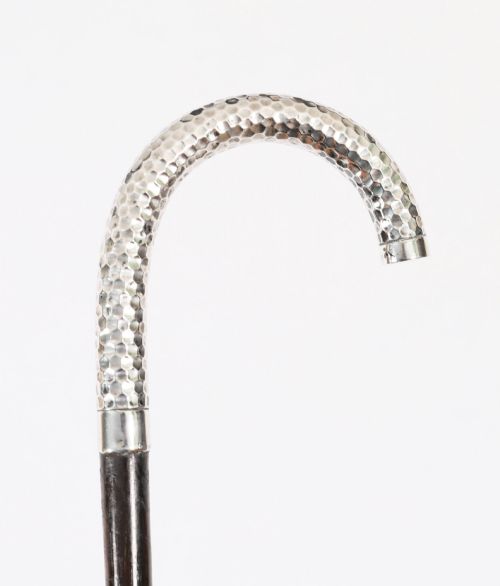
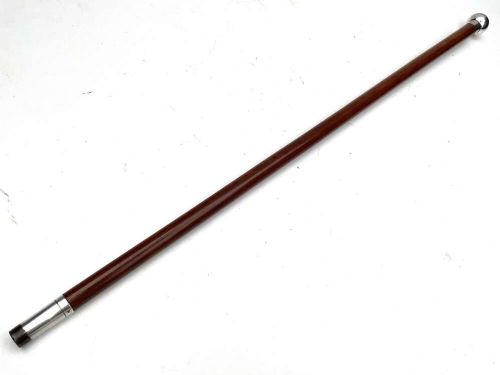
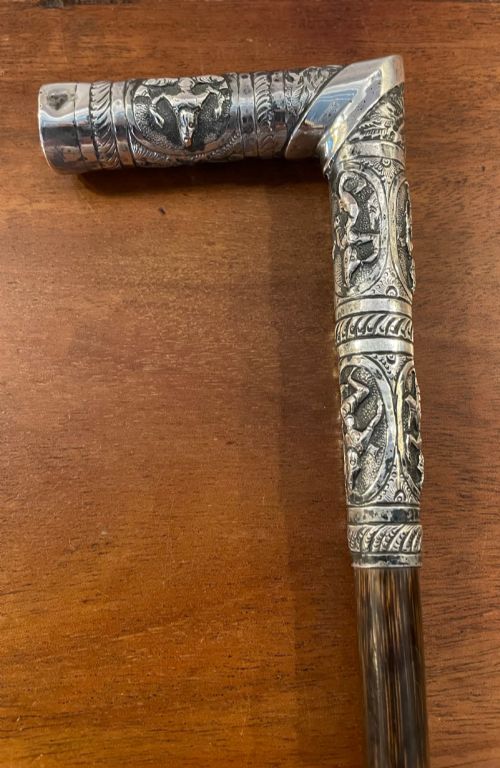
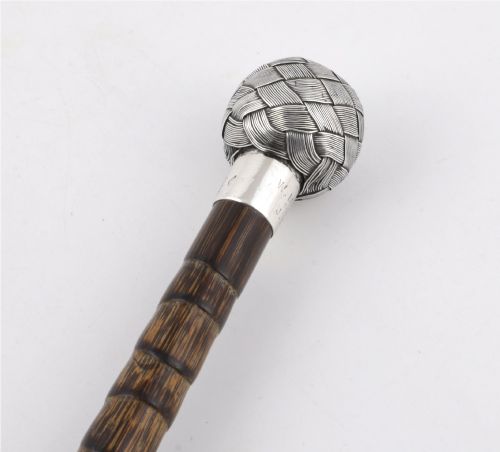
A vintage silver walking cane combines a wooden or metal shaft with a detailed silver handle, spaning periods from the Victorian era into the early twentieth century. You will encounter these supports shaped as plain sterling knobs, carved animal heads, or functional sword sticks.
The pieces on this page originate from British, French, and Asian makers, reflecting traditional craftsmanship alongside novelty designs. Handles often depict dogs, horses, ducks, and parrots, or feature smooth silver collars and wire knot decorations.
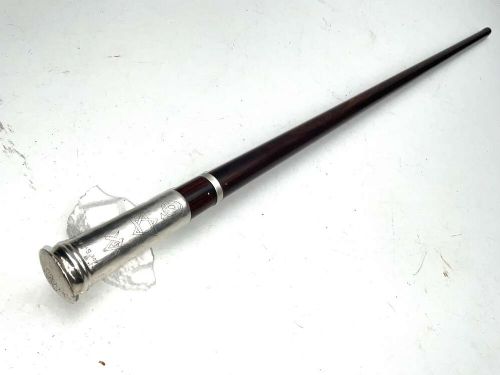
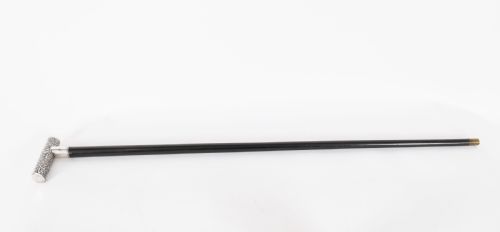
Makers produced these walking canes for gentlemen, officers, and dandies, incorporating hidden blades, horse-measuring tools, or corkscrews within the shafts. The overall length typically spans from ninety to one hundred centimetres, paired with shafts of malacca, bamboo, ebonised wood, or rosewood.
How they were made
Craftsmen shaped silver handles through casting and repousse work, applying hallmarks to sterling and continental silver mounts. These handles were then secured to shafts of natural timber, horn, or metal using internal screw threads or pinned collars.
Shaft materials included malacca, bamboo, chestnut, rosewood, and ebonised wood, selected for straightness and durability. Some examples incorporated steel sword blades by makers like Wilkinson or Toledo, fitted securely inside the wooden housing.
Vintage Silver Walking Cane Retail Price Guide 2026
Typical asking prices for vintage silver walking cane among the pieces listed under this phrase on Sellingantiques today, from the lower quarter to the upper quarter. They describe what is for sale here now, not the wider market.
Object forms on this page include standard walking canes, swagger sticks, sword sticks, and umbrella stands.
What varies in quality
Quality rests in the sculptural depth of the silver handle, distinguishing cast animal heads with fine feather or fur detail from plain unmarked caps. The weight of the silver and the crispness of any engraved monograms or hallmarks further set superior pieces apart.
The choice of shaft timber and the integration of concealed mechanisms dictate the overall standard of the cane. Precision engineering in hidden sword blades, corkscrews, or horse-measuring gadgets demonstrates higher workshop output.
T Brigg and Sons·Wilkinson
The Vintage Silver Walking Cane Glossary
- Hallmark
- An official stamp applied to silver items indicating purity, maker, and assay office. British sterling examples often carry city marks and date letters.
- Malacca
- A type of rattan cane featuring distinctive brown markings and nodes, prized for flexibility and strength in walking sticks.
- Sword stick
- A walking cane containing a concealed steel blade within the wooden shaft, released by a catch or screw mechanism.
- Knop
- A rounded knob or handle at the top of a walking stick, often fashioned from silver, bone, or horn.
- Swagger stick
- A short, light cane carried by military officers, sometimes mounted in silver.
Vintage Silver Walking Cane: Frequently Asked Questions
How do I date a silver walking cane?
Examine the silver handle for stamped hallmarks, which reveal the assay office and year of assay. Stylistic cues such as Art Nouveau curves or Victorian motifs also help narrow the decade.
Shaft construction and the presence of specific blade makers provide additional historical context for the piece.
What are gadget canes?
Gadget canes are walking sticks that conceal functional tools within the shaft or handle. Common hidden items include swords, corkscrews, and measuring devices.
Gentlemen carried these items for utility, defence, or amusement during the nineteenth and early twentieth centuries.
How should I care for a silver handle?
Dust the silver gently with a soft microfibre cloth to remove surface particles. Avoid harsh chemical polishes that can wear away thin silver plating or engraved details.
Keep the cane away from damp environments to protect both the metal and the wooden shaft.
What woods were used for shafts?
Makers utilised natural timbers such as malacca, bamboo, chestnut, rosewood, and ebonised wood. Each material offered different properties of weight, flexibility, and grain pattern.
Some shafts were also wrapped in leather or carved from solid root ball sections.