


Vintage Silver Timekeeper
A vintage silver timekeeper brings precision engineering and quiet elegance to your pocket or desk, drawing you in with traditional craftsmanship.
Vintage Silver Timekeeper
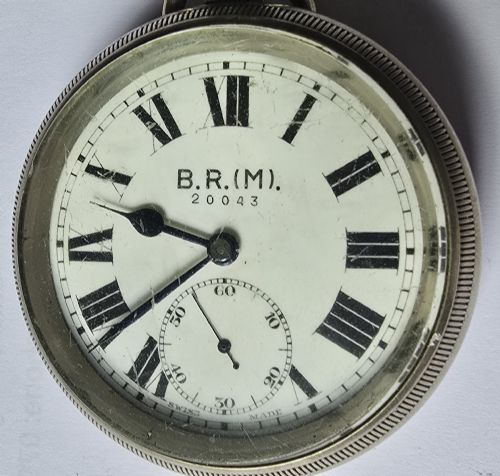
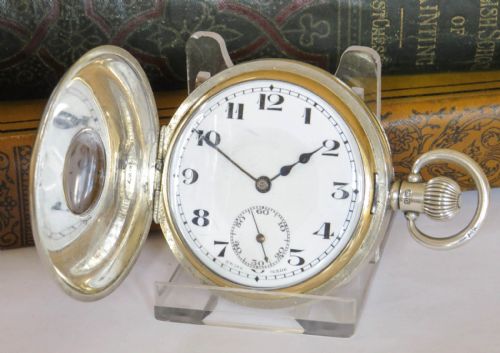
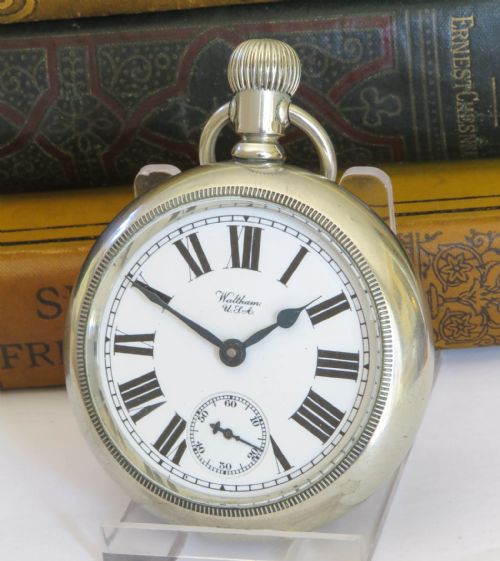
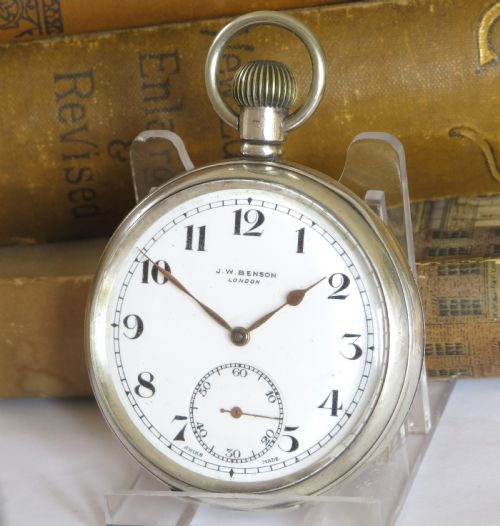
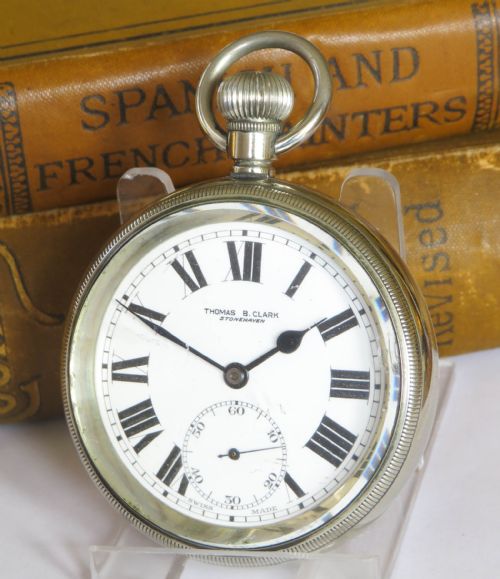
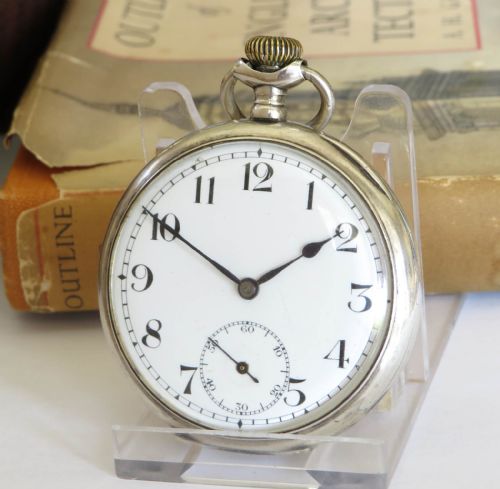
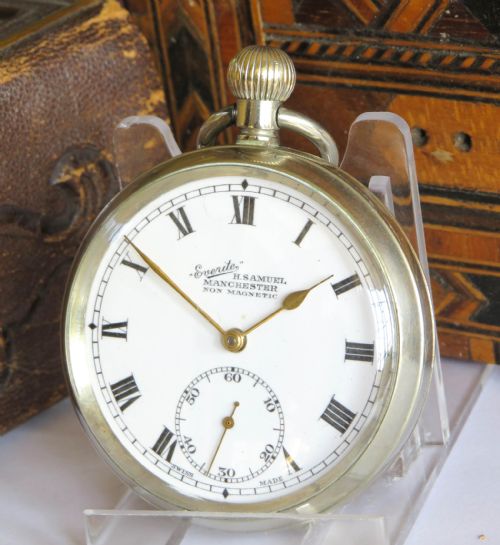
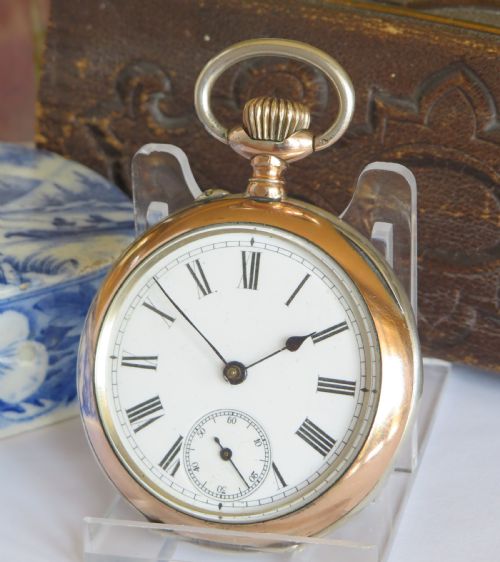
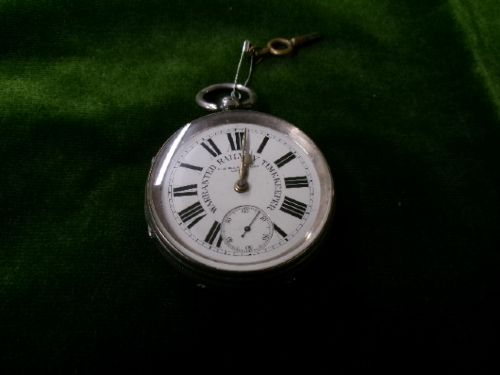
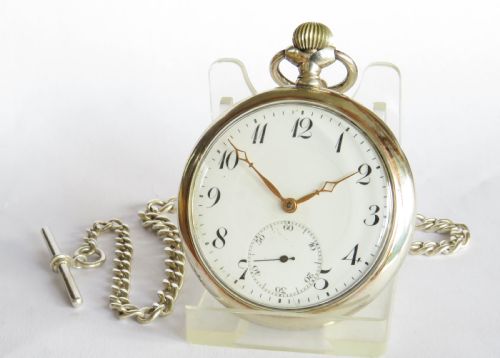
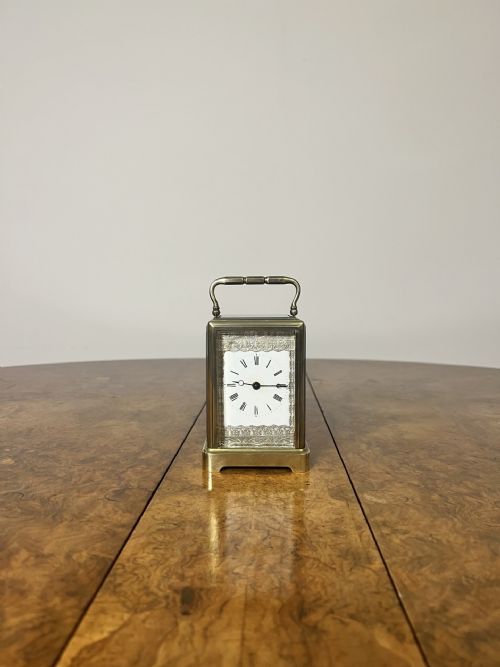
When you search for a vintage silver timekeeper, you find portable and stationary horological objects primarily spanning the Victorian era through the mid-twentieth century. The selection on this page centres heavily on pocket watches alongside desk clocks, carriage clocks, and occasional wristwatches.
These items originate from diverse contexts, ranging from railway and institutional service pieces to presentation awards and domestic timepieces. Pocket watches dominate the selection, often bearing hallmarks and inscriptions that connect them to specific historical years and organisations.
Materials and construction
Makers utilised solid silver and sterling silver for outer cases, frequently pairing precious metal with protective glass crystals over enamel or metal dials. Brass, nickel, and chrome also appear in internal movements and supplementary components like carriage clocks.
Mechanical construction relies on intricate gear trains, balance wheels, and escapements housed within metal cases. Many examples incorporate specialised complications or robust railway-grade movements designed for exact timekeeping under demanding conditions.
Some timekeepers carry tales of bravery awards and railway duties, reminding us that punctuality once governed the steam age.
Indicators of quality
Superior quality in these timekeepers is evident in the refinement of the movement, the weight and finish of the silver case, and the clarity of the dial. Pieces commissioned for specific railways or bearing presentation engraving often reflect higher standards of manufacturing and mechanical reliability.
The degree of preservation in both the delicate enamel dials and the intricate interior mechanics dictates the overall standing of an individual piece. Original components and unpolished cases demonstrate greater integrity than heavily altered or compromised examples.
Waltham·Cyma·J W Benson·Invicta·H Samuel
The Vintage Silver Timekeeper Glossary
- Hunter pocket watch
- A pocket watch featuring a spring-loaded metal cover that protects the dial from damage. This design requires the user to press a button on the crown to open the lid and check the time.
- Fusee
- A conical pulley used in older mechanical timekeepers to equalize the declining pull of the mainspring as it unwinds. This mechanism ensures consistent power delivery to the gear train for improved accuracy.
- Carriage clock
- A small, portable spring-driven clock designed for travel during the nineteenth and early twentieth centuries. These pieces typically feature a brass or silver frame inset with glass panels and a carrying handle on top.
- Hallmark
- An official stamp applied by an assay office to indicate the purity of precious metal such as sterling silver. These marks frequently include symbols for the metal standard, the assay town, and the year of testing.
- Chronograph
- A timekeeper equipped with a display function for measuring elapsed time alongside standard hours and minutes. This complication usually involves an independent sweep second hand that can be started, stopped, and zeroed.
Vintage Silver Timekeeper: Frequently Asked Questions
How do I wind a mechanical pocket watch?
Turn the crown gently between your thumb and forefinger in a clockwise direction until you feel slight resistance. Stop immediately when you meet this tension to avoid damaging the internal mainspring.
Most vintage pocket watches require daily winding to maintain continuous operation. Handle the crown with care, as overwinding can snap the delicate steel spring inside.
What is a fusee movement in a clock?
A fusee is a conical drum connected to the mainspring by a fine chain or cord. As the spring unwinds, the chain moves to a wider part of the cone, maintaining steady power.
This clever mechanical device compensates for the dropping tension of a relaxing spring. It represents a hallmark of traditional British clockmaking designed to enhance timekeeping precision.
How do I read silver hallmarks?
Examine the inner case backs or bezels using a magnifying glass to locate tiny stamped symbols. These marks typically reveal the metal purity, the assay office location, and a date letter.
Comparing these punches against standard reference tables allows you to date the timekeeper accurately. Sterling silver standards changed very little over the decades, making these stamps reliable guides.
Can I wear a vintage pocket watch daily?
You can carry a pocket watch every day provided you handle it with reasonable care and secure it properly with a sturdy chain. Keep the piece away from strong magnetic fields and moisture.
Routine servicing by a qualified horologist ensures the vintage mechanical parts continue to function smoothly. Regular maintenance prevents excessive wear on the gears and keeps the timekeeping accurate.