

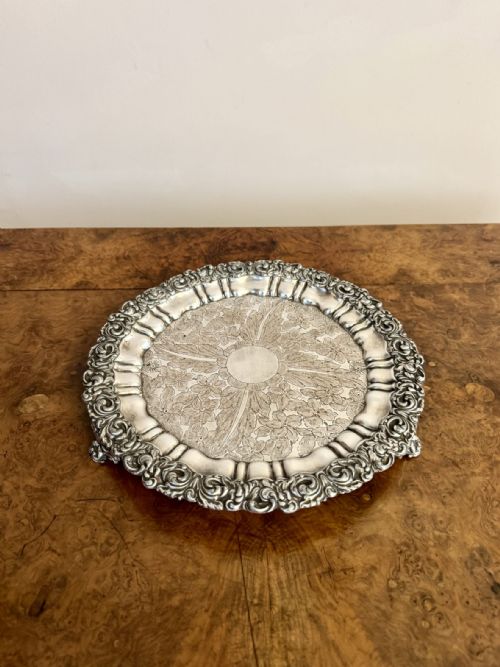
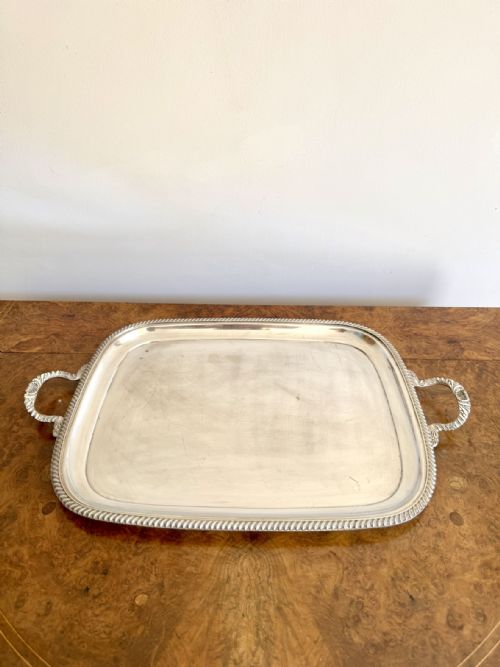
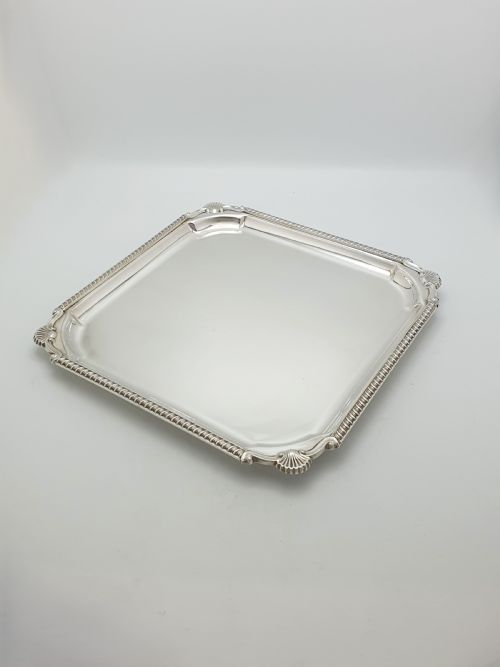


Vintage Silver Salver
A vintage silver salver carries drinks, tea or letters, offering a bright surface shaped by Victorian, Edwardian and Art Deco hands.
Vintage Silver Salver
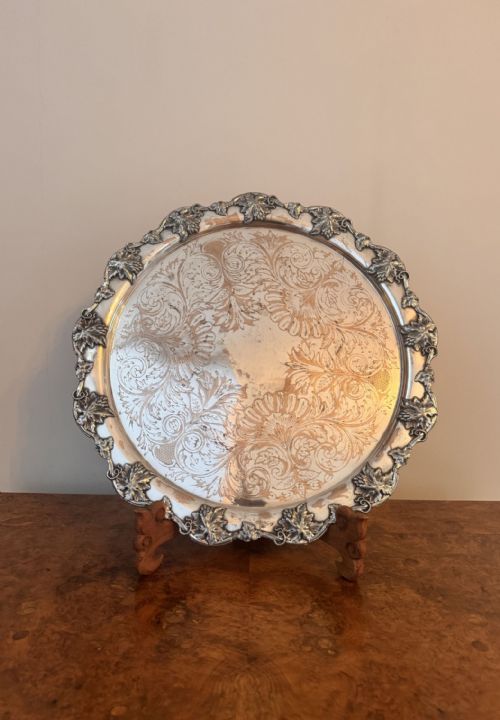
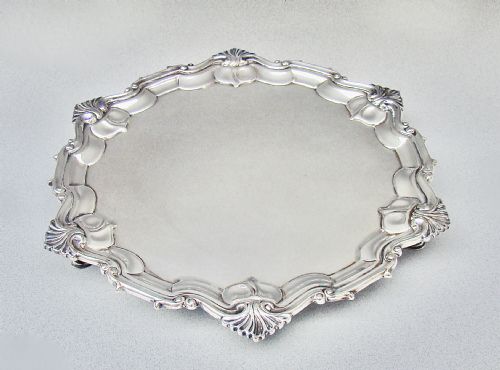
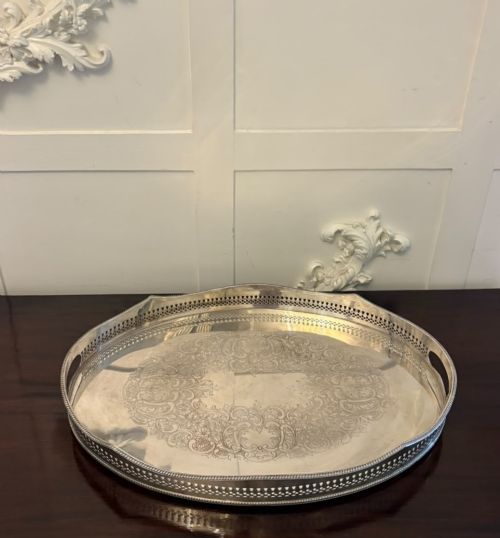
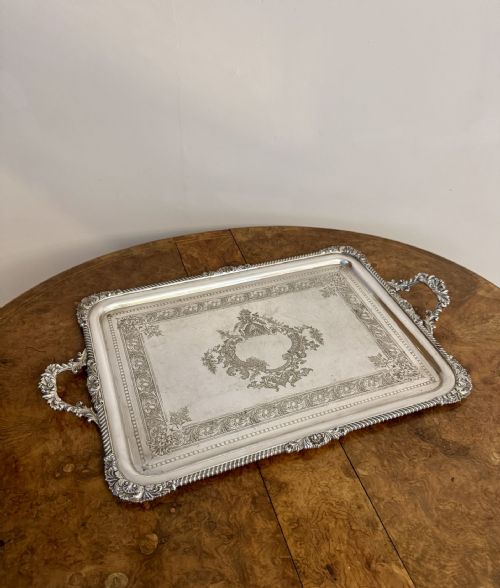
A vintage silver salver serves as a flat platform for drinks, tea and presentation, appearing in circular, square and oval forms. When you search for a vintage silver salver, you encounter pieces designed for hospitality and display across the nineteenth and twentieth centuries.
Most items you meet are silver plated, electroplated nickel silver or old Sheffield plate, reflecting the industrial shifts in metal production. These trays appear with raised detailed rims, shell borders or plain surfaces suited to diverse interior settings.
Materials and Construction
Makers formed these pieces using silver plate, sterling silver, EPNS and old Sheffield plate over base metals such as copper and nickel silver. Old Sheffield plate involved fusing a thin sheet of silver to a copper ingot, creating a durable composite material.
Electroplating methods introduced later in the nineteenth century allowed manufacturers to deposit a silver coating onto nickel silver or base metal substrates efficiently. Workshops then applied chased, engraved or engine-turned decoration to the surfaces by hand.
Materials represented across the selection include sterling silver, silver plate, old Sheffield plate, copper, and nickel silver.
Assessing Quality and Craftsmanship
Quality rests in the crispness of the chased or engraved surface decoration and the weight of the metal substrate beneath the plating. Superior pieces display substantial gauge metal that resists flexing when lifted, paired with securely attached feet and cast rims.
The distinction between standard commercial output and workshop pieces by makers such as Walker & Hall, Elkington or Tiffany & Co lies in the precision of the detailing and the durability of the plated layers over decades of use.
William Hutton & Sons·Mappin & Webb·Padley Parkin·Walker & Hall·James Dixon & Sons·John Collyer & Co·Peters Hamburg·Tiffany & Co·Elkington·Victor Saglier
The Vintage Silver Salver Glossary
- Salver
- A flat tray, typically with feet or a raised rim, used for serving or presentation. These objects evolved from serving dishes into display pieces.
- EPNS
- Electroplated nickel silver. This technique coated a strong base alloy with a thin layer of pure silver.
- Old Sheffield Plate
- An early fusing method where silver is fused to copper. This process creates a distinct appearance as the underlying copper occasionally shows through wear.
- Engine-turned
- A geometric pattern mechanically engraved into the metal surface. This technique creates precise, repeating decorative textures.
- Gallery tray
- A tray featuring an openwork or pierced gallery rail around the perimeter. These rails prevented items from sliding off during service.
Vintage Silver Salver: Frequently Asked Questions
What is a silver salver used for?
These trays served historically for presenting calling cards, drinks or afternoon tea in formal domestic settings. Today they function as cocktail trays or decorative display pieces on sideboards.
Their sturdy construction allows them to hold decanters and glassware securely during gatherings.
How do I clean a silver salver?
Use a soft cloth and a dedicated silver polish formulated for plated or sterling surfaces. Avoid harsh abrasive cleaners that can wear away thin silver plating.
Regular gentle wiping preserves the engraved details and maintains the reflective shine of the metal.
How can I tell sterling from silver plate?
Examine the piece for hallmarks that indicate solid sterling silver purity, such as a lion passant on English items. Silver plated items often carry maker marks indicating electroplating or base metal foundations.
Look closely at edges and high-wear areas where a silver plate might reveal the underlying copper or nickel silver.
What periods do these trays come from?
The available pieces span from the mid-nineteenth century through the Edwardian era and into the Art Deco period. Mid-century and later modernist designs also appear within the selection.
Stylistic cues like shell borders point to Victorian revivals, while clean geometric lines identify nineteen-twenties Art Deco work.