


Vintage Silver Salt Pots
These vintage silver salt pots bring period character to the table, ranging from simple open cellars to novelty animal designs.
Vintage Silver Salt Pots
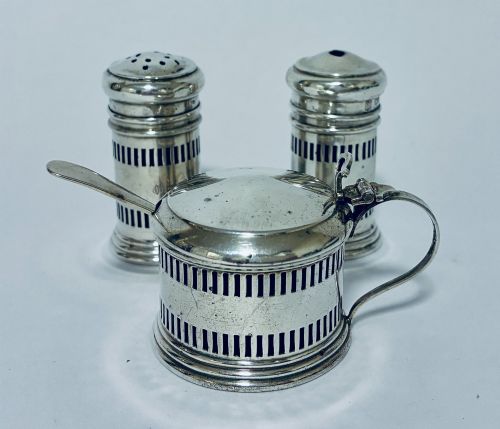
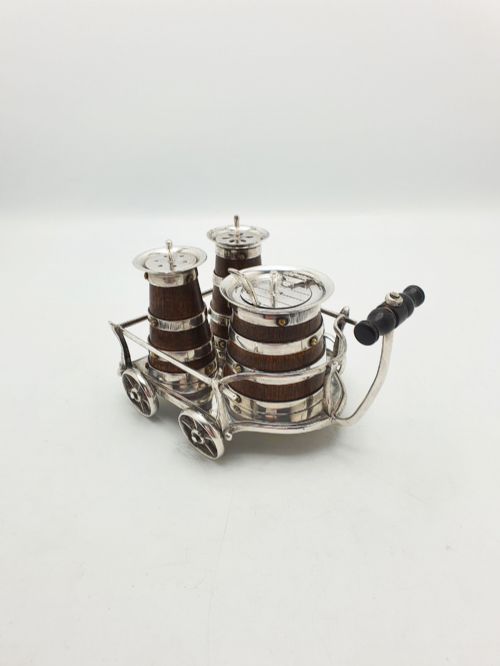
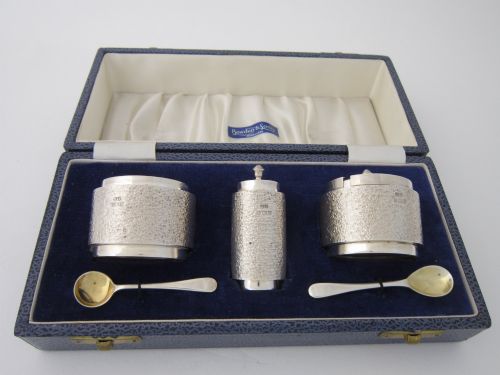
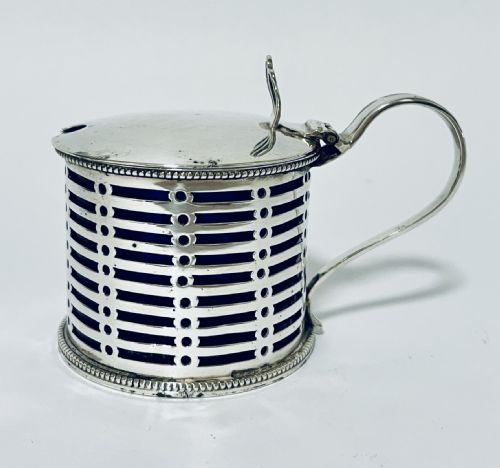
When you search for vintage silver salt pots, you encounter a variety of table vessels designed to hold condiments, including open salt cellars, lidded pots, and matching cruet sets. These pieces date across several eras, featuring prominently from the Victorian, Edwardian, and Art Deco periods, alongside mid-century examples.
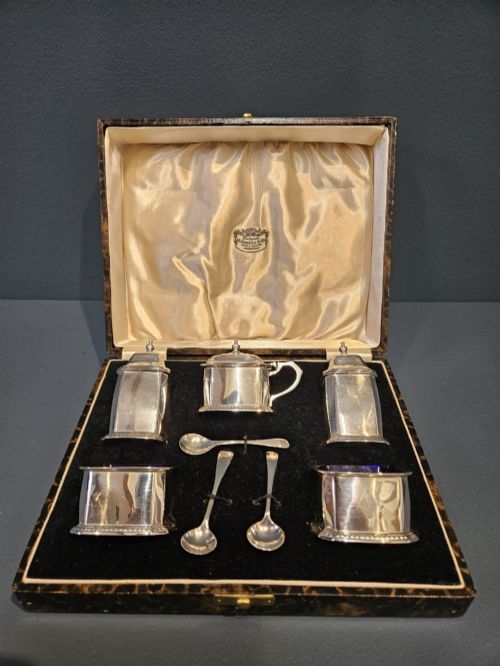
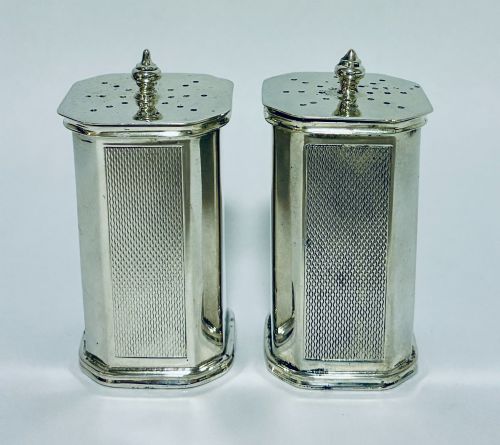
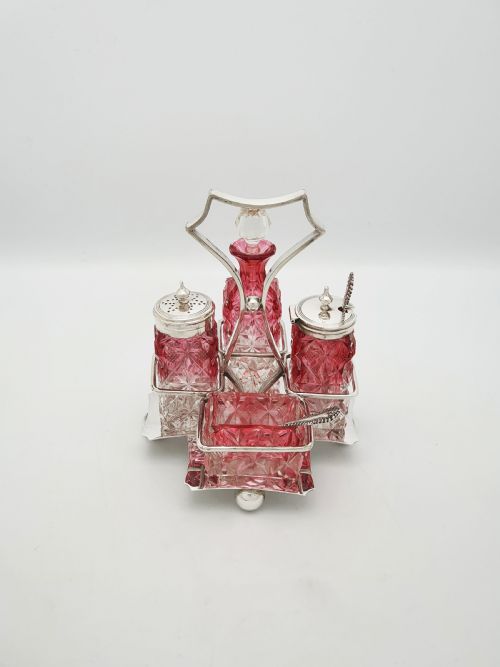
You are most likely to meet individual open salt cellars, salt tubs, and larger multi-piece condiment sets comprising mustard pots and pepper shakers. Materials span sterling silver, silver plate, and cut glass liners, occasionally accompanied by internal fabrics like velvet or satin.
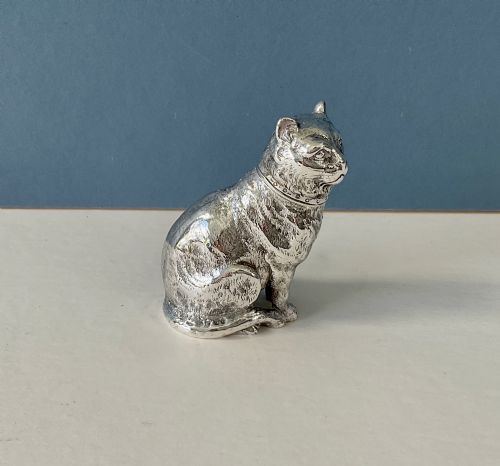
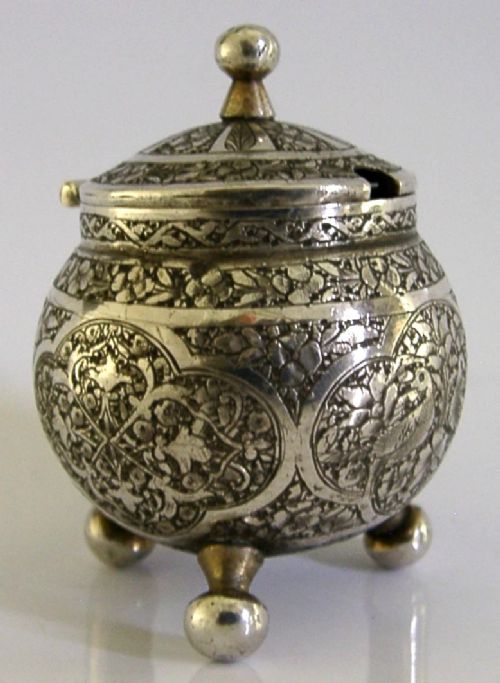
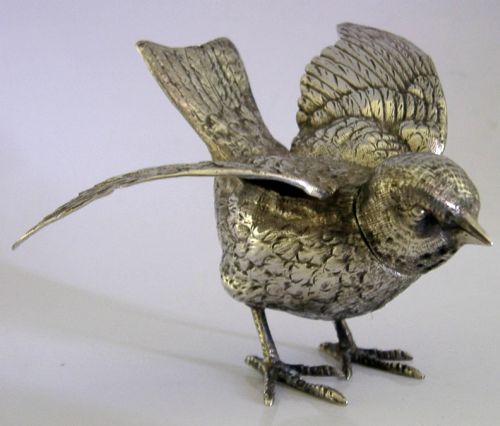
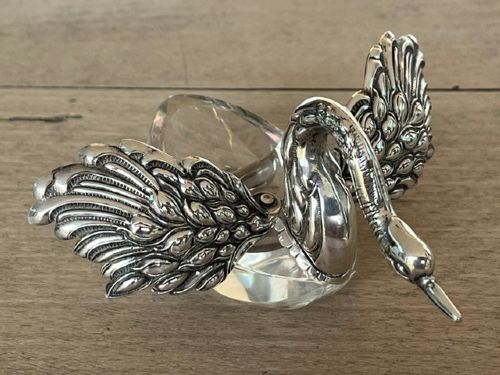
Forms extend from traditional Georgian style tableware to whimsical novelty shapes such as cats, owls, pheasants, and life-size bird chicks. Origin points vary from English workshops to Dutch makers, Ottoman regions, and Chinese export silver.
Materials and methods of construction
Makers utilised sterling silver and solid silver alongside silver plate over base metals, shaping the metal through casting, hammering, and detailed hand-chasing. Many vessels incorporate heavy cut glass or crystal inserts, which required skilled glassblowing and precision cutting to fit the silver mounts.
Novelty pieces often employ intricate cast construction, seen in the articulated wings of swans or the feathered detail of bird pepperettes. Interiors of open salt cellars frequently feature gilt washes or delicate glass linings to protect the silver from corrosive salt.
Listings feature sterling silver, silver plate, and cut glass across Victorian, Edwardian, and Art Deco styles.
Distinctions in manufacture and design
Quality rests upon the crispness of the casting and the weight of the metal utilised in the body of the pot. Superior pieces exhibit sharp, unblemished chasing on novelty figures and secure, well-fitted hinges on lidded mustard pots.
The integration of materials also defines the standard, where heavy cut glass liners fit precisely within solid silver frames rather than loose, mismatched replacements.
Bricks & Sons·Wilmot Manufacturing Co·Viners Sheffield·Mappin & Webb·Berthold Muller
The Vintage Silver Salt Pots Glossary
- Cruet set
- A matched group of condiment containers, typically holding salt, pepper, and mustard, housed together on a stand or frame.
- Open salt
- A small cellar designed to hold loose salt, intended for use with a small salt spoon rather than a shaker.
- Salt tub
- A small, cylindrical open salt cellar, often featuring horizontal ribbing that mimics wooden cooperage.
- Novelty pepper
- A condiment pot cast in the realistic shape of an animal or figure, with shaker holes concealed in the head or back.
- Silver plate
- A layer of silver fused or electroplated onto a base metal core such as brass or copper.
Vintage Silver Salt Pots: Frequently Asked Questions
How were salt pots used historically?
Diners used open salt cellars by taking pinches of salt with small spoons or fingers to sprinkle over food before individual shakers became common.
Larger cruet sets held multiple condiments together in the centre of the dining table for shared use.
What is the difference between a salt cellar and a pepper pot?
Salt cellars are open vessels designed to hold loose salt grains, often paired with glass liners or interior gilding to prevent corrosion.
Pepper pots are closed shakers featuring perforated lids that allow the condiment to be sprinkled evenly.
How do I date a silver salt pot?
Dating relies heavily on hallmarks stamped into the silver, which record the assay office, the maker's mark, and a specific date letter.
Stylistic indicators, such as geometric Art Deco lines or ornate Victorian casting, also help narrow down the period of manufacture.
Can I use antique salt pots today?
These pieces function well for modern dining, though open salt cellars require glass liners to prevent salt from pitting the silver.
Regular washing and careful drying after use protect the metal finish during daily service.