


Vintage Silver Metal Stand
A vintage silver metal stand serves practical roles around the home while bringing period craftsmanship to interior spaces.
Vintage Silver Metal Stand
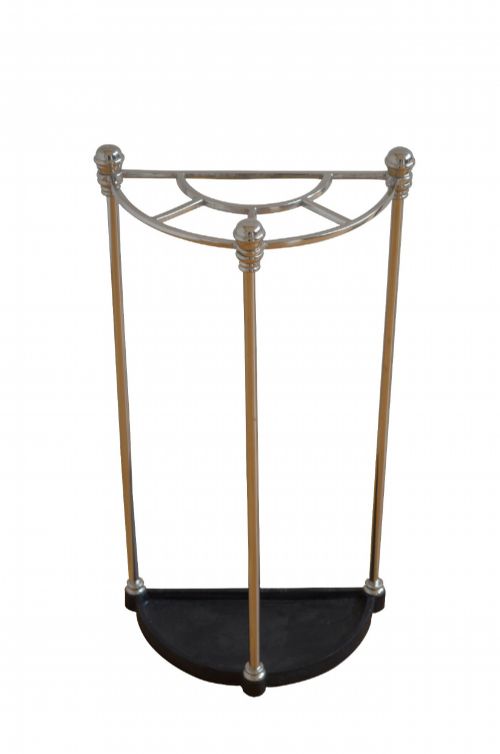
A vintage silver metal stand encompasses diverse utilitarian and decorative forms designed for domestic use across multiple centuries. Buyers encounter objects ranging from umbrella holders and serving dish bases to display tiers and kettle supports shaped in various historical aesthetics.
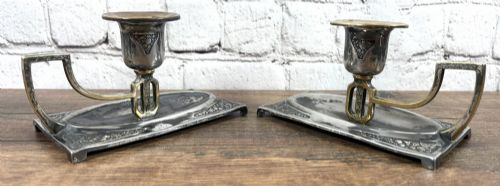
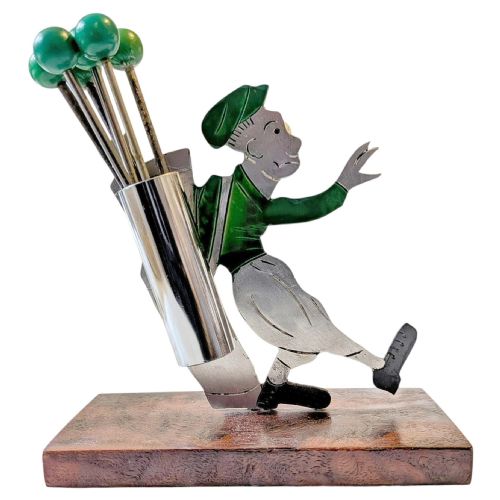
The selection frequently includes items produced during the Art Deco era and the Victorian period, alongside Edwardian and Mid-Century Modern examples. Materials extend beyond pure silver to silver plate, nickel, pewter, brass, copper, and chrome.
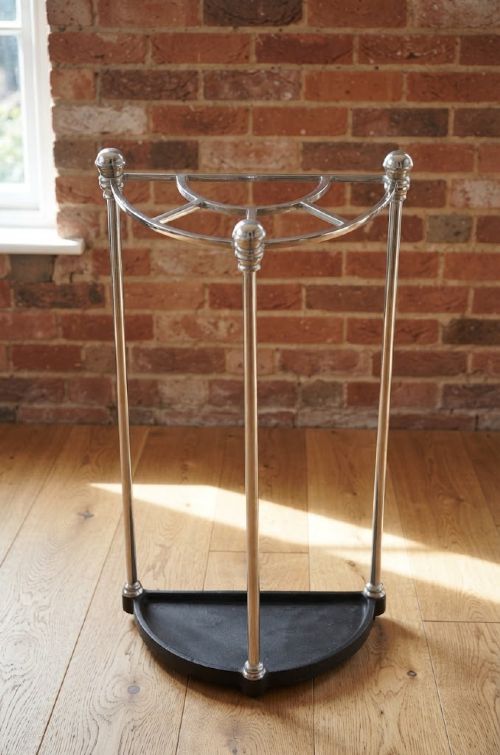
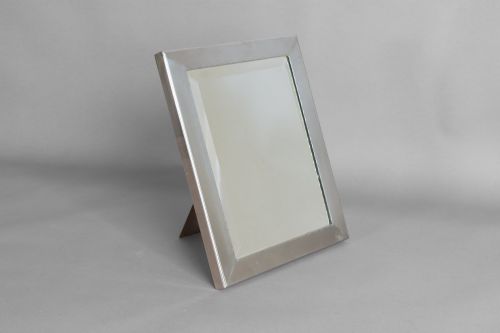
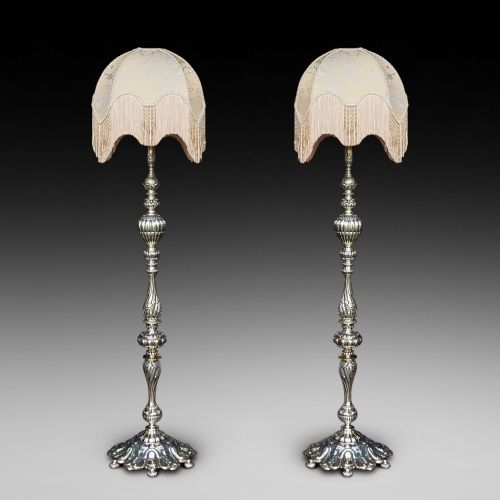
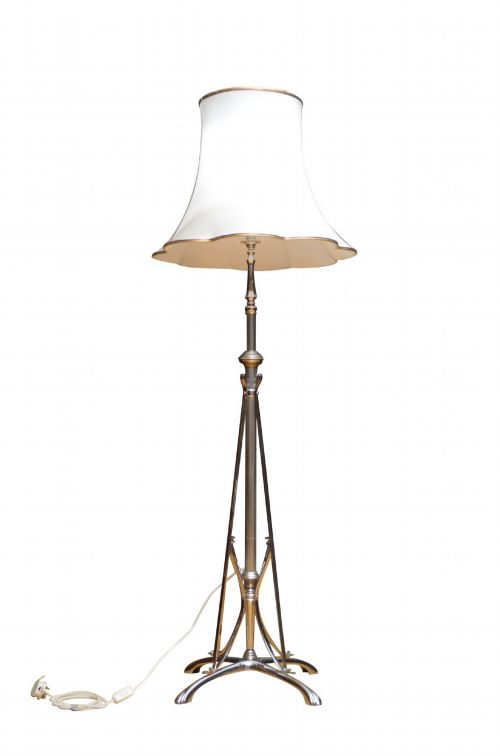
Functional pieces such as stick stands, desk accessories, and floor standard lamps dominate the physical formats seen within this category. Each variation reflects the prevailing design movements of its respective decade, from Rococo Revival curves to clean Modernist lines.
Materials and Construction Techniques
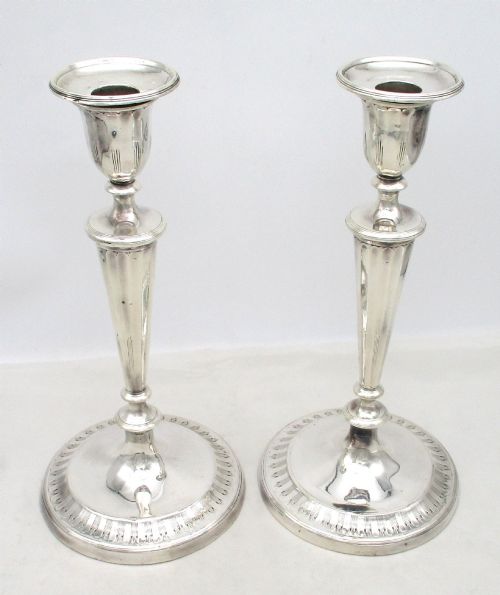
Manufacturers utilised base metals including brass, copper, cast iron, and pewter as foundations for plating or polished finishes. Silver plating techniques applied thin layers of precious metal over base alloys to achieve the appearance of solid silver.
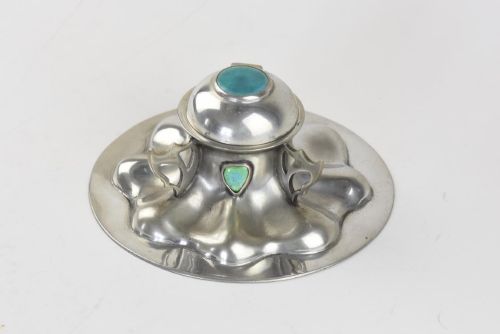
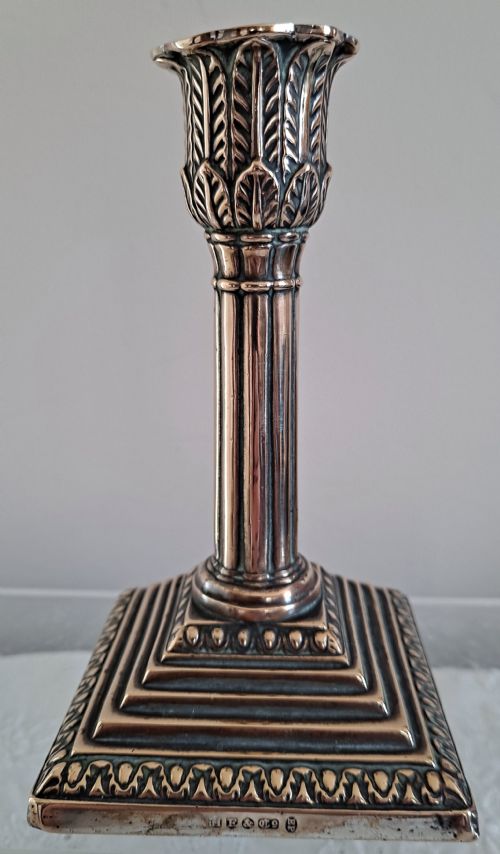
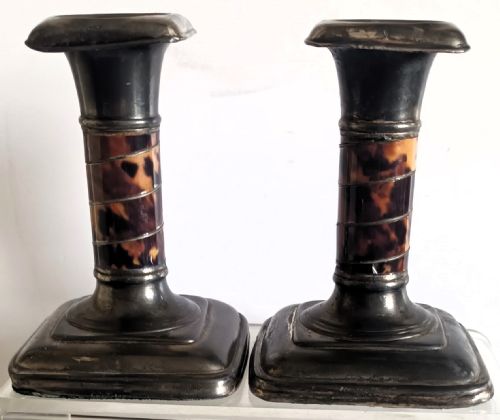
Casting and hammering methods shaped the structural components of candlesticks, stands, and frames. Artisans incorporated decorative details such as Ruskin cabochons, glass inserts, and tortoiseshell panels directly into the metal frameworks.
Listings feature items spanning from the late 18th century through the mid-20th century, encompassing styles from Victorian Neoclassical to Mid-Century Modern.
Distinctions in Quality and Make
Superior examples display crisp casting definition and intact plating without excessive wear to the underlying base metal. Maker attribution through stamped marks often separates standard commercial output from distinguished workshop production.
Substantial weight and sturdy joinery indicate robust construction, particularly in floor-standing items and multi-branch candelabra. The integration of secondary materials like crystal and ceramic elements points to higher standards of design and assembly.
Sudre·William Hutton·CHRISTOFLE·WMF·Barker Ellis·Liberty & Co.
The Vintage Silver Metal Stand Glossary
- Silver Plate
- A layer of silver bonded to a base metal core such as copper or nickel alloy. This technique allowed makers to produce domestic items with the lustre of solid silver at a lower cost.
- Demi-Lune
- A half-moon shape commonly utilised for umbrella stands and console tables designed to sit flush against a wall. It maximises floor space while providing functional storage.
- Cabochon
- A polished, convex gem or decorative stone cut without facets. These are frequently set into metalwork for colour and textural contrast.
- Spelter
- An alloy primarily composed of zinc, often used as a substitute for bronze in decorative figures and lamp bases. It takes patination and metallic paint finishes well.
- Sheffield Plated
- An early method of fusing a sheet of silver to a copper ingot before rolling them together into plates. This process creates a distinctive edge where the underlying copper becomes visible through wear.
Vintage Silver Metal Stand: Frequently Asked Questions
How do I clean a silver plated stand?
Use a soft cloth and a specialised silver polish designed for plated items to avoid removing the thin metal layer.
Prevent abrasive cleaners from touching the surface, and gently wash with mild soap and water before drying thoroughly.
Were these stands used daily?
Many items served specific daily functions in historic households, such as holding umbrellas in hallways or supporting kettles at tea.
Others remained strictly decorative on side tables, acting as centerpieces or display frames for photographs.
How can I date an Art Deco stand?
Art Deco pieces typically display geometric motifs, streamlined silhouettes, and materials like nickel plating or chrome.
Production dates generally centre around the interwar period from the 1920s through the 1930s.