


Clear Glass Table Centrepiece
These clear glass table centrepieces command the middle of a room, bringing sparkling crystal and period weight to your dining table.
Clear Glass Table Centrepiece
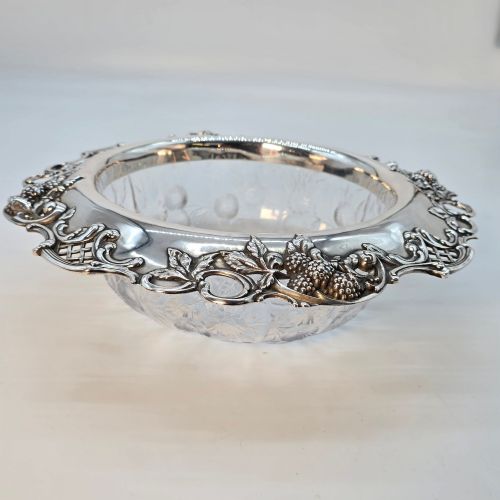
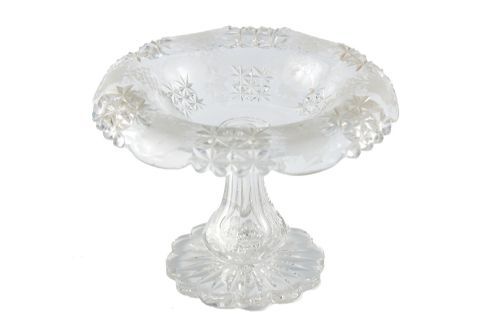
A clear glass table centrepiece acts as the focal point of a dining arrangement, drawing the eye across the table with reflective surfaces and generous proportions. When you search for a clear glass table centrepiece, you encounter heavy bowls, epergnes, and candelabra designed to hold fruit, flowers, or simply to catch the light.
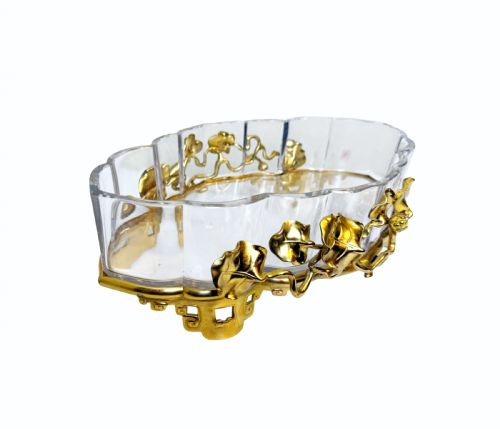
The pieces spanning the Victorian, Edwardian, and Art Deco periods range from simple pressed glass dishes to elaborate creations combining crystal with sterling silver, gilt bronze, or silver plate. You are most likely to meet cut glass bowls and mounted crystal vessels dating from the late nineteenth and early twentieth centuries on this page.
Factors determining quality
Quality rests in the depth and crispness of the cutting, where superior pieces exhibit sharp facet junctions and hand-polished clarity rather than soft, rounded edges. The weight of the crystal and the resonance of the glass indicate higher lead content and better raw materials.
The integration between the glass and its mount further separates standard items from the finest examples. Securely fitted gilt bronze, sterling silver, or carved wooden frames demonstrate precise craftsmanship that complements the brilliance of the crystal bowl.
Listings span the Georgian, Victorian, Edwardian, and Art Deco periods, incorporating cut glass, crystal, sterling silver, gilt bronze, and frosted glass.
Tiffany and Co·St Louis glassworks·Julien Glass France·Baccarat Crystal
The Clear Glass Table Centrepiece Glossary
- Epergne
- A tiered centrepiece featuring a central bowl with branching arms or trumpets for holding fruit, flowers, or sweets. These structures often combine heavy crystal with silver plate or glass inserts.
- Cut glass
- Glass decorated by grinding facets or patterns into the surface using a rotating wheel. Deeply cut patterns refract light intensely.
- Gilt bronze
- Bronze that has been coated in a thin layer of gold, frequently used for mounts and frames on nineteenth-century French and English centrepieces.
- Lead crystal
- Glass containing a significant proportion of lead oxide, which increases weight, clarity, and the refractive index for greater sparkle.
- Mirror plateau
- A mirrored glass tray placed beneath a centrepiece to reflect the vessel and any floral arrangements above it.
Clear Glass Table Centrepiece: Frequently Asked Questions
How were centrepieces used originally?
Dining tables featured these large glass bowls and epergnes in the centre to serve fruit, sweetmeats, or display cut flowers during formal meals. They acted as conversation pieces and symbols of hospitality.
Servants would place them directly on the polished wood or upon matching mirror plateaus to protect the surface and amplify the candlelight reflecting off the crystal facets.
How do I clean a crystal centrepiece?
Wash the glass by hand in warm, soapy water using a soft cloth, avoiding harsh abrasives that might scratch the surface. Rinse thoroughly and dry with a lint-free cloth to restore the sparkle.
Keep metal mounts, silver plating, or gilt bronze frames dry during cleaning to protect the original finishes from moisture damage.
Can I use these for fresh flowers?
Many of these bowls and epergnes were built specifically to hold floral arrangements alongside fruit. Ensure you check for any internal metal flower frogs or liners that came with the piece.
Take care when placing heavy stems into antique cut glass to avoid chipping the rim or base during arrangement.
How do I date a glass centrepiece?
Examine the cutting style, base wear, and any accompanying metal mounts to determine the period. Victorian and Edwardian pieces often show characteristic deep hand-cutting and distinct hallmarks on silver components.
Art Deco examples display streamlined geometric forms, while earlier Georgian items present smoother, simpler bowl profiles and polished pontil marks on the underside.