


Vintage Silver Hollowware
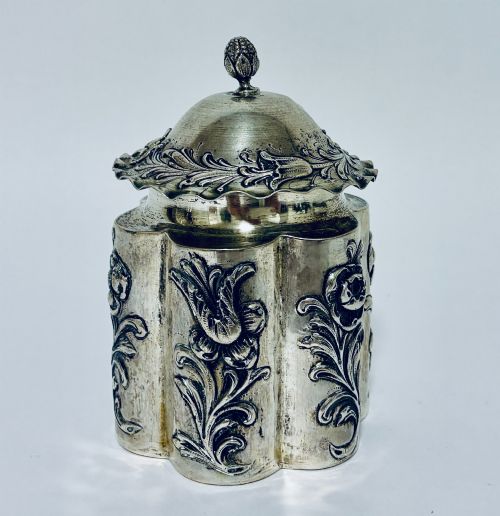
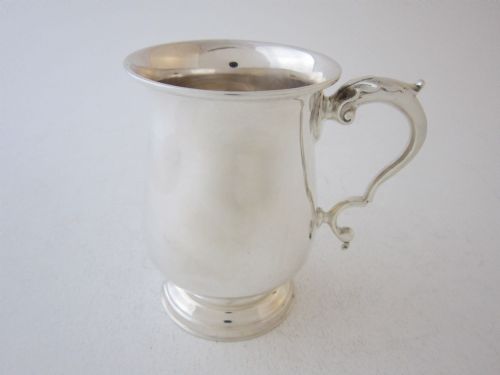
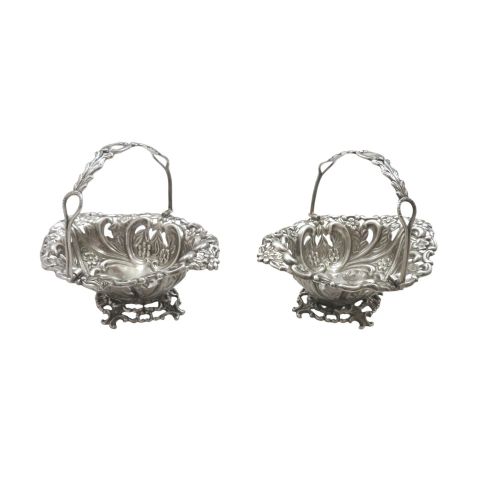
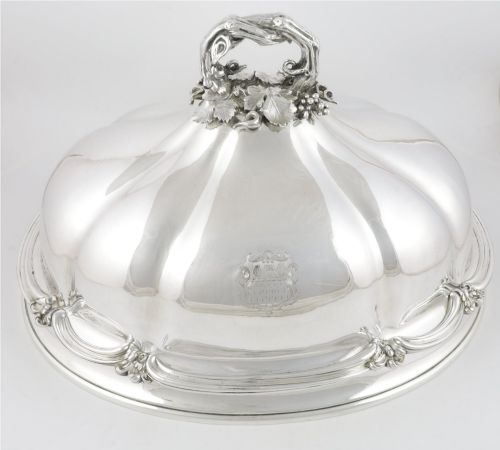
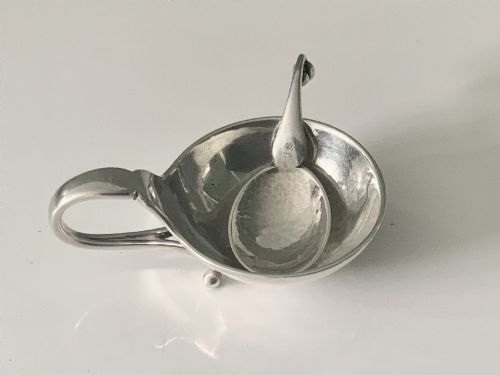
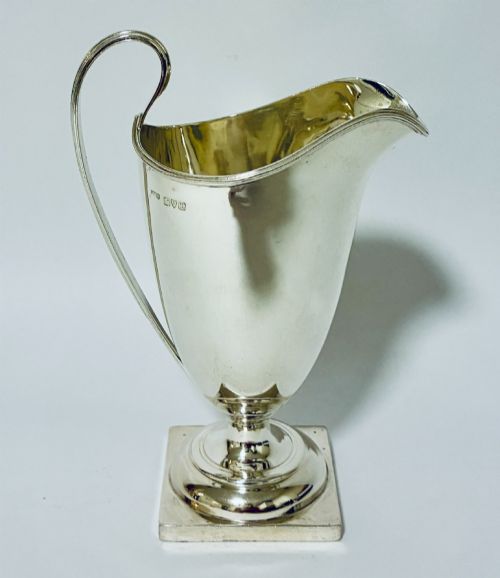
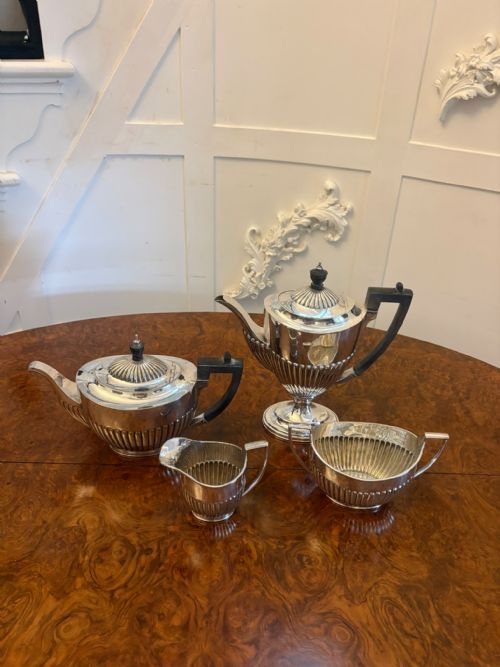
Vintage silver hollowware comprises vessels and tableware for serving food and drink, shaped from sterling silver, solid silver and silver plate.
Vintage Silver Hollowware
Vintage silver hollowware encompasses a wide range of serving vessels and table items designed for domestic use, spanning periods from the eighteenth century to the mid-twentieth century.
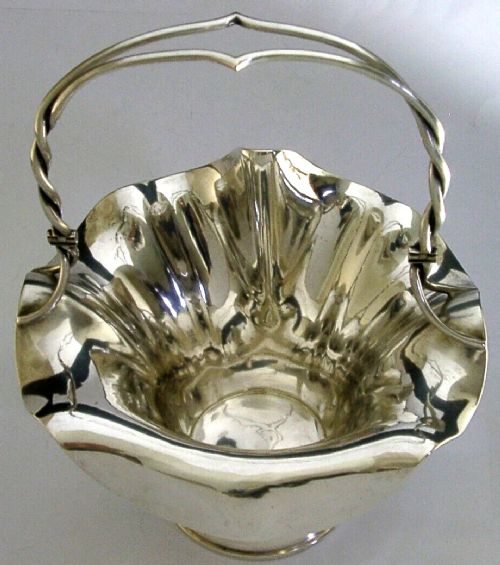
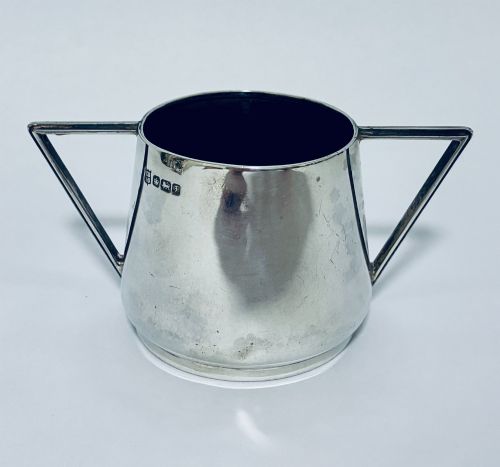
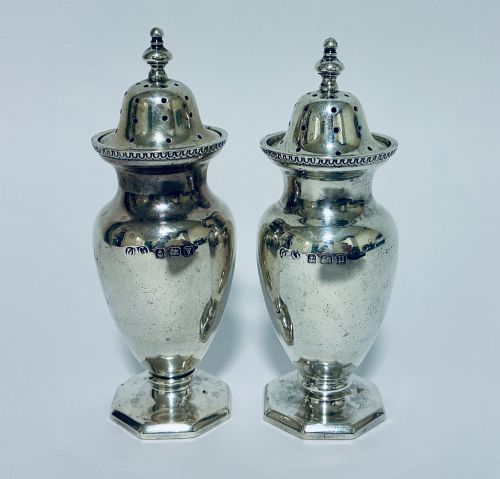
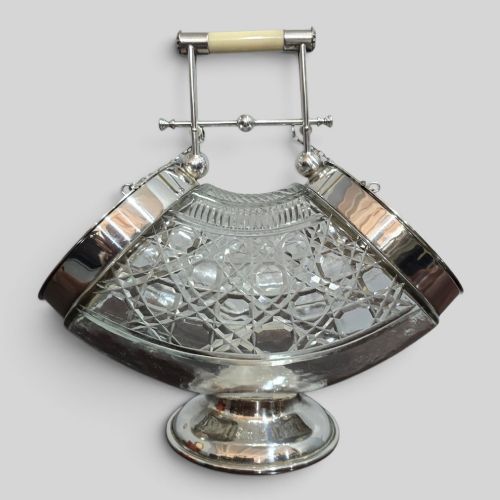
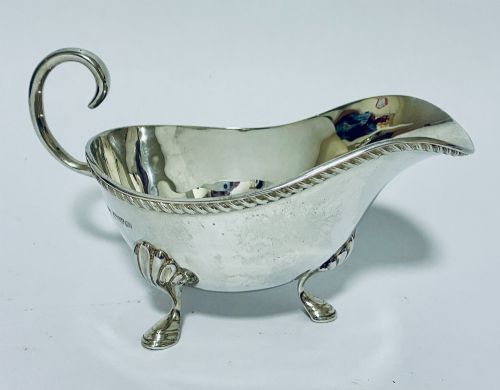
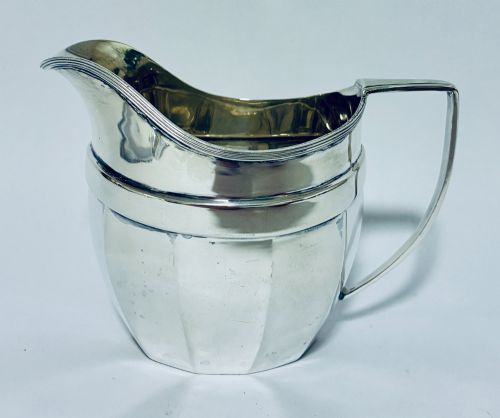
Buyers browsing this selection frequently encounter tea and coffee sets, cream jugs, sugar bowls, sauce boats, baskets, and meat covers originating across Georgian, Victorian, Edwardian, and Art Deco eras.
Materials and construction methods
Pieces are fabricated using sterling silver, solid silver, silver plate, and Old Sheffield Plate, occasionally combined with auxiliary materials such as wood, copper, and ebonised wood for handles and insulators.
Manufacturing techniques combine traditional smithing and casting with hand-engraved surface decoration, woven handles, and hobnail cutting on glass components.
Vintage Silver Hollowware Retail Price Guide 2026
Typical asking prices for vintage silver hollowware among the pieces listed under this phrase on Sellingantiques today, from the lower quarter to the upper quarter. They describe what is for sale here now, not the wider market.
A sturdy Stilton scoop lets you carve through vintage cheese with the solemn gravity of a Victorian butler at Sunday dinner.
Judging the standard of manufacture
Quality rests upon the weight of the metal utilised, the crispness of chased or engraved floral and geometric designs, and the structural integrity of joints and handles.
The standard of plating thickness and the preservation of original surfaces distinguish everyday utility pieces from finer presentation items and marked works by notable makers.
Roberts Cadman·Georg Jensen·Padley Parkin And Staniforth·Theodore B Starr·Robert Pringle And Sons·Mappin And Webb
The Vintage Silver Hollowware Glossary
- Hollowware
- Tableware and vessels such as pots, jugs, bowls, and baskets that possess interior volume rather than being flatware.
- Old Sheffield Plate
- A method of fusing a thin sheet of silver to a thicker copper base, common in eighteenth and nineteenth-century pieces.
- EPNS
- Electroplated nickel silver, a common base metal method utilised for silver plated hollowware from the nineteenth century onwards.
- Porringer
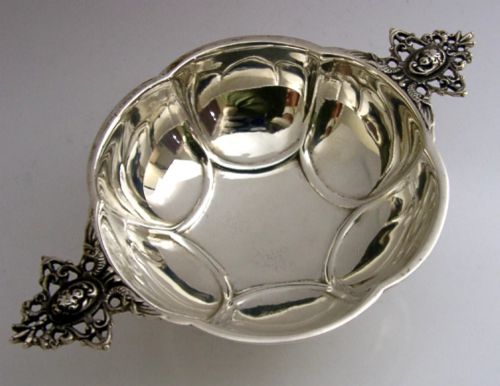
- A small, shallow vessel with one or two horizontal flat handles, often used as a child's christening bowl.
- Quaich
- A traditional two-handled drinking vessel originating in Scotland, often used for whisky or brandy.
Vintage Silver Hollowware: Frequently Asked Questions
What counts as hollowware?
Hollowware refers to three-dimensional vessels used on the dining table or sideboard, including pots, jugs, bowls, baskets, and caddies.
It contrasts with flatware, which describes items like spoons and forks.
How do I clean silver plate?
Silver plate requires gentle cleaning with a specialist polish and a soft cloth to avoid wearing through the thin silver layer to the base metal underneath.
Avoid harsh abrasives and soaking pieces that contain wooden or insulated handles.
What is the difference between sterling and plate?
Sterling silver contains a legally defined high purity of silver throughout the entire object, bearing hallmarks to confirm its standard.
Silver plate consists of a base metal, such as copper or nickel silver, coated with a thin outer layer of silver.
How were gravy warmers used?
Gravy warmers, such as argylls and chafing dishes, kept sauces and gravies warm at the table using internal compartments filled with hot water or heated inserts.
They ensured rich foods remained at the correct serving temperature throughout long meals.