

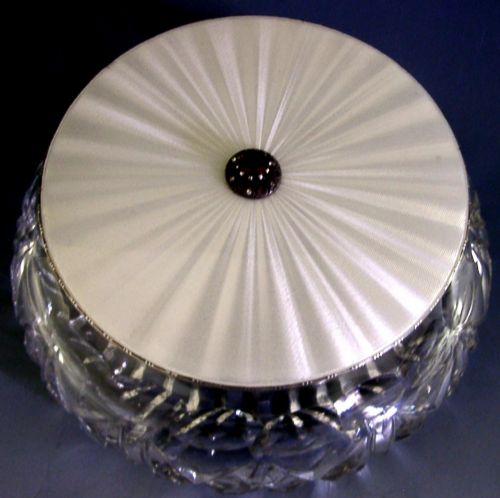


Vintage Silver Dressing Table Box
A vintage silver dressing table box holds your rings and pins, combining solid metal, cut glass, and bright enamel for daily use on a vanity.
Vintage Silver Dressing Table Box
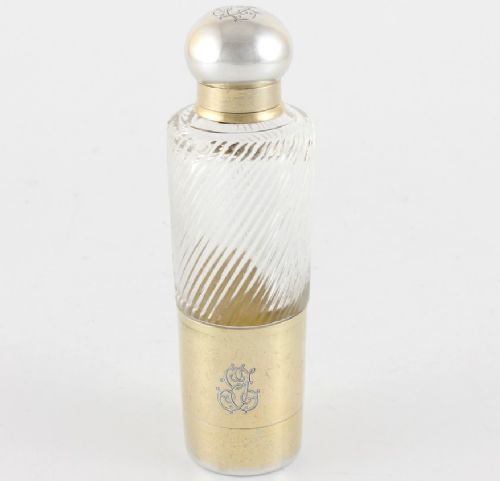
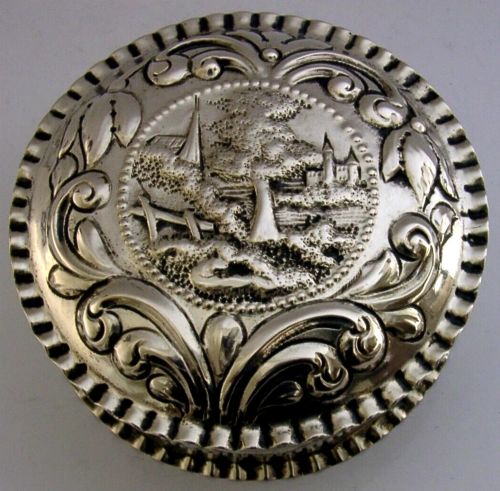
A vintage silver dressing table box serves to hold small trinkets, jewellery, pins, and cosmetics on a bedroom vanity. These pieces emerge from periods spanning the nineteenth century through the mid-twentieth century, including the Edwardian era, George V reign, and Art Deco period.
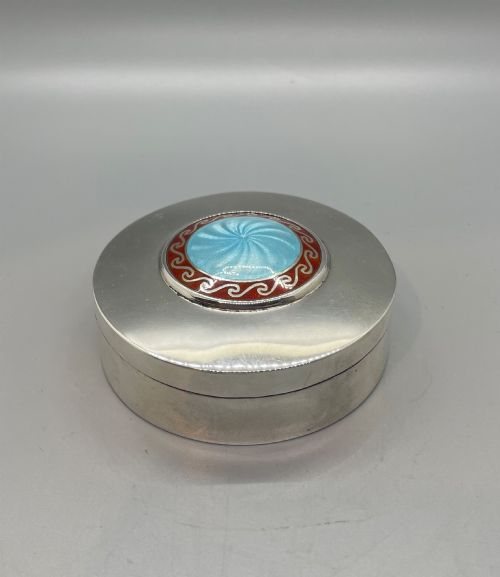
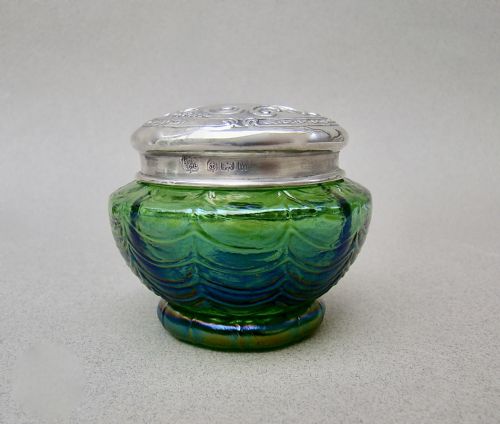
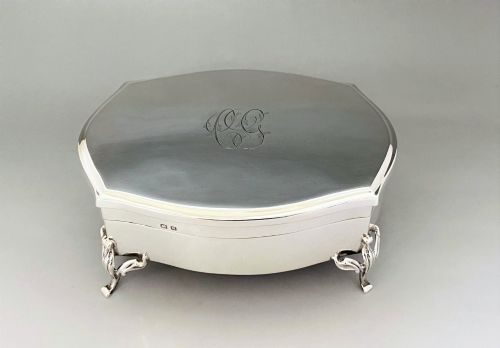
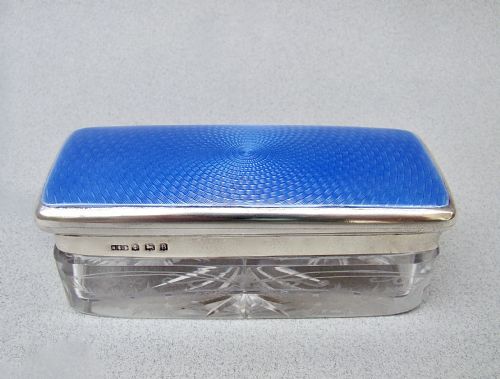
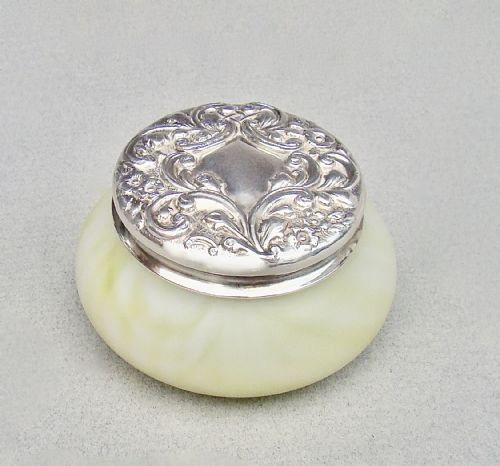
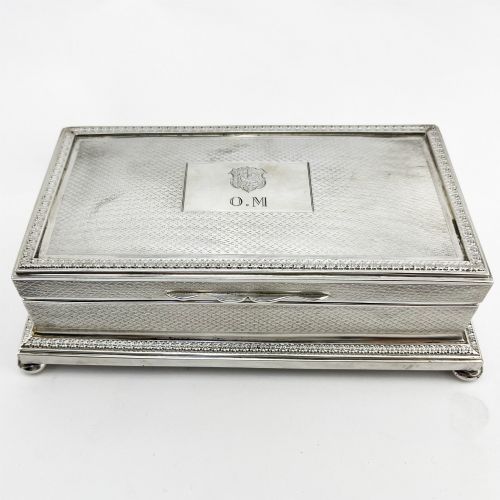
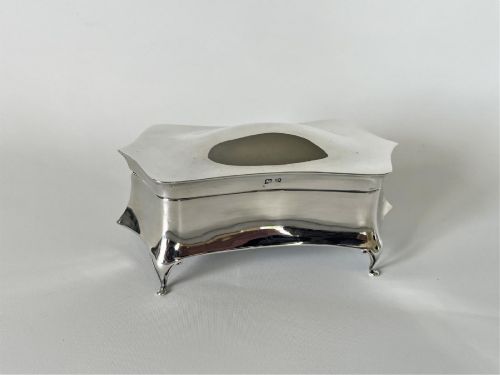
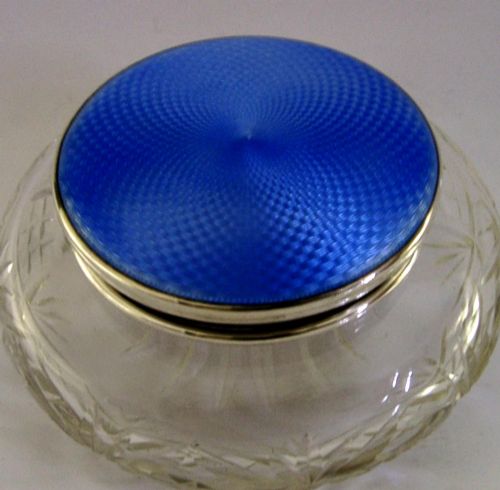
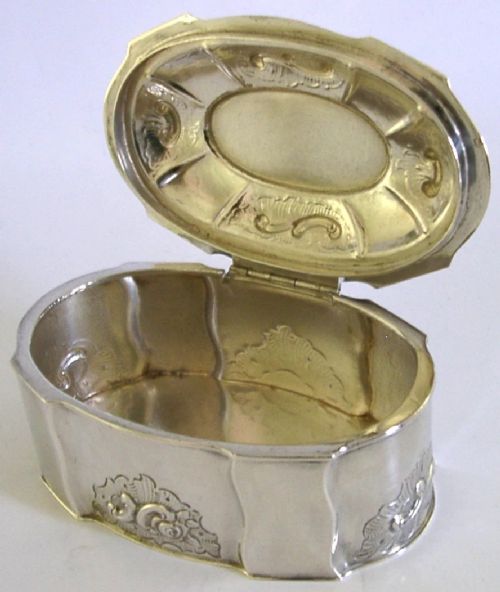
The most common examples on this page take the form of lidded glass jars, heart-shaped sterling silver trinket boxes, and rectangular containers fitted with enamel or tortoiseshell lids. Makers from Birmingham, London, and continental workshops produced these containers in various weights and dimensions for personal grooming tables.
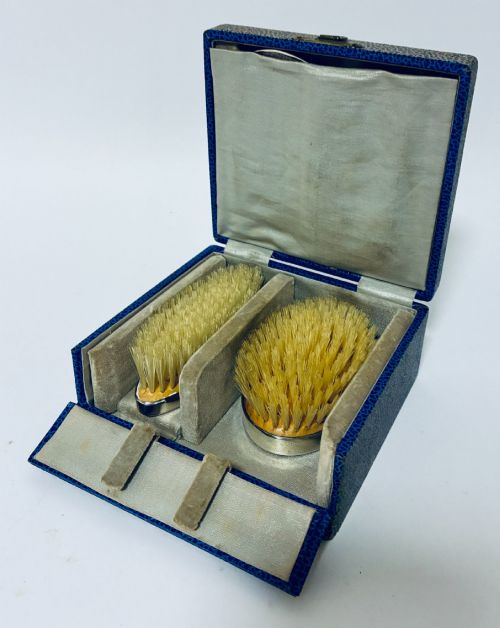
Buyers also encounter larger travelling vanity cases, fitted boxes with compartments, and specialised pill or stamp boxes. Materials range from solid sterling silver and brass to cut glass, satin glass, and wood.
Materials and Technique
Silversmiths shaped sterling silver using techniques such as stamping, casting, and hand-hammering to create lids and mountings. Many containers combine this metal with heavy cut glass, moulded satin glass, or coloured enamel applied in guilloche patterns.
Makers integrated organic materials like tortoiseshell and velvet linings into metal frames to cushion delicate items. Hinges, clasps, and bezels were soldered or riveted by hand to secure glass bodies and hinged lids.
Some past owners kept emergency smelling salts tucked inside their vanity jars for sudden swoons during long carriage rides.
Craftsmanship and Weight
The distinction between standard containers and superior examples rests on the weight of the metal and the complexity of the decoration. Heavy cast silver mounts, crisp hallmarks, and intricate enamel work separate exceptional pieces from lighter, mass-produced items.
The clarity and depth of cut glass bases, alongside the intact preservation of fragile tortoiseshell and guilloche enamel, dictate the overall standard of the container. Maker marks from established firms indicate higher workshop standards.
A. J. Pepper & Co·Henry Clifford Davis·A. Bromet & Co·Mappin & Webb·Elkington & Co·William Neale & Sons·Henry Williamson Ltd·Edward Farrell·Deakin & Francis
The Vintage Silver Dressing Table Box Glossary
- Guilloche enamel
- A decorative technique where geometric patterns are engraved beneath translucent enamel. This method was widely used on Art Deco dressing table jars.
- Hallmark
- A series of official stamps applied to precious metals indicating the maker, assay office, and year of testing. These marks help verify the age and origin of silver items.
- Sterling silver
- An alloy consisting of ninety-two point five percent silver and seven point five percent other metals, usually copper. It provides the durable standard for British table boxes.
- Trinket box
- A small lidded container designed to hold rings, brooches, and other small personal items. They appear in diverse shapes including hearts and rectangles.
- Cut glass
- Glass decorated by cutting facets into the surface using a rotating wheel. This technique creates sparkling patterns on vanity jars and powder bowls.
Vintage Silver Dressing Table Box: Frequently Asked Questions
What were dressing table boxes used for?
These containers held small personal items such as rings, earrings, hairpins, and cosmetics on a bedroom vanity. They kept delicate accessories organised and protected from dust.
Wealthy households used matching sets of silver-lidded jars and velvet-lined caskets as part of daily grooming routines. Many items also functioned as travel cases for journeys.
How do I clean silver boxes?
Polish sterling silver components gently with a soft microfibre cloth and a specialised silver cleaner, avoiding any enamel, glass, or tortoiseshell inserts. Harsh abrasives will damage delicate metal surfaces and historical patinas.
Keep enamel and tortoiseshell dry, wiping them only with a clean, damp cloth. Proper care preserves the original finish without removing historical wear.
How can I date a silver box?
Check the interior or rim for British hallmarks, which include a date letter indicating the exact year of assay. Assay office marks, such as an anchor for Birmingham or a leopard head for London, provide further chronological clues.
Stylistic markers like geometric Art Deco patterns or flowing Edwardian motifs also help identify the era. Comparing the weight and construction style confirms the manufacturing period.
Are these boxes suitable for daily use?
Solid sterling silver and thick cut glass containers withstand regular daily handling when treated with reasonable care. Velvet linings and delicate enamel lids require a gentler touch to prevent scratches or chips.
Sturdy hinges and secure clasps make these historic pieces practical for holding modern jewellery. Placing them on soft vanity surfaces prevents accidental drops.