


Antique Sterling Trinket Case
An antique sterling trinket case is a small silver container for keepsakes, offering a glimpse into personal storage from the Georgian era to the mid-twentieth century.
Antique Sterling Trinket Case
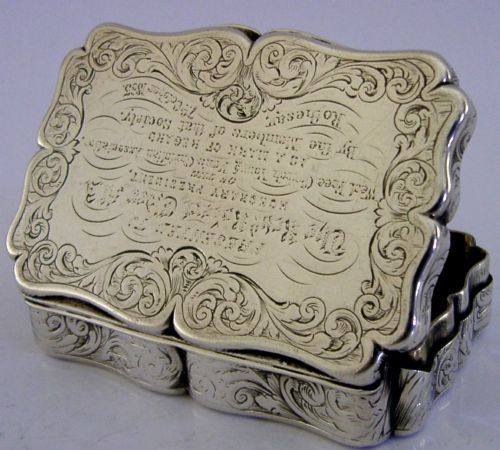
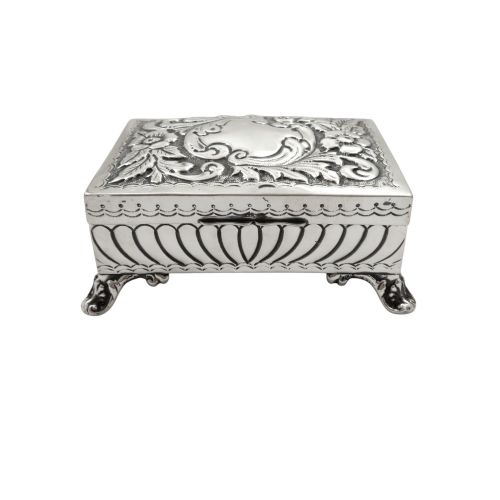
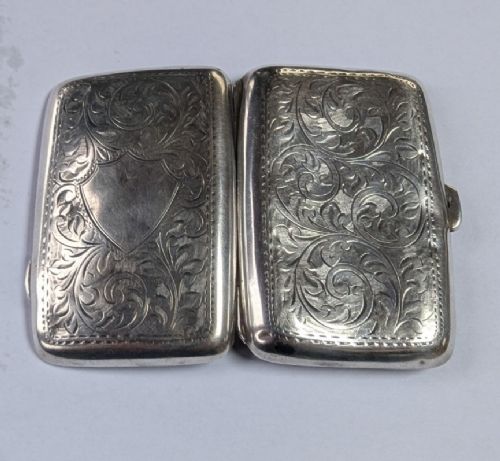
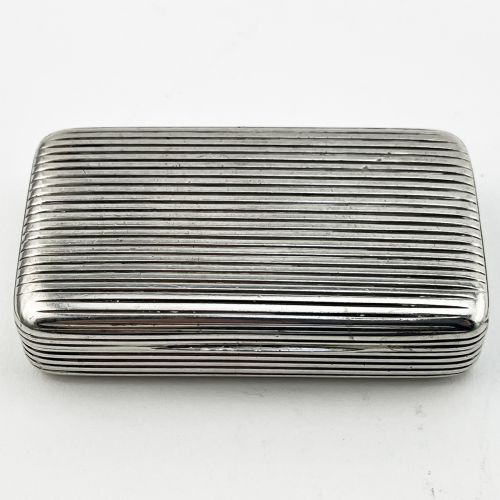
An antique sterling trinket case encompasses a variety of small silver containers designed to hold personal valuables, pills, cards, and small keepsakes. When searching this phrase, buyers encounter numerous forms spanning SNUFF BOXES, pill boxes, card holders, and fitted jewellery boxes.
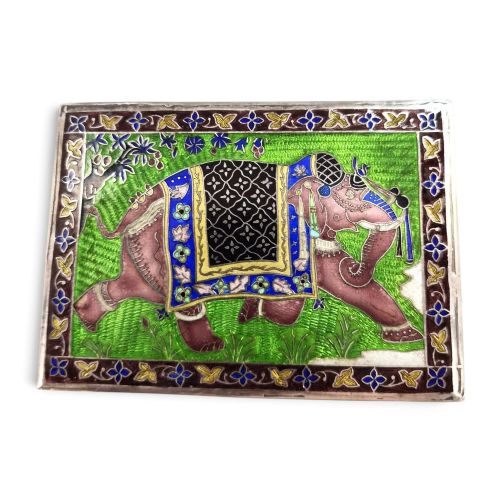
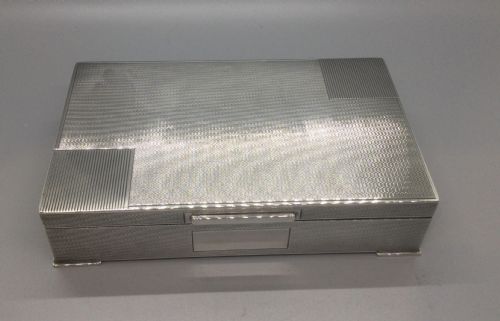
The selections available range from the Georgian period through the Victorian and Edwardian eras into the Art Deco style of the 1940s. Victorian examples appear frequently, alongside pieces representing George V and Indian colonial work.
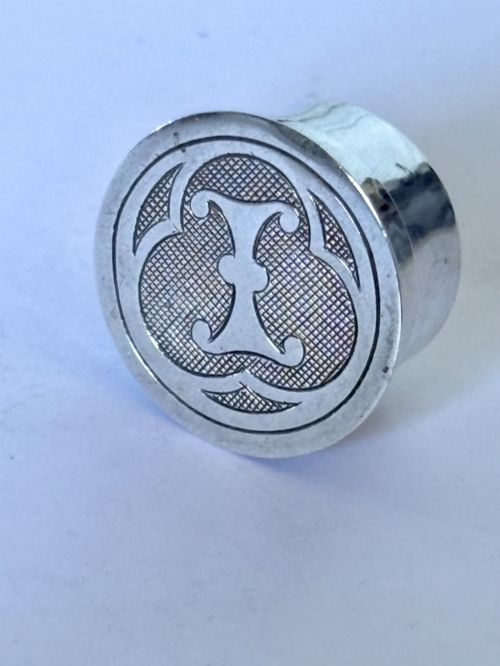
Beyond standard receptacles, the forms extend to specialised vessels like pyx boxes, cribbage boxes, and heart-shaped containers. Buyers primarily meet domestic English items alongside occasional pieces originating from Birmingham, London, and Scotland.
How they were made
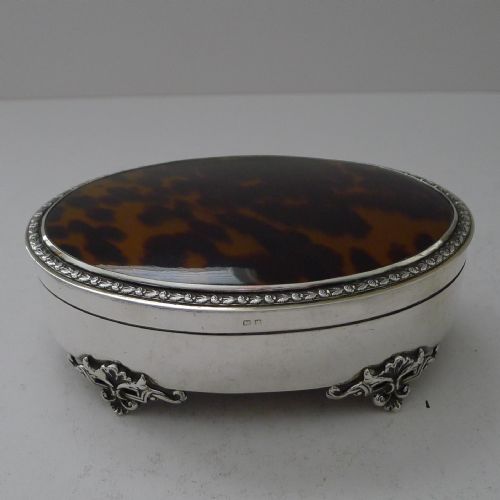
Sterling silver forms the primary structural material of these cases, frequently augmented by applied decoration in styles from Rococo Revival to Art Deco. Many examples incorporate organic and mineral elements, pairing the silver bodies with tortoiseshell lids, enamel panels, or inset amethysts.
Interiors often feature soft linings of velvet and satin to protect delicate contents such as jewellery or playing cards. Metalwork techniques unite silversmithing with specialist crafts like miniature enamelling and precision tortoiseshell fitting.
Listings feature items from the Georgian, Victorian, and Edwardian periods, extending through the 1920s and 1940s.
What varies in quality
The distinction between standard examples and superior pieces rests on the complexity of the silversmith's work and the integration of secondary materials. Cases combining sterling silver with genuine tortoiseshell or hand-applied enamel demand greater technical skill than plain metal containers.
Makers' marks, city assay offices, and date letters establish the provenance and add distinction to individual pieces. Fitted interiors lined in silk velvet also elevate the character of larger jewellery and travel boxes.
FA Barrett·Jane Brownett Alexander Jones·Matthew Linwood
The Antique Sterling Trinket Case Glossary
- Pyx Box
- A small round container historically used to carry the Eucharistic host, adapted in secular contexts for tiny keepsakes.
- Snuff Box
- A pocket-sized container fashioned for holding powdered tobacco, which forms a major portion of early silver box designs.
- Tortoiseshell
- The mottled brown material derived from the shell of certain marine turtles, used extensively as a lid veneer on Edwardian and Victorian silver boxes.
- Assay Office
- An official body that tests the purity of precious metals and stamps items with hallmarks indicating origin and year.
- Cribbage Box
- A specialised receptacle designed to hold playing cards and cribbage pegs, often rendered in silver during the late Victorian period.
Antique Sterling Trinket Case: Frequently Asked Questions
What did people keep in a sterling trinket case?
These small containers served diverse daily functions depending on their exact form and period. Common contents included snuff, pills, calling cards, rings, and small personal valuables.
Larger variations functioned as travel boxes for cigars or accommodated fitted trays for jewellery and card games.
How can I tell a Victorian box from an Edwardian one?
Dating relies primarily on the hallmarks stamped into the silver, which record the assay office, standard, and specific year letter. Consulting these official marks provides the exact year of manufacture.
Stylistic cues also help distinguish periods, as Victorian pieces often show ornate Rococo Revival motifs while Edwardian and later examples lean towards cleaner lines.
Are all these boxes made of solid silver?
The majority are constructed from sterling silver, adhering to traditional British standard purity measurements for precious metal objects. Certain examples incorporate structural wooden elements beneath silver cladding or combine the metal with tortoiseshell lids.
Inlaid materials and decorative enamel panels also appear alongside the silver bodies on specific decorative items.
How do I care for silver and tortoiseshell boxes?
Silver components benefit from gentle cleaning with a soft cloth to maintain the metal finish without wearing down engraved details or hallmarks. Tortoiseshell requires delicate handling to avoid scratches and should be kept away from excessive heat and direct sunlight.
Internal velvet and satin linings should be protected from moisture and dust to preserve the original fabric.