

Vintage Silver Cutlery Case
A vintage silver cutlery case holds fitted sets of spoons, forks or specialised serving tools from the Victorian, Edwardian and Art Deco periods.
Vintage Silver Cutlery Case
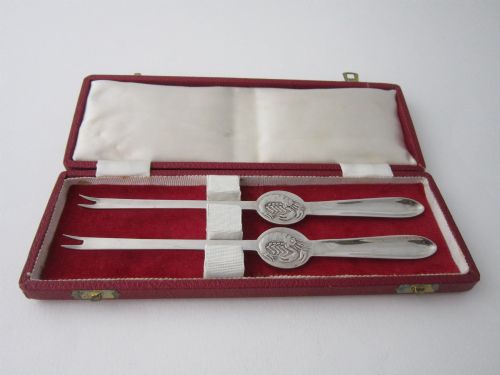
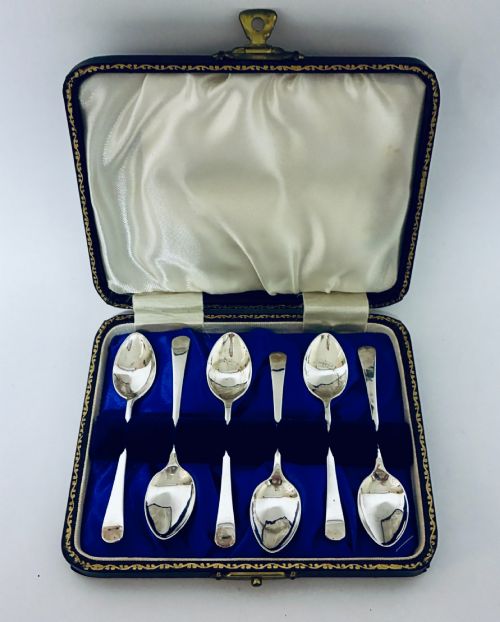
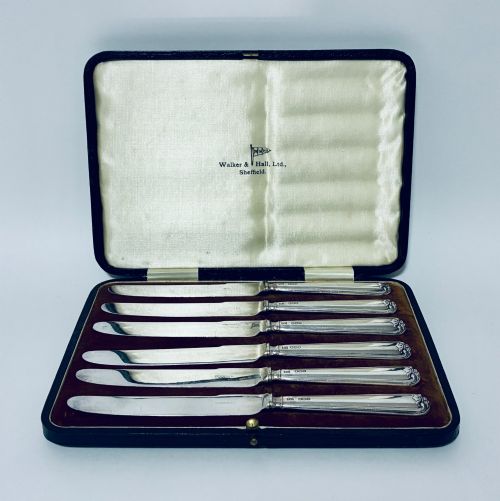
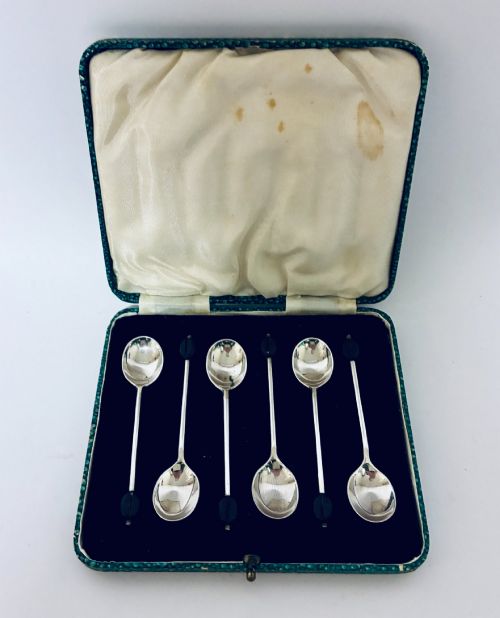
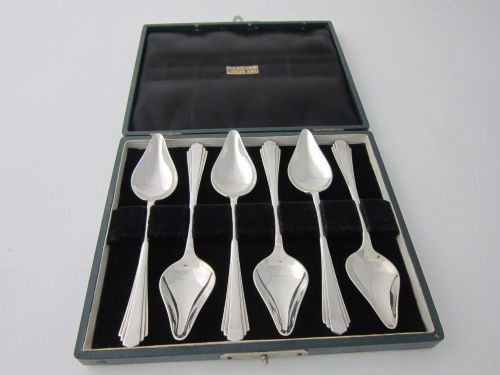
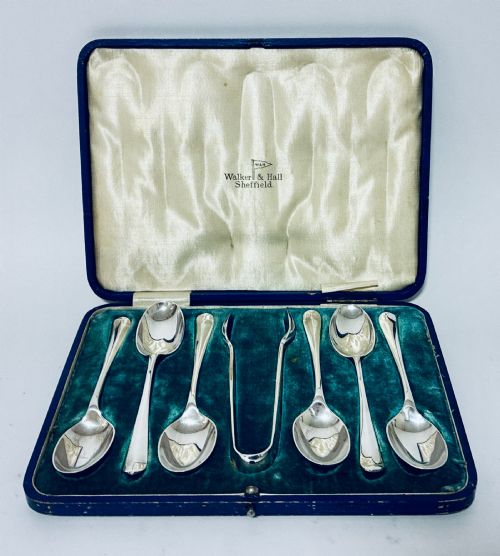
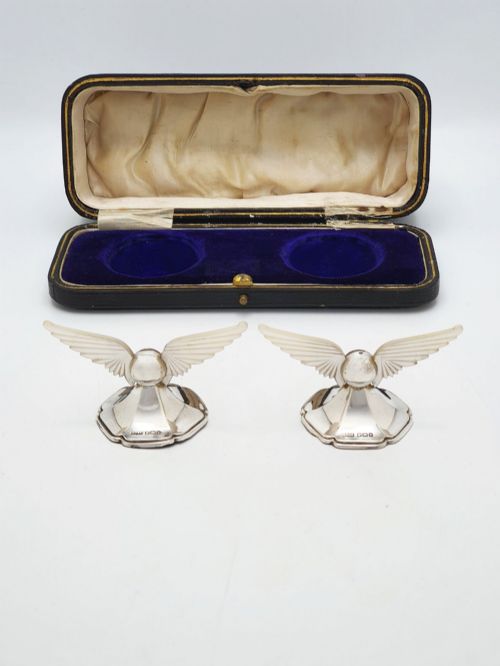
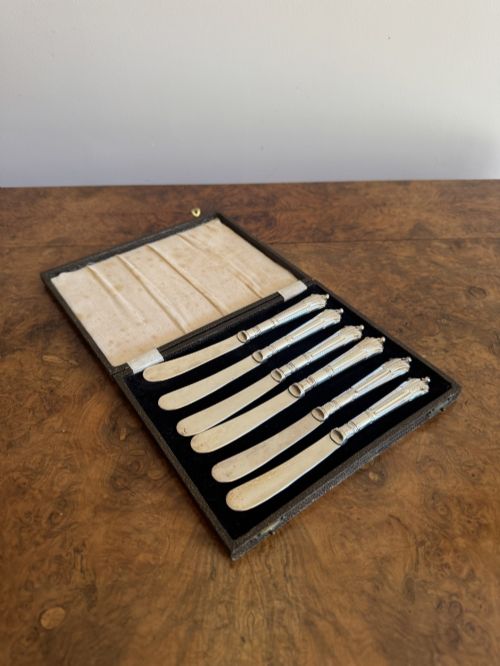
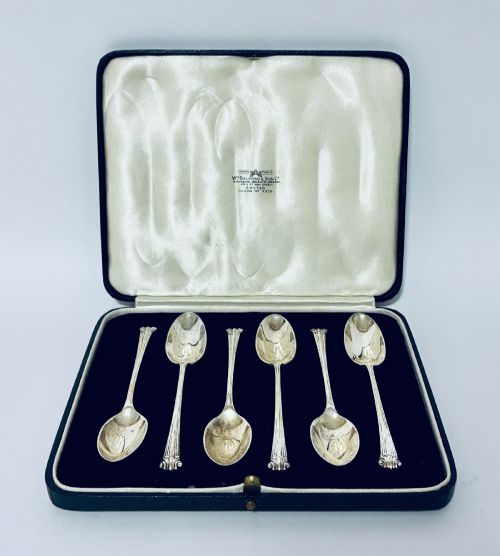
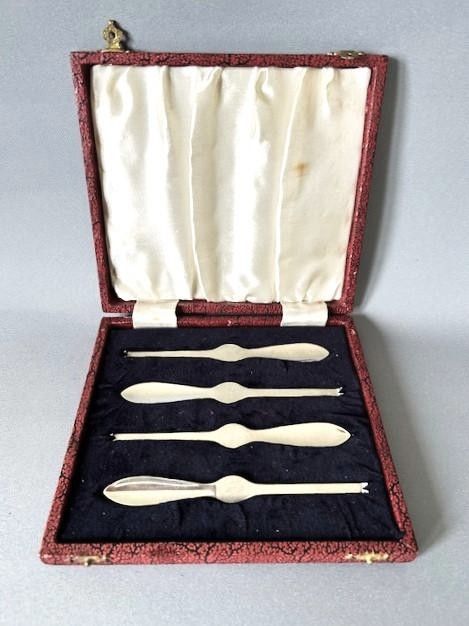
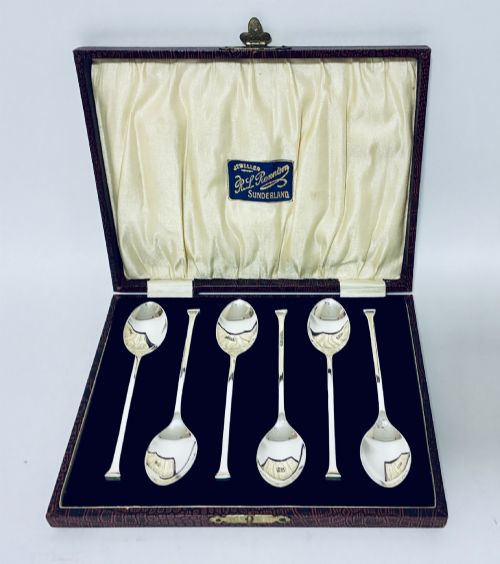
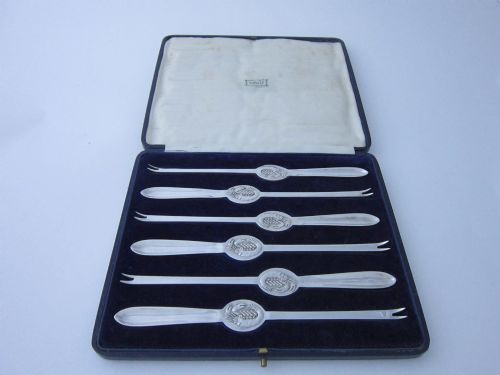
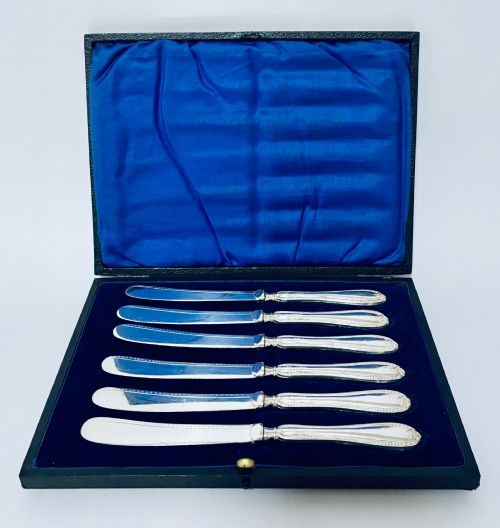
A vintage silver cutlery case organises specialised implements like teaspoons, lobster picks, butter knives and grapefruit spoons in fitted compartments. These pieces span from the mid-nineteenth century through the Edwardian era and into the Art Deco and mid-century periods.
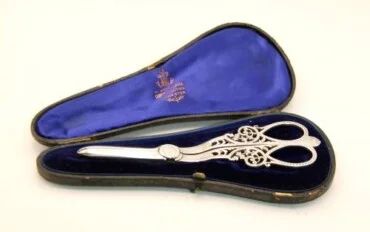
Buyers seeking a vintage silver cutlery case often encounter complete cased sets intended for fruit, seafood, or afternoon tea. The forms range from simple sets of coffee spoons to elaborate fish serving sets and grape shears housed in their original fitted boxes.
Materials and construction
Items within a vintage silver cutlery case combine sterling silver or silver plate with functional elements of steel, mother-of-pearl or antler horn. Handles are frequently formed from polished pearl or silver, while blades and prongs utilise durable steel.
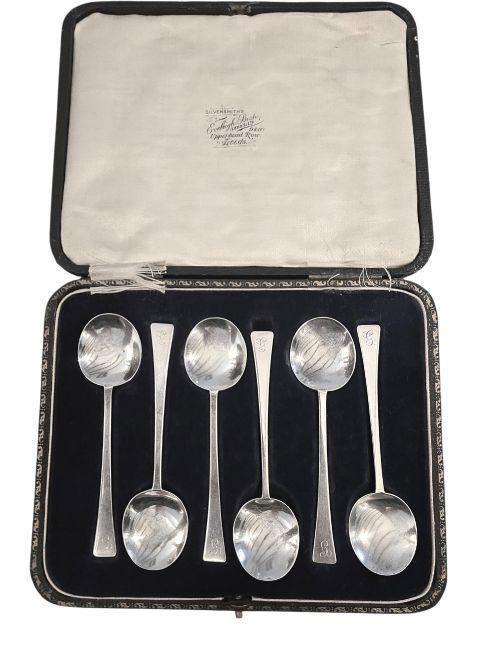
The interior linings of these protective boxes utilise tactile fabrics such as velvet, silk, satin and leatherette to cushion each specific utensil. Exterior cases are structured to cradle individual pieces tightly, preventing movement during storage and transport.
Vintage Silver Cutlery Case Retail Price Guide 2026
Typical asking prices for vintage silver cutlery case among the pieces listed under this phrase on Sellingantiques today, from the lower quarter to the upper quarter. They describe what is for sale here now, not the wider market.
Current listings feature velvet, silk and leatherette linings inside fitted boxes protecting sterling silver and silver-plated utensils.
Assessing quality and craftsmanship
Quality in these fitted sets rests on the crispness of the chased or engraved detail on the silver blades and handles. Deeper relief work on items like grape shears or fruit knives indicates a higher standard of silversmithing.
The integrity of the original housing also defines the piece, with well-preserved velvet or satin linings and intact exterior coverings holding greater significance. Matching sets where every individual spoon or pick shares identical hallmarks represent a more unified manufacture.
Deakin & Francis·Garrard·Suckling Ltd.·William Devenport·Harrods·Christofle
The Vintage Silver Cutlery Case Glossary
- Sterling silver
- An alloy containing 92.5 percent silver by mass, standard for quality British tableware.
- Silver-plate
- A base metal coated with a thin layer of silver, common in larger canteen sets.
- Hallmark
- Official stamps indicating the assay office, metal standard and date letter of an item.
- Silver-gilt
- Sterling silver that has been coated with a thin layer of gold on the surface.
- Lobster pick
- A narrow, pointed utensil designed for extracting meat from shellfish during formal dining.
Vintage Silver Cutlery Case: Frequently Asked Questions
What fits inside a cutlery case?
These fitted boxes contain specialised dining implements such as teaspoons, butter knives, fruit sets and seafood picks.
Many configurations pair specific utensils with matching serving pieces like sugar tongs or cake forks.
How do I date a silver case?
Dating relies on the official hallmarks stamped into the metal components of the cutlery and any accompanying paper labels inside the box lid.
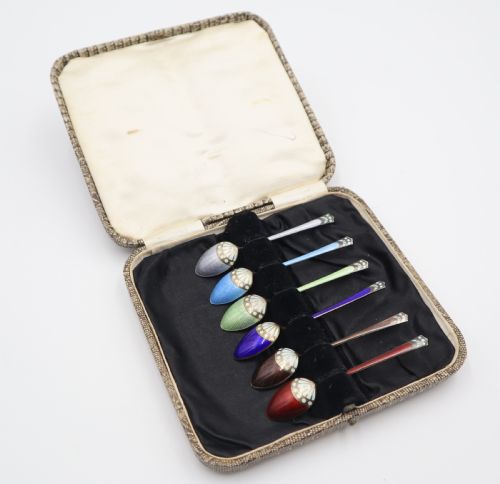
Stylistic indicators such as Victorian engraving or Art Deco enamel work also point to specific decades.
Are these cased sets for display?
The original boxes protect the fitted silver items while allowing them to be stored compactly on a sideboard or table.
Collectors often keep the utensils inside their lined compartments to prevent tarnishing and surface scratches.
What is silver-gilt cutlery?
Silver-gilt items feature a solid sterling silver base covered with a microscopic layer of real gold.
This treatment was frequently applied to ornate dessert or apostle spoons to enrich their decorative appearance.