



Vintage Silver Condiment Server
These vintage silver condiment servers bring grace to the table, offering clever ways to present sauces, mustards and relishes.
Vintage Silver Condiment Server
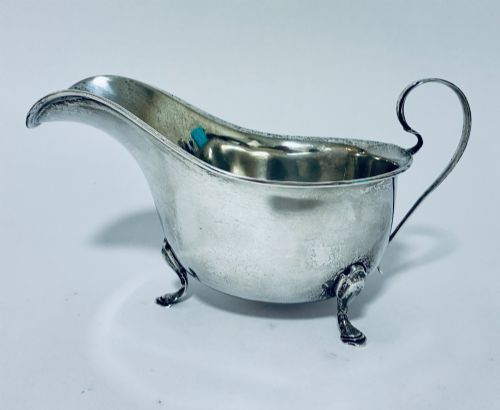
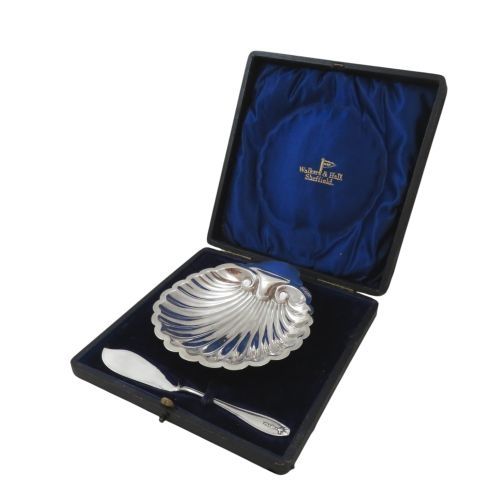
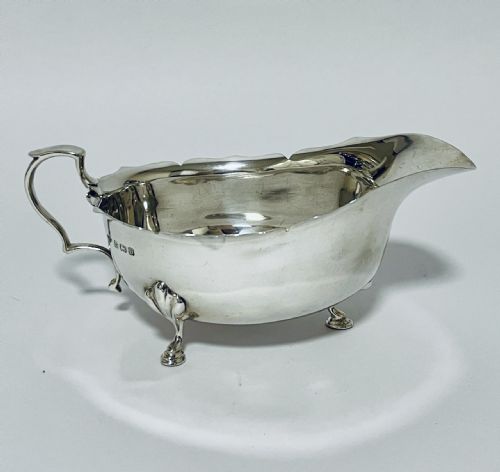
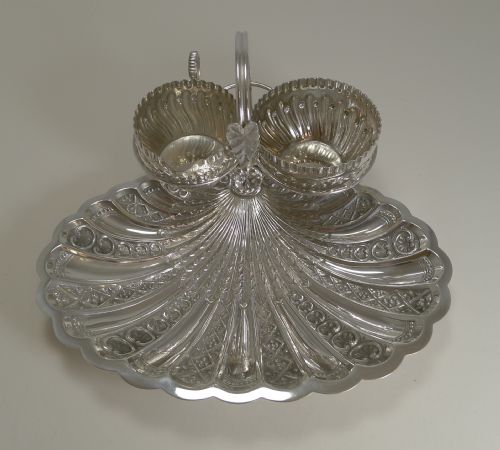
When you search for a vintage silver condiment server, you encounter a range of dining table apparatus spanning the Georgian era to the early twentieth century. These pieces include cruet sets, mustard pots, sauce boats and relish caddies designed to hold table seasonings.
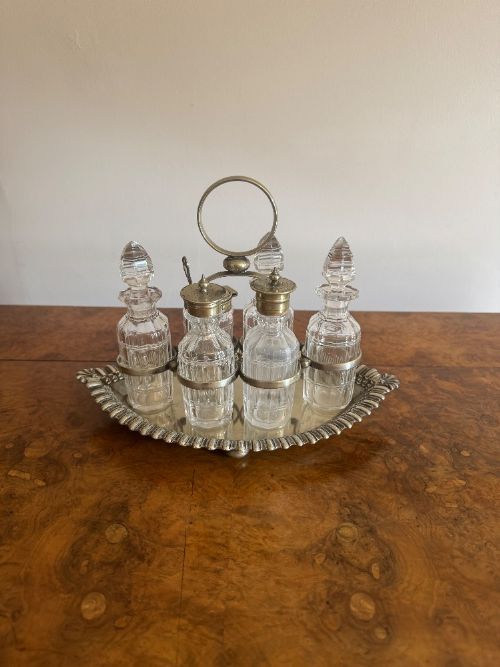
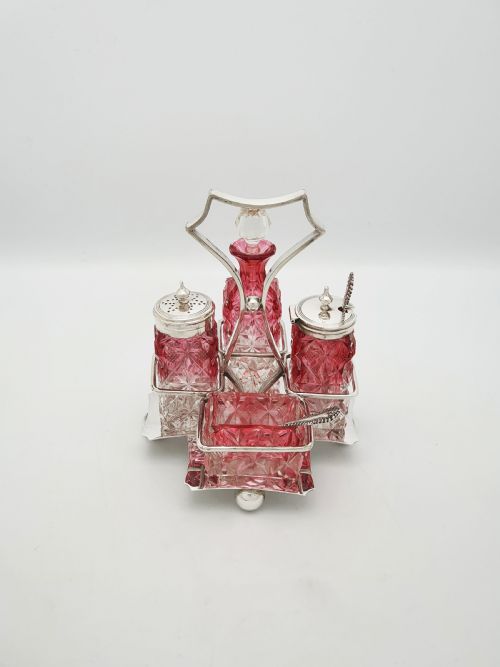
The most common versions met on this page are Edwardian silver plated cruet sets and individual silver mustard pots. Many pieces incorporate cut glass or cranberry glass liners held within metal stands, alongside dedicated forks and spoons.
How they were made
Silversmiths utilised sterling silver and silver plate over base metals, shaping stands and mounts through casting and stamping. Glass components were often mould-blown and hand-cut to fit frames precisely.
Makers integrated contrasting textures by pairing polished metal with cranberry glass, cut glass, velvet and silk inserts. Utensils such as pickle forks and butter knives were forged to match the specific serving vessels.
Some mustard pots take the form of miniature Asian pagodas, proving that breakfast table condiments once required architectural ambition.
What varies in quality
The distinction between standard tableware and exceptional work lies in the weight of the silver or plate and the crispness of the chased decoration. Superior items retain intact glass liners without chips and preserve the integrity of their original fitted cases.
Design attribution also elevates certain pieces, such as those conceived by notable designers or produced by established firms like Roberts and Belk and Elkington and Company. The complexity of the mechanism, from pagoda-shaped lids to multi-bottle cruet frames, dictates the standard of manufacture.
Roberts and Belk·Elkington and Company
The Vintage Silver Condiment Server Glossary
- Cruet set
- A matched collection of bottles or jars for holding condiments, usually mounted on a silver or silver plated stand. These sets often accommodate oil, vinegar, mustard and pepper.
- Sauce boat
- An open vessel with a lip and handle used for serving gravies or sauces at the table. Georgian and Edwardian examples typically rest on an attached or separate footed base.
- Cranberry glass
- A rich red-pink glass created by adding gold chloride to the molten batch during production. It frequently appears in late Victorian and Edwardian jam dishes and cruet inserts.
- Silver plate
- A layer of silver fused to a base metal such as copper or Britannia metal. This technique allowed manufacturers to produce elaborate tableware at a lower cost than solid sterling.
Vintage Silver Condiment Server: Frequently Asked Questions
How do I clean a silver condiment server?
Use a soft cloth and a specialised silver polish to remove tarnish from the metal elements. Avoid immersing glass or fabric components in harsh cleaning liquids.
Wash glass liners gently in warm soapy water and dry them completely before placing them back into the metal frames to prevent moisture damage.
How do I date a silver piece?
Examine the hallmarks or stamped marks on the metal, which indicate the assay office, maker and year of manufacture. Sterling pieces carry official town marks and date letters.
Stylistic indicators such as Aesthetic Movement engraving or Scandinavian Modern silhouettes also help narrow down the period of production.
Can I use missing glass liners?
Original glass liners are integral to the appearance and function of cruet sets and jam dishes. Replacements can be sourced, though finding the exact historical fit requires patience.
Displaying pieces with their correct period glass maintains their historical context and structural integrity.