
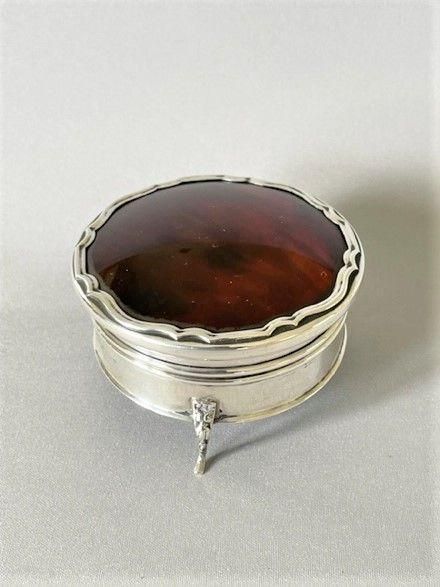
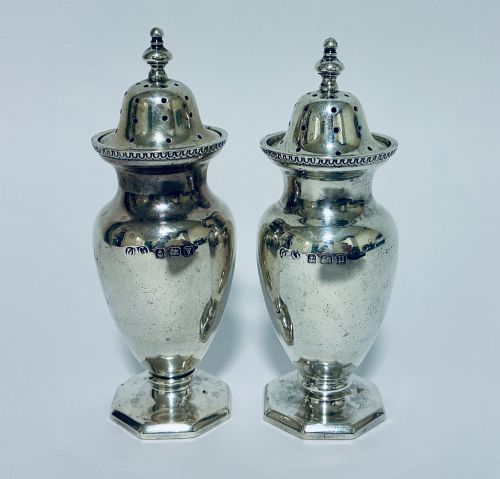
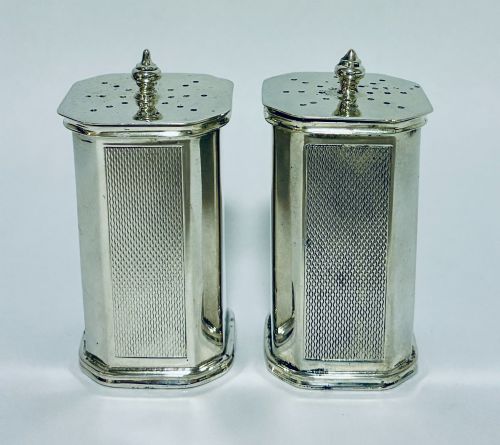
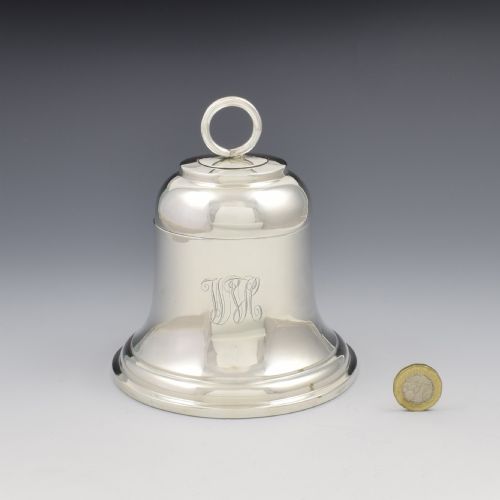


Georgian Style Silver Pot
These georgian style silver pot examples bring classic dining and desk forms into domestic use, carrying the revival aesthetics of later eras.
Georgian Style Silver Pot
When you search for georgian style silver pot, you are looking at table wares and desk accessories spanning mustard pots, pepper casters, inkwells, coffee pots, and gravy warmers. These items reflect classical eighteenth-century lines produced during later revivals, alongside pieces from earlier periods.
The selection on this page centres heavily on condiment containers such as mustard pots and pepper casters, alongside beverage vessels like coffee pots and caffe au lait pots. You will also encounter desk pieces like inkwells and argyle warming vessels, constructed in styles ranging from Edwardian and Victorian to George V and Art Deco iterations.
How they were made
Makers utilised solid sterling silver, silver plate, and Old Sheffield Plate, often combining the metalwork with glass liners in cobalt blue or paste glass. Certain forms incorporate additional materials such as wood and paste stones within brooch and pin variants.
Techniques relied on traditional silversmithing methods to achieve the symmetrical proportions, handles, and lids characteristic of the revival styles. These methods allowed workshops to replicate eighteenth-century elegance using the manufacturing standards of the nineteenth and twentieth centuries.
Materials recorded across the inventory include sterling silver, silver plate, Old Sheffield Plate, wood, cobalt blue glass, and paste glass.
What varies in quality
The distinction between ordinary and superior examples lies in the crispness of the chasing, the weight of the metal, and the harmony of the proportions. Heavier gauge silver and well-defined cast mounts elevate a piece above thinner, stamped alternatives.
The presence of original components, such as matching cobalt blue glass liners in mustard pots or clear hallmarks identifying specific makers and assay offices, marks out the more distinguished items in this category.
Charles Stuart Harris·Viners·Elkington and Co
The Georgian Style Silver Pot Glossary
- Argyle
- A vessel designed to keep gravy warm by means of a heated water compartment in the base. This ensures fat does not congeal during service.
- Caster
- A small container with a pierced lid used for sprinkling dry seasonings like sugar or pepper over food. They typically feature domed or bell-shaped tops.
- Old Sheffield Plate
- A composite material made by fusing a thin sheet of silver to a thicker copper base. This technique preceded modern electroplating.
- Sterling silver
- An alloy consisting of pure silver and other metals, usually copper, to increase durability. British pieces commonly bear a lion passant mark to indicate this standard.
- Condiment set
- A matched collection of vessels holding seasonings such as mustard, pepper, and salt for the dining table. They are frequently housed in fitted presentation cases.
Georgian Style Silver Pot: Frequently Asked Questions
What is a georgian style silver pot?
These items are table and desk vessels modelled on eighteenth-century designs, produced during Victorian, Edwardian, and later revival periods.
They include mustard pots, pepper casters, coffee pots, and inkwells that replicate the classical urn and pedestal shapes of the Georgian era.
How do I identify a mustard pot?
A mustard pot is a small lidded vessel, often featuring a cutout in the lid for a spoon and a handle at the side. Many examples contain a removable glass liner.
They are usually accompanied by matching spoons and form part of larger condiment sets for table service.
What is Old Sheffield Plate?
Old Sheffield Plate is an early form of plated metal created by fusing silver to a copper core before shaping the item. You can sometimes spot a thin line of copper showing where the edges meet.
This method differs from later electroplating by offering a richer depth of silver over the base metal.
How should I clean silver pots?
Silver vessels require gentle cleaning with a specialist silver polish and a soft cloth to remove tarnish without scratching the surface. Avoid abrasive materials that wear down thin plating.
Removable glass liners should be washed separately in warm soapy water before being replaced inside the metal frame.
How do I date these pieces?
Dating relies on hallmarks stamped into the metal, which indicate the assay office, the year of production, and the silversmith's mark. Stylistic clues also help distinguish original pieces from later revival items.
Consulting standard date letter charts allows you to trace the exact year a British silver piece was certified.