
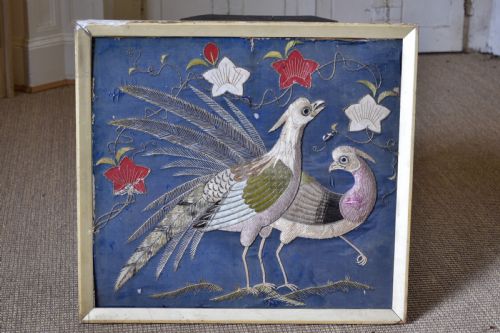
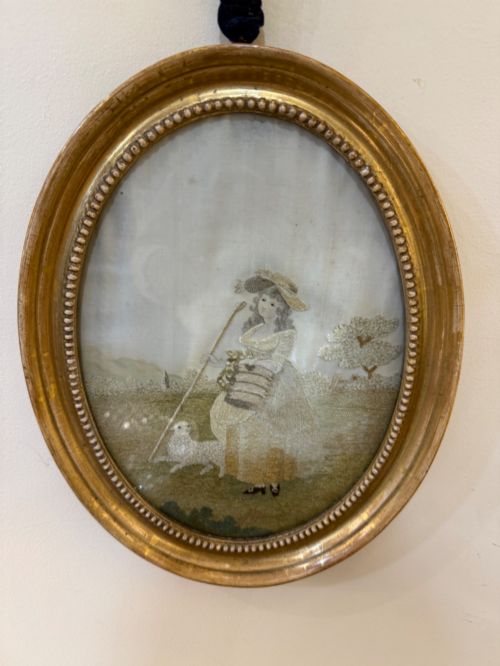
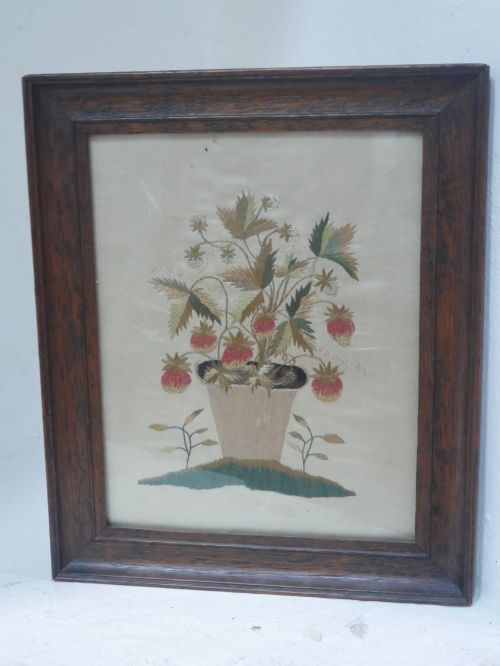
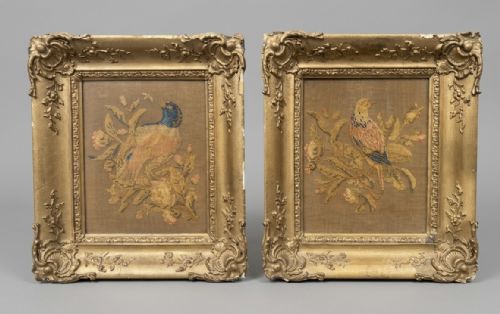
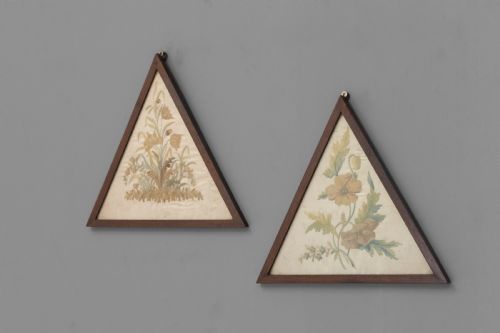


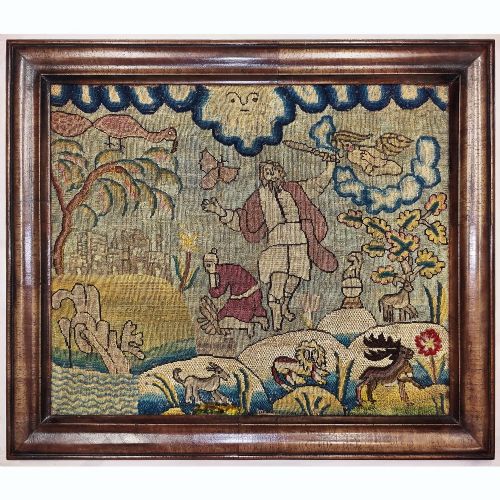


Vintage Silk Embroidery Picture
These vintage silk embroidery picture examples bring tactile colour and historic handwork to a wall, offering delicate needle artistry from past centuries.
Vintage Silk Embroidery Picture
A vintage silk embroidery picture brings together fine textile art and historic needlework framed for display. When searching for a vintage silk embroidery picture, buyers encounter various forms including floral studies, birds, and figured scenes originating from different periods.
The selection on this page spans several centuries, running from seventeenth-century Stuart works through eighteenth-century English needlework and nineteenth-century samplers. Pieces range from small framed panels to large decorative textiles and Chinese silk table screens.
Traditional needlework samplers and botanical studies dominate the domestic examples, whilst bird panels and garden scenes represent the wider international influences found in these textile artworks.
Materials and construction methods
Makers utilised silk thread, wool, and linen as the foundational textile elements for these framed works. Fine stitching creates the pictorial details, often combined with painted watercolour elements on specific panels.
Original framing frequently involves glass and wood, including giltwood and gilt wood surrounds that protect the delicate fabric within. Crewel work and needlepoint techniques demonstrate the varied stitching methods employed by the makers.
Ann Hodson and Mary Mason stitched their ages and completion dates into their samplers, leaving quiet personal milestones preserved in silk.
Judging quality in textile art
The refinement of the stitchwork and the complexity of the pictorial composition determine the distinction between standard and superior pieces. Finer thread tension and intricate colour shading elevate the visual impact of a needlework picture.
The preservation of the silk threads and the originality of the historic frame contribute significantly to the standing of an individual piece. Intricately carved stands and period gilt frames add structural integrity and context to the textile.
Ann Hodson·Mary Mason
The Vintage Silk Embroidery Picture Glossary
- Crewel work
- Embroidery executed in wool or silk on a linen or cotton ground. This technique often produces textured surface relief in historic panels.
- Needlework sampler
- A piece of fabric showcasing various stitches and alphabets, traditionally worked by young practitioners. Dated examples often record the maker's age and year of completion.
- Chinoiserie
- European artistic style reflecting Chinese motifs and decorative traditions. This aesthetic appears across several of the listed pictorial panels.
- Needlepoint
- Embroidery stitched onto a stiff open-weave canvas ground. The technique completely covers the foundation fabric to form dense pictorial designs.
Vintage Silk Embroidery Picture: Frequently Asked Questions
How are these framed pictures best hung?
Keep textile artworks away from direct sunlight to protect the delicate silk threads from fading over time. Stable indoor humidity levels help preserve the integrity of both the fabric ground and the wooden frame.
Ensure wall fixings match the weight of the framed piece, particularly for larger examples housed in heavy gilt wood surrounds.
What periods do these embroideries cover?
The listings encompass works stretching from the seventeenth century through the eighteenth and nineteenth centuries up to the early twentieth century. Georgian and Victorian examples appear frequently alongside earlier Stuart and later Japanese pieces.
Each period brings distinct stylistic traits, from structured educational samplers to fluid naturalistic bird studies.
Are the frames original to the pieces?
Many items retain period frames such as giltwood surrounds or carved wooden stands that complement the age of the textile. Examining the backing and the joinery helps determine whether a frame has accompanied the embroidery for generations.
Some panels may have been reframed later in their lifespan to ensure ongoing protection behind glass.
How do I identify a needlework sampler?
Samplers typically display alphabets, numerical sequences, and rows of varied stitching techniques arranged in formal grids. Many examples include stitched signatures, dates, and the age of the maker, such as works by young scholars.
These educational pieces served to demonstrate needle skills rather than purely decorative function.