



Antique Needlepoint Painting
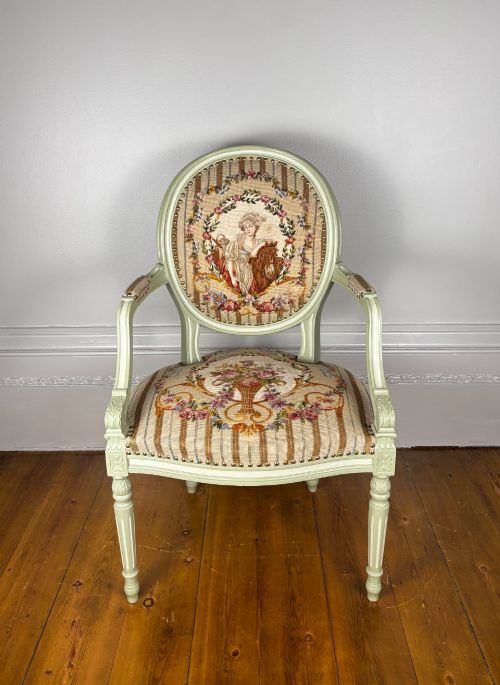
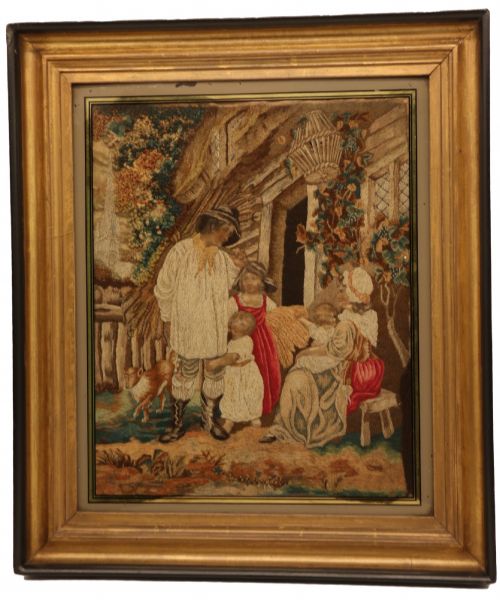
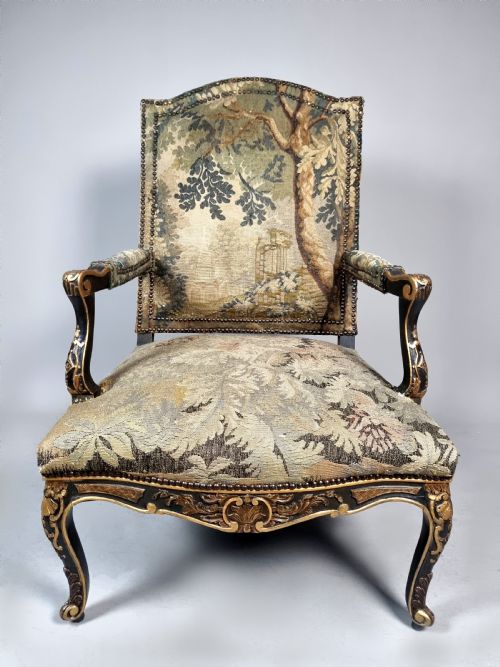
These antique needlepoint painting pieces combine wool tapestry and painted wood to form armchairs, stools, and framed artwork.
Antique Needlepoint Painting
When you search for antique needlepoint painting, you encounter a selection of seating and wall art that merges textile work with painted surfaces. These items bridge the gap between functional furniture and decorative panels.
The pieces on this page span the eighteenth and nineteenth centuries, alongside a few early twentieth-century examples. You will most frequently find armchairs, stools, and framed artworks featuring needlework panels.
Origins stretch across English, French, and Italian workshops, reflecting regional preferences in upholstery and woodwork. Georgian and Victorian periods provide the bulk of the domestic seating.
How they were made
Wood serves as the primary structural material for frames and chair bodies, often shaped into Rococo or Neoclassical styles before receiving a painted finish. Artisans applied paint directly to carved wood, sometimes incorporating Chinoiserie motifs.
Needlepoint and wool tapestry panels provide the decorative surfaces for seats and wall art. These textiles work alongside painted silk and watercolour elements to create textured visual depth.
Glass frequently protects framed needlework and painted pictures, while brass accents occasionally appear on hardware and fittings.
Antique Needlepoint Painting Retail Price Guide 2026
Typical asking prices for needlepoint painting among the pieces listed under this phrase on Sellingantiques today, from the lower quarter to the upper quarter. They describe what is for sale here now, not the wider market.
Materials span wood, tapestry, glass, paint, wool, and brass.
What varies in quality
The refinement of the carved woodwork distinguishes standard seating from exceptional examples. Finer pieces display crisp hand-carved details on frames that retain their original painted surfaces.
The tightness and complexity of the needlepoint stitch determine the visual success of the textile panels. Petit point work offers greater detail than coarser wool embroidery.
Cohesion between the painted wooden frame and the integrated needlework panel dictates the overall character of each piece.
Whytock and Reid
The Antique Needlepoint Painting Glossary
- Needlepoint
- A type of canvas work embroidery stitched with wool or silk threads. It forms durable pictorial panels used on chair seats and wall hangings.
- Petit point
- A fine needlepoint executed on a high-count canvas with small stitches. This technique allows for intricate shading and facial detail in pictorial scenes.
- Chinoiserie
- A European decorative style influenced by Chinese artistic traditions. It manifests in painted furniture through imagined oriental landscapes and figures.
- Tapestry
- A thick textile woven on a loom or worked by hand with pictorial designs. These heavy fabrics provide both warmth and decoration.
Antique Needlepoint Painting: Frequently Asked Questions
What is needlepoint painting?
Needlepoint painting describes pieces that combine stitched wool tapestry panels with painted wooden frames or watercolour elements. The term encompasses both framed wall art and upholstered furniture.
Craftsmen integrated textiles and painted surfaces to create decorative items popular in elite interiors during the eighteenth and nineteenth centuries.
How do I care for needlepoint?
Protect wool needlepoint panels from direct sunlight to prevent the natural dyes from fading over time. Keep them in stable humidity conditions to preserve the integrity of the fibres.
Dust wooden frames gently with a dry cloth and avoid harsh chemical cleaners on both the paintwork and the textile surfaces.
Are these pieces French or English?
The inventory includes items from both origins, alongside Italian examples. French pieces often showcase Louis styles and delicate carved frames.
English pieces frequently reflect Georgian or Victorian cabinet-making traditions, utilising painted wood alongside traditional wool tapestry.
Where were stools used?
Needlepoint stools served as movable seating in drawing rooms and parlours. They functioned as footstools or occasional seats near firesides.
Their decorative painted frames and detailed embroidery allowed them to complement larger armchairs within a unified interior scheme.