




19th Century Embroidery Art
These 19th century embroidery art pieces bring needlework samplers, pictorial wool works, and global textiles into interiors through skilled handwork.
19th Century Embroidery Art
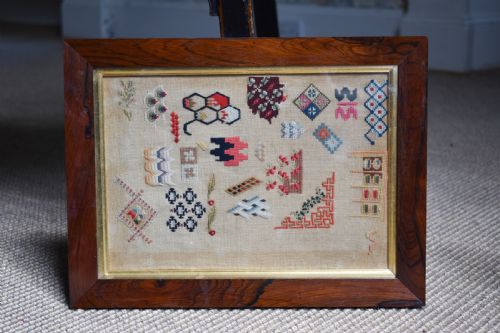
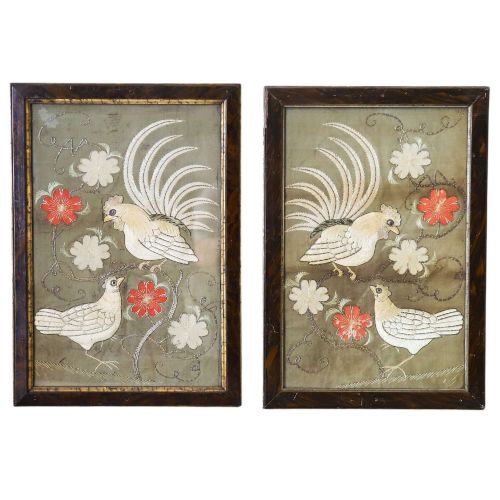
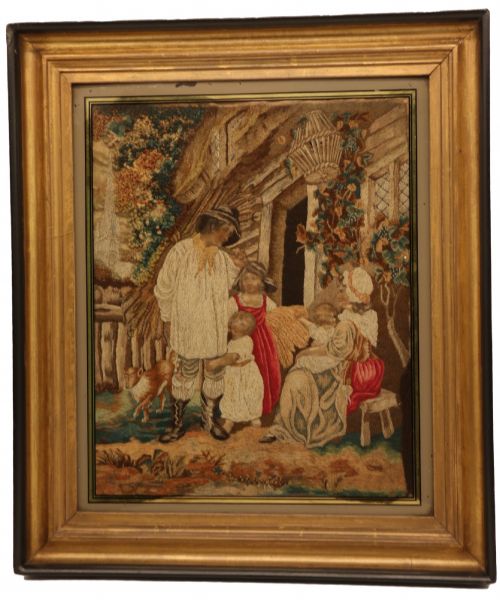
When you search for 19th century embroidery art, you encounter a diverse range of textiles spanning European samplers, pictorial silk works, and Central Asian wall hangings. These items include schoolgirl alphabet samplers, detailed wool work pictures known as woolies, and regional embroideries from Greece, Sweden, and the Ottoman Empire.
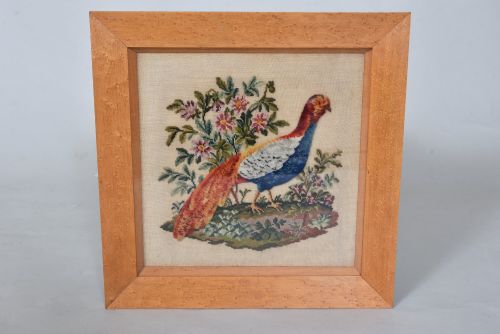
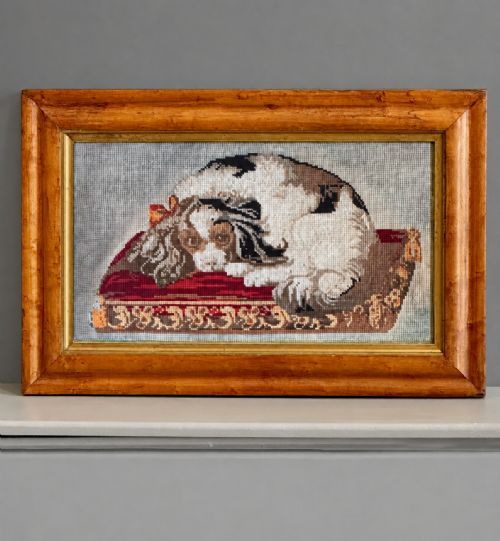
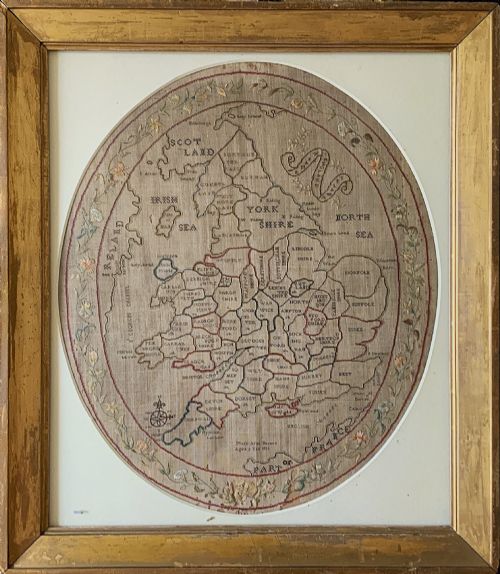
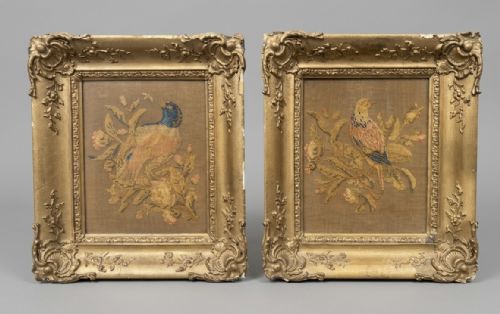
The pieces on this page heavily feature Victorian domestic needlework alongside Georgian works and tribal pieces from Central Asia. Buyers regularly find framed needlepoint pictures depicting animals, maps, and figures alongside larger fragments and ceremonial garments.
Originating from domestic settings, schools, and distant workshops, these textile artworks reflect both the structured education of young girls and the skilled traditions of global artisans. Each piece serves as a physical record of nineteenth-century needlecraft, preserved behind glass or mounted in period frames.
How these embroideries were made
Maker execution relies on natural fibres including silk, wool, and cotton stitched onto foundational grounds of linen, canvas, or cotton. Threads were often hand-dyed, producing rich colour variations across Berlin work, plushwork, and gros point needlepoint.
Many pictorial works combine textile techniques with other media, integrating hand-painted silk elements and watercolours directly into the composition. Samplers utilise counted-thread stitching to record alphabets, genealogies, and maps with exact geometry.
Framing methods form an integral part of the construction, utilising burr maple, faux tortoiseshell, gilt surrounds, and verre églomisé glass panels to protect the delicate needlework within.
The inventory bridges domestic European education samplers with vibrant Central Asian tribal garments and wall hangings.
What varies in quality
Quality separates through the complexity of the stitch work and the precision of the design execution. Elaborate shading in woolies and detailed silk embroidery demonstrate superior hand skill compared to basic instructional samplers.
The preservation of the original ground material and the vibrancy of the thread determine the overall integrity of the piece. Superior examples retain their original frames, such as burr maple or verre églomisé glass, which protect the textile from environmental degradation.
The 19th Century Embroidery Art Glossary
- Sampler
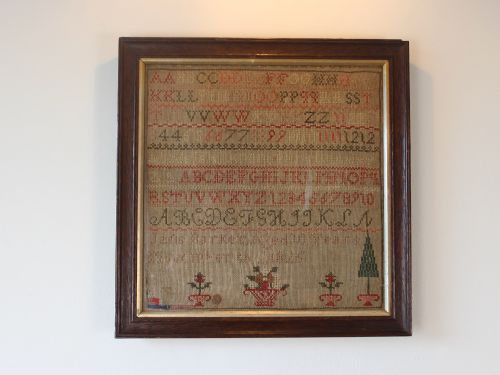
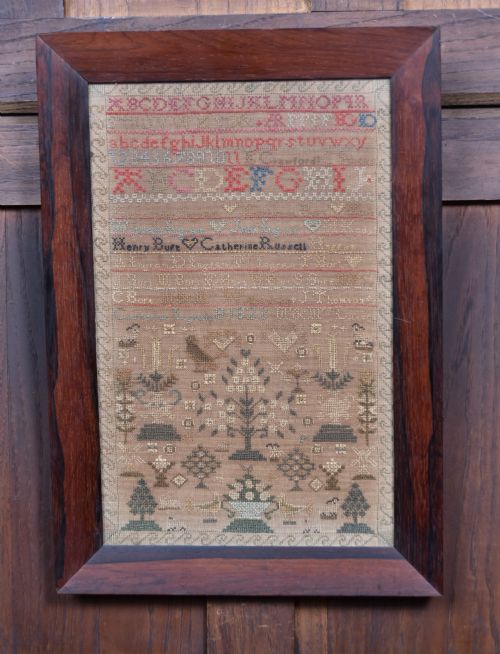
- A piece of needlework produced as a demonstration or test of skill in various stitches. These often display alphabets, numbers, and pious verses.
- Berlin work
- A type of needlepoint embroidery popular during the nineteenth century. It utilised charted patterns printed on squared paper and coloured by hand.
- Woolie
- A form of embroidered textile art made by nineteenth-century sailors. These pictures typically depict naval ships using coloured wool yarns.
- Suzani
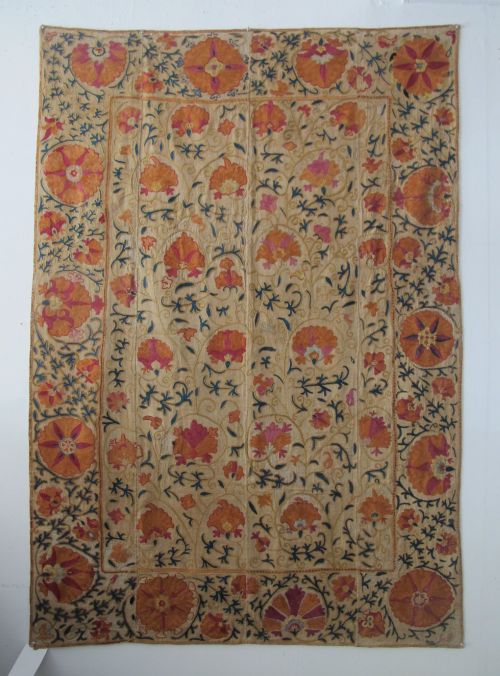
- A type of embroidered and decorative tribal wall hanging made in Tajikistan, Uzbekistan, and other Central Asian nations. They traditionally feature large floral motifs worked in silk thread.
- Verre églomisé
- A process of applying a design and gold or metal leaf onto the reverse side of glass. This technique creates a decorative mirror-finish frame border.
19th Century Embroidery Art: Frequently Asked Questions
How were schoolgirl samplers used?
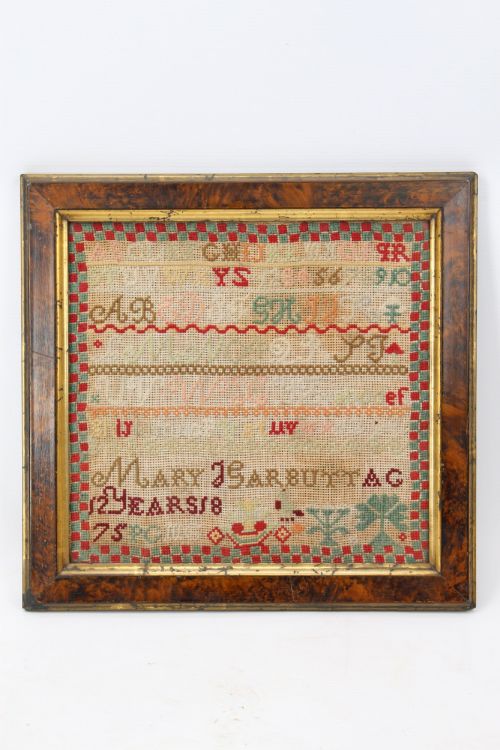
Schoolgirl samplers functioned as educational exercises designed to teach young girls various stitching techniques, alphabets, and numbers. Pupils often included their age and the date of completion upon the linen ground.
Once finished, these textiles were typically framed and displayed in domestic interiors as evidence of a proper upbringing.
What are Central Asian suzanis?
Central Asian suzanis are large, heavily embroidered wall hangings traditionally produced in countries like Uzbekistan. Artisans used silk thread on cotton or linen grounds to create bold botanical motifs.
Nomadic and sedentary communities utilised these textiles as dowry items, interior decorations, and ceremonial coverings.
How do you date a needlework piece?
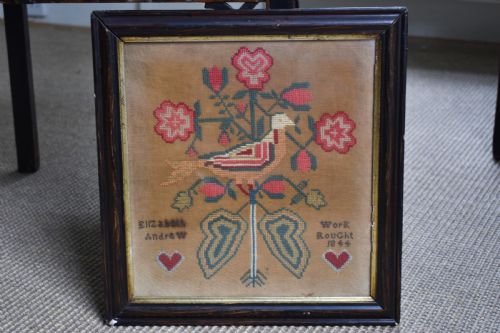
Dating nineteenth-century needlework relies on analyzing the stitched dates, maker signatures, and stylistic indicators such as frame types and materials. Samplers frequently display explicit years alongside the maker's age.
Comparative analysis of the threads, backing canvas, and framing methods helps confirm the production era when explicit dates are absent.