





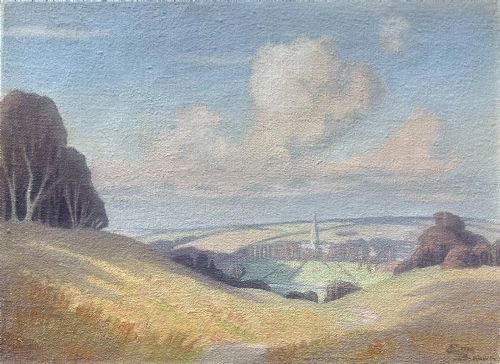
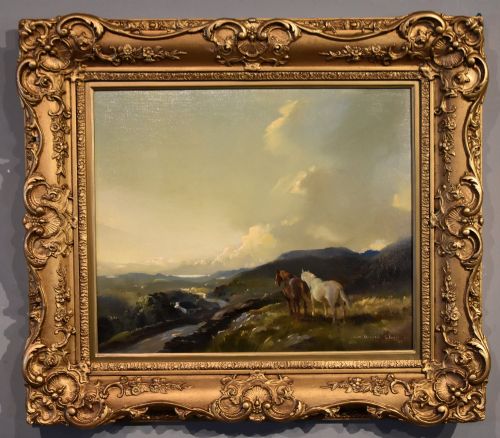
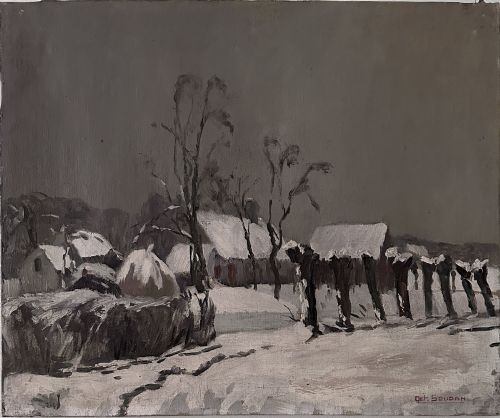
Vintage Signed Landscape Oil
These vintage signed landscape oil works capture rural and coastal vistas through personal artistic vision.
Vintage Signed Landscape Oil
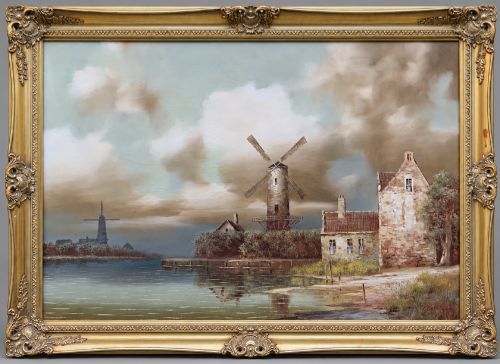
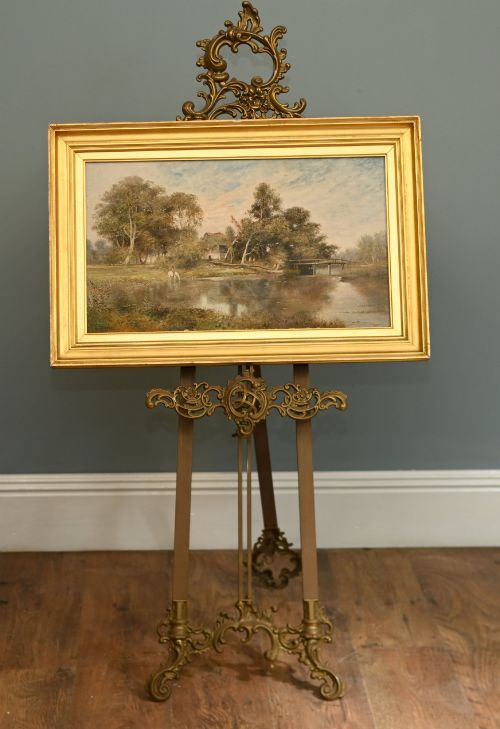
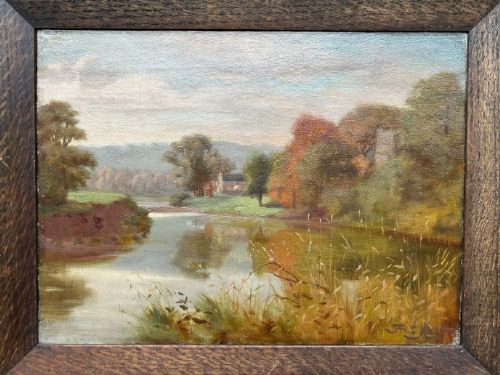
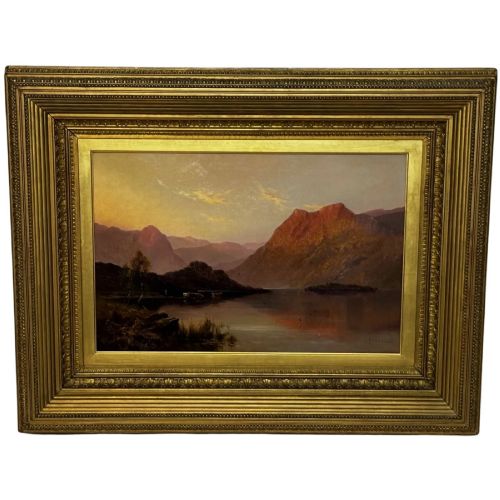
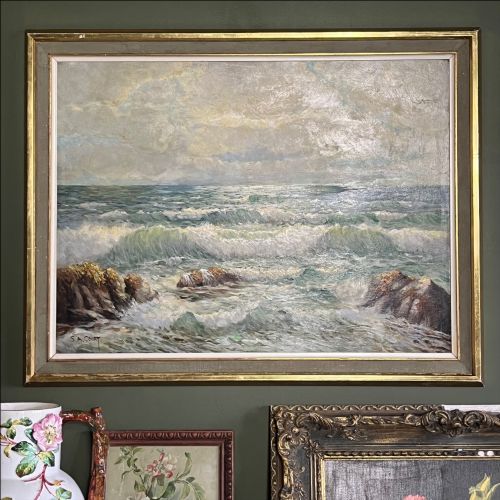
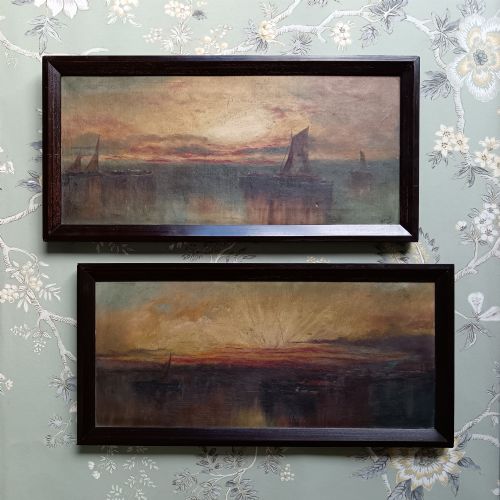
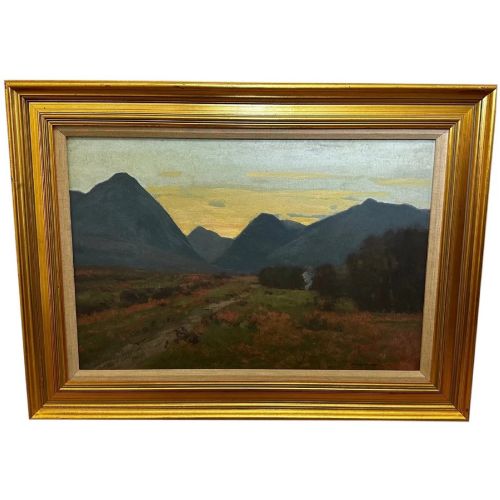
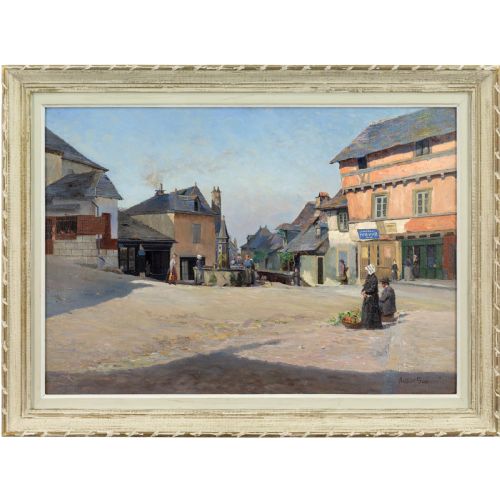
When searching for a vintage signed landscape oil, collectors encounter hand-painted rural, coastal and marine scenes created from the late nineteenth century through the mid-twentieth century. The selection spans diverse British, European and regional schools, featuring framed works bearing artist signatures.
Most pieces on offer date from the Edwardian era to the mid-century decades, executed on stretched canvas, wooden panels or thick boards. Subjects range from Scottish highlands and Yorkshire dales to quiet pastoral rivers and turbulent seascapes.
Buyers frequently find works showcasing impressionist brushwork, en plein air studies and traditional academic compositions. Each painting offers a distinct window into past topography and historical artistic technique.
How They Were Made
Artists applied oil paint composed of ground pigments suspended in drying oils onto prepared surfaces such as woven canvas, wooden panels or sturdy boards. These grounds often received a thin priming layer to prevent the oil binder from rotting the fabric or wood over time.
Brushes of various sizes applied the pigment, ranging from fine sable hairs for delicate detail to stiff hog bristle brushes capable of laying down heavy, textured impasto marks. Painters worked either inside studios from preliminary sketches or directly outdoors en plein air to capture transient natural light.
Finished surfaces were occasionally protected with a clear varnish layer to seal the pigment and impart a uniform gloss, though many surviving examples retain their original matte or gently aged varnish patinas.
Listings feature canvases, wood panels, and boards spanning the nineteenth century through the 1960s.
What Varies in Quality
The degree of artistic execution separates standard topographical records from exceptional masterworks, visible in the confidence of brushstrokes and the sophisticated handling of natural light. Superior pieces demonstrate a profound understanding of atmospheric depth and harmonious colour relationships rather than mere photographic replication.
The integrity and stability of the underlying support significantly influence overall merit, with properly tensioned canvases and warp-free wooden panels representing superior craftsmanship. Conservation history also matters, as untouched surfaces preserving original painterly textures hold distinct appeal compared to heavily restored examples.
Kenneth Cozens·R Leyton·William H Myers·Tom Campbell·Frederick Marriott·Alfred Fontville de Breanski Jr·Sidney A Court·B Nash·George Houston·Thomas W Lascelles·Arthur Gué·Bernard Benedict Hemy·Eric Brown·L De Gent·Vernon DeBeauvoir Ward·T Bergman·John Emms·Percy Hipkiss·W Matthews·Walter C Horsnell·H Thomas·F Sheppard·William B Dealtry·William Maxwell Reekie·David Woodford
The Vintage Signed Landscape Oil Glossary
- Canvas
- A closely woven fabric, typically linen or cotton, stretched across a wooden frame to serve as a rigid painting support. It provides a classic textured surface for oil applications.
- Impasto
- A technique where oil paint is laid thickly on the surface, standing out appreciably from the canvas. This method creates tangible three-dimensional texture and catches physical light.
- En plein air
- The act of painting outdoors to capture direct observations of natural light and weather. This method was widely adopted by impressionist and twentieth-century landscape painters.
- Board
- A rigid flat substrate, often wood or compressed fibre, used as an alternative to stretched fabric. Many twentieth-century painters favoured it for its stability during outdoor sketching.
- Gilt
- A thin layer of gold leaf or metallic gold-coloured paint applied to frames. It enhances the visual presentation of historic landscape paintings.
Vintage Signed Landscape Oil: Frequently Asked Questions
How do I identify the date of a landscape oil painting?
Dating relies on stylistic clues, framing methods, and the physical characteristics of the canvas or board support. Signatures and dated inscriptions on the reverse often provide definitive chronological markers.
Examinations of artist registry records and biographical active periods help narrow down the decade of creation. Comparing the clothing of figures or architectural elements within the landscape also aids verification.
What is the difference between canvas and board supports?
Canvas consists of woven fabric stretched over a wooden wooden frame, offering slight give and a traditional textured weave. Board refers to rigid wood panels or composite sheets that provide a completely solid working surface.
Artists working outdoors often preferred boards for durability during transport. Both supports accommodate oil paint effectively but age with distinct physical characteristics.
How were these landscape paintings displayed historically?
These works were traditionally hung in domestic parlours, drawing rooms and country houses within ornate wooden frames. Frames often featured gilt mouldings designed to complement the tonal palette of the scene.
Display practices evolved from dense nineteenth-century salon hangs to more sparse mid-century arrangements. The frame acts as a visual boundary separating the painted landscape from the interior wall.
Where were most of these British and European scenes painted?
Painters travelled to rural locations such as the Scottish Highlands, Yorkshire dales, Welsh valleys, and coastal Cornish villages. Others captured European street scenes, Dutch frozen waterways, and Mediterranean coastal ports.
These sites were chosen for their scenic topography and changing natural light conditions. Artists set up portable easels on location before finishing details inside their studios.