


Original Oil Painting Board
These original oil painting board works bring rich texture and lasting pigment to your walls.
Original Oil Painting Board
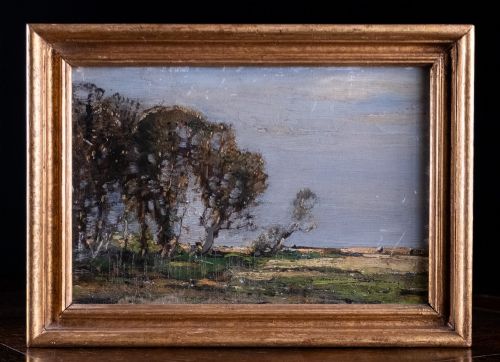
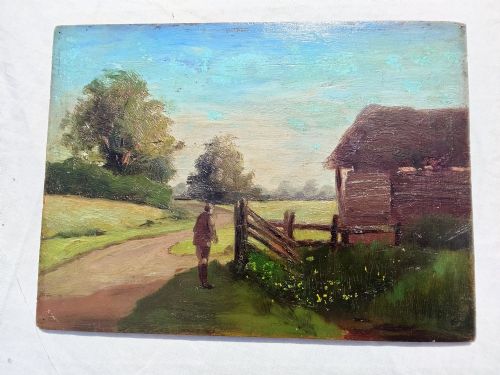
When searching for an original oil painting board, collectors encounter works executed directly on rigid wooden panels, compressed boards or canvas laid onto sturdy supports.
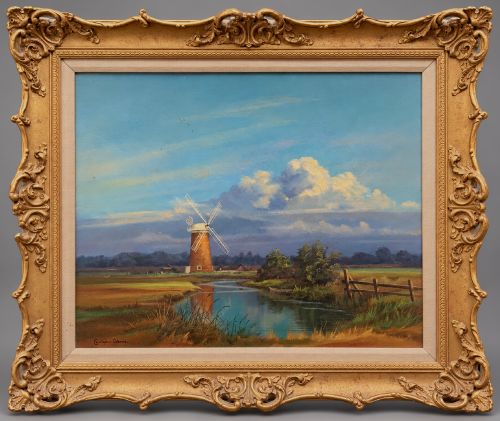
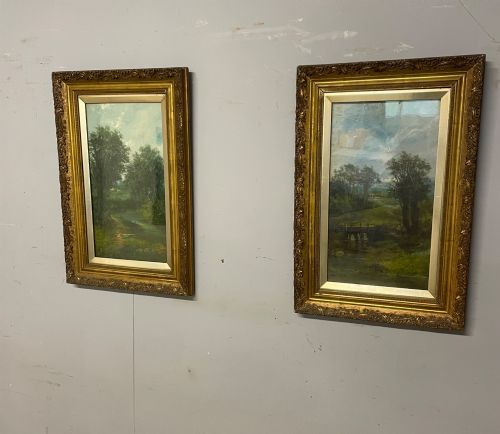
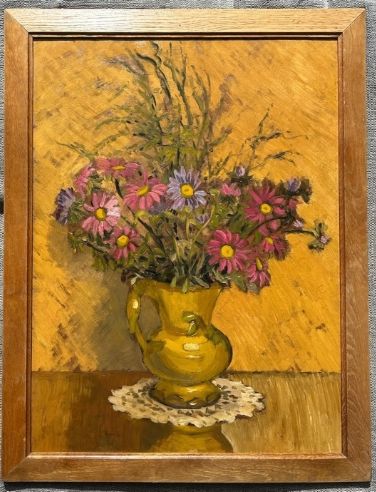
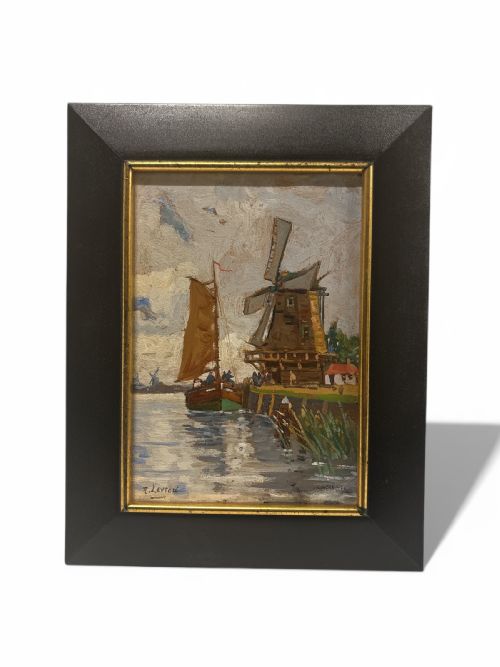
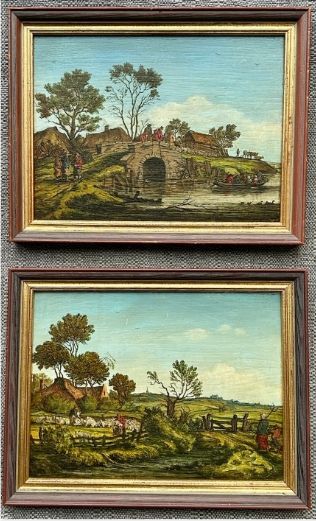
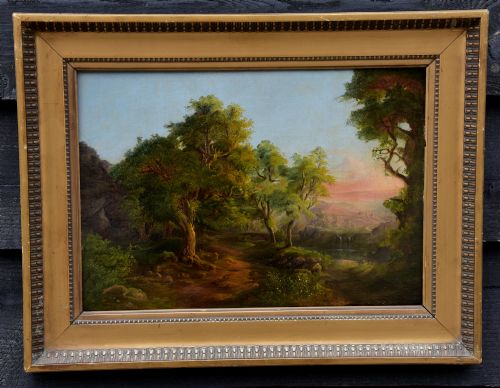
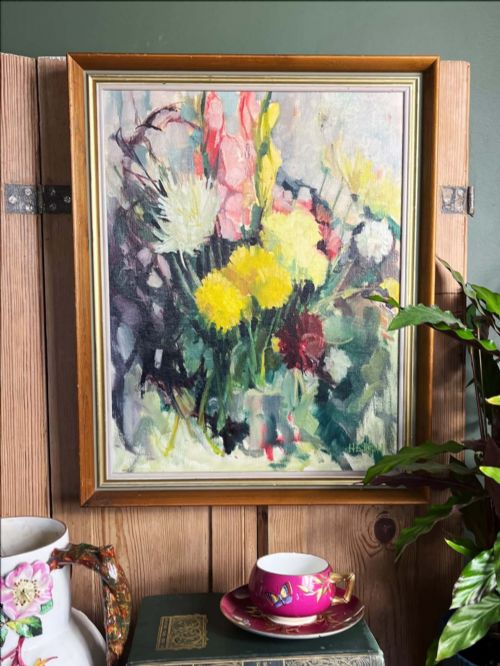
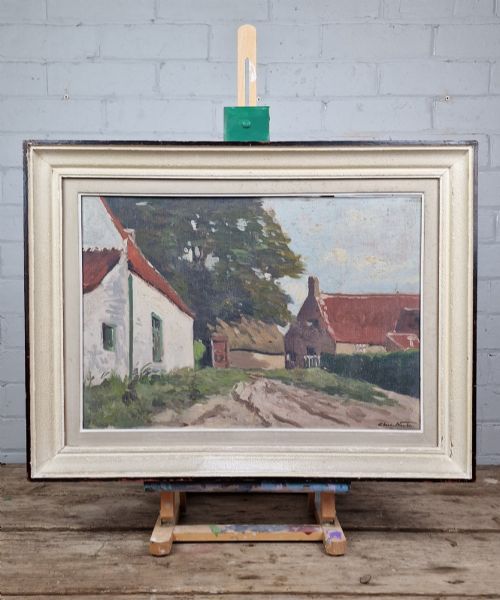
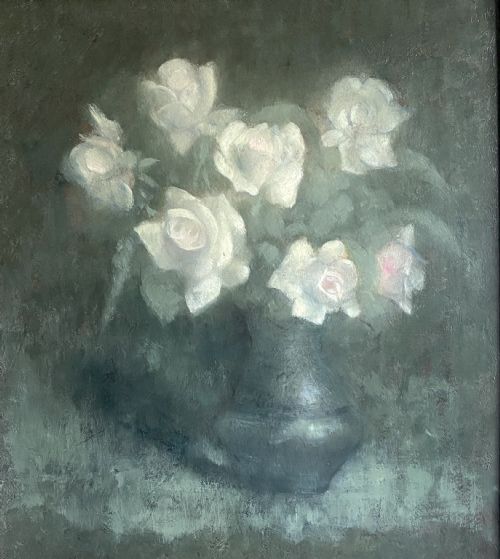
The selections span from Victorian and Edwardian landscapes to mid-century modern cityscapes, British impressionism, and vibrant floral still lifes.
Most pieces date from the nineteenth century through the mid-twentieth century, showcasing varied regional British scenes alongside continental views.
How They Were Made
Artists built up rich surfaces using oil paint applied to prepared wooden panels, boards, or canvas laid down onto solid backing to prevent flexing.
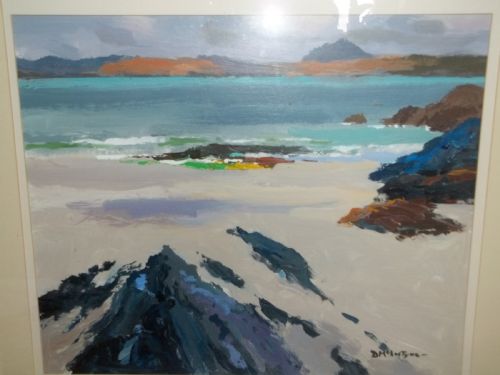
Many mid-century examples incorporate thick impasto technique, where pigment is applied heavily with a brush or palette knife to create tactile, raised brushstrokes.
Frames often complement the work, utilising moulded wood and gilt finishes that protect the perimeter of the board.
Surfaces include wood, composite board, and canvas laid onto rigid backing.
What Varies In Quality
The strength of composition and surety of brushwork separate masterly renderings from hurried studies, dictating the visual impact of the scene.
Material stability matters greatly; panels that remain flat without warping or severe paint shrinkage preserve the artist's original intention more successfully.
Provenance and clear signatures by recorded artists elevate specific pieces, linking them directly to recognised regional schools of painting.
Kenneth Cozens·Kershaw Schofield·Charles Houben·Christine Nesbit·Donald McIntyre·Stuart Walton·Lilian Colbourn·Florence Adelina Hess·Alexander Jamieson·David Orr Kerr·James Fry·Joan Gillchrest·Allan Douglas Davidson·Evelyn Chester·Winifred Turner·William JB Jenkins
The Original Oil Painting Board Glossary
- Impasto
- Paint applied thickly to a surface, standing out in relief from the board and adding tangible depth to the image.
- Panel
- A flat, rigid piece of wood or composite material used as a stable alternative to stretched canvas for painting.
- Canvas laid onto board
- A conservation or studio method where an older canvas painting is permanently adhered to a rigid backing board for support.
- Provenance
- The documented history and chain of ownership of an artwork, establishing its authenticity and origin.
- Still life
- A painting featuring inanimate subject matter, typically commonplace objects such as flowers, fruit, or vessels.
Original Oil Painting Board: Frequently Asked Questions
What is an oil painting on board?
An oil painting on board is a work of art created using oil-based pigments applied directly to a rigid support rather than a flexible stretched canvas. This medium offers artists a firm, unyielding surface that resists punctures.
Boards were favored by many plein-air painters because they fit easily into travel kits and required minimal preparation before sketching outdoors.
How do I care for my board painting?
Display your painting away from direct sunlight and damp environments to protect both the wood support and the oil pigments from environmental stress. Gentle dusting with a soft, dry brush is typically all that is required for routine maintenance.
Avoid using liquid cleaners or abrasive cloths on the painted surface, as these can permanently damage the delicate layers of oil and varnish.
How can I tell the age of the board?
Examining the reverse of the board often reveals clues such as maker stamps, framing labels, handwritten inscriptions, or the type of wood and preparation primers used. Older panels may show natural ageing, oxidation, or patination that helps narrow down the decade of creation.
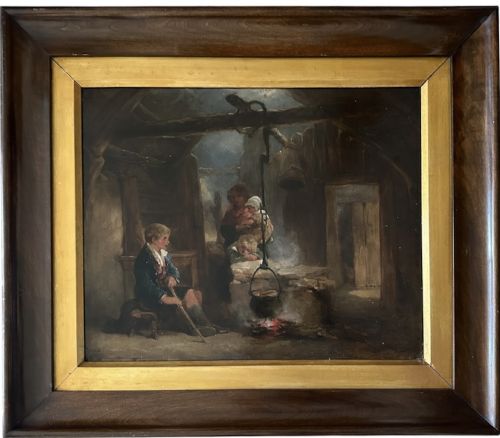
Stylistic elements within the artwork, such as clothing styles in figures or architectural details, also provide reliable chronological markers.
Why did artists paint on wood panels?
Artists often chose wood panels because they provided a completely flat, rigid ground that allowed for fine detail work and robust brush pressure without the bounce of stretched fabric. Panels were also readily available and durable for outdoor sketching excursions.
Many nineteenth and twentieth-century painters appreciated the longevity and stability that a sturdy wooden backing offered their finished compositions.