


Vintage Side Cabinet
A vintage side cabinet brings practical surface space and enclosed storage together, spanning bedside forms to tall display pieces across Edwardian, Art Deco and Victorian eras.
Vintage Side Cabinet
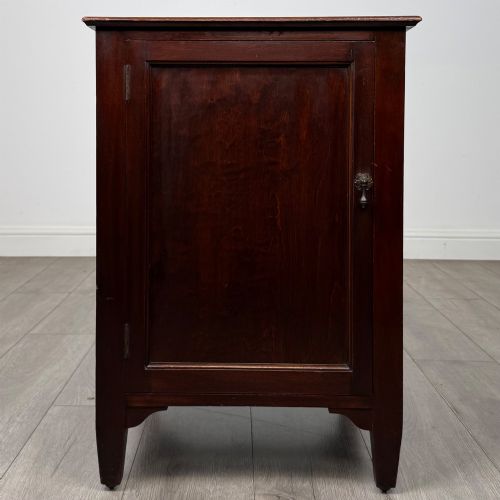
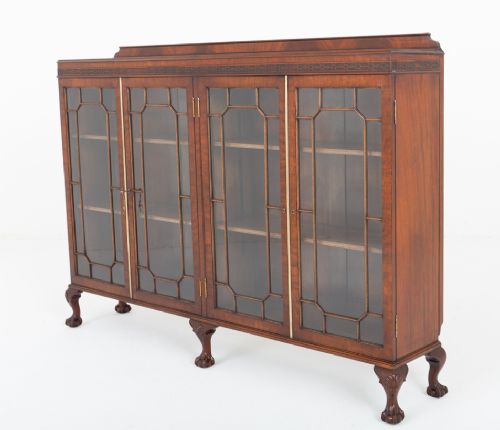
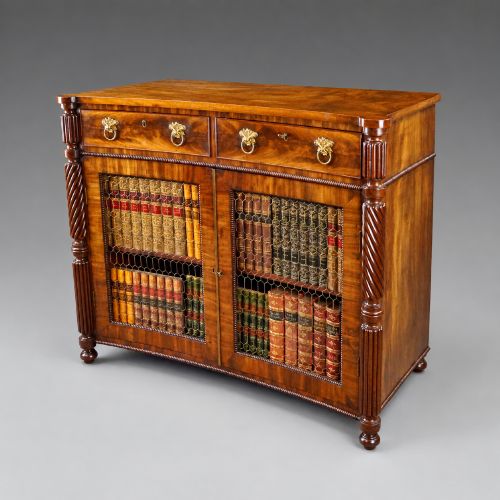
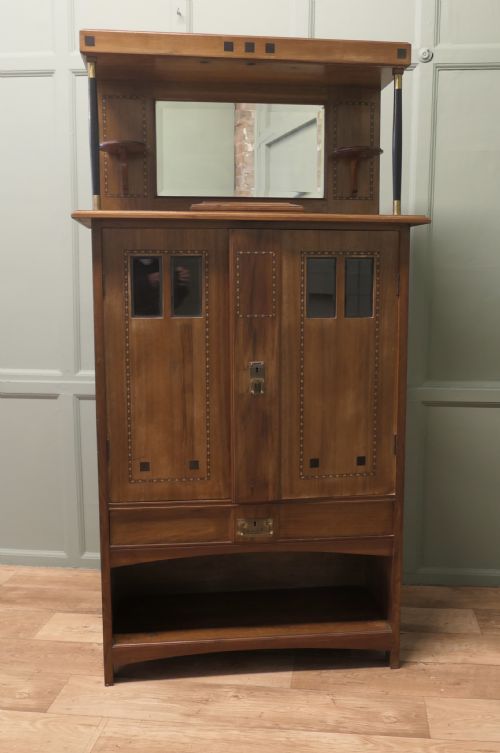
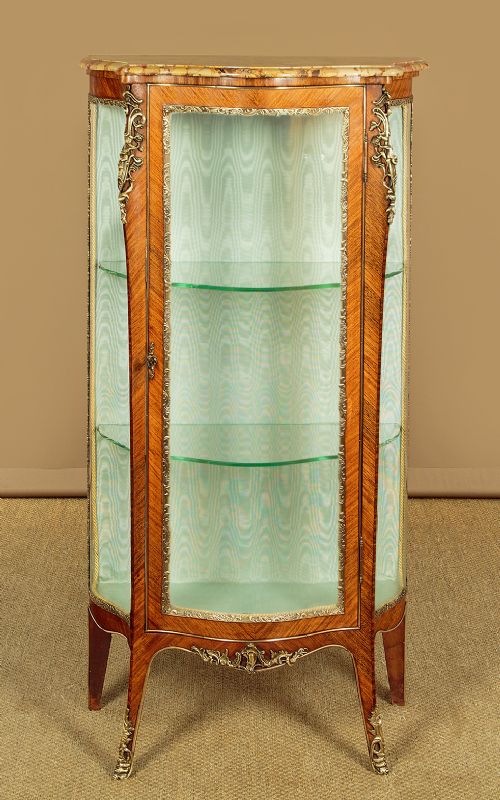
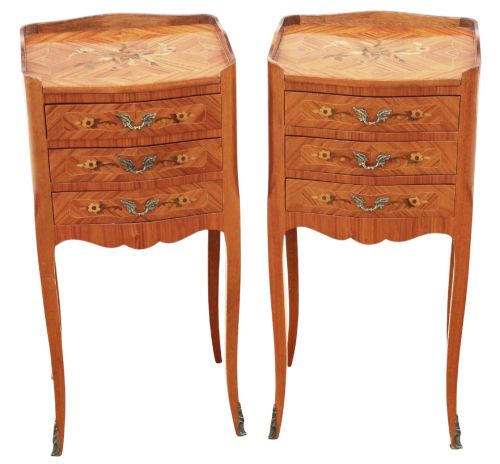
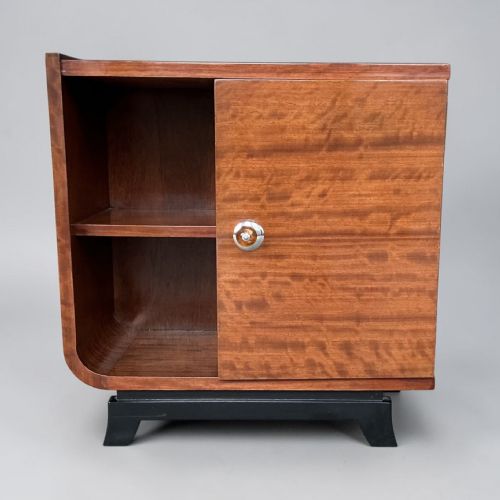
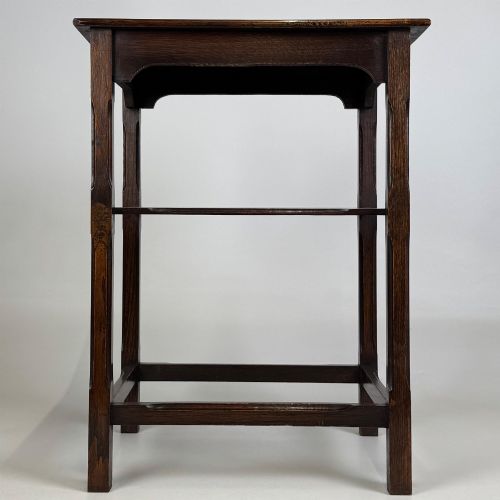
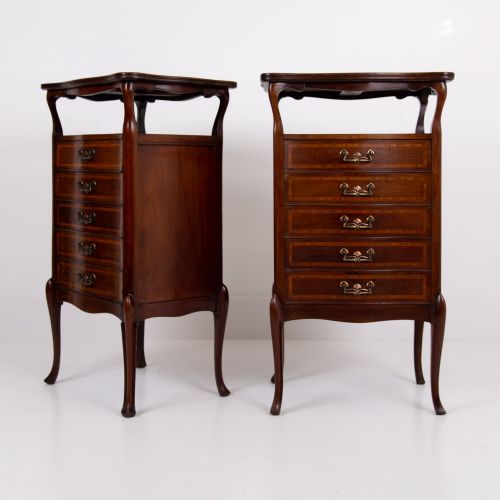
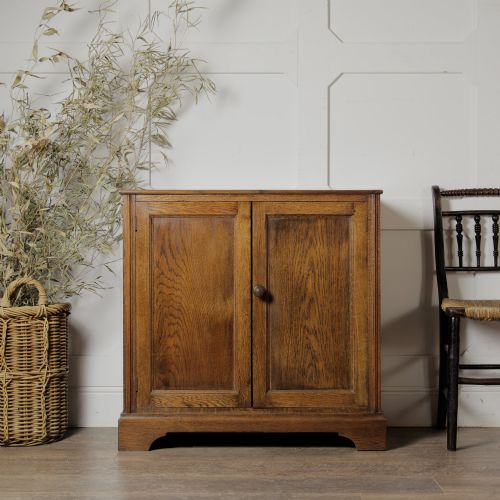
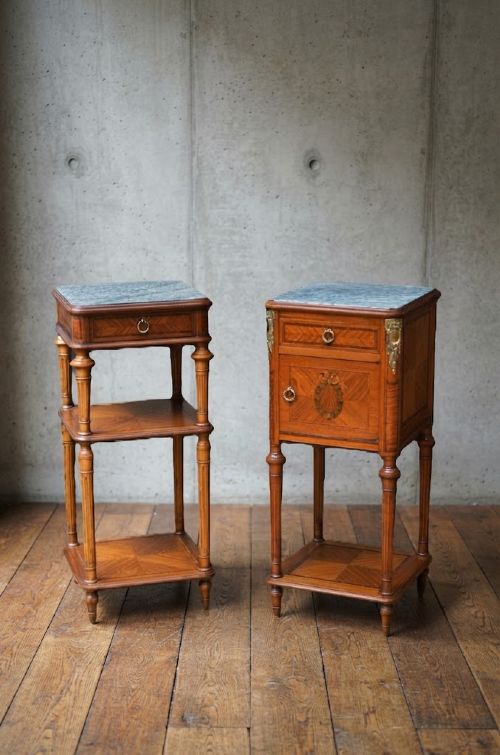
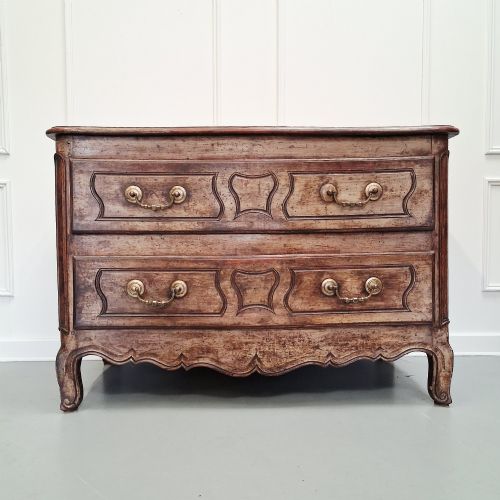
When you search for a vintage side cabinet, you encounter a diverse selection of utilitarian and decorative storage pieces drawn from the nineteenth and twentieth centuries. The inventory spans compact bedside tables and nightstands alongside low cupboards, commodes, and tall display cabinets.
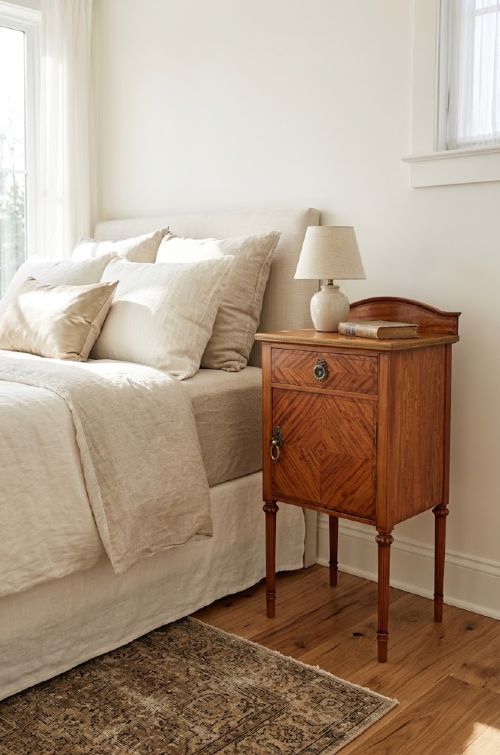
You are most likely to meet mahogany, oak, and walnut examples originating from Edwardian and Art Deco periods. These pieces serve flexible roles in modern interiors, functioning as bedside storage, lamp tables, or compact display units in reception rooms.
Materials and construction methods
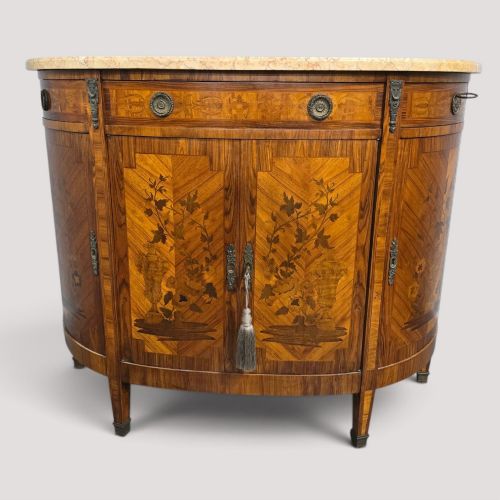
Cabinet makers utilised dense hardwoods like mahogany, walnut, and oak as structural foundations, often applying satinwood veneers or marquetry inlay for decorative surface contrast. Brass hardware, ormolu mounts, and glass panels integrate into the construction of display cabinets and cupboards.
Marble tops appear frequently on continental commodes and bedside cabinets, providing durable, polished counter surfaces. Joinery relies on traditional solid timber framing, dovetail drawer construction, and panelled door assembly.
Listings span eight distinct periods ranging from seventeen-fifty to nineteen-forty, alongside eight materials including marble, ormolu, and satinwood.
Distinctions in construction and finish
Quality rests upon the selection of timber figures, such as burr walnut or figured mahogany, and the precision of marquetry inlay work. Superior examples exhibit tightly fitted drawers, original brass or ormolu furniture, and undamaged marble slabs.
The integrity of the structural joinery and the preservation of original surface polishes differentiate everyday utility items from finer workshop pieces. Lesser items show replaced hardware, heavy veneer repairs, or compromised structural stability.
François Linke
The Vintage Side Cabinet Glossary
- Marquetry
- Decorative patterns formed by fitting small pieces of veneer into a wood foundation. This technique creates complex pictorial or geometric surface designs.
- Ormolu
- Gilded bronze ornamentation applied to furniture. It is characteristic of nineteenth-century French cabinet making.
- Vitrine
- A glass-panelled display cabinet designed for porcelain or objects of vertu. It protects items while permitting all-round visibility.
- Wellington chest
- A tall, narrow chest of drawers secured by a hinged locking side stile. It typically has seven drawers.
- Chiffonier
- A small sideboard or low cupboard developed during the nineteenth century. It often incorporates a raised shelf back.
Vintage Side Cabinet: Frequently Asked Questions
Where should I place a vintage side cabinet?
These compact units fit easily beside beds as nightstands or in hallways as small surface tables. Their enclosed cupboards also provide convenient storage in living spaces for media or books.
Larger variations function as display cabinets for ceramics and glassware in dining rooms or studies. Positioning them away from direct heat sources protects the timber veneers and polished finishes.
How do I identify Art Deco pieces?
Art Deco pieces from the nineteen-thirties display geometric symmetry, stepped profiles, and figured walnut or contrasting veneers. They often dispense with excessive ornamentation in favour of clean architectural lines.
Hardware is typically minimal, relying on the natural grain of the wood to provide visual interest. The overall aesthetic is streamlined and modern compared to earlier revival styles.
What is the difference between a commode and a side cabinet?
A commode is a specific form of low chest of drawers or cupboard, frequently topped with marble and often of French origin. Side cabinets encompass a broader category that includes cupboards, bedside tables, and small shelving units.
While commodes prioritise drawer storage and surface display, side cabinets often feature doors opening to interior shelves. Both types serve similar domestic roles for auxiliary storage.
How do I care for marble-topped cabinets?
Marble surfaces require gentle cleaning with warm water and mild, non-acidic soap to preserve the polish. Avoid placing acidic items like citrus or vinegar directly onto the stone to prevent etching.
Wiping spills promptly keeps the porous material from staining. Regular dusting with a soft cloth maintains the natural lustre of the stone top.