






Vintage Shiraz Carpet
A vintage shiraz carpet brings rich South Persian tribal artistry into a room through deeply patterned wool and cotton work.
Vintage Shiraz Carpet
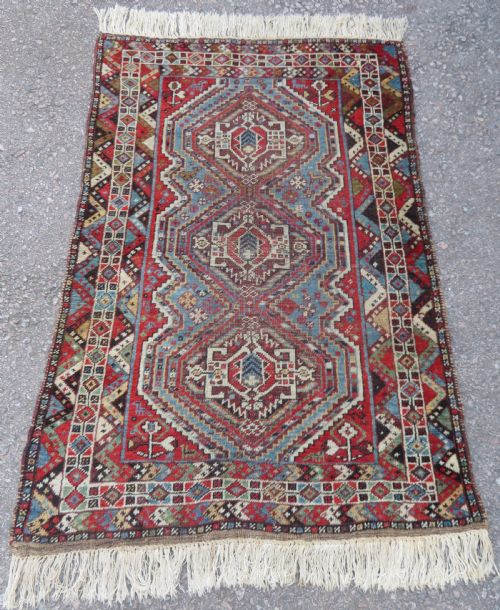
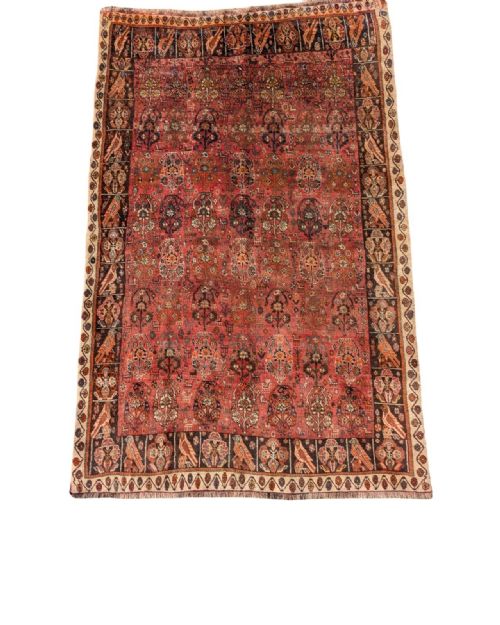
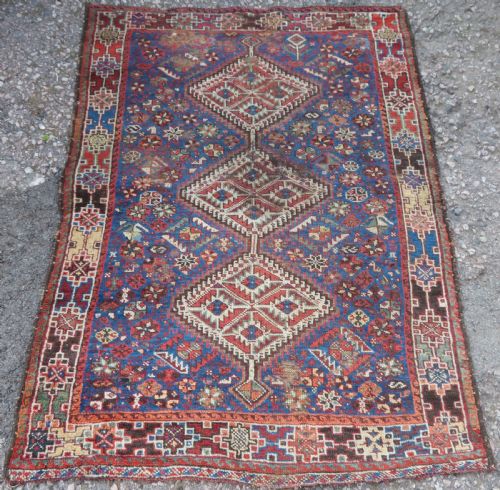
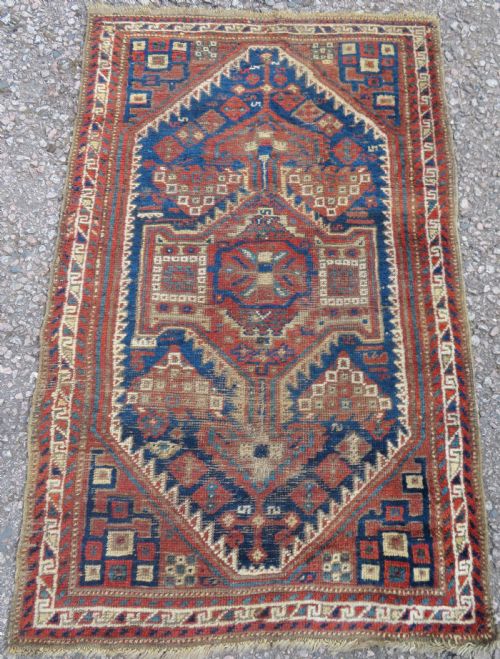
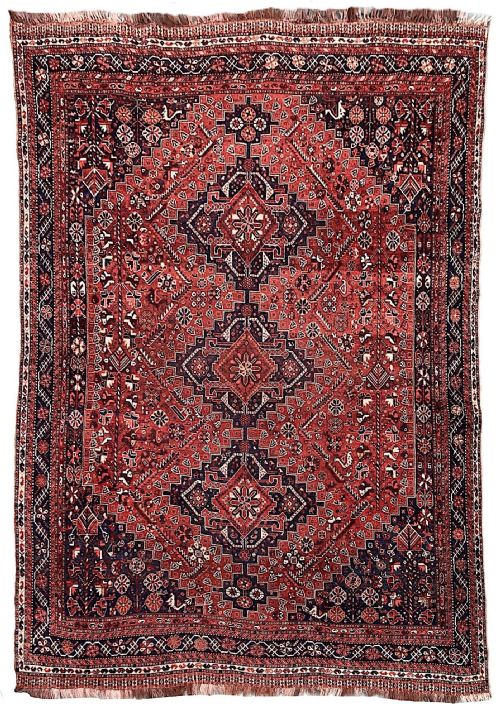
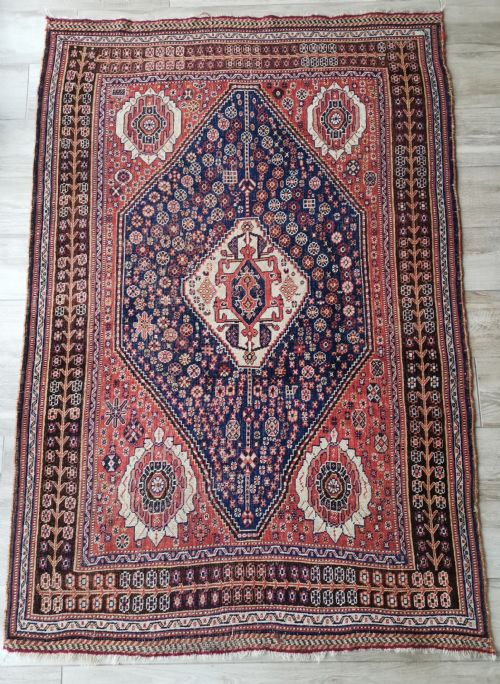
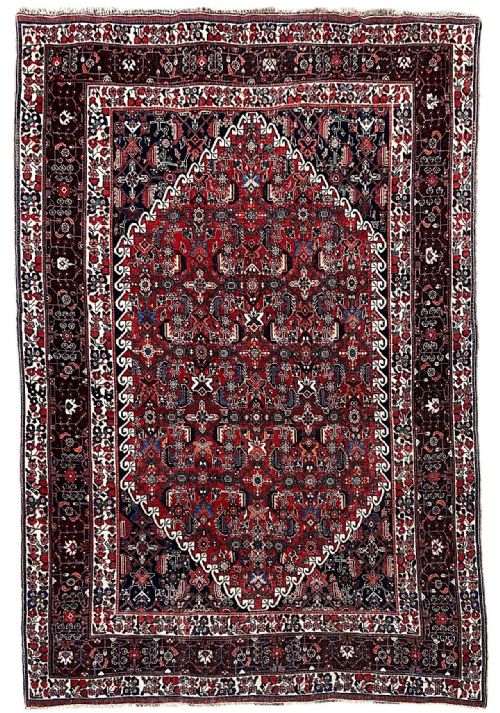
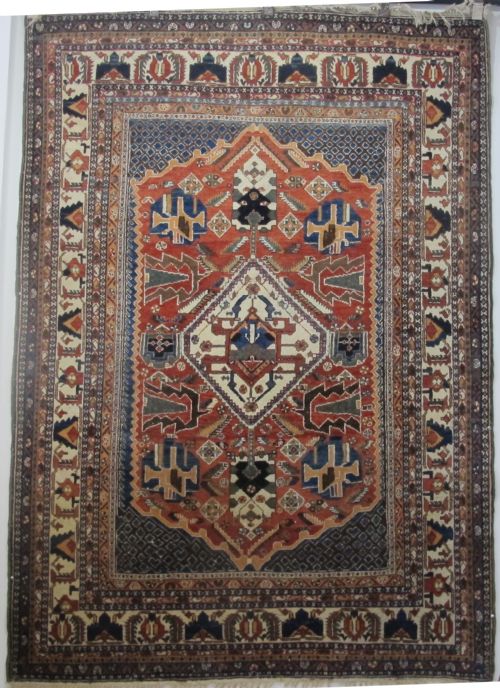
A vintage shiraz carpet gathers South Persian nomadic weaving traditions, representing work from tribes such as the Qashqai and Khamseh. Buyers searching for a vintage shiraz carpet typically encounter pieces woven in wool and cotton that display traditional tribal patterns, centre medallions, and intricate boteh motifs.
The selection ranges from smaller tribal rugs to substantial carpets originating across the nineteenth and early twentieth centuries. Pieces often show regional characteristics of south west Persia, produced by village and nomadic weavers working within long-standing cultural designs.
Materials and construction
Weavers constructed these carpets using hand-spun wool for the pile, combined with cotton foundations to provide structural stability. The application of natural dyes yielded deep, enduring colour palettes that evolved gracefully over decades of use.
Traditional hand-weaving techniques ensured tight knotting and durable construction, allowing these tribal and nomadic textiles to withstand generations of domestic wear while retaining their detailed geometric and figurative compositions.
Vintage Shiraz Carpet Retail Price Guide 2026
Typical asking prices for vintage shiraz carpet among the pieces listed under this phrase on Sellingantiques today, from the lower quarter to the upper quarter. They describe what is for sale here now, not the wider market.
One remarkably specific nineteenth-century rug even weaves the Pillars of Persepolis right into the wool.
Evaluating craftsmanship and condition
The standard of a piece depends heavily on the fineness of the hand knotting and the complexity of the tribal design. Tighter structures and more intricate handling of motifs such as medallions and pillars distinguish finer examples from simpler village work.
State of preservation and the integrity of the natural dyes also influence standing. Examples retaining full pile and strong colour saturation sit at a different level from heavily distressed or faded specimens.
The Vintage Shiraz Carpet Glossary
- Boteh
- A stylised almond or paisley motif representing a floral or cypress sprout, frequently found in Persian weaving. This ancient symbol appears repeatedly across tribal carpets.
- Medallion
- A central ornamental design element placed in the middle of the carpet field. It serves as the primary focal point for the entire composition.
- Nomadic
- Describing pieces created by wandering tribal groups rather than settled urban workshops. These designs often reflect the personal heritage and surroundings of the weaver.
- Pile
- The upright yarn surface of the carpet formed by the knotted loops of wool. Its depth and density determine the physical feel and durability of the rug.
- Tribal
- Pertaining to distinct ethnic groups producing textiles according to traditional regional customs. These pieces carry specific cultural markers distinct from city-made Persian carpets.
Vintage Shiraz Carpet: Frequently Asked Questions
Where were vintage shiraz carpets made?
These carpets originate from south west Persia, specifically associated with the Shiraz region and surrounding tribal confederations. Weavers from the Qashqai and Khamseh groups produced much of this work.
Production took place across nomadic camps and villages, utilising local materials and centuries-old design vocabularies particular to the region.
How do I identify a Qashqai carpet?
Qashqai pieces often display distinctive geometric layouts, triple medallion arrangements, or characteristic motifs such as the boteh and pillars. The handling of tribal iconography provides strong clues to tribal origin.
Materials typically involve hand-spun wool and natural dyes, combined with specific weaving structures typical of south Persian nomadic output.
Are these carpets made from natural materials?
Traditional examples utilise natural wool for the pile and cotton for the foundational warps and wefts. The dyes applied to the wool were sourced from plants and minerals.
This reliance on organic components ensures the textiles age with harmonious patination and depth of colour that synthetic alternatives cannot replicate.
How should I care for a vintage wool carpet?
Regular gentle vacuuming without a rotating brush helps prevent dust accumulation within the wool pile. Professional cleaning suited to antique textiles preserves the integrity of the natural dyes.
Placing the carpet out of harsh direct sunlight protects the coloration from fading over years of domestic display.