
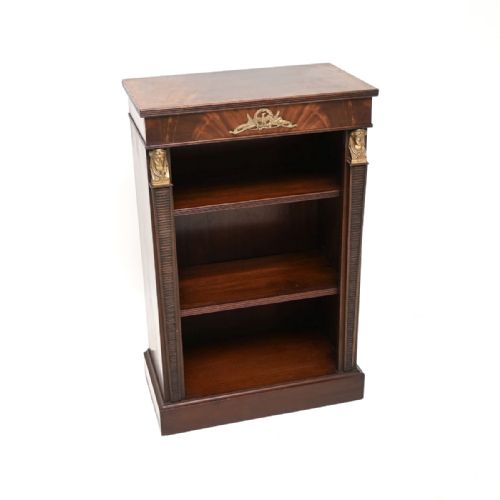
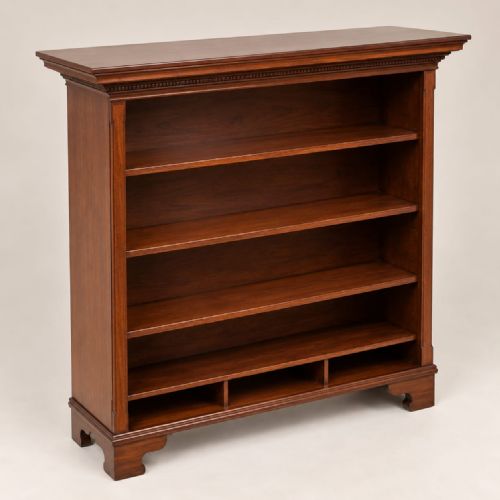

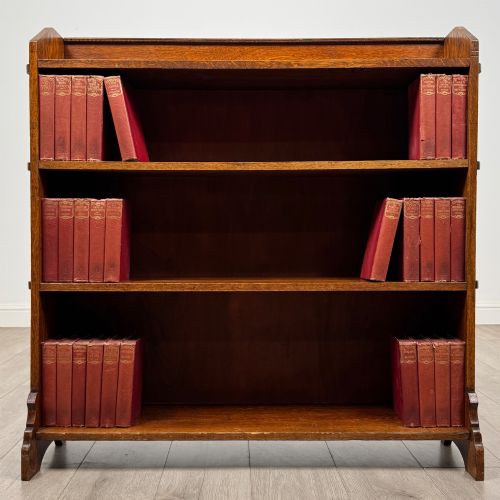
Vintage Shelving Unit
A vintage shelving unit brings character and open storage to a room, ranging from Edwardian oak bookcases to Victorian walnut whatnots.
Vintage Shelving Unit
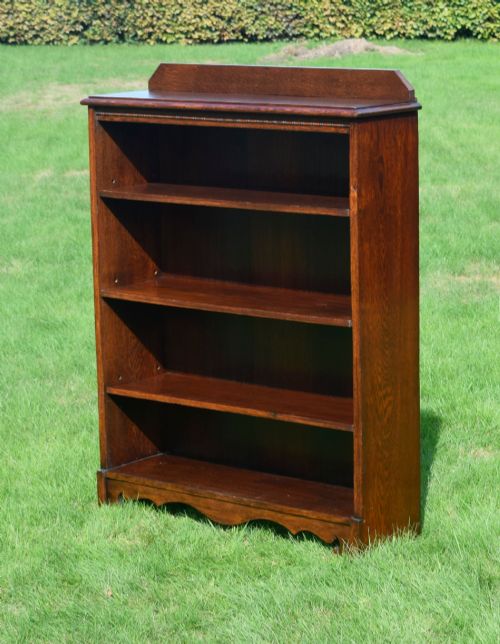
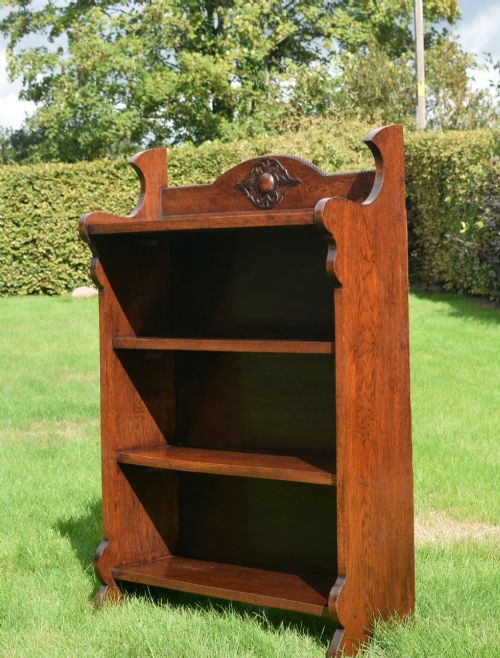
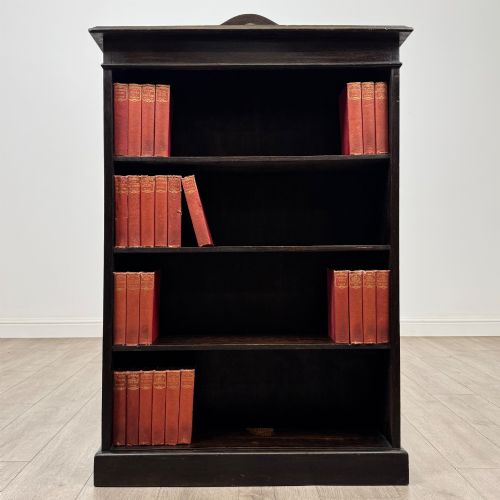
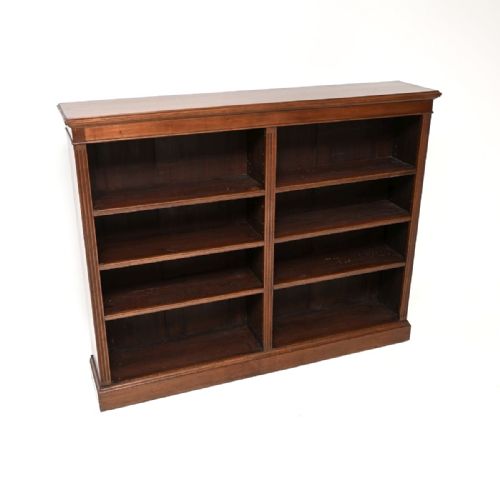
A vintage shelving unit encompasses open bookcases, wall shelves, whatnots, and etageres gathered under a single search phrase. These pieces originate from periods spanning the Victorian era through the 1930s, reflecting changing domestic needs for book storage and display.
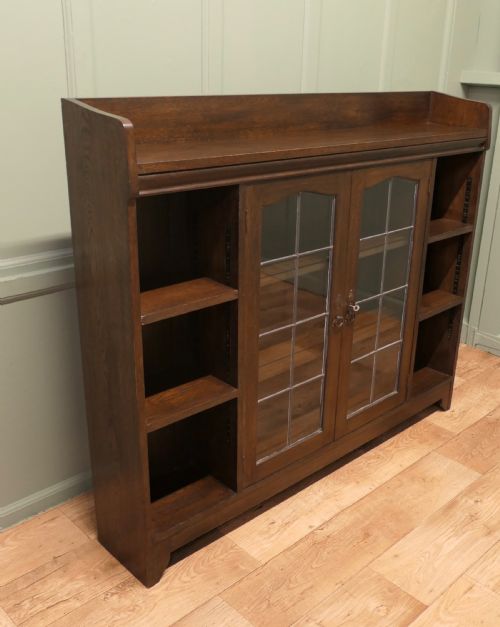
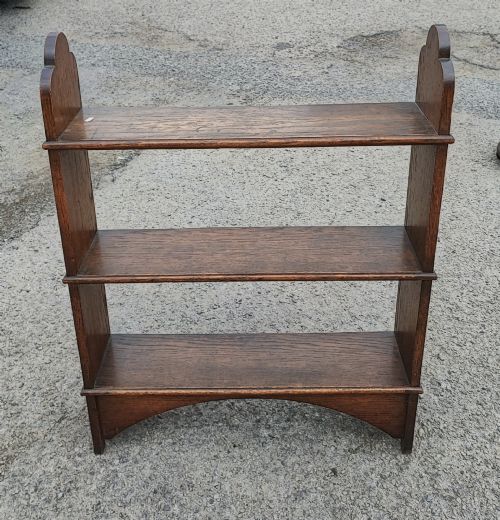
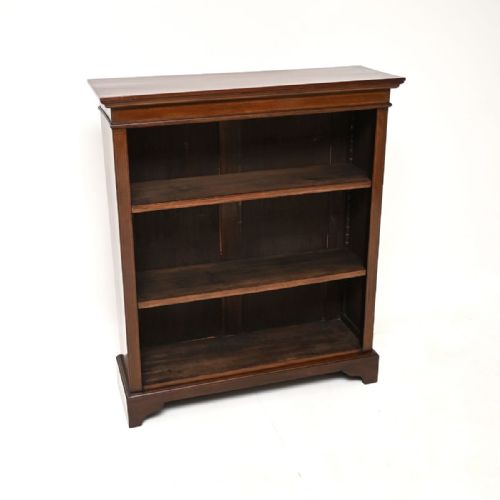
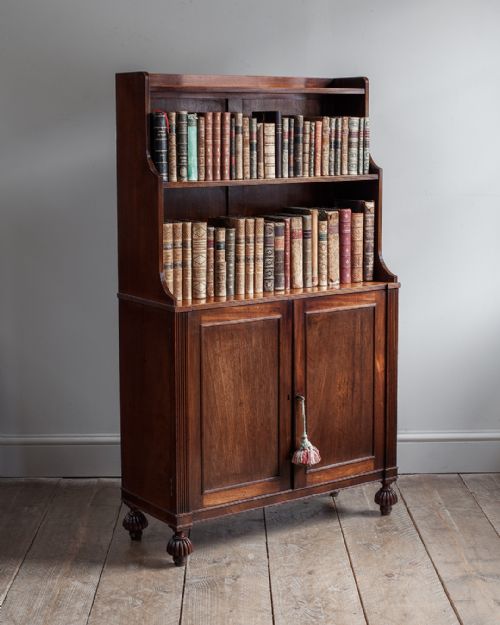
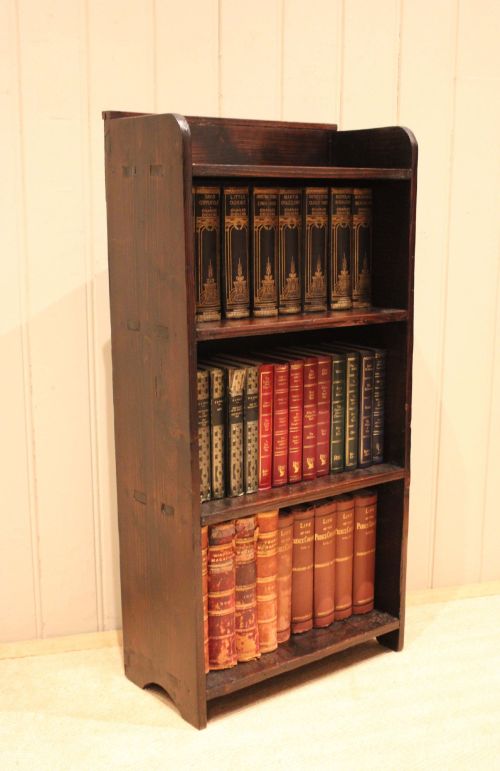
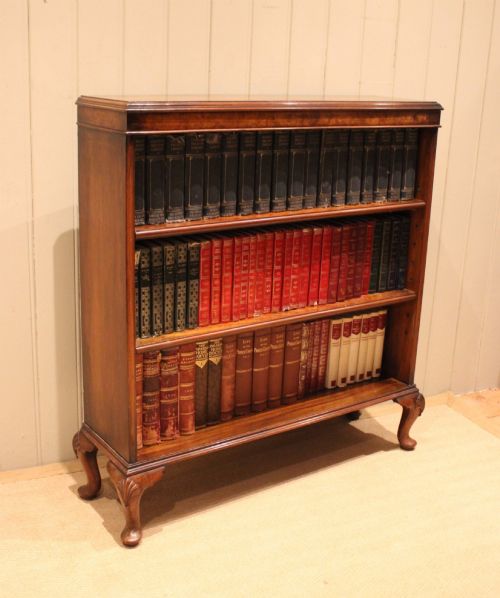
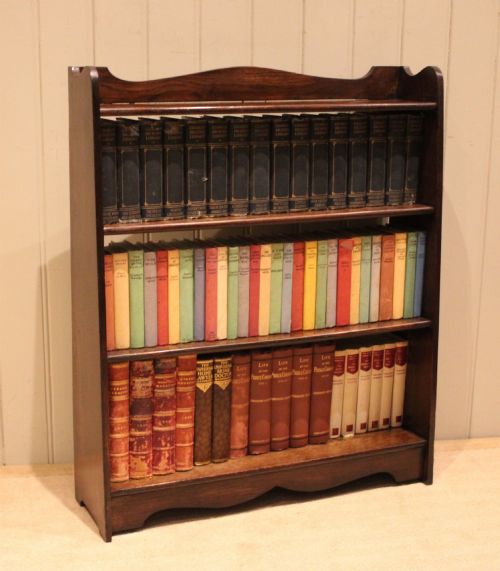
The most common form encountered here is the open oak or mahogany bookcase, often featuring adjustable shelves and simple upright proportions. Alongside these stand smaller rustic pine shelves, walnut whatnots, and occasional waterfall or angled designs.
Origins stretch across English workshops, regional country makers, and continental French makers, yielding both formal pieces with neoclassical details and sturdy domestic furniture. Buyers select these items to hold books and display objects while adding period timber tone to an interior.
Materials and construction
Makers relied primarily on native and imported timbers, shaping solid oak, mahogany, walnut, and pine into upright frames and horizontal tiers. Finer pieces incorporate burr walnut veneers, rosewood, and ash, whilst brass fittings appear on select etageres and hanging shelves.
Construction methods utilise traditional joinery suited to the period, including pegged joints, dovetailed shelf supports, and carved or beaded edge detailing. Surfaces receive polished, waxed, or painted finishes that protect the timber while highlighting the natural grain.
Materials span oak, mahogany, brass, pine, walnut, burr walnut, wood, and timber.
Distinguishing quality
Quality reveals itself in the selection of timber, such as figured burr walnut or richly grained mahogany, contrasted against plain utility pine or standard oak. The presence of thoughtful details like adjustable wooden shelf ratchets, inlaid stringing, and barley twist turnings elevates a piece from basic utility to finer craftsmanship.
Structural integrity and proportion set higher examples apart, demonstrated by balanced weight distribution in tall bookcases and crisp joinery that remains firm across the shelves. Pieces retaining their original polished finish and untouched brass hardware hold greater integrity than altered or heavily refinished items.
Heals
The Vintage Shelving Unit Glossary
- Etagere
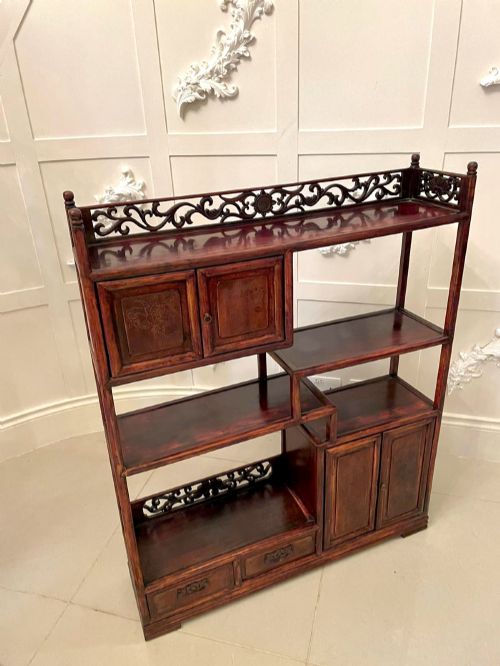
- A set of open shelves or tiers used for displaying small objects or books. This form often incorporates decorative framing in rosewood or brass.
- Waterfall bookcase
- A set of open shelves where each tier steps back progressively from the bottom to the top. This profile creates a cascading silhouette popular in the nineteenth and early twentieth centuries.
- Open bookcase
- A bookcase lacking doors, allowing direct access to the books and shelves within. They appear frequently in oak, mahogany, and walnut across Edwardian and Victorian listings.
Vintage Shelving Unit: Frequently Asked Questions
How do I choose between an oak and mahogany bookcase?
Oak pieces often offer a heavier grain and suit Arts and Crafts or rustic settings, while mahogany brings a smoother reddish tone associated with Victorian and Regency interiors.
Consider the existing wood finishes in your room to decide which timber will integrate more naturally.
Are the shelves adjustable on these vintage units?
Many of the listed bookcases feature adjustable shelves supported by wooden ratchets or metal pins, allowing you to alter the tier heights for different book sizes.
Check the specific title or description to confirm whether the shelves move or remain fixed in place.
Where should I place an etagere at home?
An etagere works well in a corner or against a living room wall where its open tiers can hold decorative items, plants, or small book collections.
Because these pieces are open on all sides, they maintain a sense of light and space in smaller rooms.
How do I identify a Victorian whatnot?
A Victorian whatnot is typically recognised by its tiered open shelving structure supported by turned uprights, sometimes featuring barley twist columns or burr walnut veneers.
These pieces were originally built to display prized ornaments and small volumes in nineteenth-century parlours.