



1930s Open Shelves
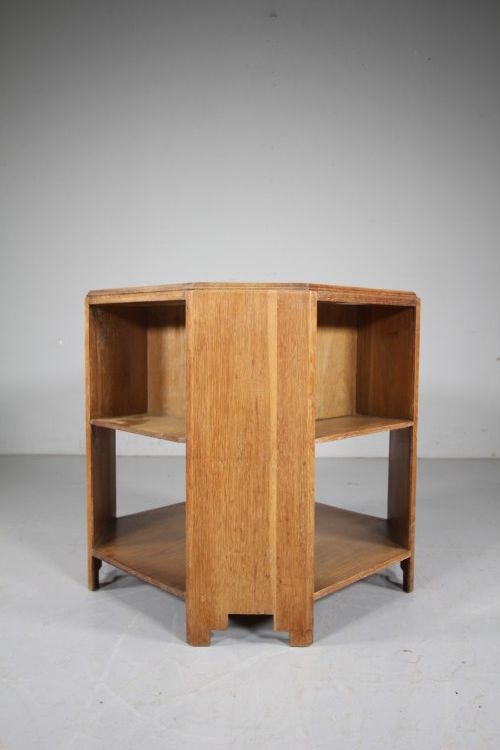
These 1930s open shelves bring architectural clarity and practical display space to a room, offering clean geometric lines that anchor a modern interior.
1930s Open Shelves
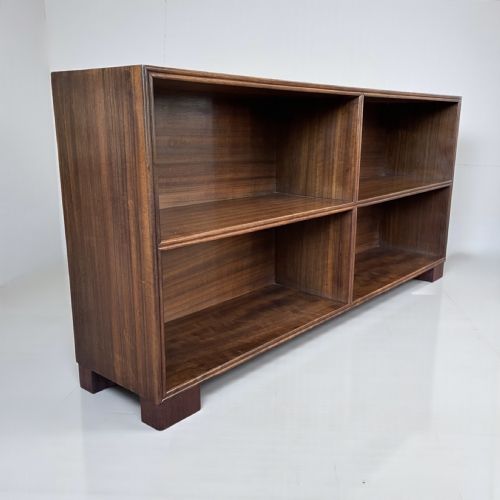
When searching for 1930s open shelves, a buyer encounters a diverse group of bookcase forms, bedside cabinets, and side tables that prioritise linear storage and display. These pieces originate from the 1930 and 1940 periods, reflecting the shifting tastes of interwar design.
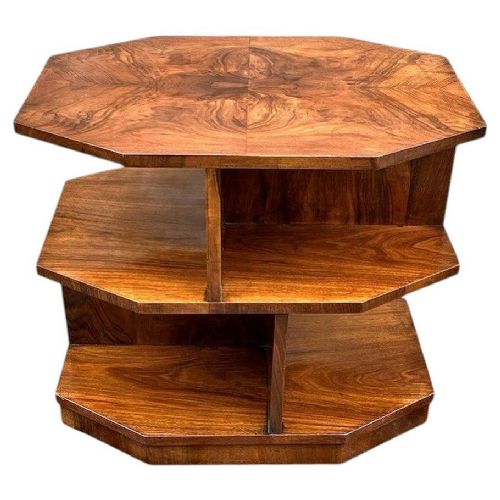
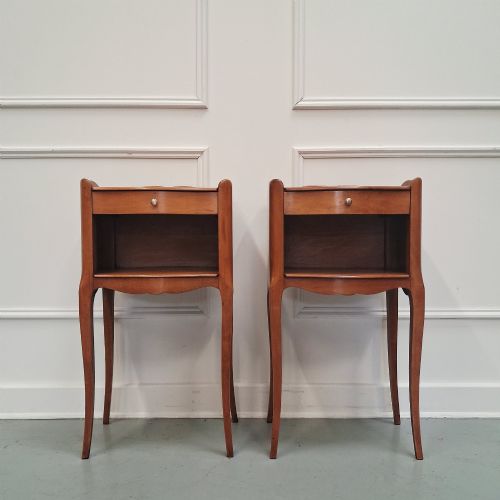
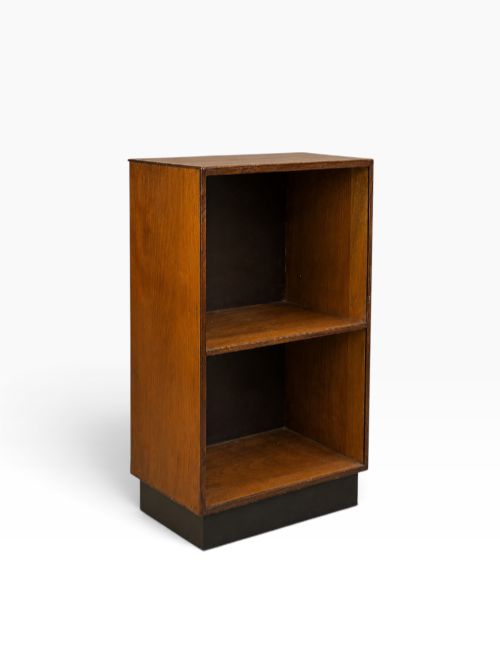
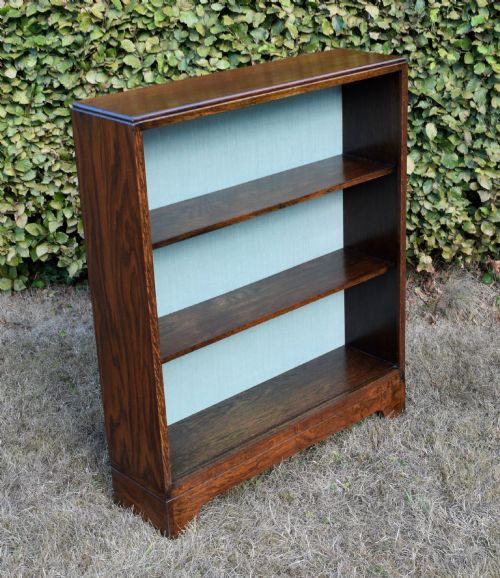
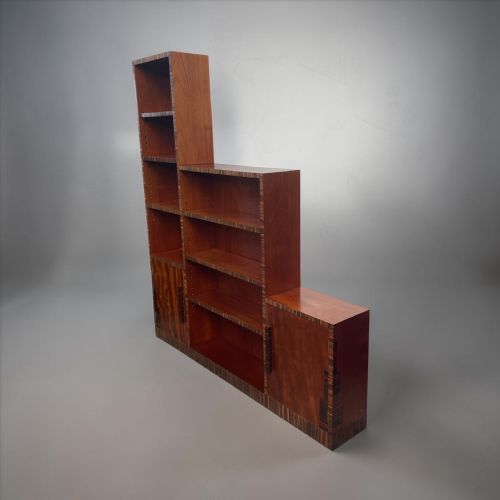
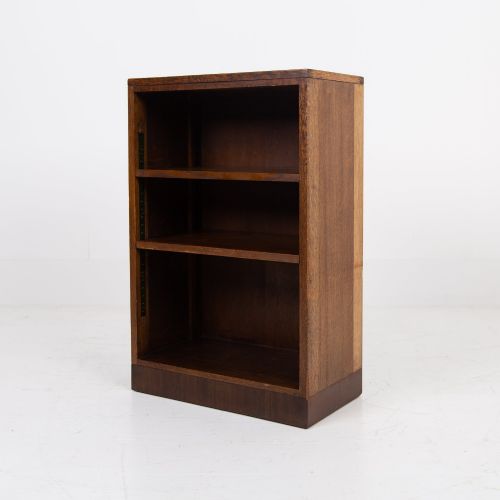
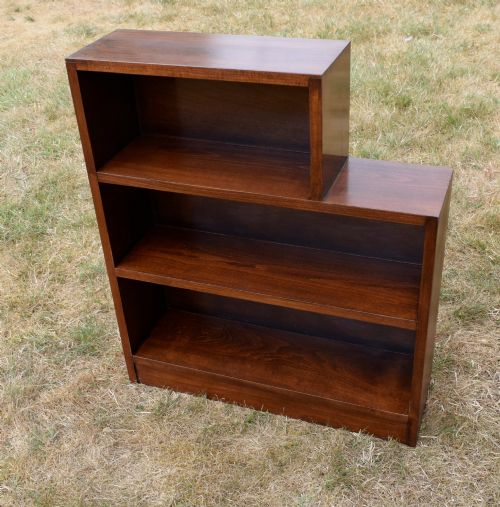
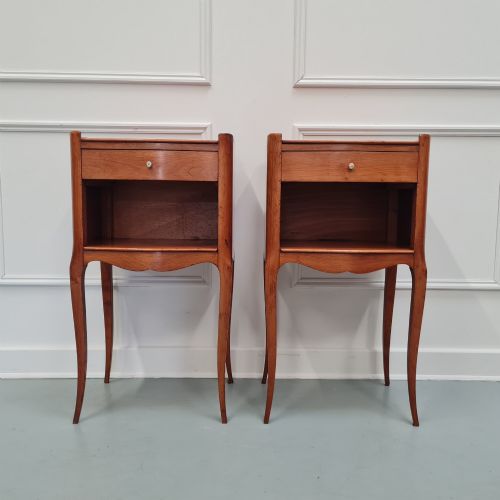
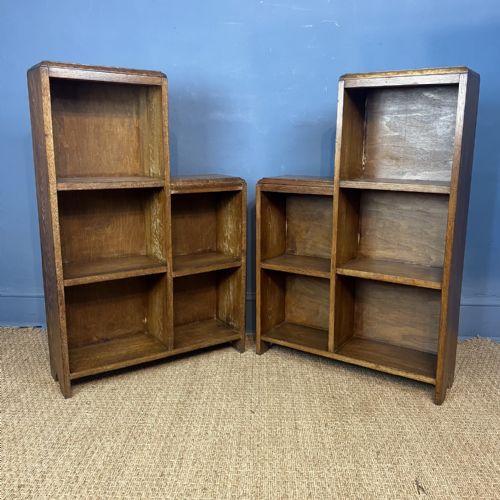
The version most likely to meet a buyer on this page is the bookcase, often built in distinct Art Deco styles with stepped profiles or simple mouldings. Alongside these, one finds French provincial bedside tables and oak pieces reflecting earlier revival aesthetics.
Makers such as Betty Joel and Maurice Adams appear within the selection, alongside items in the manner of Heals. The material palette ranges from native oak and walnut to exotic woods like teak and satinwood.
Materials and construction
Makers utilised solid timbers like oak, walnut, ash, fruitwood, and teak, often applying walnut or satinwood veneers to create striking grain patterns on flat surfaces. Brass fittings and leather tops appear on selected pieces to provide functional contrast and decorative detail.
Construction methods combine traditional cabinet-making with the geometric requirements of Art Deco design, seen in stepped shelving tiers and front mouldings. Ebonised finishes and cherry wood alternatives further demonstrate the variety of workshop techniques employed during the period.
Listings feature oak, walnut, ash, and teak, reflecting the diverse material palette utilised by 1930s cabinet makers.
Assessing quality and design
Quality in these pieces is dictated by the ambition of the design, such as the architectural stepped forms associated with named makers like Betty Joel or Maurice Adams. The selection of timber veneers and the precision of the joinery elevate certain examples above standard utilitarian storage.
Proportion and stylistic coherence separate exceptional items from simpler vernacular pieces, whether examining an Anglo-Indian teak waterfall bookcase or a streamlined Art Deco bookcase cabinet. The integration of secondary materials like brass hardware and leather inserts further marks the upper tier of production.
Betty Joel·Maurice Adams·Heals
The 1930s Open Shelves Glossary
- Art Deco
- A design style characterised by sleek geometric shapes, streamlined forms, and modern industrial materials popular during the interwar period. It dominates the aesthetic of many bookcases on this page.
- Stepped bookcase
- A shelving unit featuring diminishing tiers that create a terraced or ziggurat silhouette. This profile is a hallmark of advanced 1930s modernist furniture design.
- Veneer
- A thin layer of figured wood applied over a sturdier secondary timber base to create decorative grain patterns. Walnut and satinwood veneers are typical of the era.
- Waterfall bookcase
- A shelving unit where the sides curve or step backwards as the tiers rise, resembling the flow of water. Examples from the period utilise exotic woods like teak.
- Ebonised
- Timber treated with a dark stain or finish to imitate ebony wood. This technique provides a sharp, formal contrast in modernist cabinet-making.
1930s Open Shelves: Frequently Asked Questions
How do I style 1930s open shelves?
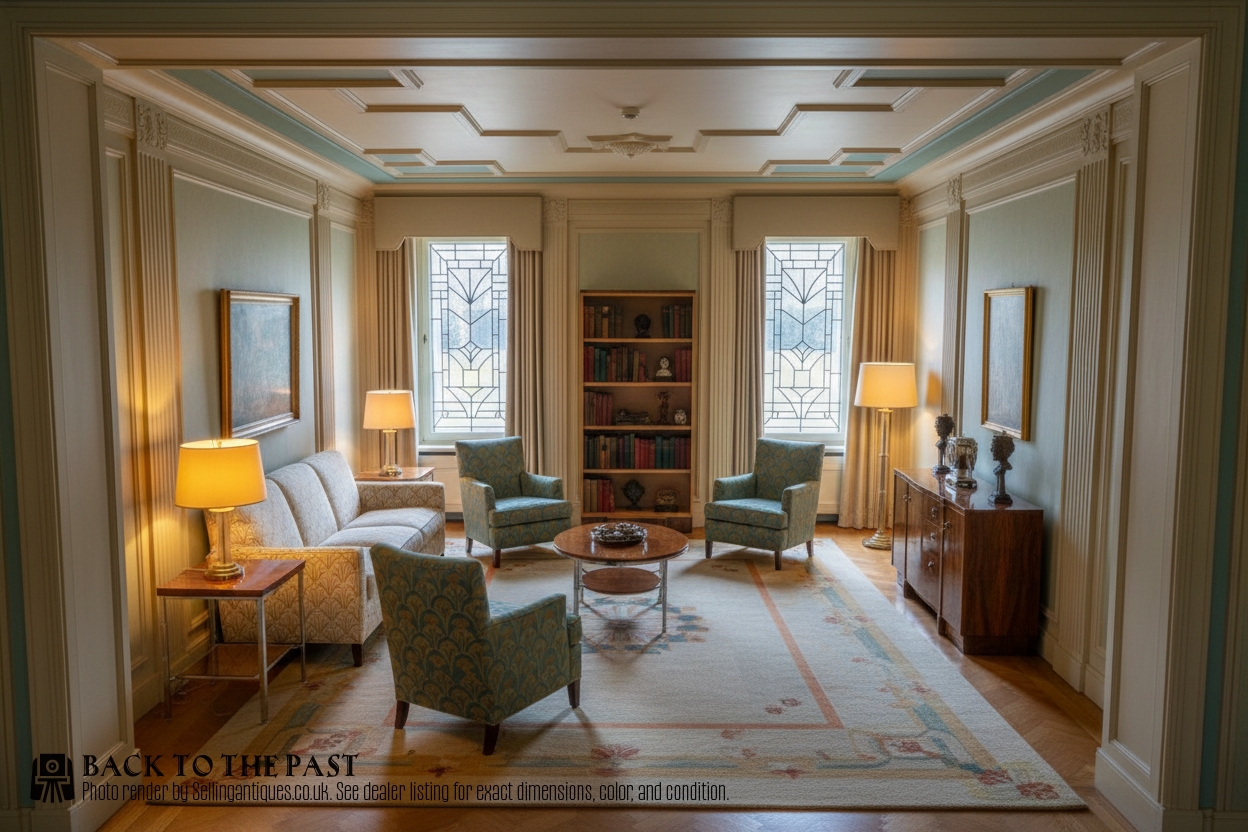
These pieces suit contemporary and period rooms alike, providing an ideal framework for displaying books and ceramics. Their strong linear qualities work best against neutral walls where the timber grain can stand out.
Keep arrangements balanced to complement the geometric stepped profiles typical of Art Deco design without cluttering the open framework.
Are these shelves suitable for heavy books?
The solid oak and walnut construction of many interwar bookcases provides robust structural support for standard collections. However, veneer surfaces require mindful placement to avoid heavy impacts or moisture damage.
Heavier volumes sit best on the lower fixed shelves of larger timber cabinets.
How do I distinguish Art Deco from revival styles?
Art Deco examples rely on clean geometric lines, stepped silhouettes, and veneered surfaces that emphasise modern machine-age simplicity. In contrast, Tudor or Elizabethan revival pieces feature heavy mouldings, dark oak, and traditional joinery.
Looking at the overall architectural silhouette usually reveals whether the maker intended a modernist or historical statement.
Where were these bookcases made?
The selection includes British pieces by prominent firms and designers, alongside French provincial cabinets and Anglo-Indian imported items. This international influence reflects the trade and design aspirations of the interwar period.
Each origin brings distinct timber choices, such as cherry wood from France or teak from broader colonial workshops.