
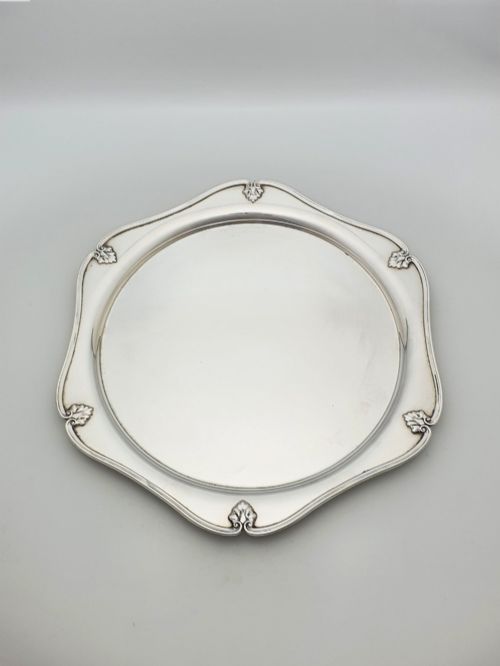
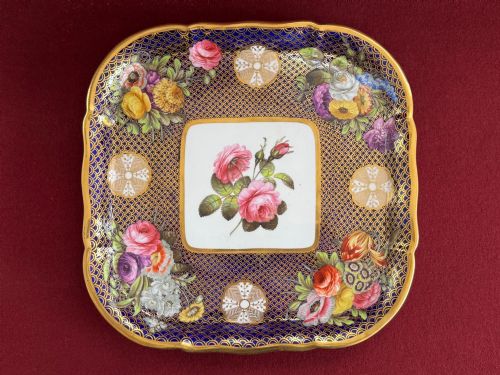
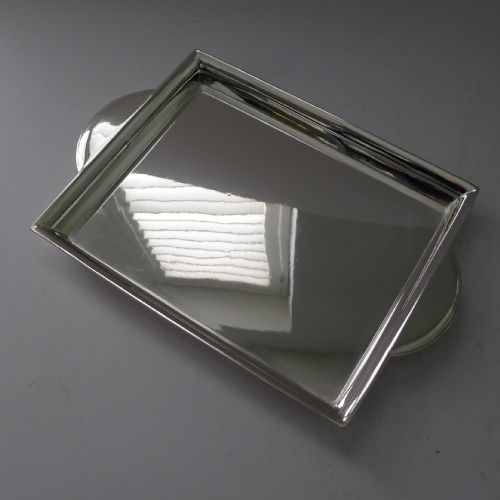
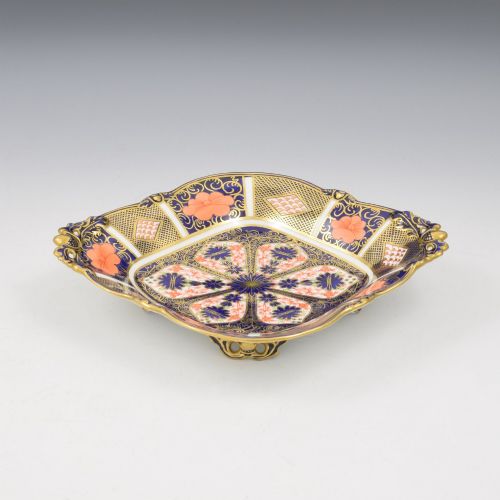


Vintage Serving Platter
A vintage serving platter brings history straight to the dining table, offering generous proportions and distinct period character for modern hosting.
Vintage Serving Platter
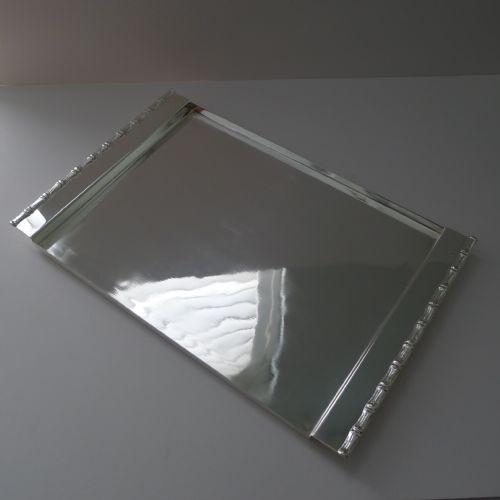
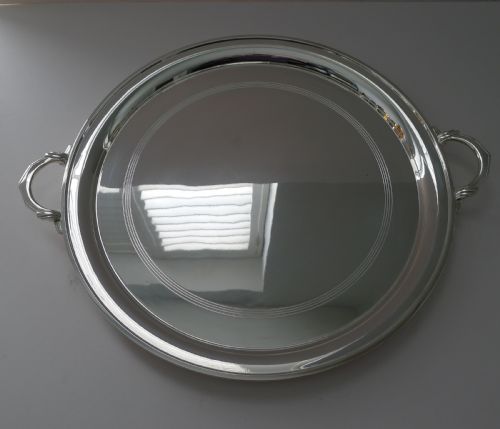
A vintage serving platter encompasses everything from heavy silver plate and EPNS to transferware earthenware, porcelain, and papier-mâché. These pieces span centuries of dining traditions, including Victorian, Edwardian, and Art Deco eras, shaped primarily for presentation and hospitality.
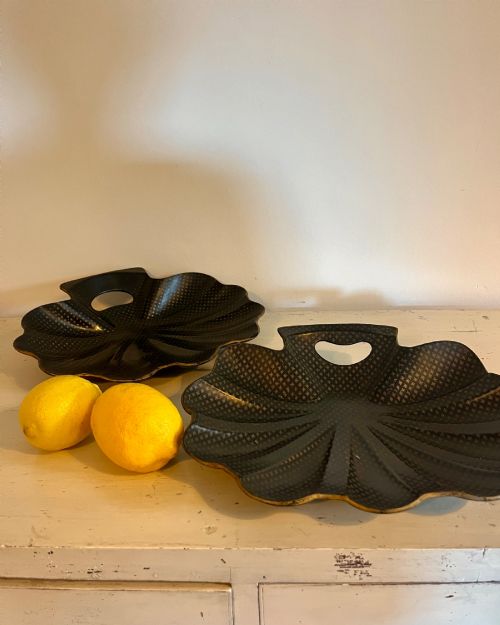
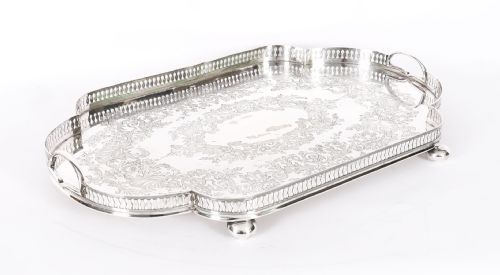
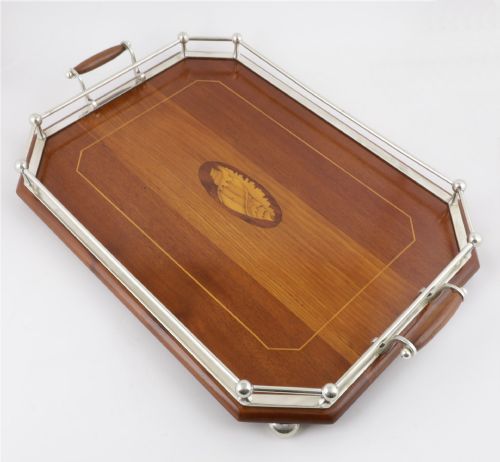
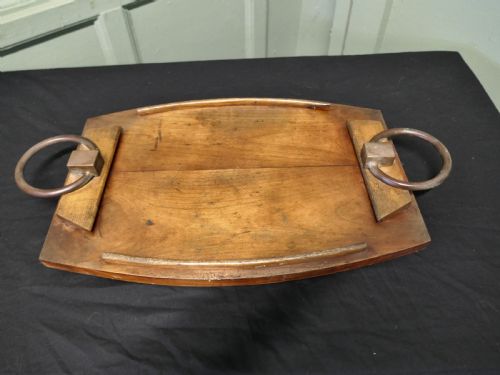
Buyers will encounter formal gallery trays with handles, deep chargers, and expansive platters in materials ranging from lacquered wood to ceramic. Many examples originate from British workshops, alongside continental European and Kashmiri makers.
The utility of a vintage serving platter extends beyond simple display, serving practical functions for afternoon tea, drinks, or substantial meat courses. Their enduring appeal lies in combining robust craftsmanship with decorative surface patterns.
Materials and construction methods
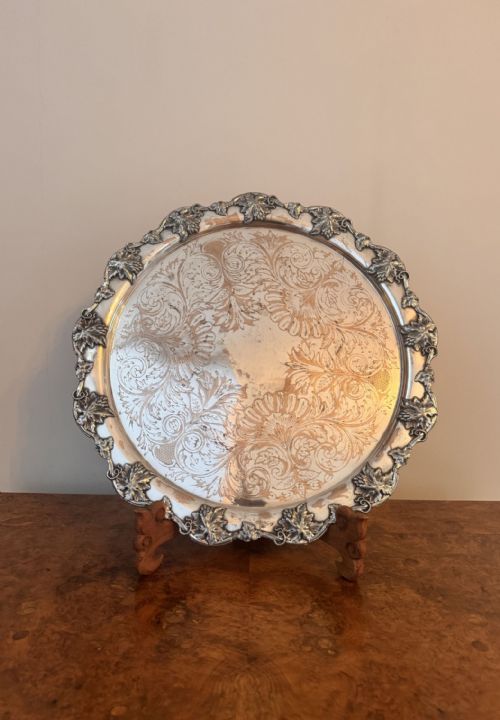
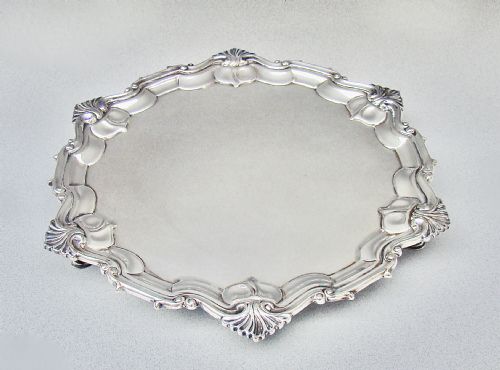
Silver plate and EPNS pieces rely on a base metal foundation coated in a layer of silver, often finished with engraved borders, cast handles, or raised galleries. Ceramic platters employ earthenware or porcelain bodies, shaped by hand or mould before receiving cobalt blue transfer printing, polychrome glazes, or hand-coloured details.
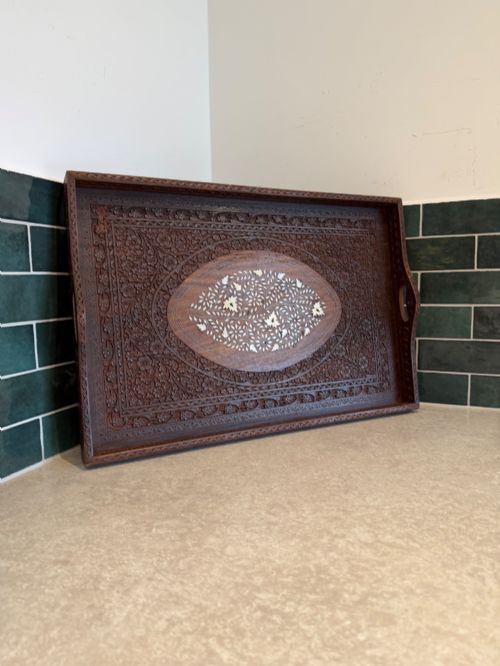
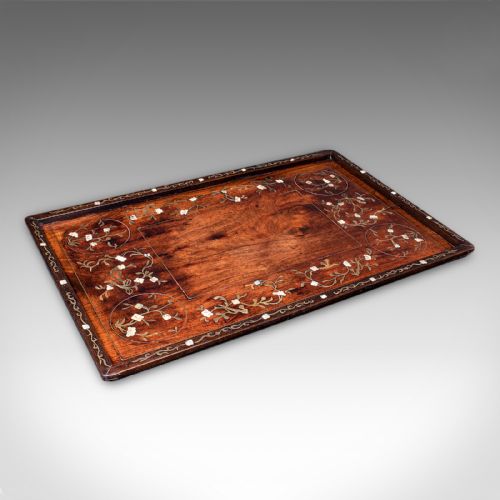
Papier-mâché and lacquered wooden trays utilise layered paper pulp or timber bases, reinforced and smoothed to accept intricate hand-painted decoration, shell inlay, or delicate veneers such as oyster walnut. These organic and metallic techniques ensure structural resilience alongside ornamental richness.
Distinctions in craftsmanship
The finest examples display crispness in cast borders, deeply etched engraving, and securely fitted handles or galleries that remain rigid through centuries of lifting. Superior ceramics and porcelain exhibit balanced proportions, even glaze distribution, and sharp, unfaded transfer printing.
Simpler or lesser pieces show thinning silver plating that reveals the base metal underneath, or papier-mâché surfaces with extensive crazing and surface loss. Quality rests in the integrity of the original materials and the precision of the maker's hand.
Keith Murray For Mappin & Webb·James Deakin·William Hutton & Sons·Christofle·Hicks & Meigh·John Rogers & Son
The Vintage Serving Platter Glossary
- EPNS
- Electro Plated Nickel Silver, a common base metal composition for silver plated serving items produced from the nineteenth century onwards. This method provided a durable, bright finish resembling solid silver at a lower cost.
- Gallery tray
- A tray featuring a pierced metal or wooden gallery rail surrounding the perimeter to keep items secure during transport. These raised borders often incorporate pierced handles and intricate cast motifs.
- Transferware
- Earthenware or porcelain decorated by applying a printed design from an engraved copper plate onto the ceramic body via tissue paper. This technique allowed intricate blue and white patterns to be produced consistently on platters and chargers.
- Papier-mâché
- A composite material made from paper pulp or layers of paper bound with glue, then lacquered and dried to form a rigid shape. It served as a lightweight, sturdy base for highly decorative Regency and Victorian trays.
- Charger
- A large decorative dish or platter used traditionally as a base plate during formal dining or for serving substantial joints of meat. These wide-rimmed pieces often showcase the finest hand-painted or transfer-printed ceramic artistry.
Vintage Serving Platter: Frequently Asked Questions
Can I use these antique platters for food?
Many ceramic and silver plated pieces remain suitable for serving dry foods, fruits, or pre-cut items during modern gatherings. Porous materials or platters with degraded glazes should be reserved for display.
Take care with older earthenware, as historical glazes may not meet contemporary standards for acidic foods or prolonged liquid contact.
How do I date a papier-mâché tray?
Examine the weight, the quality of the underlying pulp base, and the style of the painted or inlaid decoration. Regency and Victorian examples often feature distinct floral motifs or original lacquer work.
Check the reverse side for any remnants of maker marks, workshop stamps, or structural framing that indicate the manufacturing period.
What is the difference between a tray and a charger?
Trays generally feature flat bases and handles designed specifically for carrying drinks, tea services, or food from room to room. Chargers are larger, shallow dishes intended primarily for table presentation.
While some heavy silver or ceramic chargers include handles, traditional chargers focus on expansive surface decoration rather than transit.