
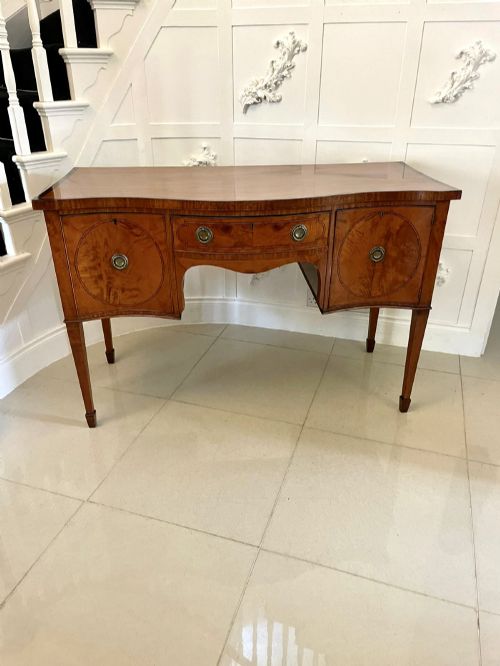
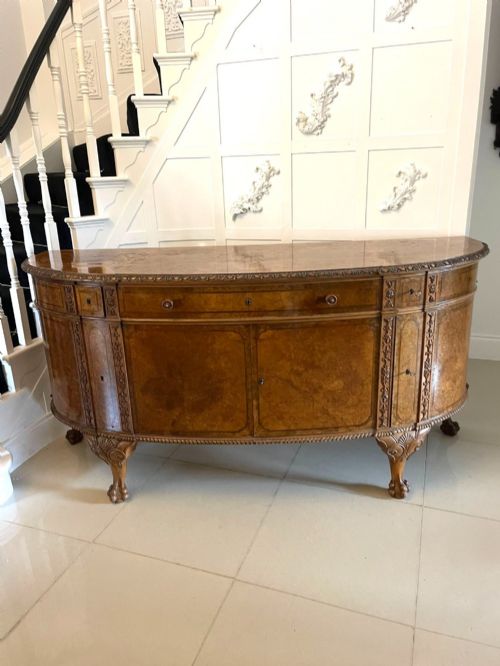
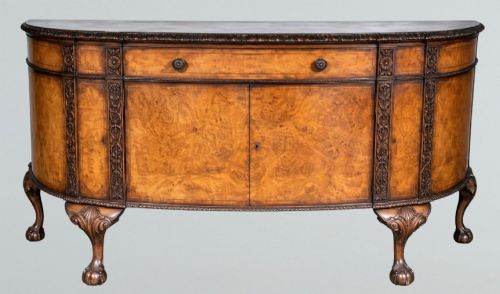
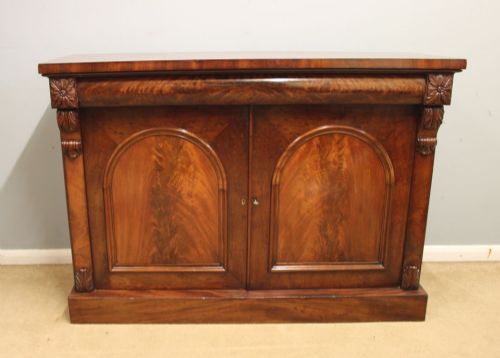

Vintage Server Cabinet
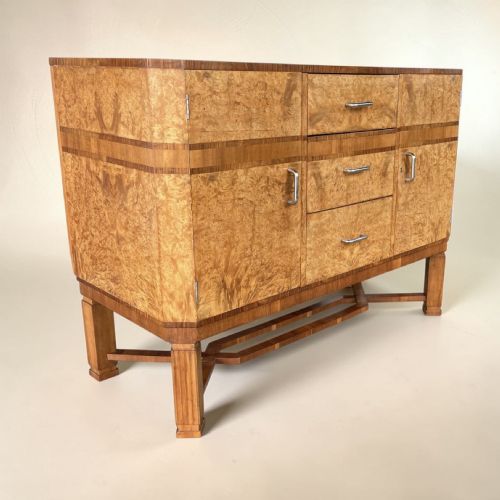
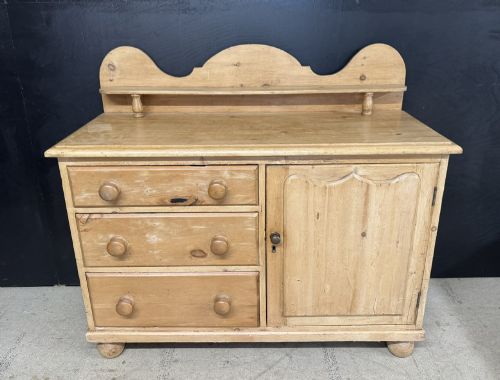
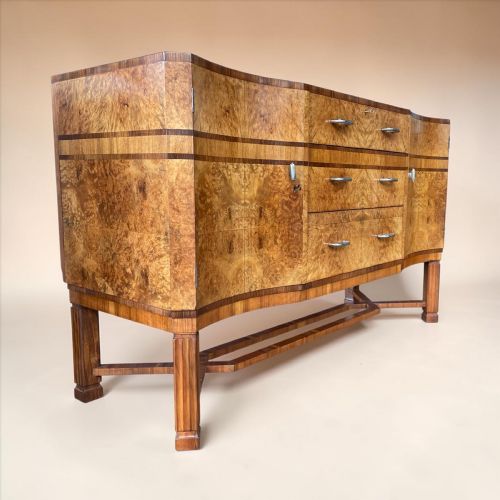
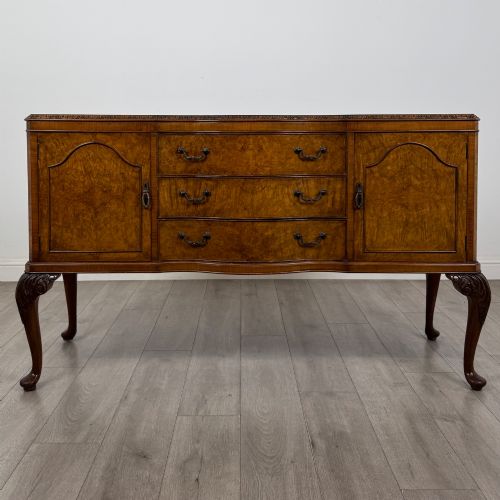
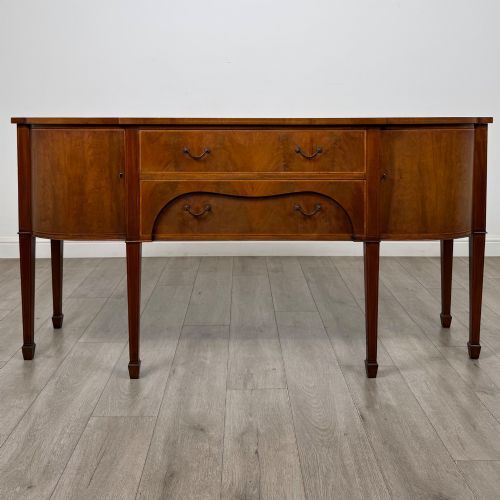
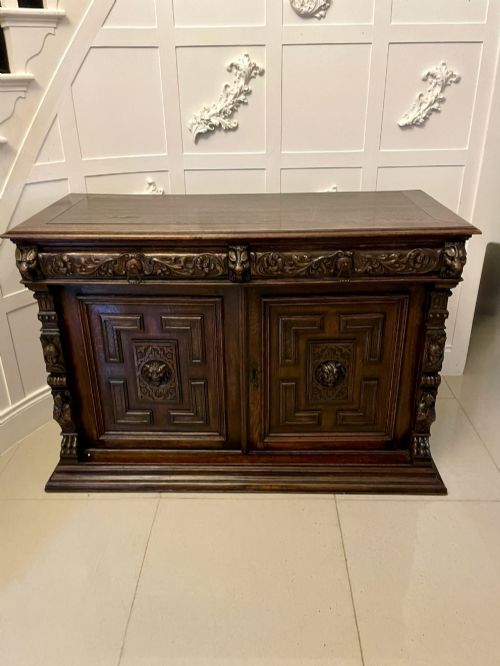
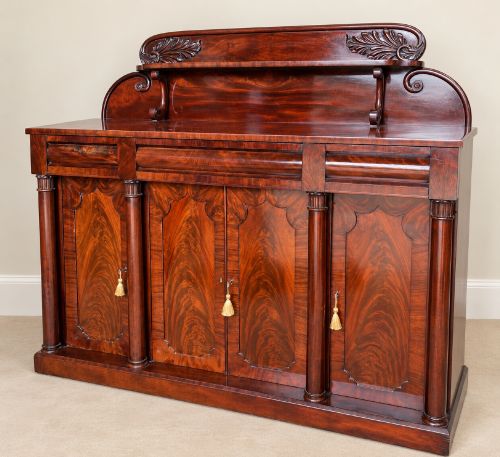
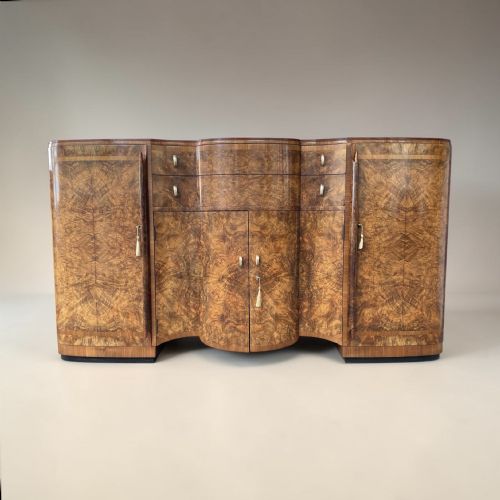
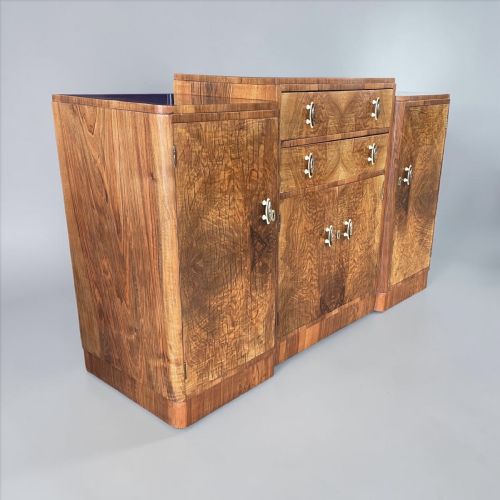
A vintage server cabinet brings heavy mahogany, warm oak and figured burr walnut into the dining room for daily service.
Vintage Server Cabinet
When buyers search for a vintage server cabinet, they encounter sideboards, side cabinets, chiffoniers and cupboards spanning the Victorian, Edwardian and Art Deco periods. These forms developed to serve food and store dining linen, china and cutlery in large houses.
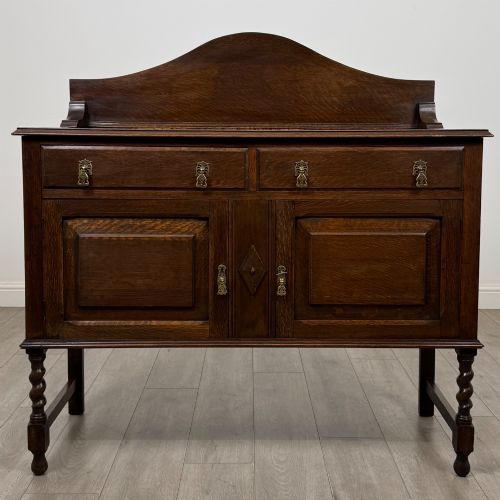
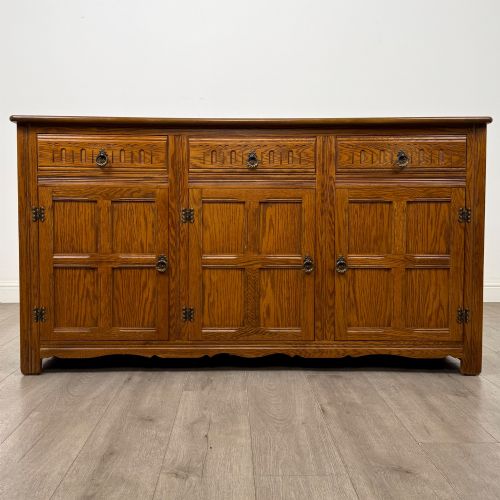
The most frequent version on this page is the oak or mahogany sideboard, often dating from the Edwardian era or the nineteen-thirties and incorporating cupboards, drawers or a cutlery set.
Makers and designers working across these decades drew on Georgian, Regency and Jacobean revival styles alongside clean-lined Art Deco geometry, producing pieces that range from carved court cupboards to streamlined serpentine servers.
How they were made
Cabinet makers utilised solid timbers such as oak and mahogany for structural frames, carcases and carved details, while applying decorative veneers like burr walnut, flame mahogany and satinwood to visible drawer fronts and doors.
Detailing relied on traditional joinery supplemented by brass handles, glass panels, iron hardware and occasionally marble tops or inlaid stringing in contrasting woods.
Surfaces were finished with wax, polish or varnish to protect the timber and highlight the natural grain figures of elm, walnut and mahogany.
One unexpected server cabinet arrives complete with a twelve-piece cutlery set tucked inside its drawers, ready for a dinner party.
What varies in quality
The distinction between ordinary production and superior pieces lies in the selection of timber veneers, such as richly figured burr walnut or matched flame mahogany, and the crispness of hand carving on oak panels and mouldings.
Construction standards reveal themselves in the weight and stability of the carcase, the snug fit of dovetailed drawers and the presence of maker stamps or attribution to notable workshops.
Design ambition separates standard commercial furniture from elevated examples, with pieces featuring serpentine fronts, breakfront proportions or distinct Art Deco lines commanding greater attention.
Maurice Adams·Edward Barnsley·Gomme·Whytock and Reid
The Vintage Server Cabinet Glossary
- Serpentine
- A curved front shaped with a convex centre flanked by concave wings. This sophisticated profile requires skilled woodworking to achieve fluid lines.
- Bow front
- A cabinet front that curves outwards in a smooth, convex arc. It softens the boxy geometry of a standard rectangular sideboard.
- Chiffonier
- A compact sideboard or low cupboard featuring a shelf or mirror back. Victorian dining rooms utilised these for serving small dishes and holding glassware.
- Court cupboard
- An antique heavy oak storage piece with an enclosed upper section supported by pillars. Jacobean and Edwardian revival versions replicate this traditional English form.
- Breakfront
- A piece of furniture whose central section projects forward from the recessed side sections. This architectural arrangement creates depth and visual rhythm in large rooms.
Vintage Server Cabinet: Frequently Asked Questions
What is a server cabinet used for?
These pieces function primarily as dining room storage for tableware, serving platters, linen and cutlery sets. The top surface provides a convenient station for laying out food and drinks during meals.
Over time, owners have adapted them for living rooms and hallways as media units or general storage cabinets.
How do I identify an Art Deco server?
Art Deco pieces from the nineteen-thirties display streamlined geometric forms, waterfall edges and contrasting wood veneers like burr walnut paired with sycamore. They discard heavy historical revival carving in favour of smooth, uncluttered surfaces.
Designers such as Maurice Adams and Gomme produced influential cabinets during this modern era.
Are Edwardian cabinets different from Victorian ones?
Edwardian server cabinets tend to be lighter in construction, frequently utilising golden oak, satinwood or mahogany with inlaid stringing and Sheraton revival motifs. They often feature barley twist legs and neat proportions suited to smaller Edwardian homes.
Victorian cabinets lean towards darker, heavier timbers like mahogany and walnut, frequently incorporating carved panels, mirror backs and massive proportions.
How do I care for a wood server?
Protect the polished or waxed timber surface by avoiding direct sunlight and placing felt pads under heavy decorative items or serving dishes. Regular dusting with a soft cloth maintains the finish.
Feed dry wood occasionally with an appropriate wax or polish to preserve the depth of the grain.