






Vintage Seaside Art
Vintage seaside art captures coastal scenes through traditional paintings and works on paper that bring maritime charm into any room.
Vintage Seaside Art
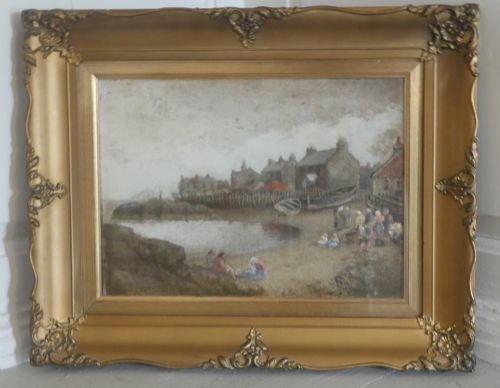
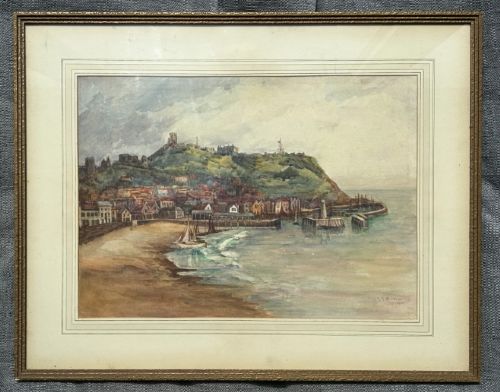
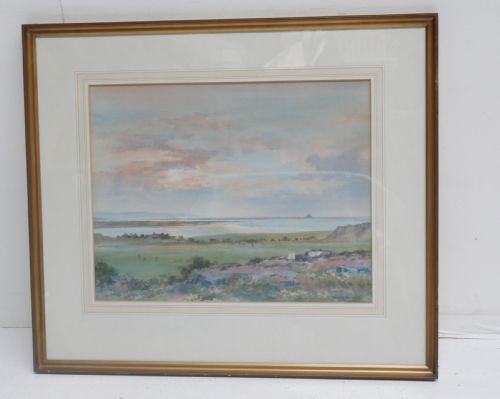
Vintage seaside art spans framed watercolour paintings, oil on canvas works, and decorative objects depicting coastal landscapes, fishing harbours, and beach scenes. These pieces capture specific British and European coastal locations, from Yorkshire bays to Dorset cliffs and Cornish harbours.
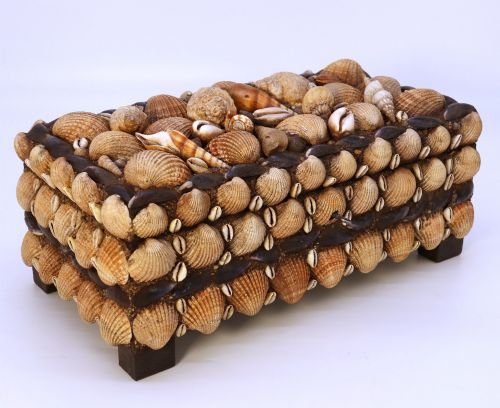
Buyers encounter works produced across multiple eras, including Victorian depictions, Edwardian coastal views, interwar pieces, and mid-century impressionist watercolours. Alongside paintings, the category includes folk art shellwork boxes created as coastal mementos.
The subjects range from bustling harbour scenes with fishermen bringing in the catch to quiet sandy beaches, chalk cliffs, and Victorian pleasure piers. These works reflect changing artistic approaches to the coast over more than a century of production.
Materials and techniques
Artists working on vintage seaside art utilised traditional painting media, applying oil paints to canvas, board, or wood panels to build textured coastal views. Watercolour on paper was equally common for capturing the changing light and transparent washes of the sea and sky.
Framed works often retain period wooden frames, sometimes with gilt finishes that complement the palette of the paintings. Decorative items incorporate organic elements like gathered shells applied to wooden boxes in detailed folk art arrangements.
Current listings feature watercolours, oil paintings on canvas and board, and folk art objects spanning the nineteenth and twentieth centuries.
Quality variations
Quality in vintage seaside art rests on the artist's ability to handle atmospheric light, marine weather, and coastal topography with conviction. Stronger pieces demonstrate confident brushwork and precise draughtsmanship that place the viewer directly on the shore or harbour wall.
The condition of the paper or canvas, the stability of the paint layers, and the presence of the original period frame influence the integrity of the piece. Works that retain their original signed attributions and documented locations hold particular interest for collectors of regional British art.
Clifford Hanney·William Banks Fortescue·Sir William Russell Flint·Yves Brayer·Harry John Pearson
The Vintage Seaside Art Glossary
- Watercolour painting
- A work created using water-soluble pigments on paper, valued for its luminous qualities when depicting coastal light and water.
- Oil on canvas
- A painting technique where pigmented oil is applied to stretched woven fabric, allowing for rich texture and deep colouration.
- Impressionism
- An art style focused on accurate depiction of light in its changing qualities, frequently seen in mid-century coastal landscapes.
- Folk art
- Utilitarian or decorative items created by self-taught makers, encompassing handmade seaside mementos like shellwork boxes.
- Provenance
- The documented history of a piece, including previous ownership and exhibition records, establishing its authenticity and origin.
Vintage Seaside Art: Frequently Asked Questions
How do I date a seaside painting?
Dating relies on stylistic clues, framing materials, and artist signatures recorded on the work or reverse. Clothing styles of figures depicted on the beach also offer clear chronological markers.
Many pieces carry specific dates or fall within documented periods of an artist's working life, helping to place the creation within a particular decade.
Where were these coastal scenes painted?
The works depict recognizable locations along the British coastline, including Yorkshire fishing ports, Dorset cliffs, and Cornish harbours. European coastal views in France and Italy also appear among the selections.
Artists frequently set up their easels outdoors to capture specific topographical details of piers, bays, and seaside towns.
Are these works original paintings?
The selection primarily consists of original hand-painted watercolours and oil paintings created directly by the artists. Each piece represents a unique artistic interpretation of the coast rather than a mass-produced print.
Occasional lithograph posters from the early twentieth century also feature, representing period travel and seaside advertising.
How should I display coastal art?
These works suit domestic interiors seeking traditional maritime character, pairing well with neutral walls that highlight the tones of the sea and sky. Proper placement avoids direct sunlight to protect watercolours and canvas from fading.
Retaining the original wooden frames helps maintain the historical context of the piece when hanging it in your home.