



Vintage Scottish Artwork
Vintage scottish artwork captures the rugged landscape, domestic scenes and coastal light of the region through oils, watercolours and etchings.
Vintage Scottish Artwork
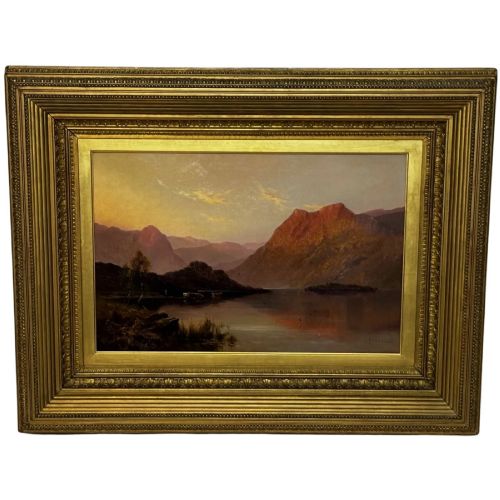
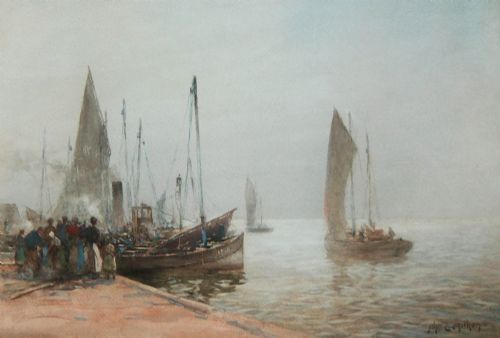
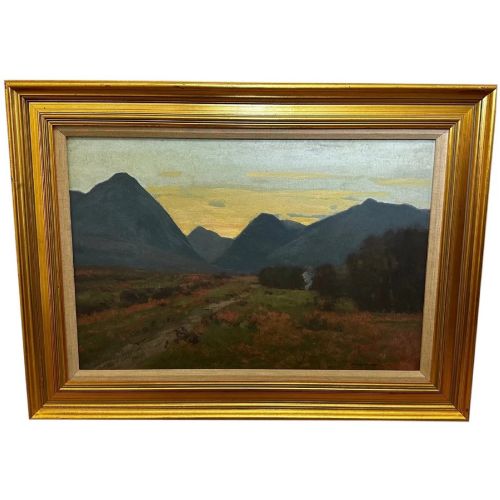
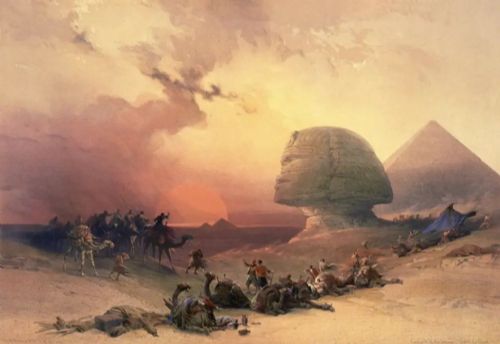
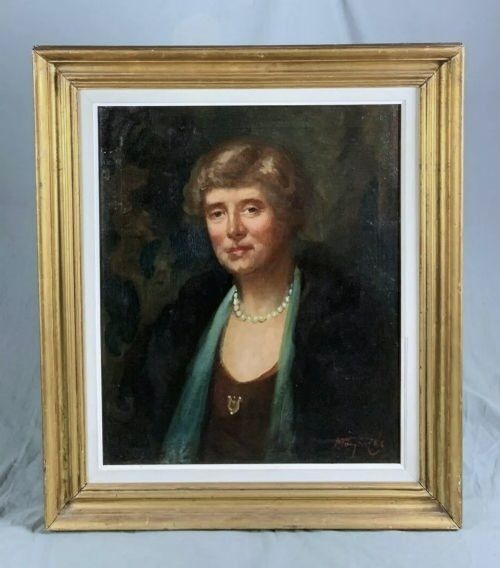
When you search for vintage scottish artwork, you encounter oil paintings, watercolours and framed wall art originating from the nineteenth century through to the mid-twentieth century. The selection on this page leans heavily toward traditional highland landscapes, coastal views, loch scenes and portraiture produced by artists working within the Scottish School.
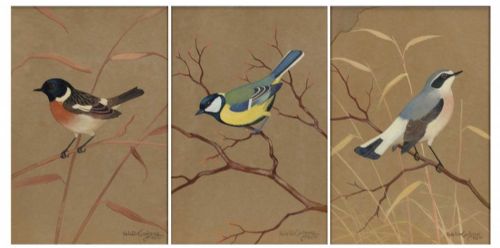
The material forms range from small oil paintings on wood panels and canvas to delicate watercolours on paper and large framed exhibition pieces. Subjects often record specific locales such as the Isle of Arran, the Grampians, Loch Ness and rural crofts alongside intimate interior studies and garden bird illustrations.
How they were made
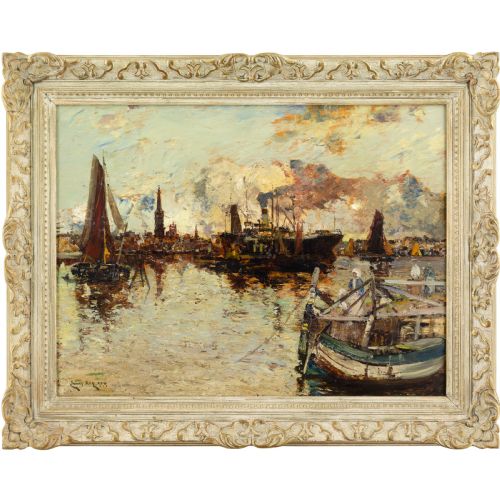
Artists relied upon oil paint applied to canvas or wood panels, and watercolour pigments worked onto paper surfaces, sometimes supported by glass for framing. Technique spans from the careful academic realism of Victorian cattle painters to the looser brushwork of Scottish impressionist impasto and mid-century modern abstraction.
Framed presentation is common, utilising wood mouldings that protect the original medium, whether an oil painting or a coloured lithograph. Support panels of wood and stretched canvas provide the rigid foundation necessary for heavy impasto applications.
Vintage Scottish Artwork Retail Price Guide 2026
Typical asking prices for vintage scottish artwork among the pieces listed under this phrase on Sellingantiques today, from the lower quarter to the upper quarter. They describe what is for sale here now, not the wider market.
The site listings span from the Victorian era through the Edwardian period to mid-century modern abstraction.
What varies in quality
The strength of composition and the fidelity of light separate routine topographical records from accomplished works by elected members of royal academies. Handling of the medium distinguishes the pieces, from thin, flat washes to confident impasto that builds actual texture on the canvas or board.
Provenance and attribution also differentiate the works, as signed pieces by listed artists carry distinct documentary weight compared to anonymous output of the period. The integration of subject matter with the mood of the landscape determines the lasting visual impact of any given painting.
Tom Campbell·James Kay·David Roberts·Herbert Dicksee·William Littlejohn·Donald McIntyre
The Vintage Scottish Artwork Glossary
- Impasto
- Paint applied thickly to a canvas or panel, standing out in relief from the surface so that the marks of the brush or palette knife remain visible.
- Watercolour
- A painting method in which the paints are made of pigments suspended in a water-based solution, typically worked on paper.
- Wood Panel
- A flat wooden board utilised as a rigid support for oil painting, common in smaller nineteenth and early twentieth-century works.
- Scottish School
- A collective term for artists working in Scotland or sharing stylistic traditions rooted in Scottish academic and landscape painting.
- Lithograph
- A print produced from a flat stone or metal plate on which an image is rendered using an oily substance to retain ink.
Vintage Scottish Artwork: Frequently Asked Questions
What subjects appear most often?
The listings feature highland landscapes, cattle near lochs, coastal views and rural croft scenes.
Portraiture and botanical watercolours also emerge among the paintings.
How do I hang a heavy oil painting?
Large framed canvases require secure wall fixings anchored directly into masonry or wall studs.
Ensure the hanging wire and D-rings on the wooden frame match the total weight of the artwork.
Can I place watercolours in direct sunlight?
Paper and watercolour pigments fade permanently when exposed to strong, direct ultraviolet light.
Position these works away from south-facing windows and utilise glass with UV-filtering properties.
How do I distinguish an oil painting from a watercolour?
Oil paint sits on the surface with a tactile, reflective texture and requires canvas or wood panels.
Watercolour absorbs directly into paper fibres and sits flat behind protective glass.