

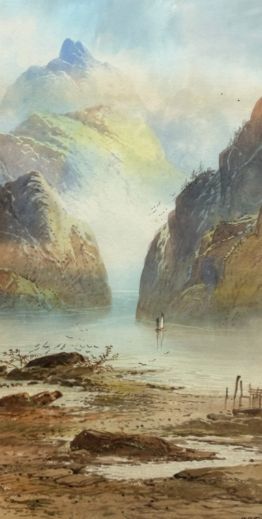
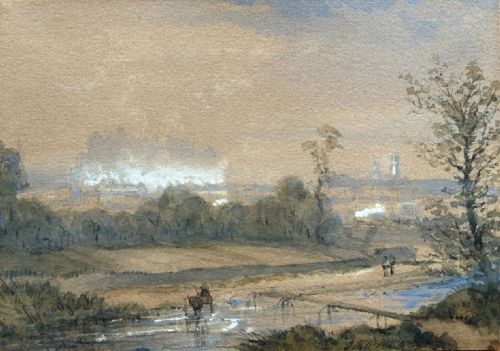
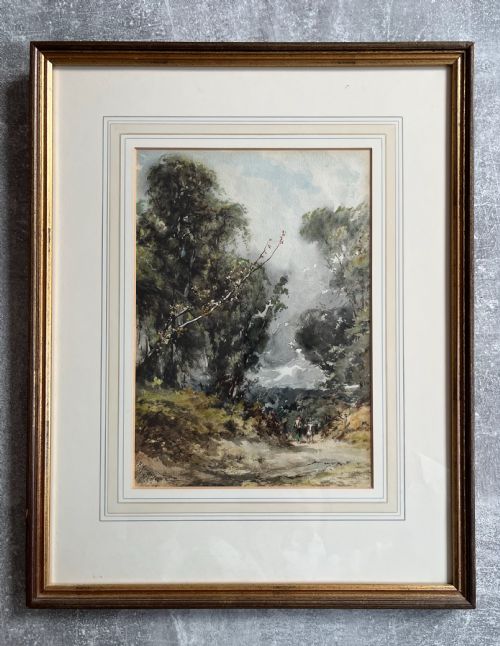
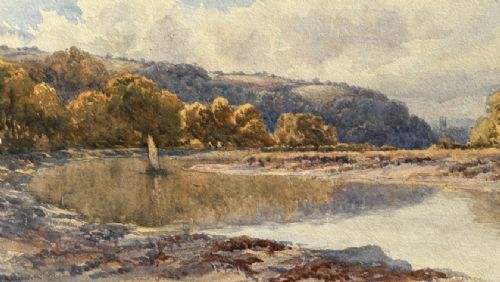




Signed Scottish Landscape Painting
A signed scottish landscape painting captures the rugged beauty of northern terrain through the authenticated hand of a named artist.
Signed Scottish Landscape Painting
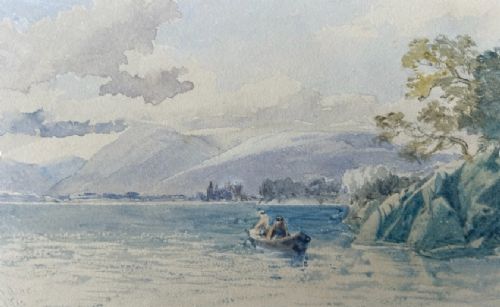
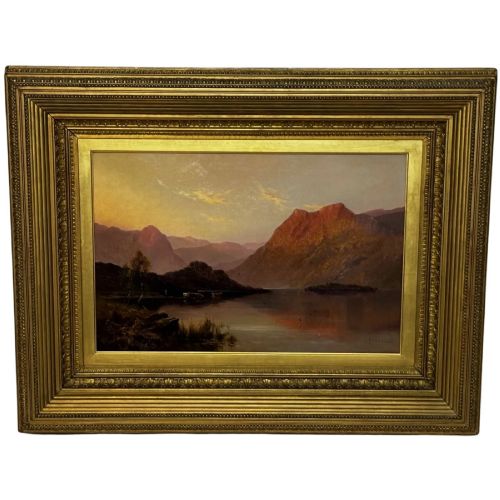
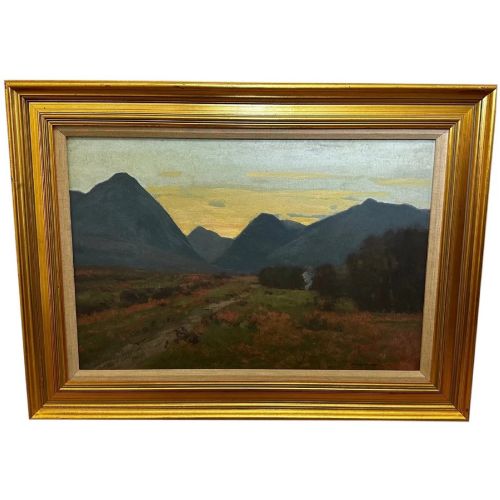
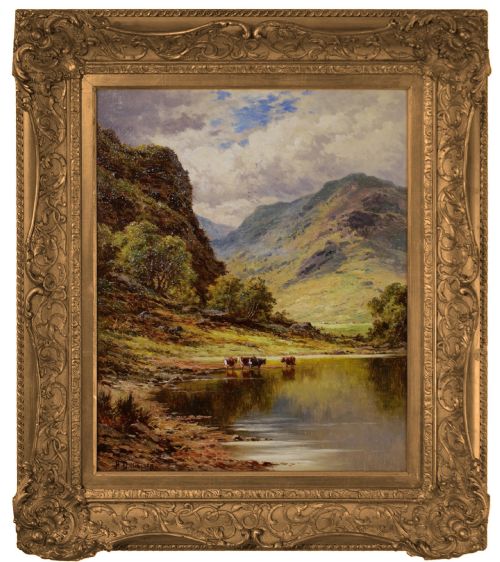
When evaluating a signed scottish landscape painting, buyers encounter works executed across the nineteenth and early twentieth centuries, alongside occasional mid-century examples. These pieces typically depict highland lochs, rolling glens, rivers, and coastal vistas created by regional artists.
The selections span delicate paper works to robust panel and canvas formats. Most examples reflect traditional academic training associated with the Scottish School or British Impressionism rather than radical abstraction.
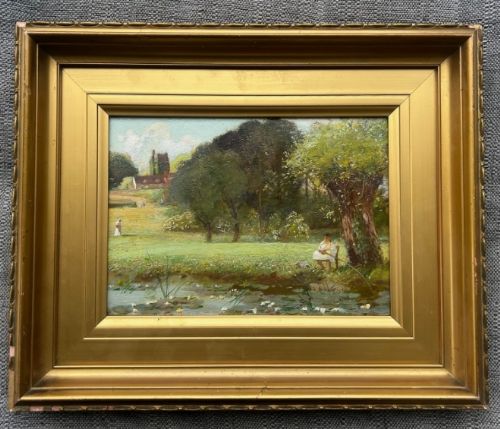
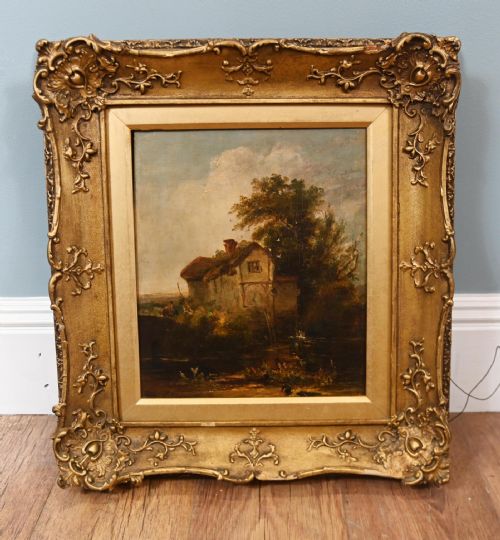
Framed artworks dominate the available selection, often retaining period gilt frames that complement the painted surface. Collectors look closely at the signature and inscribed versos to confirm provenance and location.
Materials and technique
The physical construction relies on traditional supports including stretched canvas, sturdy wood panels, and heavy watercolour paper. Artists applied oil paint for rich texture and luminous depth, or utilised watercolour for transparent atmospheric effects.
Pigments were layered with varying brushwork to render the interplay of northern light upon water, heather, and stone. Protective layers of glass frequently preserve works on paper, while oil surfaces remain exposed on canvas or board.
The selection spans the nineteenth century through the Edwardian era into mid-century modern abstract movements.
Evaluating the standard
Quality rests upon the confidence of the brushwork and the artist's ability to capture the specific atmospheric conditions of the terrain. Superior examples demonstrate a secure command of perspective and natural light rather than formulaic repetition.
The prominence of the recording hand and the clarity of the signature heavily influence desirability. Condition of both the paint layer and the original support remains paramount for long-term preservation.
David Law·George Fotherly Hargitt·Thomas Miles Richardson Jnr·William Henry Earp·John R Prentice·Tom Campbell·George Houston·Henry H Parker·William George Tennick·Sir David Murray·William Littlejohn·Robert Buchan Nisbet·Sam Bough·Benjamin Williams Leader·Thomas Pritchard·Alastair Flatterly
The Signed Scottish Landscape Painting Glossary
- Verso
- The reverse side of a canvas, panel, or paper sheet. This area often bears artist signatures, location notes, or old gallery labels.
- Gilt frame
- A wooden moulding coated in gold leaf or gilt paint. These decorative borders are frequently contemporary to the Victorian or Edwardian painting they enclose.
- Wood panel
- A rigid wooden support used by artists before canvas became universal. Panels provide a stable, flat surface for detailed oil painting.
- Scottish School
- A collective term for artists working in Scotland who shared stylistic approaches influenced by local geography and academic training.
- Gouache
- An opaque water-based paint used to achieve solid colour blocks and matte finishes on paper.
Signed Scottish Landscape Painting: Frequently Asked Questions
How do I identify the location?
Many works feature inscriptions written directly onto the front margin, stretcher bars, or the verso of the canvas. These contemporary notes usually name specific lochs, glens, or towns.
Familiar geographical landmarks painted within the composition also help pinpoint the exact valley or coastline depicted by the artist.
Are watercolours fragile?
Works executed on paper are sensitive to prolonged exposure to direct sunlight, which can fade delicate pigments. Proper conservation involves framing behind protective glass and mounting away from damp environments.
Keeping them out of harsh light ensures the original tones remain stable for decades.
What is a wood panel painting?
A wood panel painting uses a solid timber board as the rigid base for oil applications instead of woven fabric. This method provides a smooth, unyielding surface that prevents the cracking sometimes seen on aged canvas.
Many nineteenth-century artists preferred panels for smaller, highly detailed highland scenes.
How do I hang these safely?
Secure hanging requires sturdy picture wire attached to solid wooden frame corners using appropriate wall fixings. Avoid placing heavy framed oils or delicate watercolours near active heat sources or fluctuating humidity.
Stable indoor conditions protect both the antique wooden frame and the painted medium.