


Paper Watercolour Fine Art
Paper watercolour fine art brings together delicate pigment and historic illustration, offering collectors a direct window into past landscapes and intimate portraiture.
Paper Watercolour Fine Art
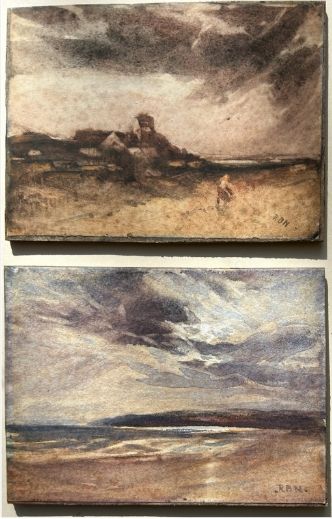
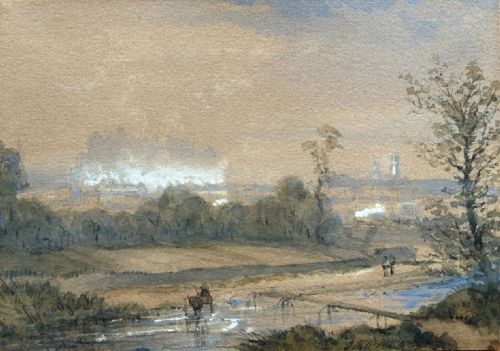
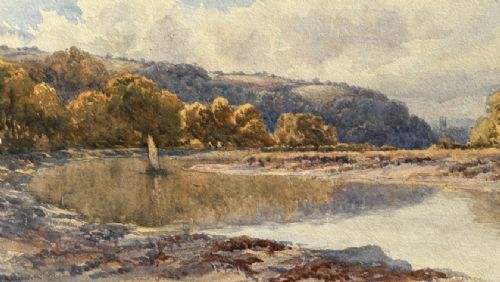
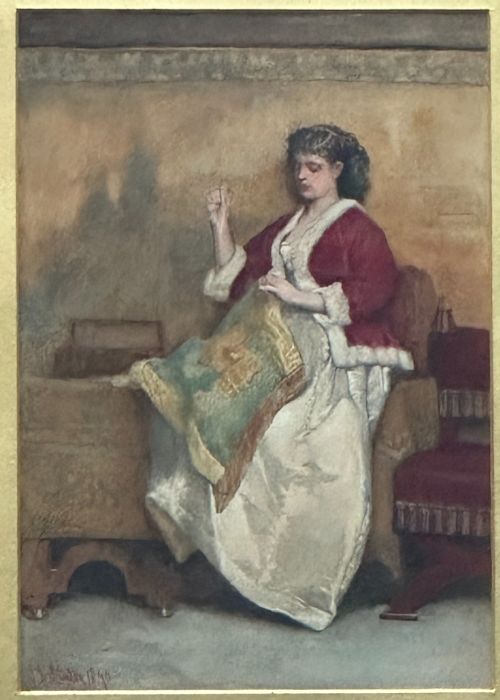
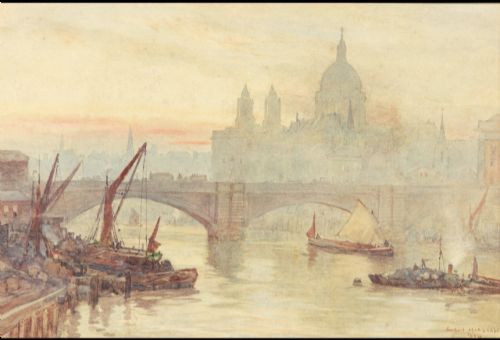
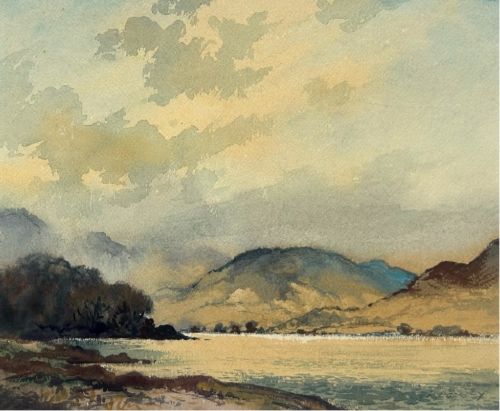
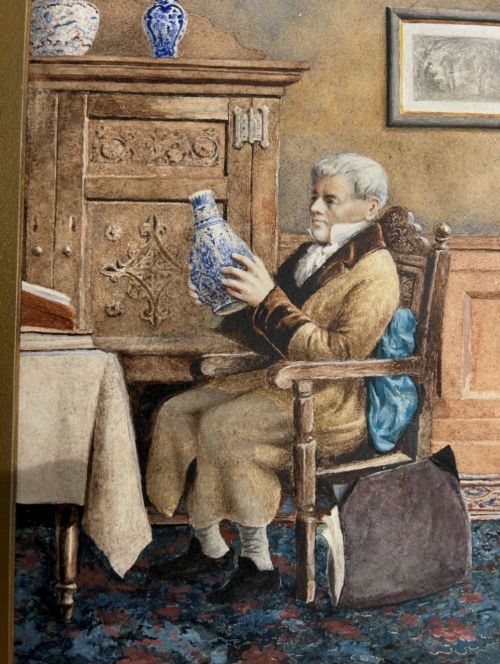
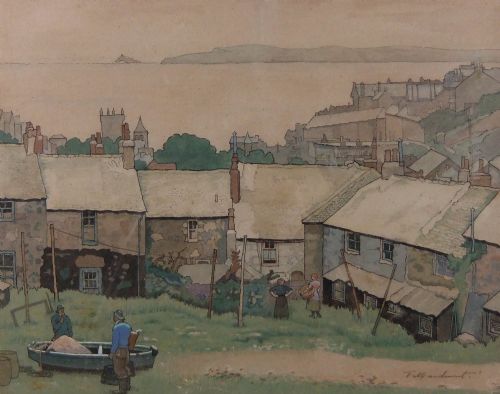
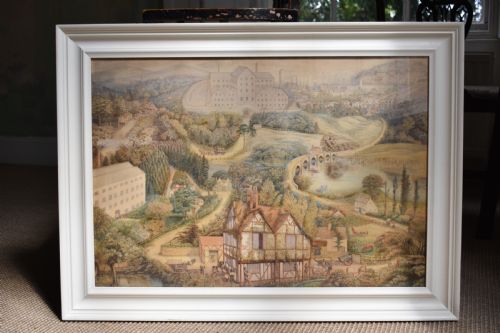
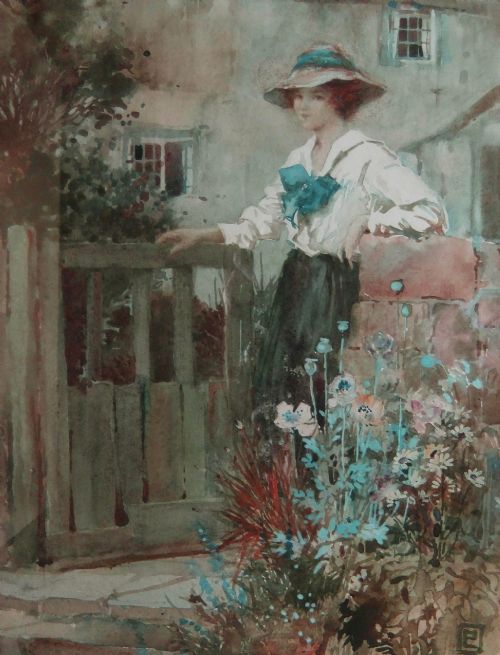
Paper watercolour fine art encompasses framed works on paper created using water-soluble pigments, often accompanied by ink lines or cut-paper details. These pieces range from detailed topographical views and coastal scenes to romantic pastoral gatherings and character studies.
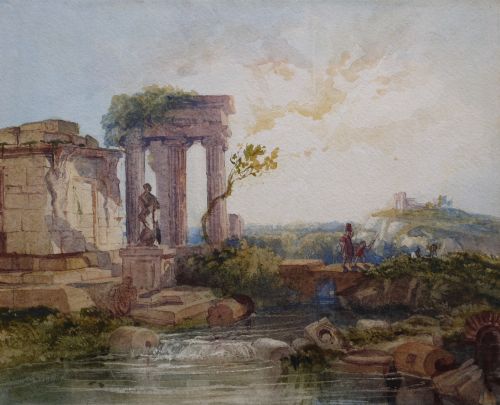
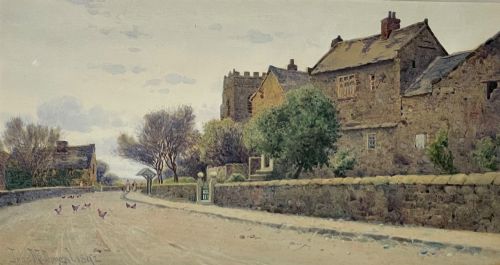
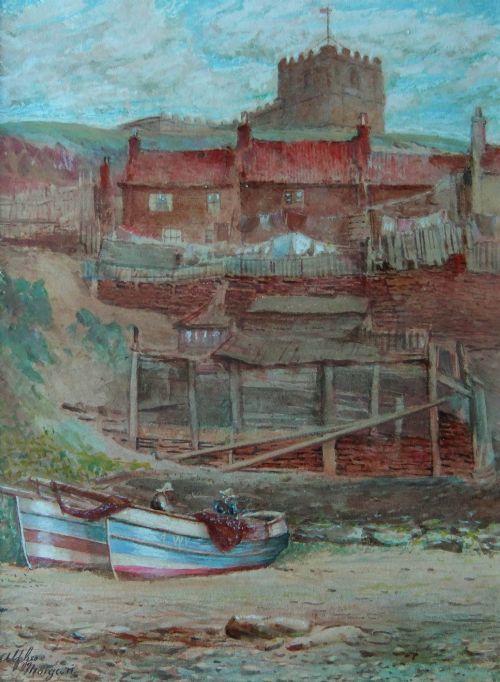
The selections span from the Georgian and Regency periods through the Victorian era into Edwardian and mid-twentieth-century examples. Buyers frequently encounter nineteenth-century British and Italian landscapes alongside charming local village and marine watercolours.
Materials and technique
Artists applied watercolour pigment and ink directly onto prepared paper sheets, frequently mounted behind glass within wood or gilt wood frames. The absorbent nature of the paper demanded precise brushwork and fluid application, leaving little room for correction.
Many historical works combine washes of translucent colour with fine ink detailing to define architectural elements or figures. The framing often utilises period wood mouldings that protect the fragile paper surface from atmospheric moisture.
An eighteenth-century artist once captured a tailor with simple ink and paper, proving great skill fits in a pocket.
Assessing quality
Quality rests upon the confidence of the brushwork and the preservation of the pigment's original vibrancy against fading. Masterful handling shows in the luminosity of sky washes and the careful rendering of light and shadow.
Compositional balance and the clarity of the subject matter distinguish accomplished works from standard topographical exercises. Strong provenance and signed attribution further elevate the standing of an individual piece.
Guido Bach·Richard Principal Leitch·Sir James Dromgole Linton·Thomas Ellison·John McDougal·Thomas Maidment·Alfred G. Morgan·William Matthison·Percy Lancaster·Robert George Talbot Kelly·Edgar Woollatt·Cornelius Pearson·Edwin Lord Weeks·Arthur Tucker·James Orrock·Albin R Burt·Francis Wheatley·Robert Winchester Fraser·Henri Joseph Harpinies·Bernard Walter Evans·Augustus Jules Bouvier·Vittore Zanetti Zilla·Thomas Lound·Thomas Rowlandson·Emil John Hess
The Paper Watercolour Fine Art Glossary
- Watercolour pigment
- Finely ground colour particles suspended in a water-soluble binder. This medium allows for transparent washes that let the reflective quality of the underlying paper illuminate the image.
- Topographical
- Representing specific real-world locations and landmarks with descriptive accuracy. These views document nineteenth-century towns, rivers, and coastal regions.
- Impressionism
- A style emphasising transient effects of light and spontaneous brushstrokes rather than rigid detail. This approach appears in British and Edwardian landscape works.
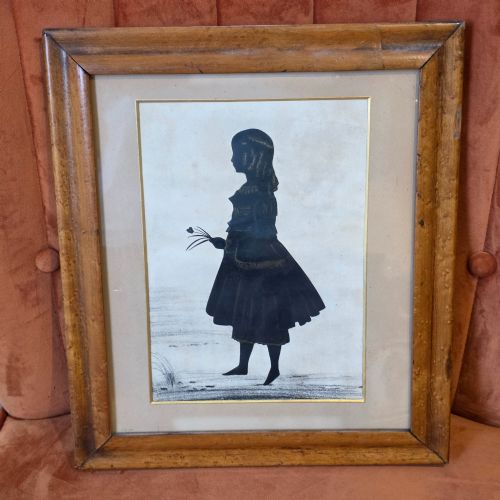
- Silhouette
- A portrait outline filled in solidly with a dark colour or cut from paper. This technique captures profiles with stark linear economy.
Paper Watercolour Fine Art: Frequently Asked Questions
How should I display watercolour paintings safely?
Keep framed works away from direct sunlight to prevent the pigments from fading over time. Maintaining stable indoor humidity levels also protects the historic paper from warping or deterioration.
Ensure that the backing behind the glass allows proper ventilation while keeping out dust and insects. Professional framing with conservation-grade materials guarantees long-term preservation.
What subjects are common in these watercolours?
Landscapes and marine scenes dominate the selection, capturing rural countryside, rivers, and coastal harbours. Architectural studies of bridges, castles, and historic town streets also appear frequently.
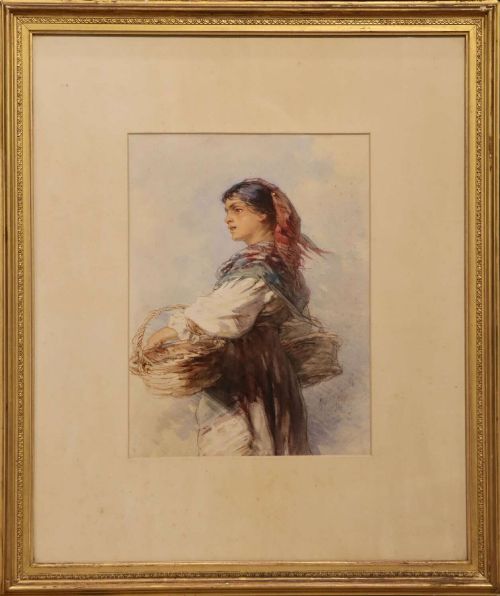
Portraiture forms another significant category, featuring individual character studies, pastoral gatherings, and figures in regional dress. Many pieces record specific nineteenth-century locations across Britain and Europe.
How do I date a historic watercolour?
Examine the paper quality, ink styles, and framing materials for period characteristics. Signatures, dates inscribed by the artist, and handwritten notes on the reverse provide direct chronological evidence.
Stylistic markers such as Victorian classical compositions or Edwardian impressionist brushwork offer further guidance. Comparing the subject to documented works by the same artist helps narrow the timeframe.
Are these works always signed by the artist?
Many pieces feature visible artist signatures or monograms, while others remain unsigned or attributed based on style. Attributions to followers or specific manners rely on stylistic comparison with known bodies of work.
Unsigned watercolours were common in sketchbooks and studies kept by artists for personal reference. Documentation accompanying the piece often records historical attribution details.