


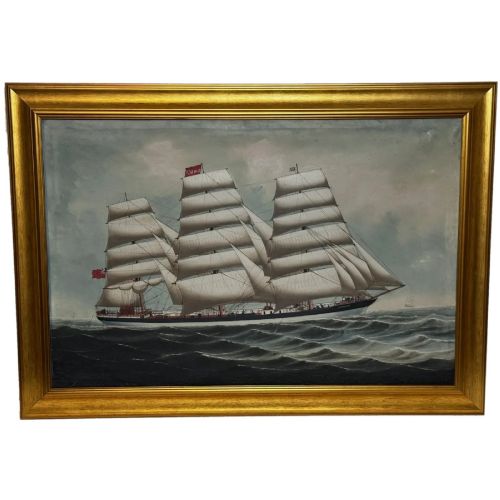
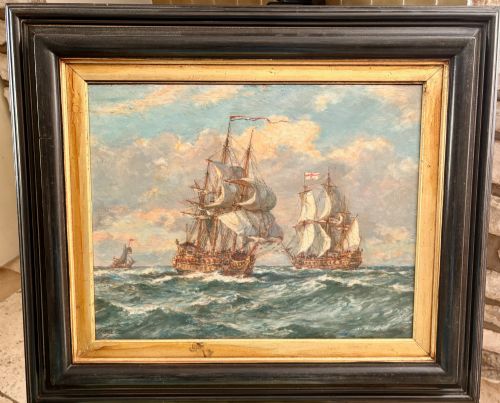
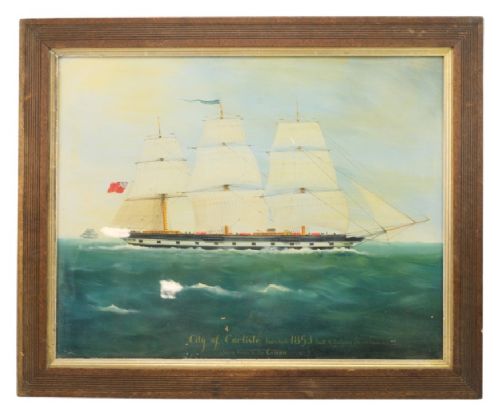
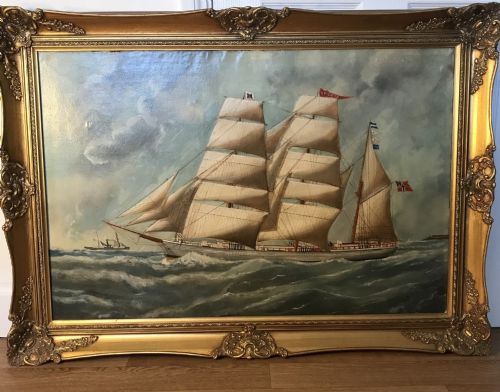


Vintage Sailing Vessel Art
Vintage sailing vessel art captures the maritime heritage of past centuries through oil paintings, watercolours, and detailed model dioramas.
Vintage Sailing Vessel Art
Vintage sailing vessel art encompasses paintings, watercolours, and three-dimensional dioramas depicting ships and maritime scenes across various periods. Buyers seek out these works to bring historic nautical subjects and coastal atmosphere into interior spaces.
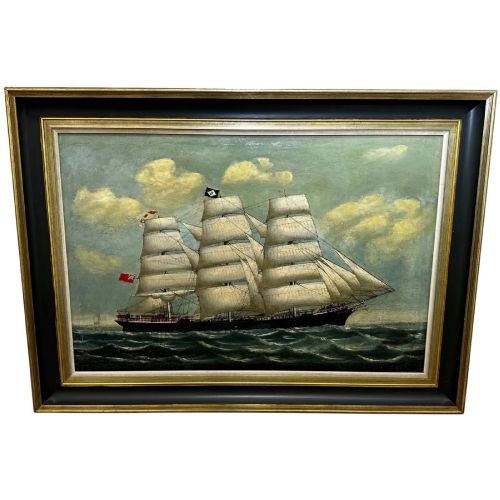
The selections available here range from nineteenth-century oil paintings of named clippers to early twentieth-century folk art ship models encased in glass. Traditional depictions often record specific vessels, naval engagements, or coastal shipping routes.
Works appear in formats such as framed canvases, paper watercolours, and wooden dioramas featuring miniature rigging. These pieces reflect the enduring artistic fascination with marine exploration and commercial seafaring.
Materials and construction methods
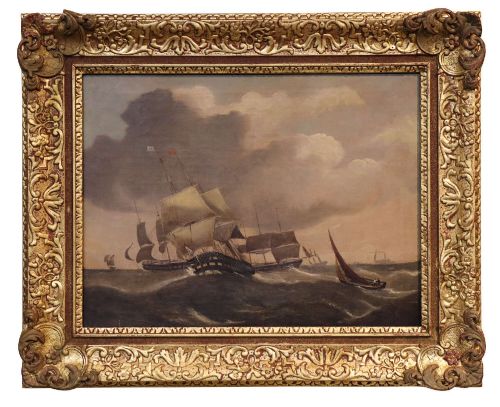
Painters utilised oil and watercolour mediums applied to canvas, paper, or wooden boards to capture coastal light and rough seas. These traditional materials define the surface texture and tonal depth of the maritime paintings.
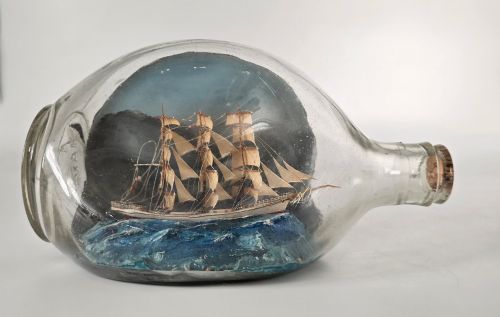
Makers constructed ship models and dioramas using carved wood, canvas, glass, and painted elements to simulate three-dimensional vessels at sea. Detailed rigging and miniature hulls reveal the precise handwork involved in folk art and marine craft.
Listings feature works created using oil paint, watercolour, canvas, paper, wood, and glass across the Victorian and mid-century periods.
Distinctions in quality
The standard of execution in rigging accuracy, hull proportion, and maritime perspective distinguishes accomplished works from simpler folk art pieces. Master marine artists demonstrated deep knowledge of ship architecture and fluid dynamics in choppy waters.
Condition and originality of framing, canvas integrity, and the preservation of delicate bottle or cased dioramas influence the integrity of the piece. Works retaining documented vessel histories or attributed artists hold particular interest.
Reginald Arthur Borstel·Bernard Gribble·Lai Fong·William Frederick Settle·Dion Pears·Marie-Edouard Adam·Gustave de Breanski·Frank Wood·Joseph Heard·Paul Jean Clays·Fred Mayor·Samuel John Milton Brown
The Vintage Sailing Vessel Art Glossary
- Diorama
- A three-dimensional scene enclosed in a case or bottle, often depicting a model sailing ship amid carved waves. These constructions use painted backgrounds and miniature rigging to create realistic perspective.
- Barque
- A sailing vessel with three or more masts having square sails on the foremast and mainmast and fore-and-aft sails on the mizzenmast. This rig frequently appears in nineteenth-century marine paintings.
- Seascape
- A painting, photograph, or other work of art that depicts the sea. These works focus on coastal views, open water, or ships navigating variable weather conditions.
- Clipper
- A very fast nineteenth-century merchant sailing ship with multiple masts and a square rig. Artists frequently portrayed these vessels under full sail to emphasise speed and scale.
- Folk art
- Artistic work created in a traditional style by untrained or self-taught makers. In maritime contexts, this includes scratch-built ship models and naive paintings made by sailors or coastal residents.
Vintage Sailing Vessel Art: Frequently Asked Questions
What periods do these pieces date from?
The works span from the eighteenth century through the Victorian and Edwardian eras into the mid-twentieth century. Many pieces date specifically from the nineteenth century.
Selections include dated works from the 1860s, 1910s, and 1930s, reflecting changing artistic styles in marine depiction.
How should I display a cased diorama?
Cased dioramas and ship models require stable environments away from direct sunlight and excessive humidity to protect wood, canvas, and glass elements. Placing them on sturdy wooden plinths or shelves ensures secure support.
Keep sealed glass bottles and display cases clean with a dry microfiber cloth to maintain visibility of the interior rigging.
How do I identify the ship in a painting?
Many marine paintings feature inscribed titles, signatures, or specific flags that identify the vessel, such as named clippers or naval ships. Background landmarks like lighthouses or coastal ports often provide historical context.
Researching shipping lines and port records helps connect anonymous maritime scenes to documented historical voyages.
What is the difference between an oil painting and a watercolour?
Oil paintings utilise pigment suspended in drying oil applied to canvas or board, offering rich textures and deep tonal layers suitable for dramatic seascapes. Watercolours use water-soluble pigments on paper, producing lighter, translucent washes.
Watercolours typically require protective framing behind glass, whereas traditional oil canvases remain exposed on stretchers.