




Antique Boat Landscape Artwork
Antique boat landscape artwork captures maritime life and coastal scenery through traditional oil and watercolour paintings.
Antique Boat Landscape Artwork
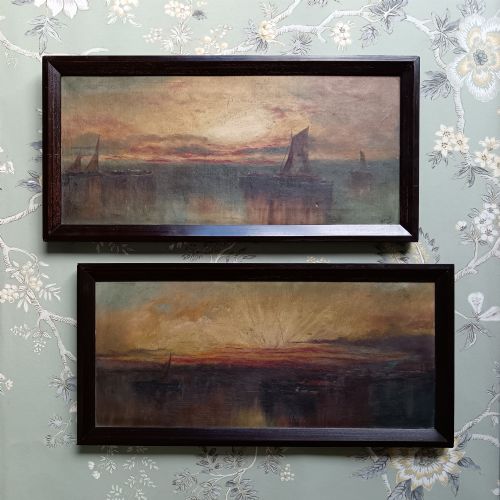
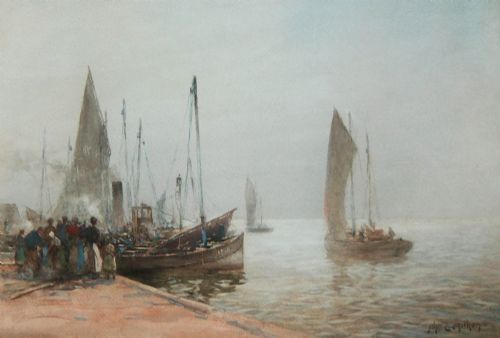
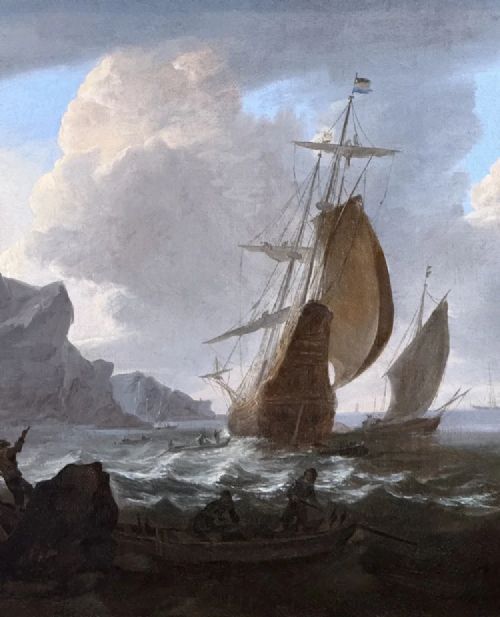
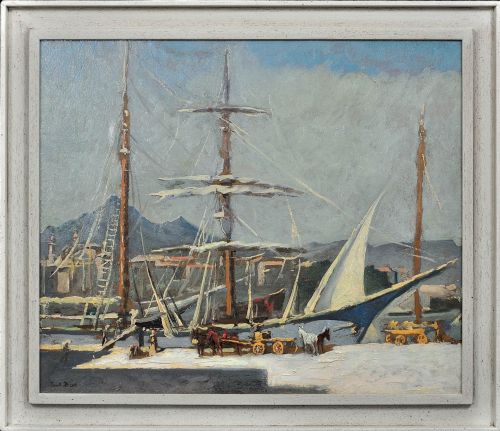
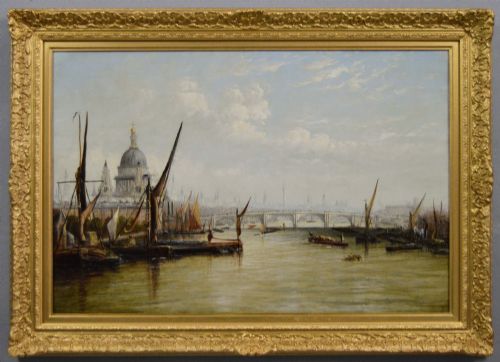
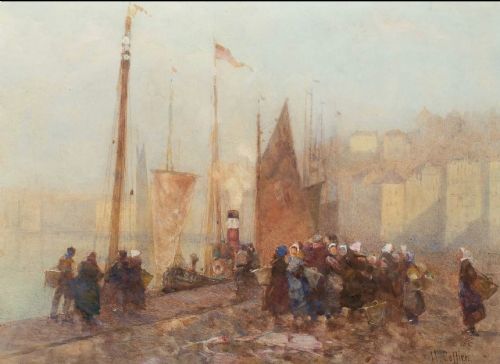
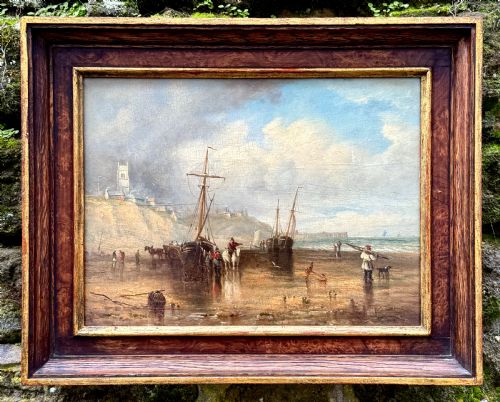
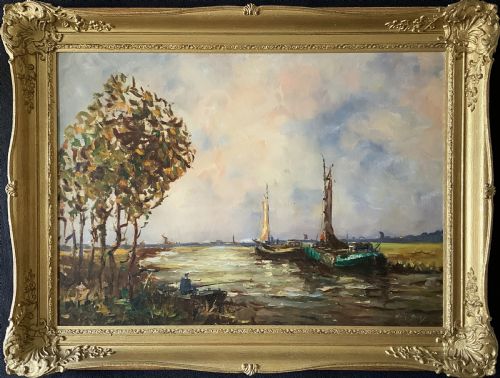
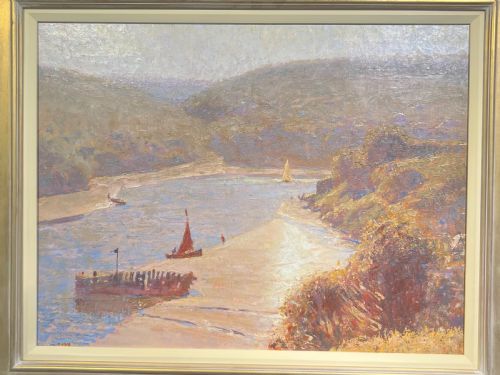
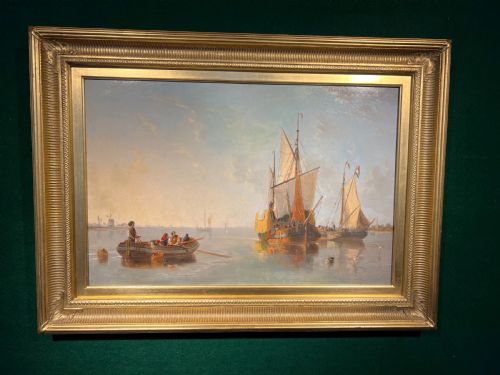
Antique boat landscape artwork represents maritime and river scenes executed in oil or watercolour across the nineteenth and early twentieth centuries. These works record bustling harbours, coastal fishing vessels, and quiet river views from British and continental European schools.
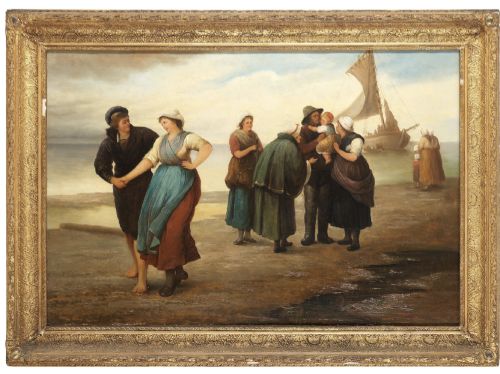
Buyers encounter Victorian marine art, Edwardian coastal watercolours, and Impressionist interpretations of shipping lanes. The selection ranges from intimate studies on paper to expansive oil paintings enclosed in original gilt wood frames.
How they were made
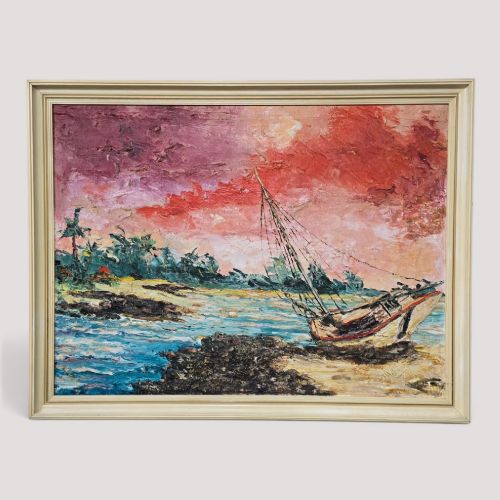
Painters applied oil pigments onto stretched canvas or wooden board, using brushes and palette knives to build texture and atmospheric depth. Watercolours were brushed onto paper to capture translucent light across coastal skies and moving water.
Finished works were typically housed in decorative timber frames enriched with gesso and gilt finishes, protecting the pictorial surface while enhancing the visual presentation.
Listings feature works created using oil on canvas, oil on board, and watercolour on paper, housed within gilt wood frames.
What varies in quality
Quality rests upon the artist's ability to render light, movement, and scale within the maritime setting. Skilled brushwork accurately captures the rigging of vessels and the restless surface of the sea.
The sophistication of the composition and the preservation of the original pigments and gilt framing determine the distinction between standard decorative pieces and finer collector examples.
James Orrock·Bonaventura Peeters·Francis Moltino·Thomas Creswick·John Wilson Carmichael·George Stanfield Walters·Gustave De Bréanski·Thomas Bush Hardy·Abraham Hulk Snr
The Antique Boat Landscape Artwork Glossary
- Gesso
- A plaster-like mixture applied to wooden frames before gilding. It provides a smooth surface for carving and applying gold leaf.
- Seascape
- A painting depicting the sea, coastal views, or marine vessels. These works often focus on weather conditions and coastal topography.
- Watercolour
- A painting method where paint is made of pigments suspended in a water-based solution. It is typically applied to paper supports.
- Impressionism
- A nineteenth-century art movement characterised by relatively small, thin, yet visible brush strokes. The focus is on accurate depiction of light in its changing qualities.
Antique Boat Landscape Artwork: Frequently Asked Questions
What is an antique boat landscape artwork?
These pieces are historical paintings depicting vessels, rivers, and coastal harbours, created primarily during the nineteenth and early twentieth centuries.
They record maritime trades, fishing fleets, and coastal topography using oil or watercolour mediums.
How were these maritime paintings displayed?
Period artworks were typically framed in timber mouldings finished with gesso and gilt leaf to complement domestic interiors of the era.
Original frames help preserve the context and presentation of the artwork.
How do I care for an oil painting?
Keep oil paintings away from direct sunlight and extreme fluctuations in temperature and humidity to protect the canvas and paint layers.
Dust the surface gently with a soft, dry brush without applying pressure.
How do I distinguish watercolours from oils?
Waterworks use a paper support and are displayed behind protective glass to prevent moisture damage.
Oil paintings utilise canvas or board surfaces and remain unglazed, allowing the textured brushwork to be touched by air.