


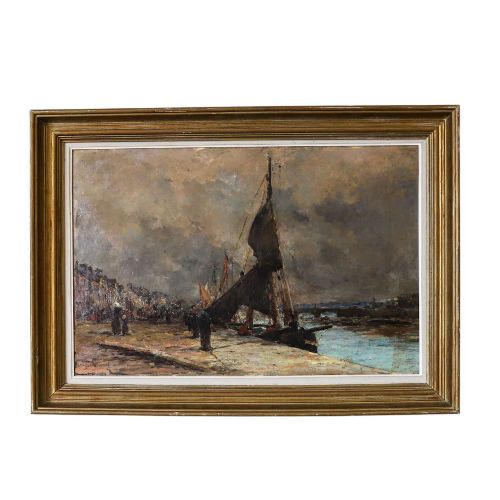
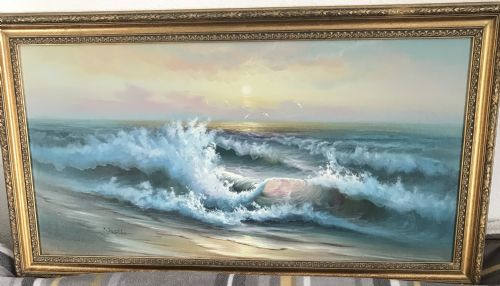
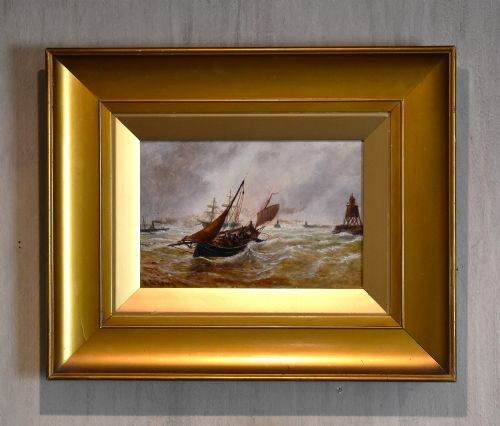
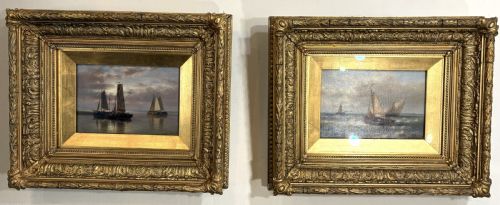

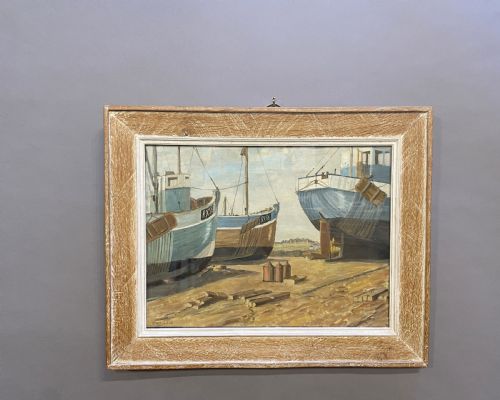
Original Nautical Oil Painting
An original nautical oil painting brings the movement of coastal life, rivers and open water straight onto the wall.
Original Nautical Oil Painting
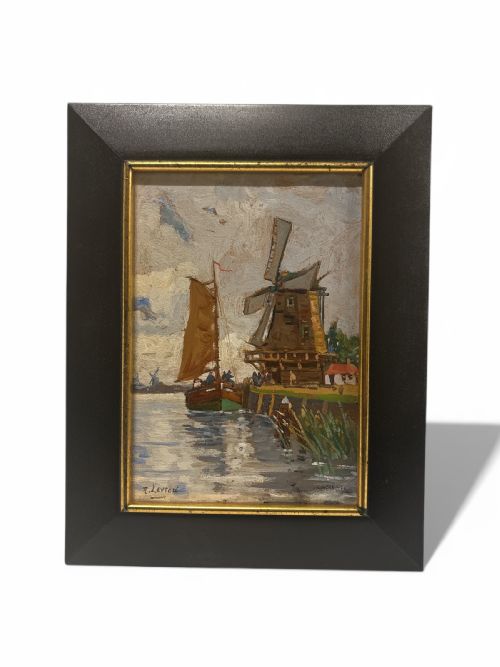
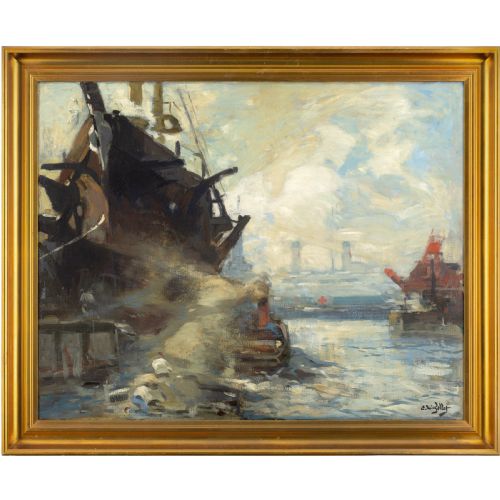
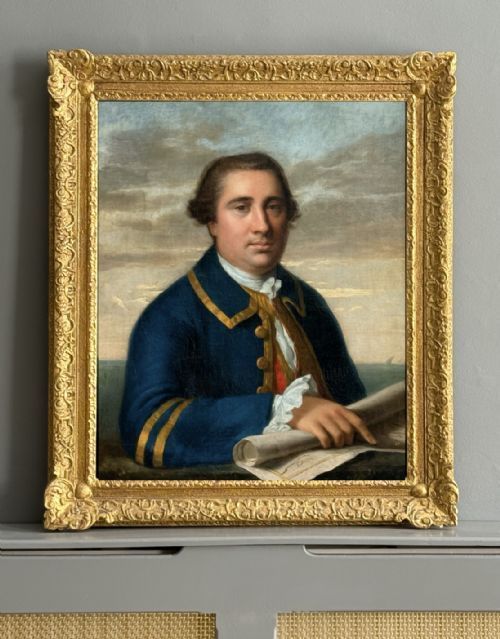
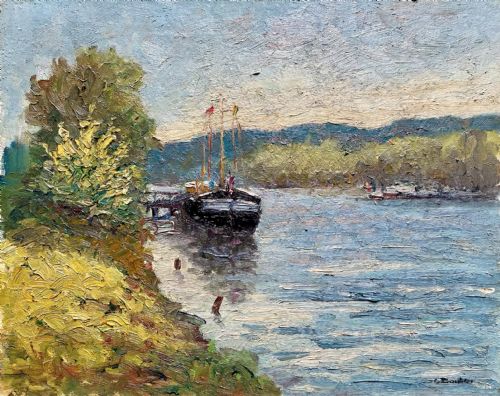
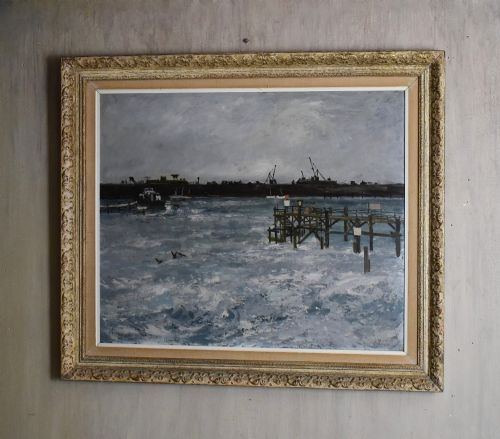
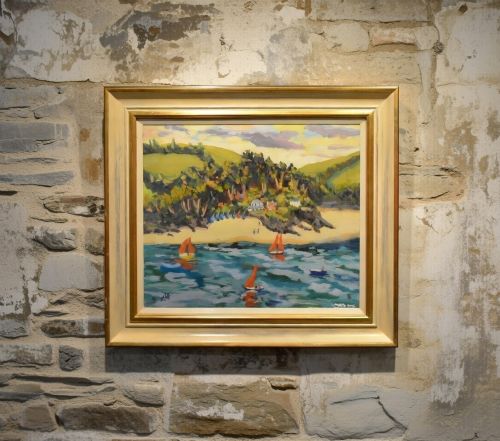
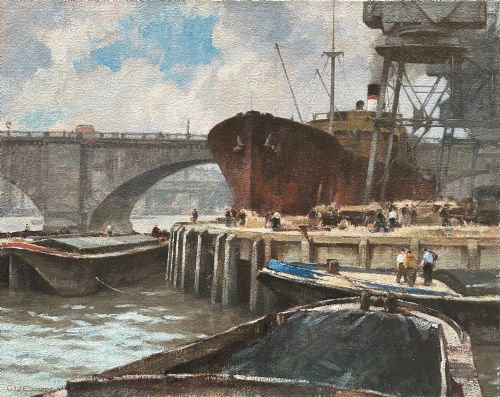
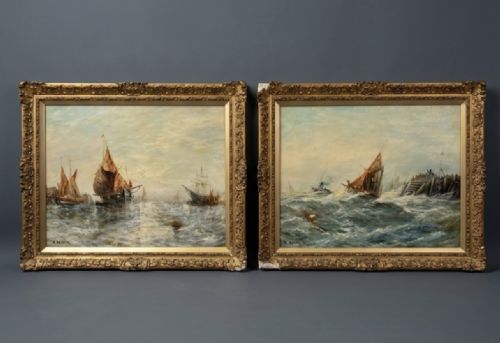
An original nautical oil painting captures marine scenes, harbours, rivers and vessels upon the water across diverse periods from the eighteenth century to the mid twentieth century. Buyers seeking this category encounter subjects ranging from quiet river barges and coastal fishing boats to stormy seas and tall sailing ships.
The selections available span multiple stylistic traditions including nineteenth century maritime, Victorian marine, Impressionism and post Impressionism. Works appear on various supports such as canvas, board and card, often housed within gilt frames.
Origin points stretch across British, French, Belgian and New Zealand schools, reflecting local maritime heritage and international waters. The subject matter records working vessels, coastal landscapes and open ocean scenes set down by named artists and regional schools alike.
What varies in quality
Quality rests in the handling of light, atmosphere and the convincing movement of water rather than the mere recording of a vessel. Superior examples demonstrate confident brushwork and precise atmospheric perspective that place the viewer directly on the shore or deck.
The competence of the draughtsmanship in rigging, hull construction and maritime architecture distinguishes accomplished academic or impressionist works from simpler decorative pieces. Preservation of the original paint surface and the condition of the accompanying gilt frame also influence the standing of an individual canvas.
Several canvases capture turbulent waters and choppy seas, proving that historical artists enjoyed getting windswept just as much as modern sailors.
Lemuel Francis Abbott·Eugène-Louis Gillot·Bernard Benedict Hemy·Abraham Hulk I·Charles Napier Hemy·Gustave De Bréanski·Adrian Van Porten·Edward Henry Eugene Fletcher·Paul Jean Clays·Charles Euphrasie Kuwasseg·Paul Henry Lafon
The Original Nautical Oil Painting Glossary
- Canvas
- A heavy woven fabric stretched across a wooden frame to serve as a painting support. It provides a flexible and textured surface favoured by traditional marine artists.
- Board
- A rigid flat panel made of wood or compressed material used as a stable base for oil paint. It often appears in smaller outdoor sketches and mid twentieth century works.
- Gilt frame
- A wooden moulding coated with gold leaf or metallic paint designed to enclose and finish a painting. These frames frequently date to the period of the artwork.
- Impressionism
- An art movement characterised by relatively small, thin yet visible brush strokes and an emphasis on accurate depiction of light. Marine painters utilised this style to capture shifting water and atmospheric weather.
- Post Impressionism
- A later development extending Impressionism while rejecting its limitations, focusing on more symbolic content and heavier weight. Works in this vein often display broader colour planes and expressive forms.
Original Nautical Oil Painting: Frequently Asked Questions
What subjects do these paintings show?
These works depict sailing ships, clipper ships, fishing boats, harbour scenes and coastal landscapes. Painters also recorded river scenes featuring barges and estuaries.
The viewpoint often places the observer on the shore looking out or aboard another vessel navigating choppy or calm waters.
How do I date a nautical oil painting?
Dating relies on clues within the subject matter such as ship riggings, steam versus sail technology, and artist signatures or biographical dates. Stylistic indicators like Impressionist brushwork or post war palettes also point to specific eras.
Framing styles and the material of the support, such as card or canvas, offer additional chronological evidence.
Where should I hang a marine oil painting?
These pieces suit spaces with good natural light that enhances the luminous quality of oil paint and the detail of gilt frames. Placing them away from direct sunlight protects the pigments from fading over time.
Consider pairing them with traditional wood furnishings or neutral walls that allow the coastal blues and greens to stand out.
Are these paintings signed by the artist?
Many of the works carry signatures or monograms applied by the painter, while others represent the output of regional British or European schools without a credited hand. Signed pieces often link to documented marine artists recorded in nineteenth and twentieth century archives.
Unsigned works are judged purely on technique, period materials and compositional strength.