


Vintage Sailing Ship Art
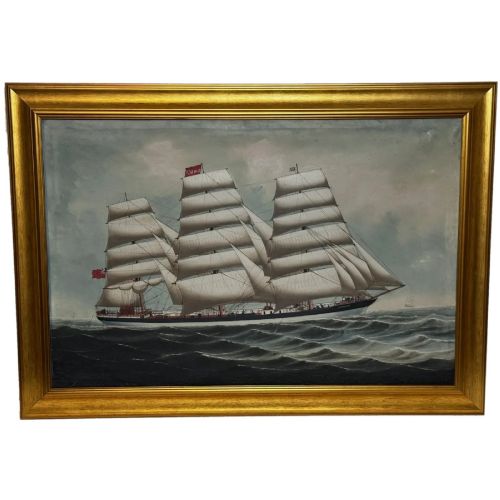
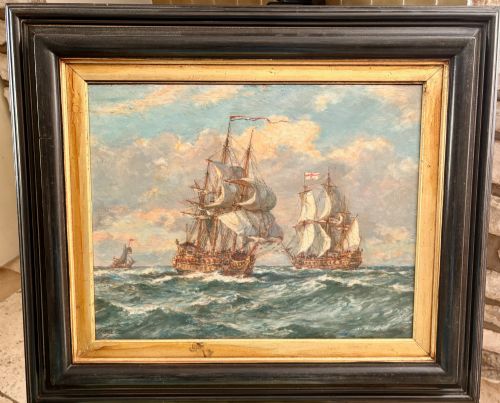
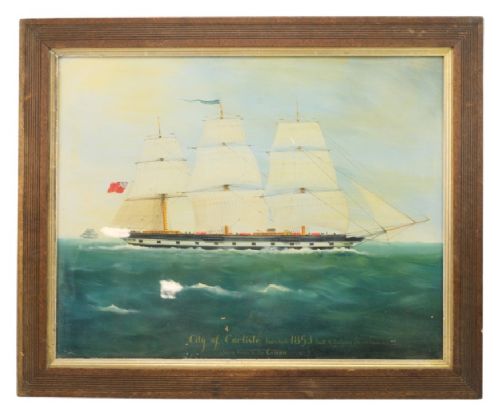
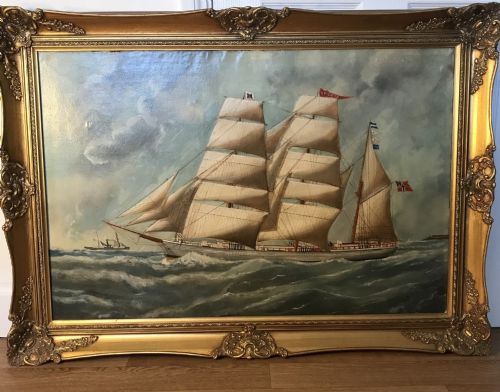
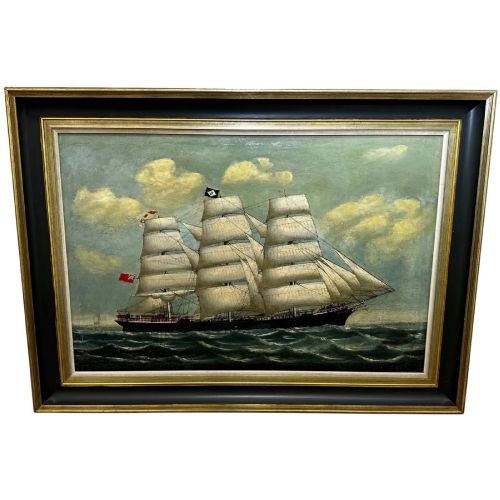
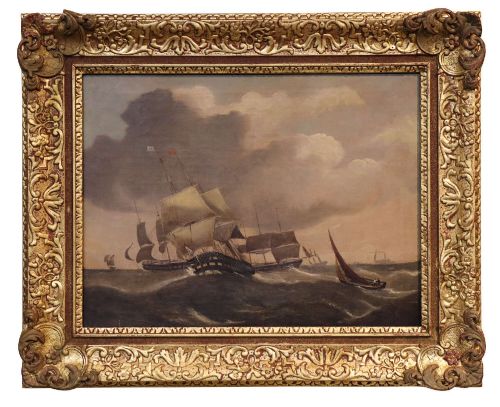
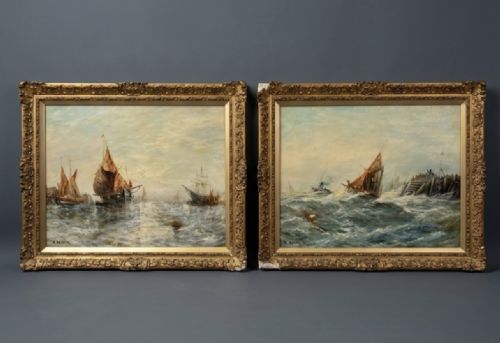
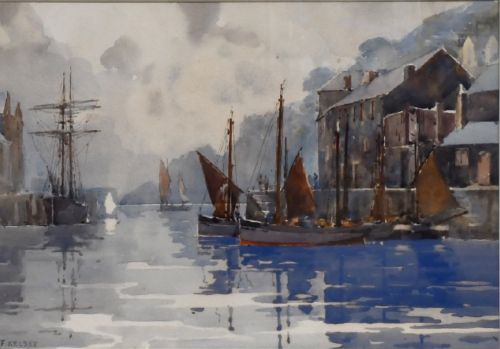
Vintage sailing ship art captures the maritime heritage of past centuries through oil paintings, watercolours and detailed dioramas.
Vintage Sailing Ship Art
Vintage sailing ship art encompasses paintings, watercolours and dimensional dioramas depicting marine vessels and coastal scenes. Buyers searching this phrase encounter works produced across the nineteenth and twentieth centuries, spanning Victorian, Edwardian and mid-century periods.
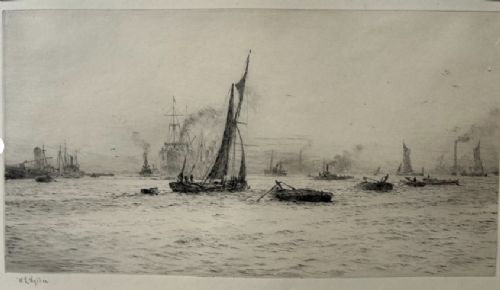
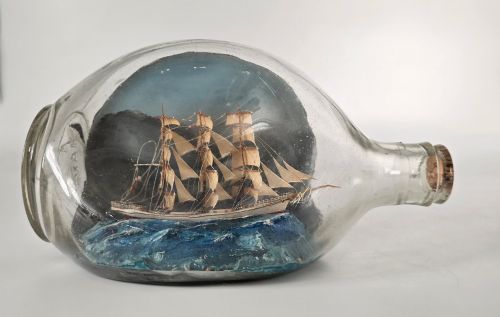
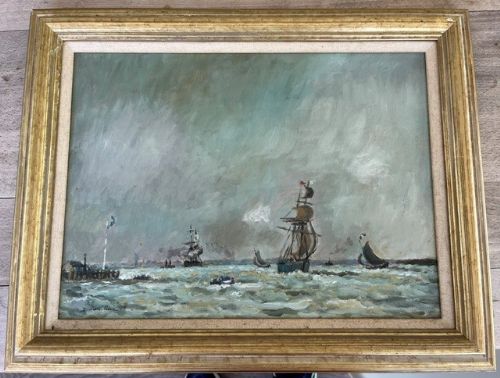
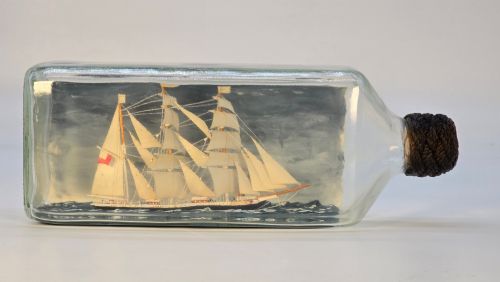
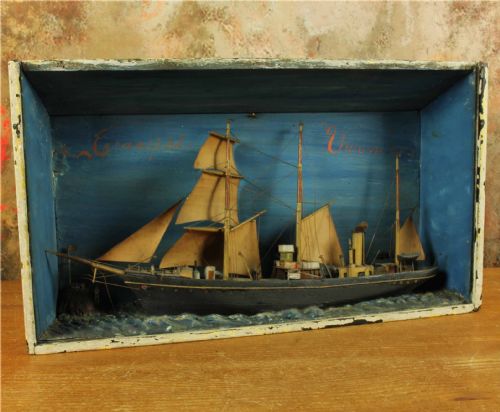
The most common examples on this page are oil paintings on canvas or board and watercolours depicting named vessels, clippers and stormy seas. Maritime dioramas, including handmade ship models housed within glass cases or bottles, also appear frequently alongside traditional wall art.
Materials and construction
Artists working on these maritime pieces utilised oil paint on canvas, board or card, and watercolour on paper, frequently framing the finished works in gilt wood. Makers of dioramas constructed miniature sailing vessels from wood and paper, enclosing them within glass-fronted boxes or bottles.
Support materials range from heavy canvas and wooden panels to delicate paper sheets used for detailed pencil-signed etchings and watercolours. The construction methods reflect both professional studio painting and skilled maritime folk art traditions.
Vintage Sailing Ship Art Retail Price Guide 2026
Typical asking prices for vintage sailing ship art among the pieces listed under this phrase on Sellingantiques today, from the lower quarter to the upper quarter. They describe what is for sale here now, not the wider market.
Several miniature ships spent decades confined inside glass bottles, wondering if anyone on land knew they had three masts.
Distinctions in quality
Quality in these maritime works rests upon the precision of the draughtsmanship, the handling of light on water and the accurate depiction of rigging and hull forms. Superior examples demonstrate a deep understanding of marine anatomy and atmospheric conditions.
In three-dimensional pieces, the refinement of the miniature model and the preservation of the internal elements determine the standing of the work. Works attributed to recognised marine artists or executed with accomplished brushwork distinguish themselves within the wider field.
Reginald Arthur Borstel·Charles Edward Dixon·Bernard Gribble·William Lionel Wyllie·Lai Fong·Abraham Hulk I·William Frederick Settle·Thomas Bush Hardy·George Shaw
The Vintage Sailing Ship Art Glossary
- Diorama
- A three-dimensional scene featuring a model ship set within a cased box or glass bottle. These pieces often incorporate painted backgrounds and intricate rigging.
- Barque
- A sailing vessel with three or more masts having the fore- and main-masts square-rigged and the mizzen-mast fore-and-aft rigged. This rig configuration appears frequently in marine paintings.
- Clipper
- A very fast nineteenth-century merchant sailing ship designed with a sharp bow and generous sail area. These vessels form a primary subject for maritime artists.
- Etching
- A printmaking process where lines are incised into a metal plate with acid before ink is applied and transferred to paper. Signed examples by marine printmakers are collected for their linear precision.
Vintage Sailing Ship Art: Frequently Asked Questions
How do I identify the age of a marine painting?
Age is often indicated by the style of the vessel, the construction of the canvas support, and any visible dates or signatures left by the artist.
Examining the framing materials and the type of pigment used can also provide helpful clues regarding the period of production.
What is the difference between a painting and a diorama?
Paintings utilise oil or watercolour on a flat surface such as canvas, paper or wood panel to depict a marine scene.
Dioramas are three-dimensional representations featuring a physical model of a sailing ship constructed inside a glass-fronted box or bottle.
How should I care for antique watercolours?
Antique watercolours on paper require protection from direct sunlight to prevent the pigments and paper support from fading over time.
Keeping them in stable environmental conditions away from excessive moisture preserves both the paper and the surrounding frame.
Where were most of these maritime pieces created?
Many works originate from British and European schools, reflecting active coastal communities, naval ports and major trading rivers.
Specific pieces record international shipping locations, including scenes from Hong Kong, Gibraltar and the Dutch coast.