


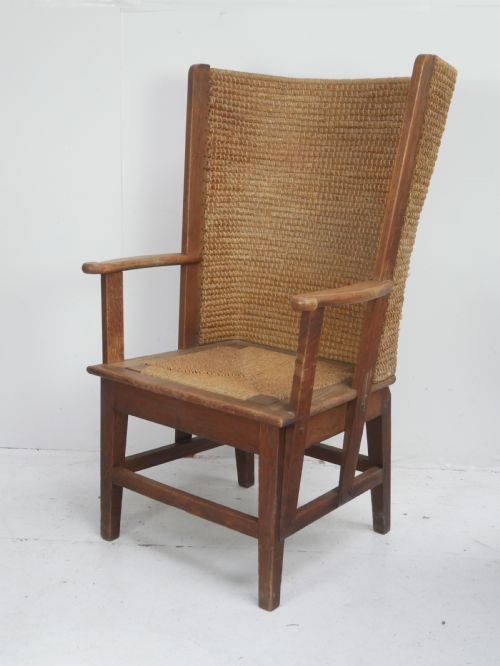


Vintage Rush Armchair
A vintage rush armchair offers honest country character and woven seating, coming in vernacular styles from the nineteenth and early twentieth centuries.
Vintage Rush Armchair
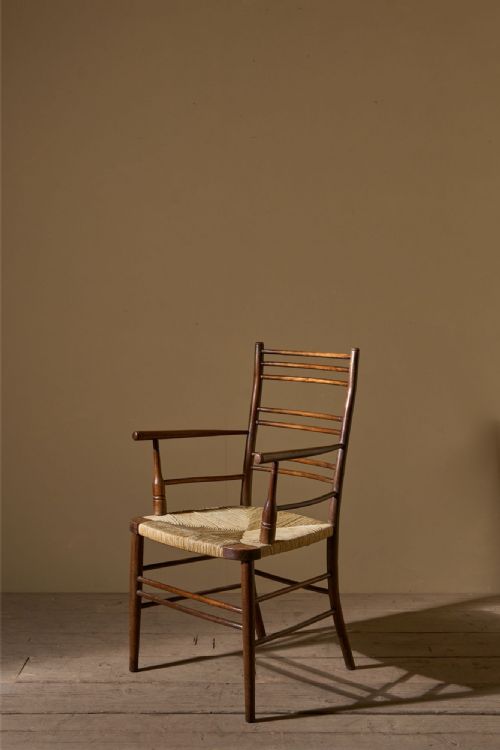
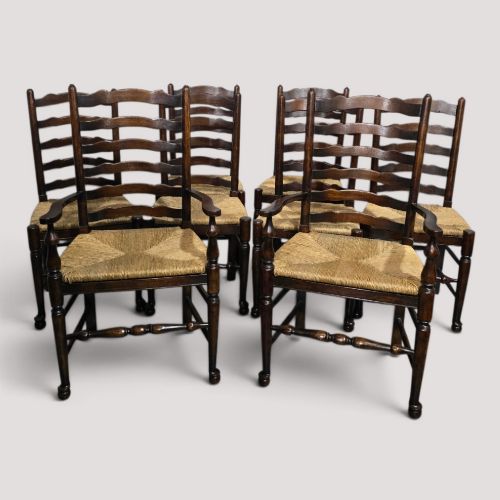
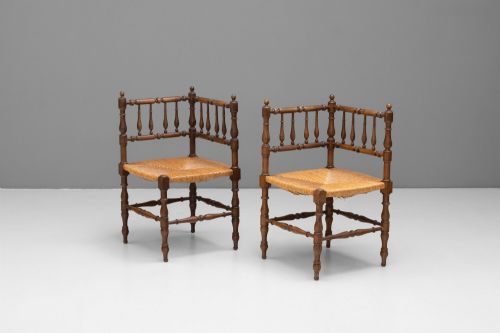
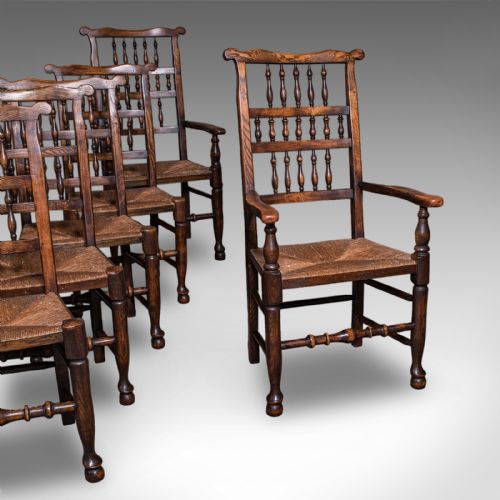
A vintage rush armchair represents vernacular seating shaped by English, Scottish, and French country traditions, often appearing with ladder backs or spindle backs. Buyers searching for a vintage rush armchair typically encounter nineteenth-century or early twentieth-century examples constructed for farmhouse kitchens or domestic parlours. These chairs draw upon Arts and Crafts design principles, pairing solid wood frames with woven rush seating.
The selection ranges from low lounge seats and sturdy carvers to children's rocking chairs and Orkney forms. Oak, beech, elm, and ash dominate the framing materials, reflecting local timber supplies utilised by regional makers.
What varies in quality
The distinction between standard utility seating and exceptional pieces rests in the integrity of the frame timber and the tightness of the woven rush. Original surface treatments, such as early paint or undisturbed patina, elevate the standing of a chair compared to stripped or heavily restored examples.
Design sophistication also sets individual pieces apart, distinguishing plain provincial work from documented Arts and Crafts productions associated with notable retail firms.
Listings span the eighteenth, nineteenth, and early twentieth centuries, featuring rush, oak, beech, elm, and painted finishes.
Morris And Co·Liberty And Co·Dicon Nance St Ives Studio
The Vintage Rush Armchair Glossary
- Rush
- A marsh plant used to weave durable, textured chair seats. It provides a resilient and flexible surface that ages with regular use.
- Ladderback
- A chair back featuring horizontal wooden slats between the upright posts. This traditional form supports upright posture in vernacular seating.
- Carver
- An armchair designed to match a set of dining chairs, typically featuring open arms. It often sits at the head of a table.
- Vernacular
- Everyday objects built by local craftspeople using regional materials and traditional methods. These pieces prioritize function and local style over academic design.
Vintage Rush Armchair: Frequently Asked Questions
What is a rush armchair?
A rush armchair is a wooden seat featuring a woven rush bottom, typically built in country vernacular styles during the nineteenth and early twentieth centuries.
These chairs serve as durable everyday seating, combining solid hardwood frames with tactile natural plant fibre seats.
How do I date a rush chair?
Dating relies on examining the timber species, joinery methods, and the overall style of the spindle or ladder back. Nineteenth-century examples often display hand-turned components and distinct regional characteristics.
Comparing the construction to documented pieces from periods like the Arts and Crafts movement helps narrow down the decade.
Can I use an antique armchair daily?
Most sturdy wood and rush armchairs remain suitable for regular domestic use provided the frame joints and woven seat remain stable. Placing them away from direct heat sources protects the natural timber and dried rush materials.
Gentle daily use allows these functional historical objects to continue serving their original purpose in modern interiors.
What woods are used in these chairs?
Makers utilised accessible regional hardwoods including oak, beech, elm, ash, and fruitwood for the chair frames. Some pieces also feature mahogany or exotic timbers like teak depending on the regional origin.
This variety of timber reflects the local woodland resources available to the regional workshops and vernacular makers.