

Rustic Elm Dining Chairs
These rustic elm dining chairs bring centuries of English country character into modern rooms through honest vernacular timber construction.
Rustic Elm Dining Chairs
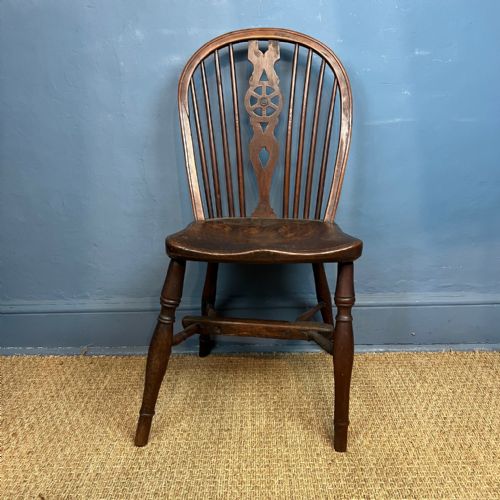
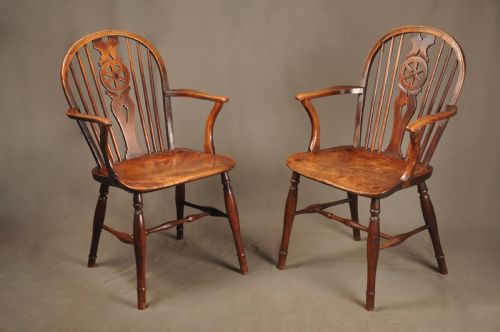
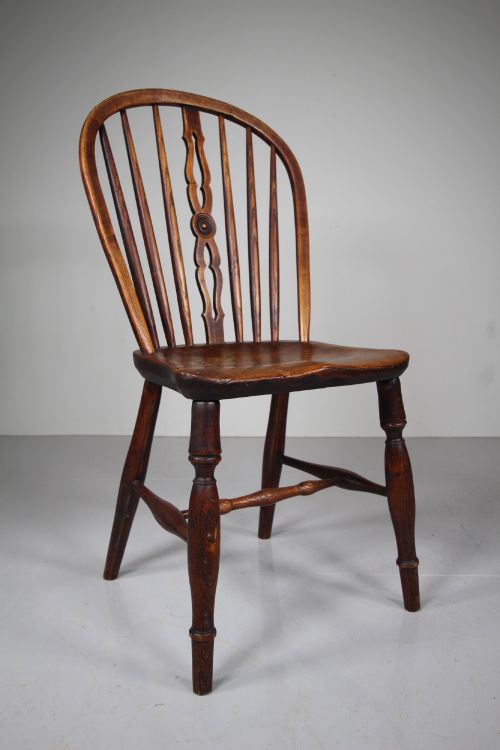
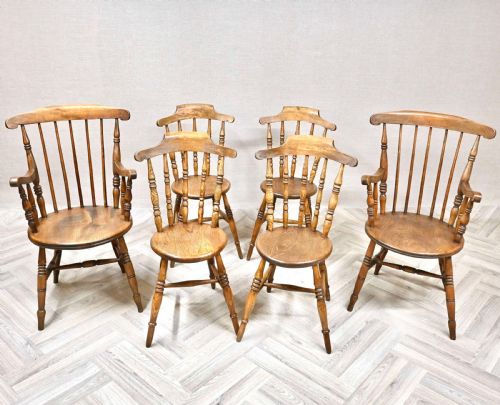
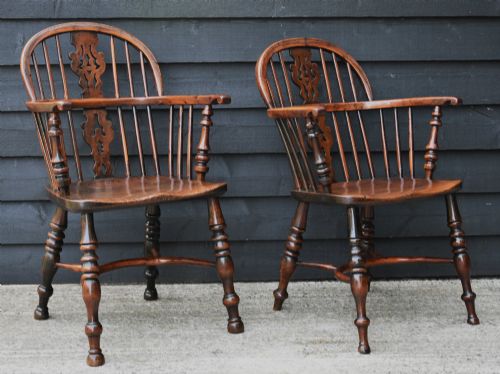
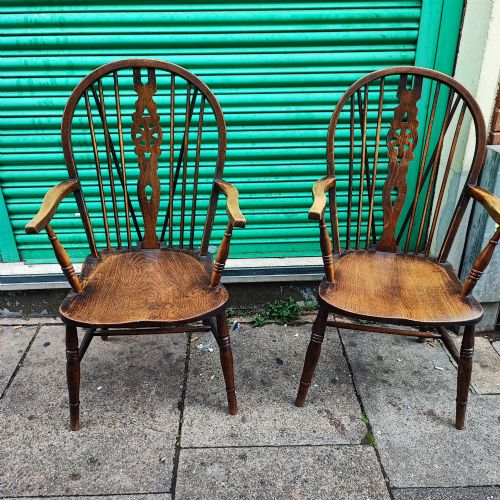
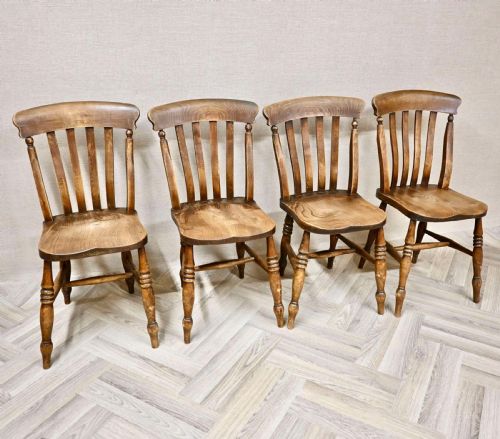
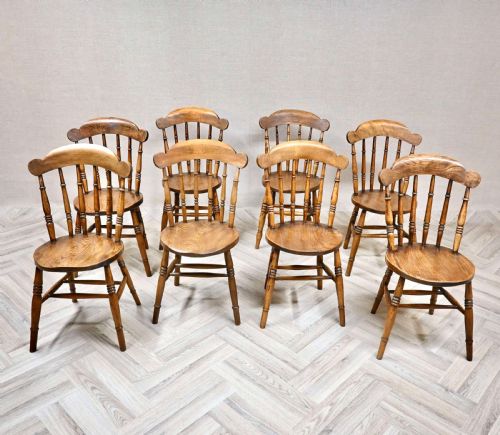
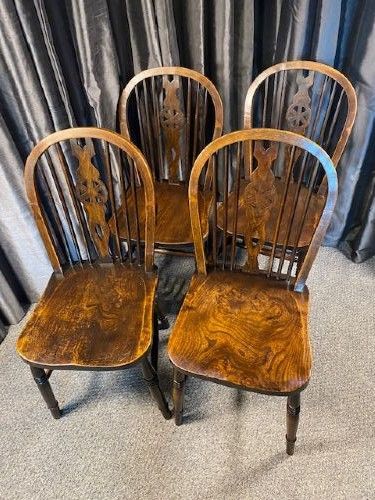
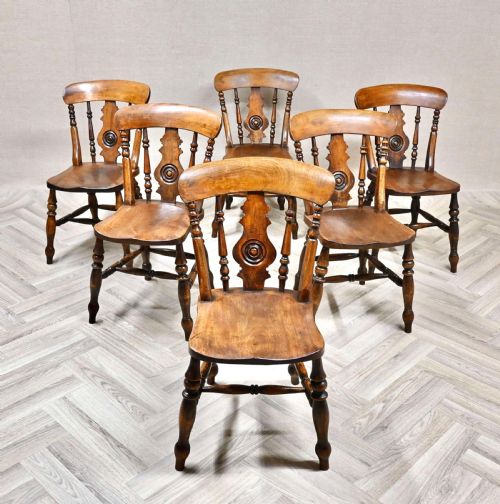
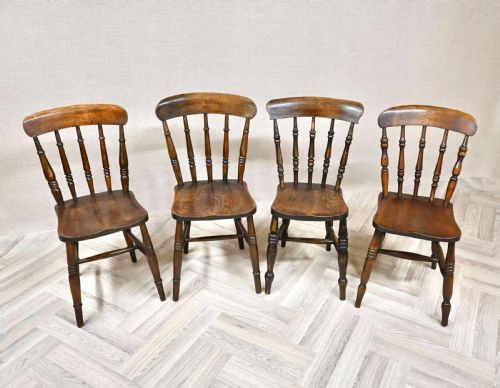
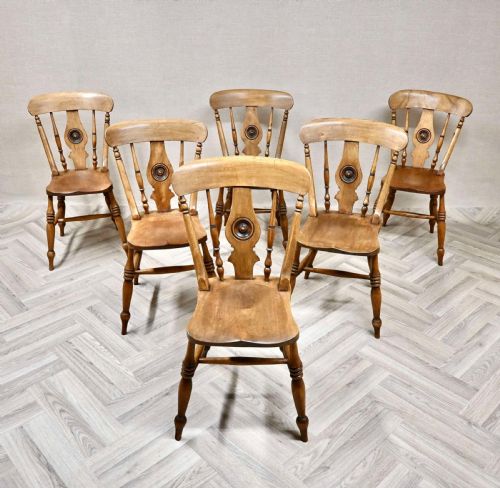
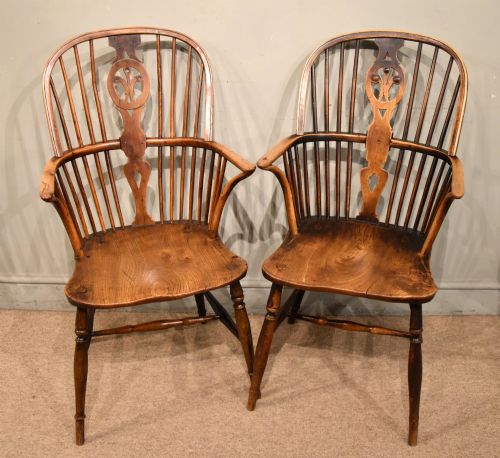
When searching for rustic elm dining chairs, buyers encounter sturdy seating solutions rooted in 18th, 19th, and early 20th-century English farmhouse traditions. These pieces encompass various forms such as Windsor armchairs, lathe backs, and ladderbacks designed for everyday domestic use.
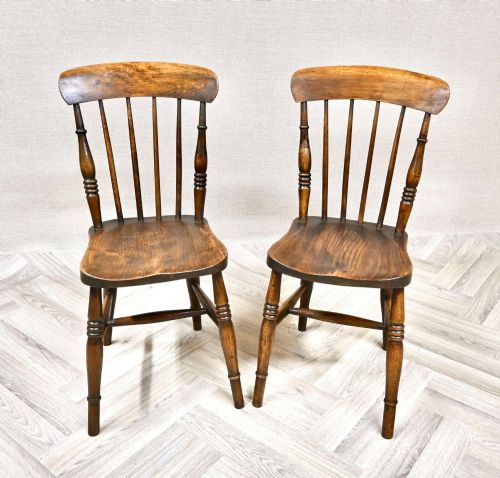
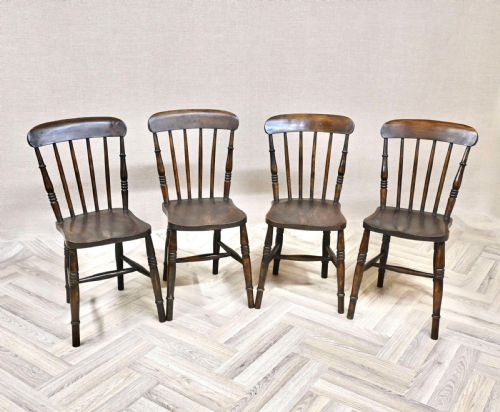
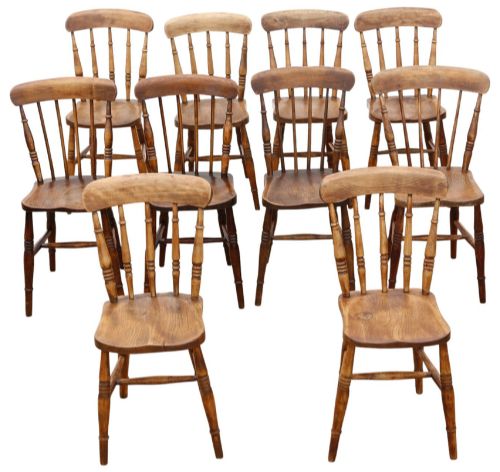
The version most commonly met on this page is the nineteenth-century kitchen dining chair, often part of a matched set or gathered together as a harlequin collection. These items serve functional dining roles while displaying the robust vernacular styles of English country workshops.
Materials and construction methods
Cabinet makers and rural joiners relied on native hardwoods, combining solid elm seats with supportive ash, beech, or fruitwood spindles and framing. Elm was selected for seats because its interlocking grain resisted splitting under heavy use, while straight-grained ash or beech provided resilient uprights and legs.
Joinery techniques combined traditional steam-bending for hoops and backs with wedged tenon joints securing the legs directly into the thick timber seat planks. Certain examples incorporated rush seating woven tightly over wooden frames to offer a softer surface.
Rustic Elm Dining Chairs Retail Price Guide 2026
Typical asking prices for rustic elm dining chairs among the pieces listed under this phrase on Sellingantiques today, from the lower quarter to the upper quarter. They describe what is for sale here now, not the wider market.
Many nineteenth-century kitchen chairs still bear the subtle hollows worn into their elm seats by generations of hurried breakfast eaters.
Markers of distinction
Quality rests primarily in the depth of patina developed across decades of household service and the integrity of the original timber frame. Pieces retaining their matching sets, original turned stretchers, and uncompromised joinery stand at the upper end of the scale.
The sculptural grace of the spindles, the width of the elm plank used for the saddle seat, and the regional refinement of the turning distinguish finer Thames Valley or Welsh examples from standard utility seating.
The Rustic Elm Dining Chairs Glossary
- Windsor
- A chair built with a solid wooden seat into which the legs and back spindles are separately inserted. This form dominates vernacular English country seating.
- Patina
- The surface sheen and colour acquired by wood over long periods of handling and waxing. It indicates age and careful use.
- Stretcher
- The horizontal rail connecting the legs of a chair to provide structural rigidity. Double stretchers offer additional bracing.
- Harlequin set
- A collection of chairs assembled to match in general style and period while differing in minor design details. They suit extended dining tables.
- Comb back
- A Windsor chair variation where the top rail resembles the spine of a comb, with vertical spindles rising through a horizontal headpiece.
Rustic Elm Dining Chairs: Frequently Asked Questions
How do I care for antique elm chairs?
Apply traditional beeswax sparingly with a soft cloth to nourish the dry hardwood and maintain its natural lustre.
Keep them away from direct heat sources and dramatic humidity shifts to prevent the timber from splitting.
Can I mix these chairs with modern tables?
The organic grain and varied timber tones blend naturally against contemporary glass, metal, or plain oak dining surfaces.
Their simple profiles allow them to complement modern minimalist schemes without dominating the room.
What is a Thames Valley chair?
This regional term describes Windsor chairs produced along the Thames valley, noted for generous proportions and fine craftsmanship.
They frequently feature distinctive yew wood components alongside elm seats and elaborate wheelback or comb back designs.
How can I tell the age of a country chair?
Examine the tool marks on the underside of the seat plank, noting whether pit saw or adze marks remain visible from manufacture.
Wear patterns around the footings and the oxidation of the timber beneath provide further clues to the century of origin.