





Vintage Runner Carpet
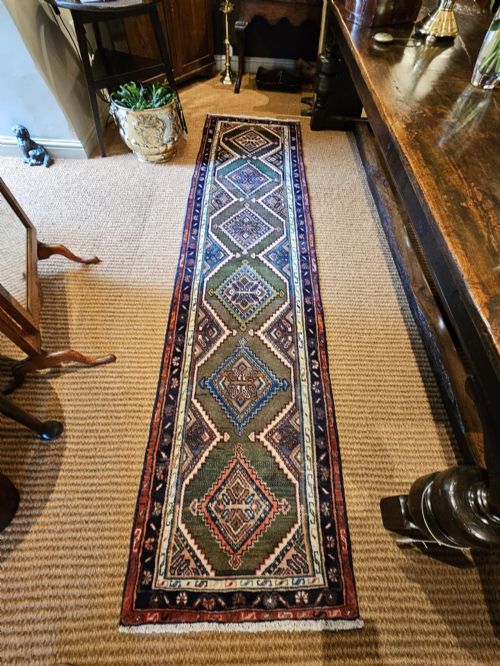
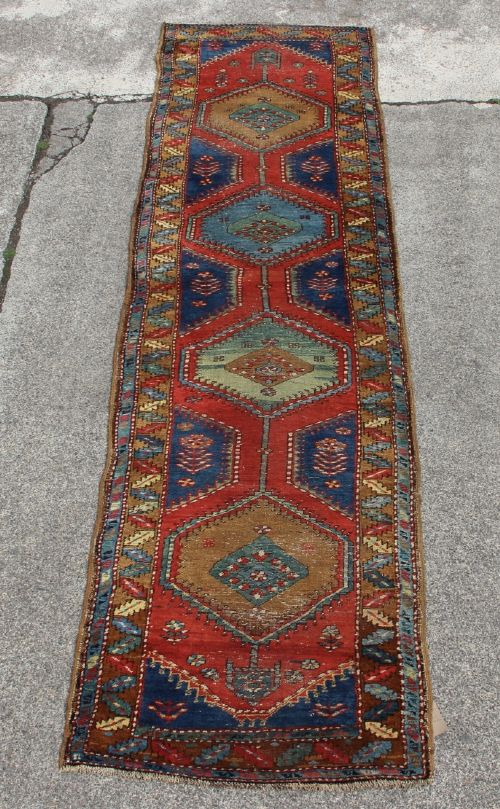
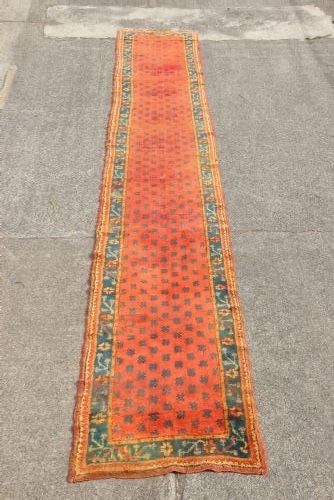
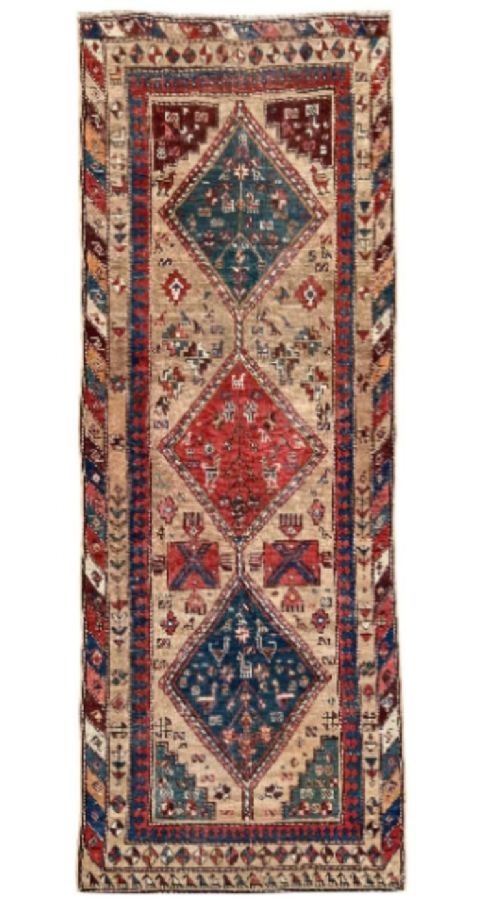
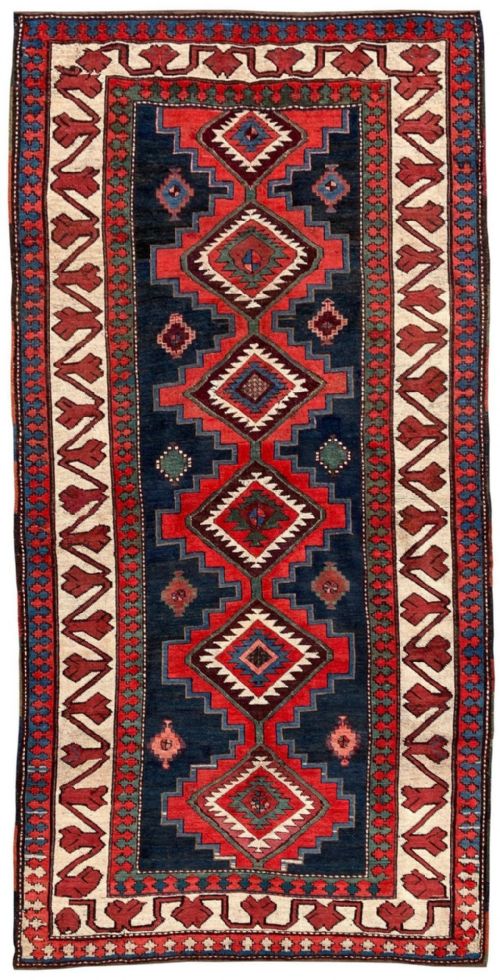
A vintage runner carpet brings narrow spaces to life with historical patterns woven from wool, cotton, and silk.
Vintage Runner Carpet
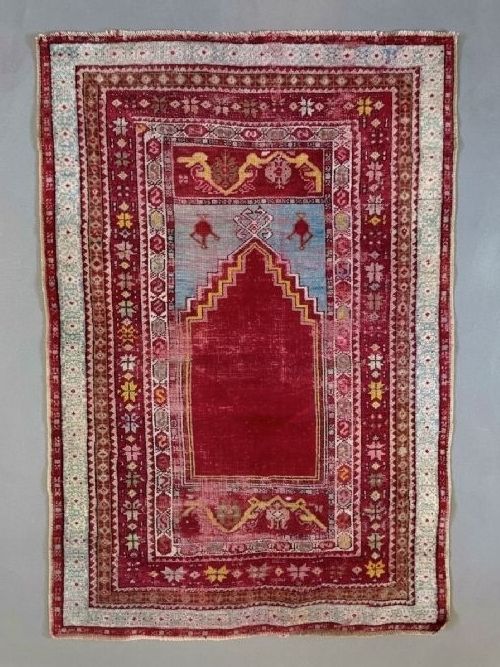
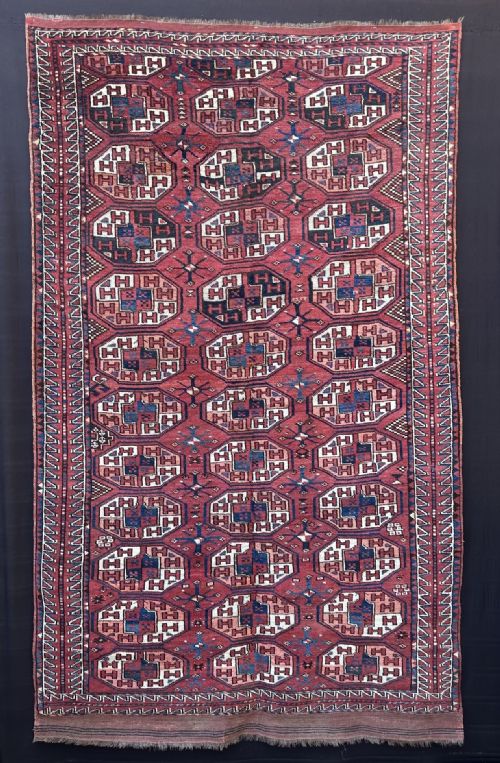
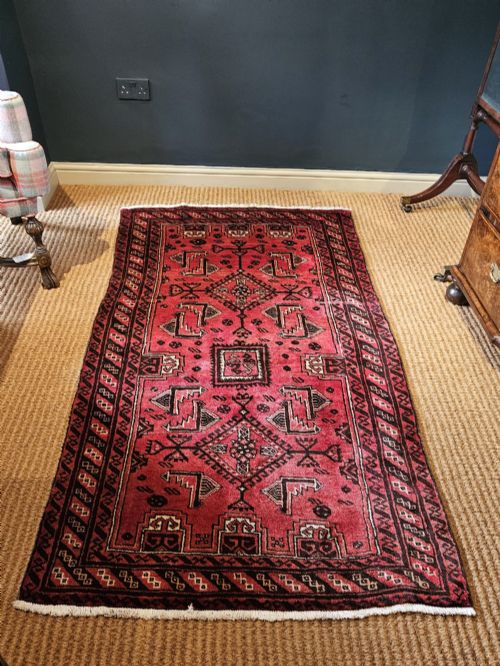
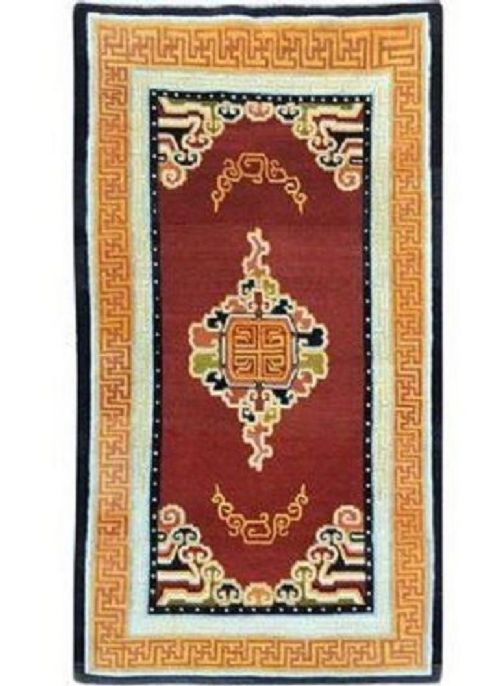
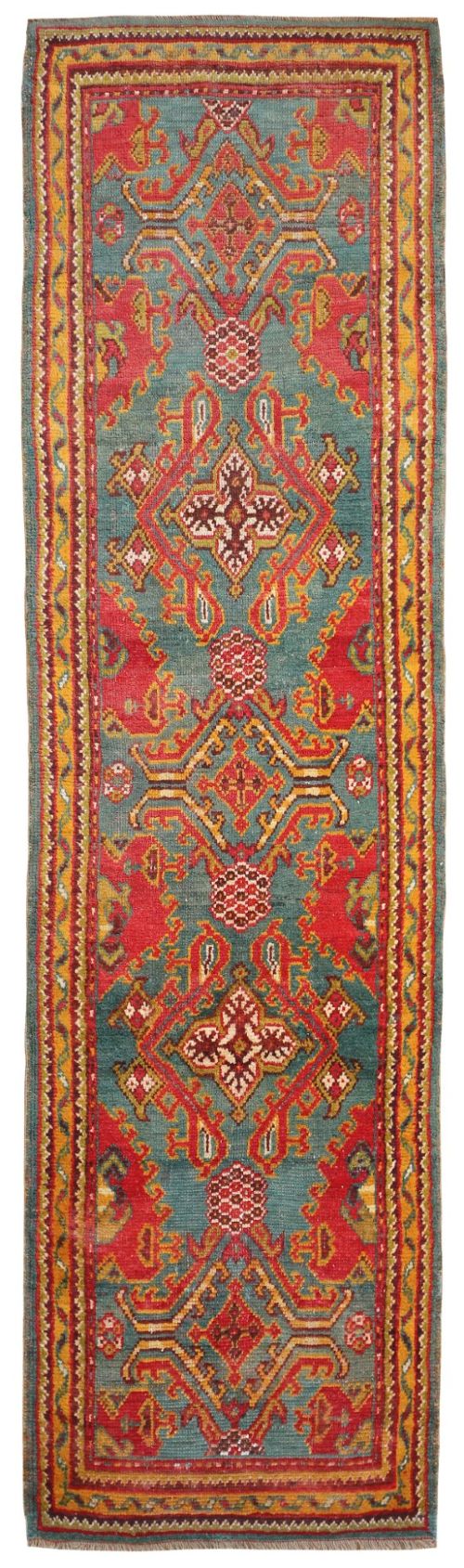
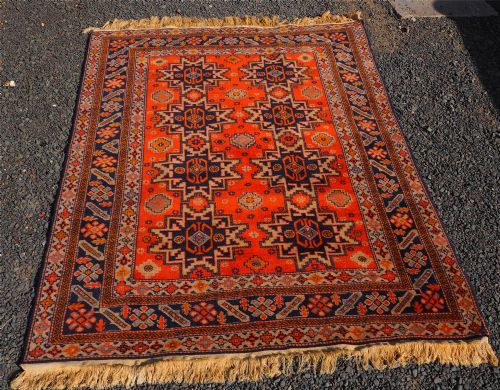
A vintage runner carpet serves long hallways, corridors, and narrow rooms through elongated proportions that trace origins from Persia, the Caucasus, Anatolia, and Tibet. The pieces gathered here span production dates from the late nineteenth century into the nineteen-thirties, fulfilling functional demands for floor coverings in high-traffic domestic architecture. Buyers encounter tribal and village weaves alongside formal workshop pieces, all sharing a format designed to direct movement across a floor.
Persian and Turkish origins dominate the selections, alongside Caucasian and Tibetan examples displaying distinctive regional iconography. Formats range from modest lengths to expansive narrow carpets exceeding five metres, accommodating varying corridor dimensions. These textiles reconcile practical utility with traditional craftsmanship, preserving decorative motifs rooted in specific weaving communities.
How they were made
Weavers constructed these carpets predominantly using wool pile on cotton foundations, though pure wool and alternative materials such as camel hair, silk, and sabra cactus fibre also appear. Natural and early synthetic dyes impart the colour palettes, ranging from mellow tones to saturated vegetable hues found in Kurdish, Turkmen, and Kazak productions. Individual knots secure the pile to warp and weft threads, creating durable surfaces designed to withstand decades of foot traffic.
Flatwoven varieties such as kilims utilise interlocking weft techniques without a raised pile, resulting in lighter, reversible floor coverings. Structural integrity relies on tightly beaten foundational threads and reinforced selvedges that protect the edges from fraying over time.
What varies in quality
Knot density and structural tightness dictate the fineness of the weave, separating village productions from master workshop carpets. Finer execution allows for crisper geometric or floral delineation within the lattice and medallion designs.
The choice of materials and the depth of dye saturation influence visual richness. Resilient wool and stable colourfast dyes retain their character across generations of use, whereas uneven wear or brittle foundations alter the longevity of the textile.
The Vintage Runner Carpet Glossary
- Runner
- A long, narrow carpet designed specifically for hallways, corridors, and stairs. These pieces guide movement and accent linear spaces.
- Pile
- The upright yarn loops or cut ends that form the soft surface of a carpet. It provides cushioning and displays the woven pattern.
- Kilim
- A flatwoven carpet or rug made without a pile by tightly interweaving warp and weft threads. These textiles offer reversible patterns and lighter weights.
- Warp
- The vertical stationary threads stretched on a loom that form the structural skeleton of a woven carpet. Wefts and knots are built upon this foundation.
- Weft
- The horizontal threads passed back and forth across the warp threads to bind the knots and secure the structure of the weave.
Vintage Runner Carpet: Frequently Asked Questions
Where should I place a runner carpet?
These long carpets suit narrow architectural spaces such as hallways, corridors, entryways, and staircases where standard rectangular rugs do not fit. Their elongated proportions draw the eye down a passage while protecting high-traffic flooring.
Selecting the correct length and width ensures proper clearance for doors and furniture placement along the corridor walls.
How do I identify a tribal rug?
Tribal rugs display geometric motifs, stylized animals, and repeating lattice patterns created by nomadic or village weavers rather than urban workshops. These designs often rely on memory and local tradition rather than precise printed cartoons.
Colour palettes in tribal pieces tend to feature bold contrasts and rich vegetable dyes unique to specific regional groups like the Kurds, Bakhtiar, or Kazak communities.
What materials are used in these carpets?
Wool serves as the primary material for the pile, offering durability and natural resistance to staining in busy areas. Cotton foundations provide structural stability, while rarer examples incorporate silk, camel hair, or cactus fibre.
Each material combination influences the weight, sheen, and flexibility of the finished textile.
How do I care for a vintage carpet?
Regular gentle vacuuming without a rotating brush roll removes trapped dust and prevents fibre abrasion. Using a quality underlay prevents slipping and cushions the foundation against hard flooring.
Professional cleaning tailored to antique textiles preserves the integrity of natural dyes and delicate wool or silk fibres.