


Vintage Royal Worcester Plate
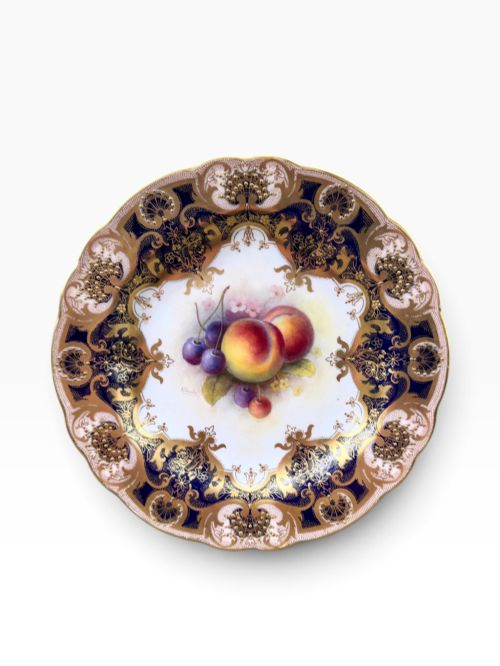
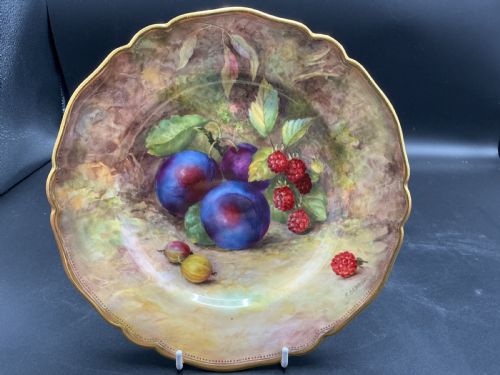
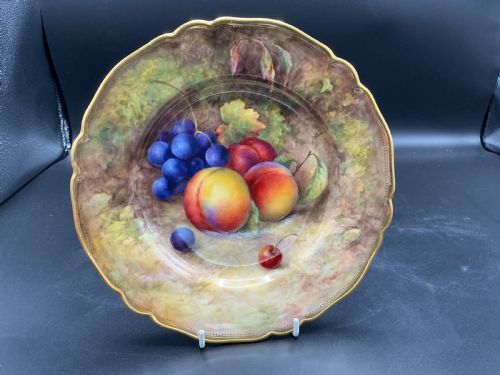
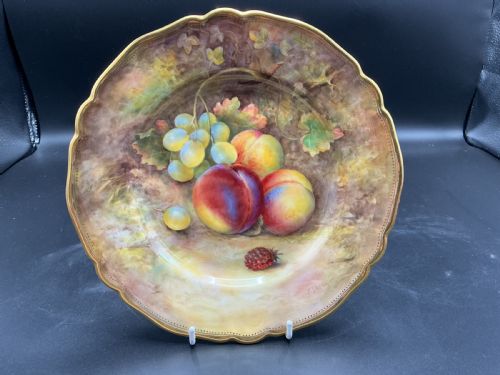
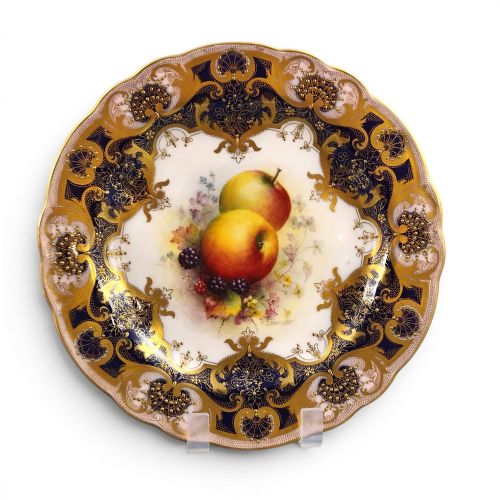
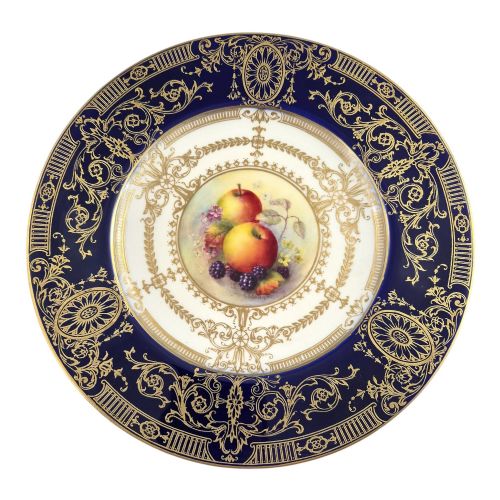
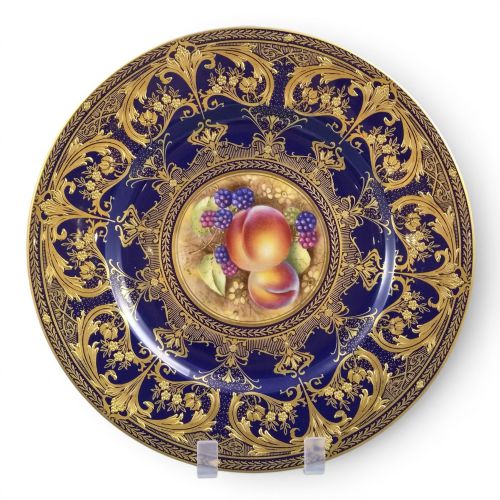
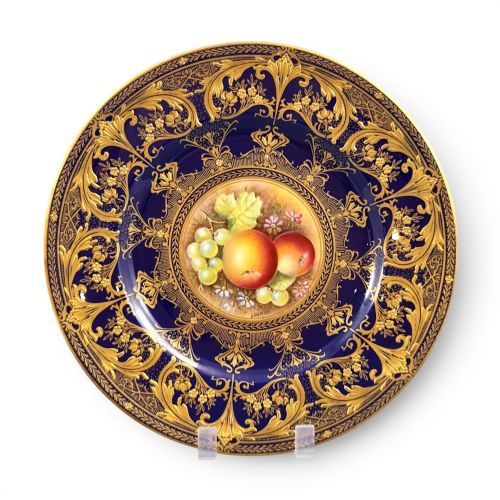
A vintage royal worcester plate brings fine painted fruit and intricate gilding to the table from periods spanning the late nineteenth century to the later decades of the twentieth.
Vintage Royal Worcester Plate
When searching for a vintage royal worcester plate, collectors encounter various forms including cabinet plates, decorative dishes, dessert dishes, and soup dishes. The selection on this page ranges across periods such as Edwardian, 1890, 1900, 1910, 1920, 1930, 1950, and 1960. These pieces demonstrate standard table and display formats produced by the factory.
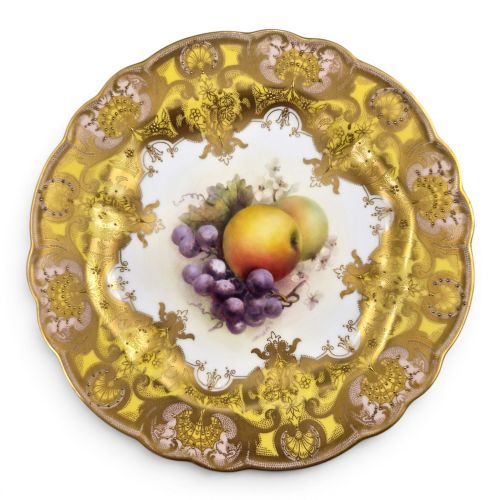
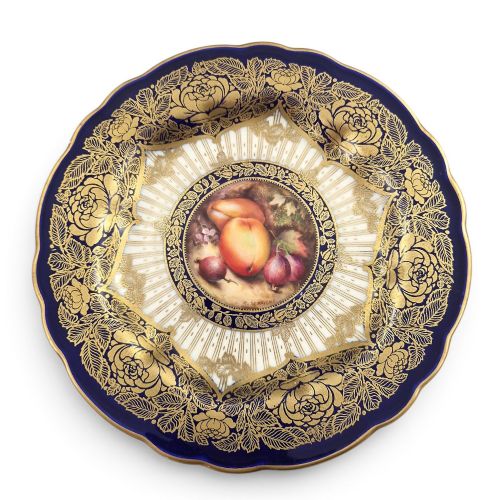
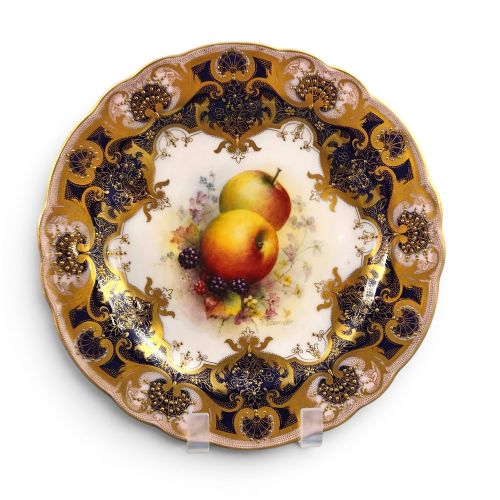
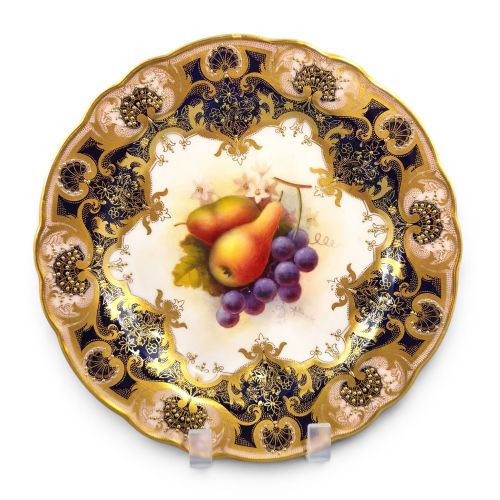
The most common examples met here are painted fruit cabinet plates featuring detailed studies of subjects like apples and berries. Alongside these, buyers find floral plates, game bird plates, and blue scale dessert dishes. The forms extend from standard round plates to large rope edge variants and specific shapes created for retailers like Phillips of Oxford Street.
Makers and decorators whose work appears in these listings include Richard Sebright, Albert Shuck, Brian Leaman, J Smith, the Stintons, and Freeman. Grainger & Co pieces associated with the firm also emerge within the early date brackets. Each practitioner contributes distinct hand-painted artistry to the ceramic body.
Materials and Craftsmanship
The foundation of a vintage royal worcester plate is high-fired porcelain or bone china, providing a smooth white ground suited to detailed pigments. Potters shaped the clay into standard circular plates, soup dishes, and dessert dishes, sometimes incorporating moulded details such as rope edges into the rim.
Painters applied enamels and ceramic paint by hand to render botanical, avian, and fruit subjects with careful shading. Artisans then added gold leaf, gilding, and gilt enamel to highlight the borders, rims, and secondary motifs, completing the process with kiln firings to fuse the decoration.
Listings feature porcelain and bone china forms decorated with gold leaf, enamel, and gilding across Edwardian and mid-century periods.
Distinctions in Execution
Quality in a vintage royal worcester plate rests primarily on the skill of the painter and the complexity of the design. Hand-painted fruit studies by known hands demonstrate finer brushwork, tonal variation, and depth than standard floral patterns or transfer-printed wares.
The application and preservation of the gold leaf and gilding also divide simpler items from superior productions. Rich, intact gilding paired with detailed enamel work elevates the presence of a cabinet plate or dessert dish.
Richard Sebright·Albert Shuck·Brian Leaman·Grainger and Co·Stinton
The Vintage Royal Worcester Plate Glossary
- Cabinet plate
- A decorative ceramic plate intended for display in a cabinet rather than for everyday dining. These pieces usually feature elaborate hand-painted scenes and rich gilding.
- Blush ivory
- A soft, creamy ceramic ground introduced by the factory to mimic the tone of natural ivory. It often serves as a muted background for floral decoration.
- Blue scale
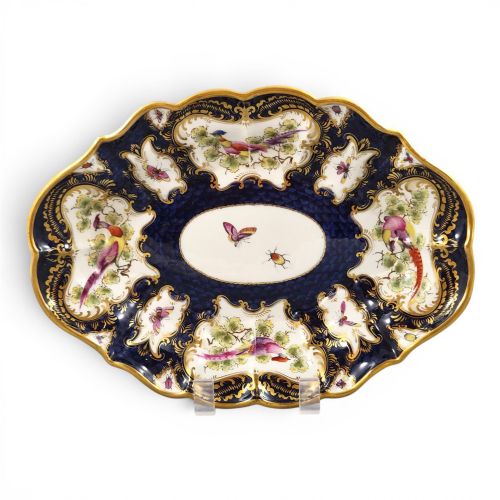
- A decorative pattern featuring overlapping blue scale motifs inspired by early porcelain designs. It creates a textured, patterned border around a central white reserve.
- Gilding
- The application of gold leaf or gold paint to the rims and details of ceramics. This technique adds metallic brilliance to the finished surface.
Vintage Royal Worcester Plate: Frequently Asked Questions
How do I date a piece?
Dating relies on factory date codes marked on the underside, which use systems of dots, letters, or symbols specific to each decade. Comparing the style of painting and the recorded operating periods of decorators like Richard Sebright helps narrow the year.
Examining the specific form, such as an 1890 soup dish or a 1960s rope edge plate, also provides contextual clues regarding the era of manufacture.
Were these plates used for dining?
Many items designed as dessert dishes or soup dishes served functional dining purposes in formal households. Retailers such as Phillips of Oxford Street retailed these wares for actual table service.
Cabinet plates, conversely, were generally intended purely for visual display in cabinets or on walls rather than holding food.
What is a fruit cabinet plate?
A fruit cabinet plate is a display piece featuring a detailed hand-painted study of orchard fruit, typically including peaches, grapes, berries, or apples. These items showcase the highest standard of the factory's painterly skill.
They often feature heavily gilded borders and are signed by notable artists such as Albert Shuck or Richard Sebright.
Can I display them on walls?
Displaying these plates on walls is common practice among collectors, provided appropriate, non-damaging hangers are utilised to support the porcelain safely. Ensuring the weight of the plate is distributed evenly prevents stress on the rim and glaze.
Keeping them away from direct sunlight preserves the vibrancy of the hand-painted enamels and gold leaf over time.