
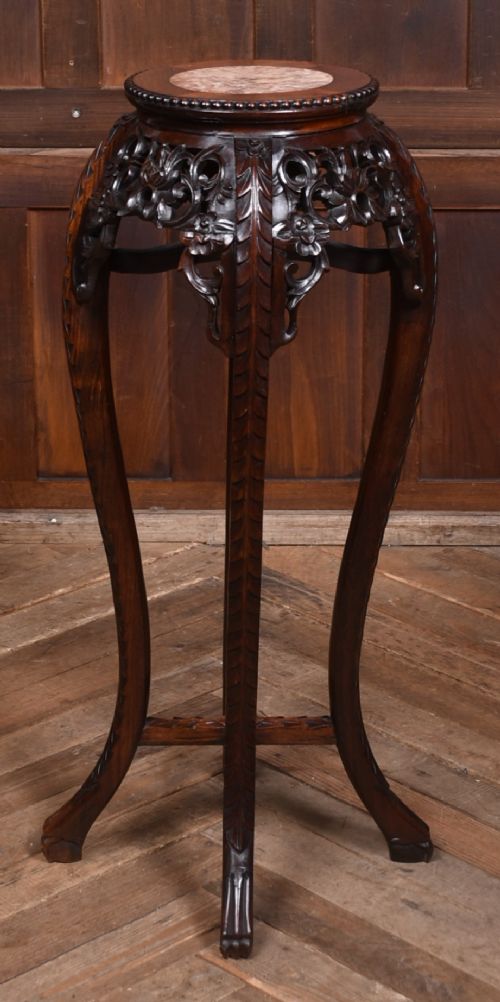
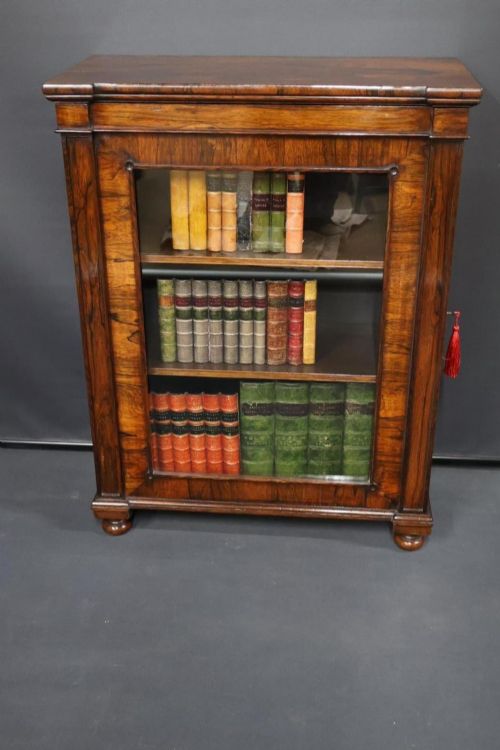


Vintage Rosewood Display
These vintage rosewood display pieces bring rich timber figures and tiered surfaces into a room to hold cherished objects.
Vintage Rosewood Display
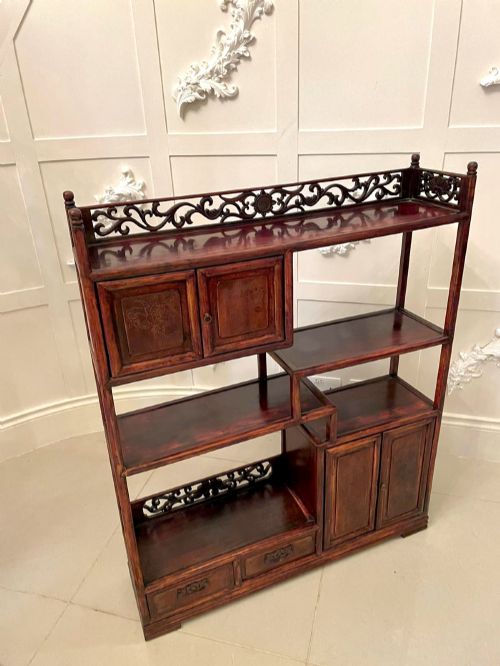
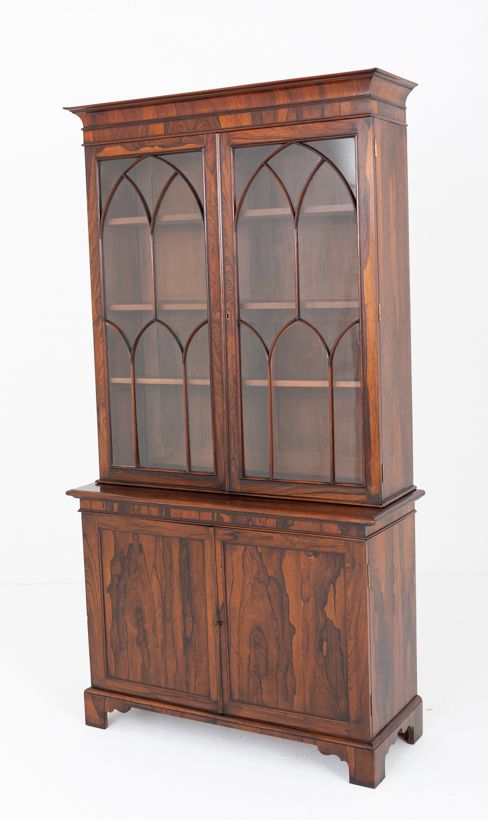
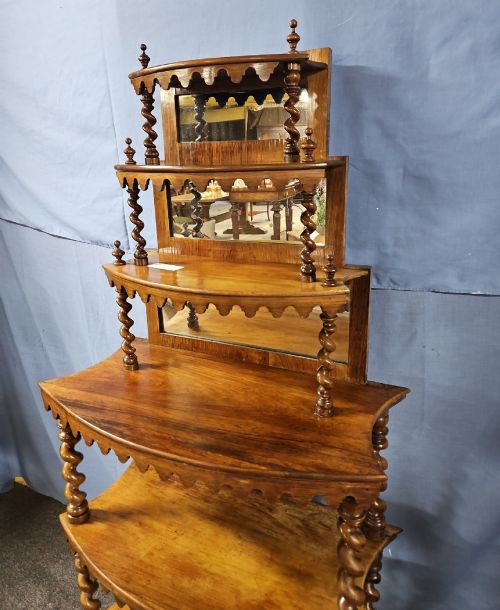
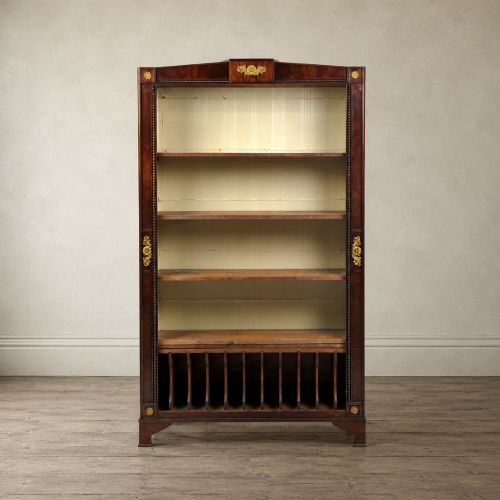
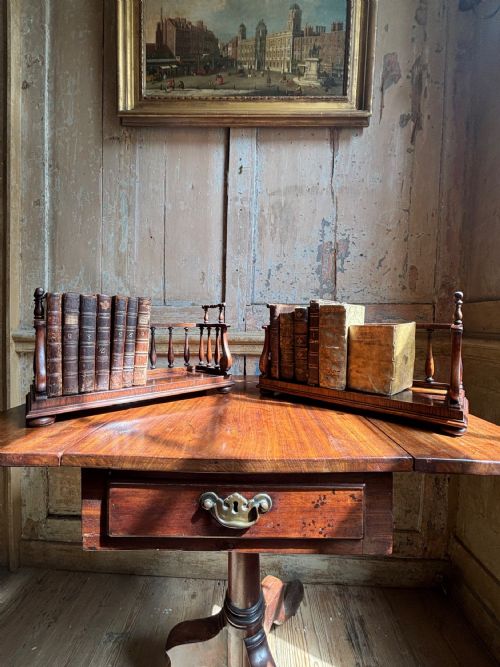
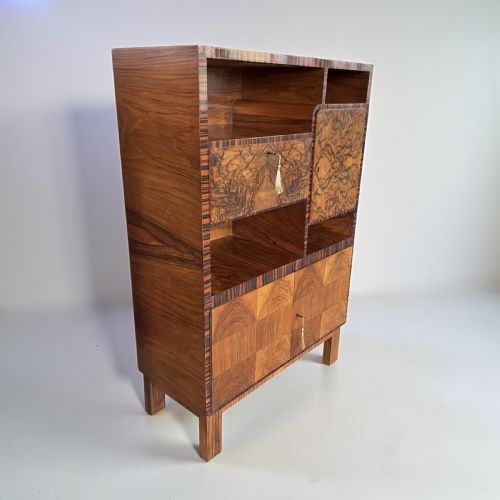
A vintage rosewood display selection encompasses a diverse range of furniture designed to exhibit objects, books and plants rather than simply store them away behind closed doors. You will find that cabinets, bookcases, wall shelves, etagere units and plant stands dominate this grouping.
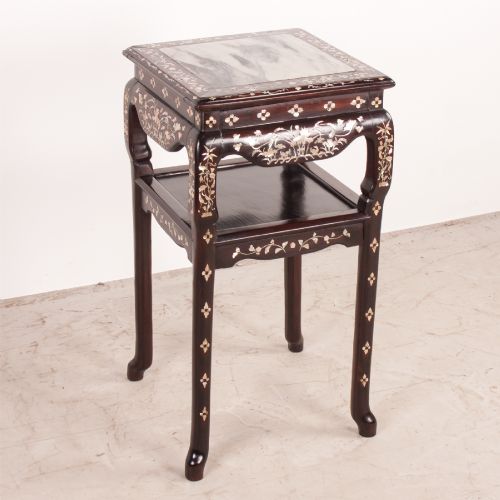
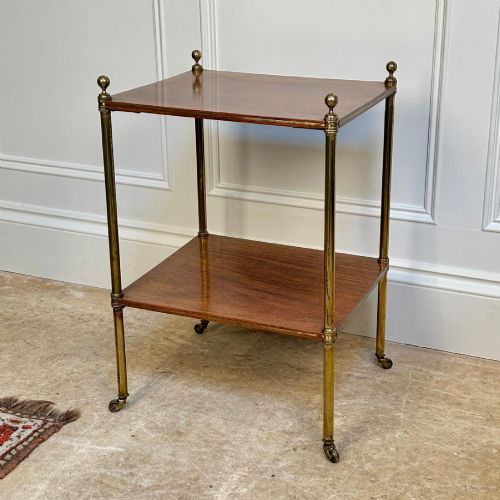
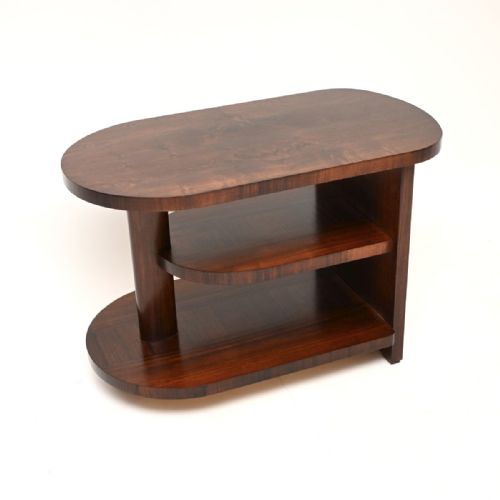
The objects span multiple eras, drawing heavily upon Victorian, Edwardian, Regency and Art Deco aesthetics alongside Chinese Export and Chinese Qing styles. Pieces often utilise tiered platforms, glazed doors or open shelving to create varied heights for presentation.
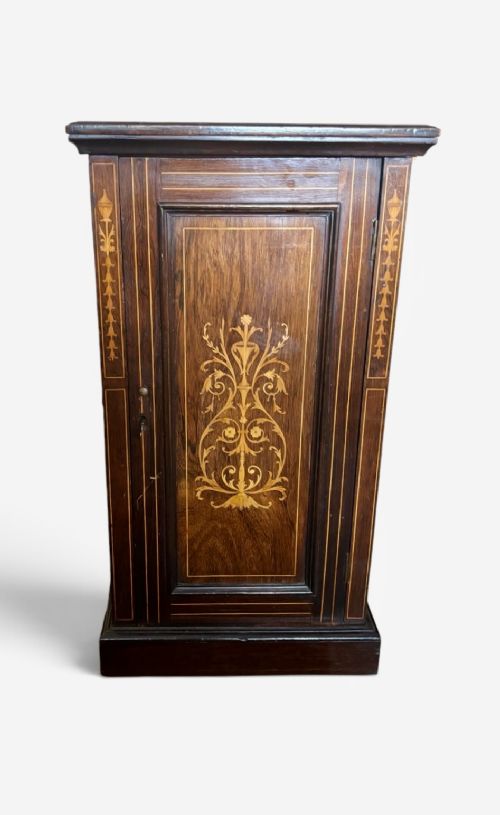
Many items incorporate contrasting timbers or decorative inlays of satinwood, mother of pearl and brass alongside the primary rosewood body. Others feature marble tops or delicate carved details that reflect both British cabinet-making traditions and Eastern craftsmanship.
Materials and construction
Makers built these pieces primarily using solid rosewood or rosewood veneer applied over secondary hardwoods and softwoods, harnessing the heavy density and pronounced grain of the timber. Brass hardware, inset glass panels and patinated marble tops frequently complete the construction.
Inlaid decorative elements utilise contrasting materials such as satinwood and mother of pearl, requiring precise hand-cutting and fitting into recessed channels within the rosewood surface. Structural support for multi-tiered display stands relies on turned columns, brackets and sturdy corner joints.
Materials appearing across the inventory include solid rosewood, rosewood veneer, brass, glass, marble, satinwood, walnut and hardwood.
Assessing quality in rosewood furniture
Quality reveals itself in the selection and book-matching of the rosewood grain across large flat surfaces and drawer fronts. Superior pieces display a rich, harmonious natural figure without patchy fading or awkward repairs to the veneer.
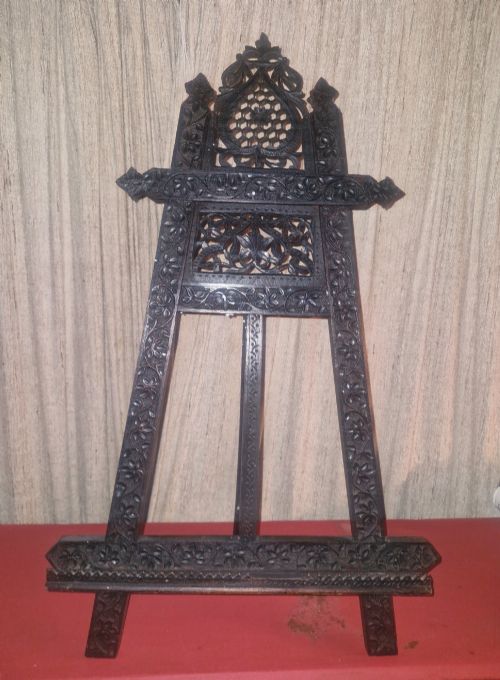
The finesse of secondary details marks the upper tier of execution, from crisp hand-carving on plant stands to neatly fitted brass mounts and precise marquetry inlays. Structural integrity in weight-bearing tiers and cabinets depends entirely on tight, stable joinery rather than reliance on adhesives.
Gillows·Samson and Son·Edwards and Roberts
The Vintage Rosewood Display Glossary
- Rosewood
- A dense, heavily grained hardwood prized for its deep colour and durability in fine furniture. It frequently exhibits dark streaks that create a striking visual pattern across table tops and cabinet doors.
- Etagere
- A piece of furniture consisting of a set of open shelves for displaying small ornaments or books. These tiered stands gained popularity during the Victorian and Edwardian periods.
- Whatnot
- A multi-shelved open cabinet or stand used for displaying bric-a-brac and curiosities. They appear frequently in nineteenth-century interiors.
- Jardiniere stand
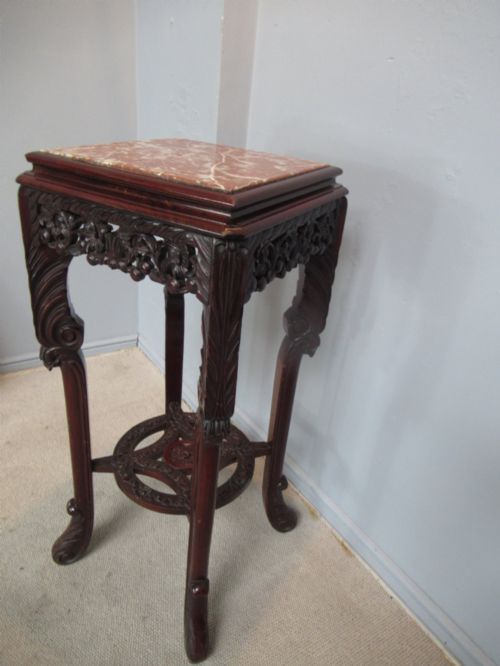
- A tall pedestal or small table specifically designed to hold a plant pot or flower vase. Many examples incorporate marble inserts to protect the timber from moisture.
- Ormolu
- Gilded bronze ornamentation applied to furniture, popular in French-influenced design. It adds metallic contrast to dark rosewood surfaces.
Vintage Rosewood Display: Frequently Asked Questions
What is a rosewood whatnot?
A whatnot is an open shelving unit with multiple tiers supported by slender columns or uprights. It was designed specifically for exhibiting decorative objects, small ceramics and books in nineteenth-century reception rooms.
These versatile pieces fit easily into corners or against walls where floor space is limited. Their open design allows light to pass through while providing varied heights for arrangement.
How do I care for rosewood furniture?
Rosewood benefits from a stable indoor environment away from direct sunlight and extreme temperature fluctuations, which can dry out the timber or cause veneer to lift. Dust the surfaces regularly with a soft, dry cloth.
Avoid using silicone-based polishes or harsh chemical cleaners that can damage the traditional polish finish. Occasional application of a suitable microcrystalline wax helps preserve the lustre of the wood.
Where should I place a plant stand?
Plant stands and jardiniere pedestals work well in corners, beside windows, or flanking doorways where they receive adequate natural light. Their compact footprints allow them to occupy empty wall spaces effectively.
Many period stands feature marble or tiled tops specifically chosen to resist water damage from potted plants. Ensure that any plant container used on timber surfaces has a proper saucer to prevent moisture contact.
How do I identify an Edwardian piece?
Edwardian display furniture often displays lighter proportions and more restrained ornamentation compared to heavy Victorian designs. Pieces from this era frequently combine rosewood with satinwood inlay or brass accents.
Cabinetwork from this period tends to reflect a revival of eighteenth-century elegance combined with practical domestic utility. Look for tapered legs, delicate stringing, and refined overall silhouettes.