
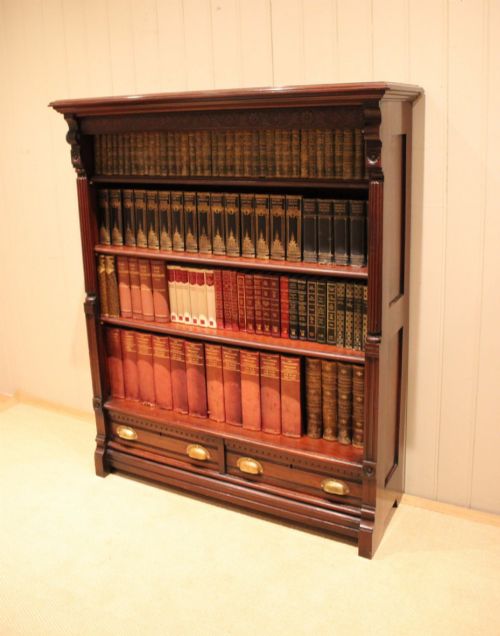
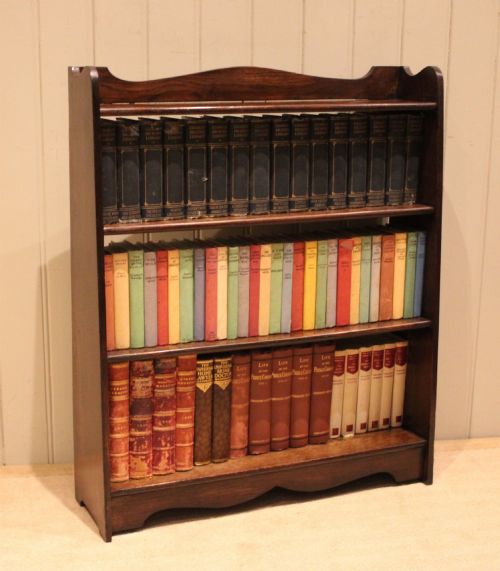
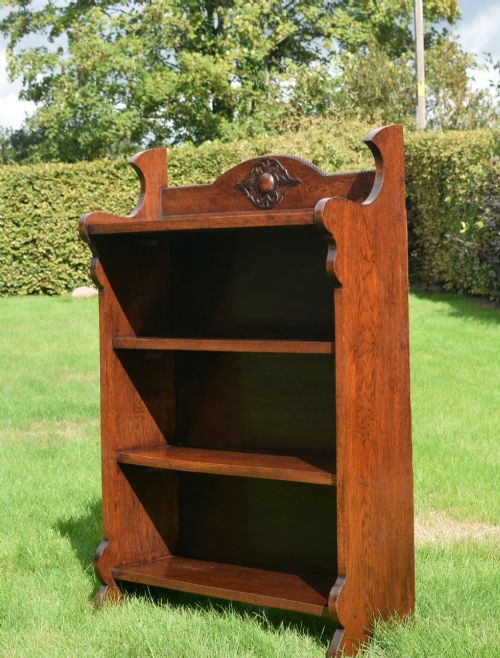
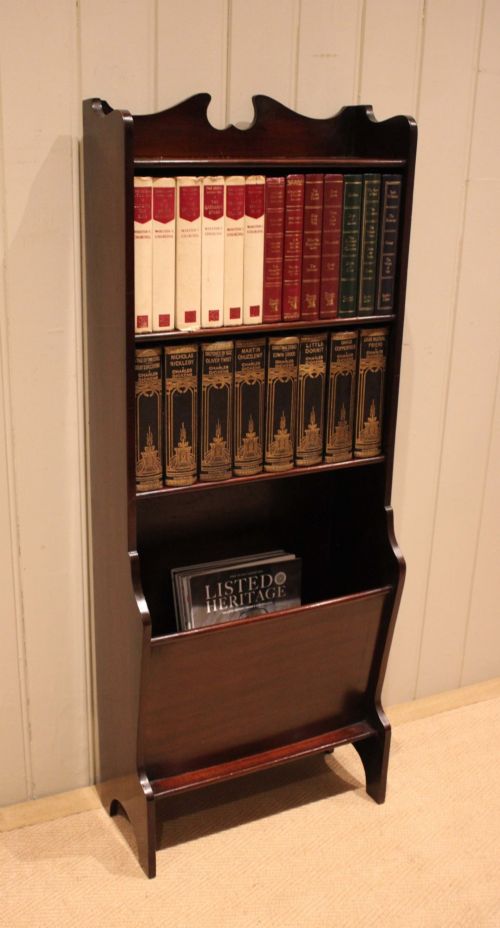
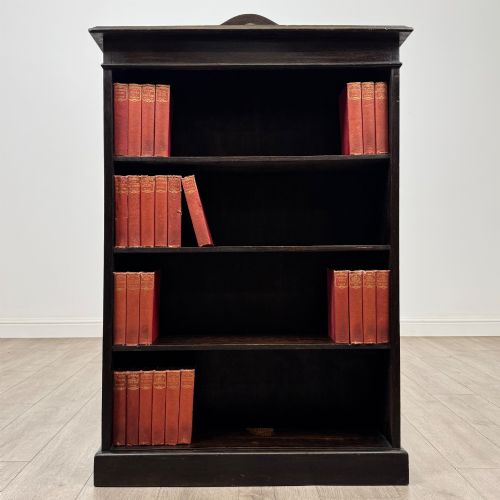
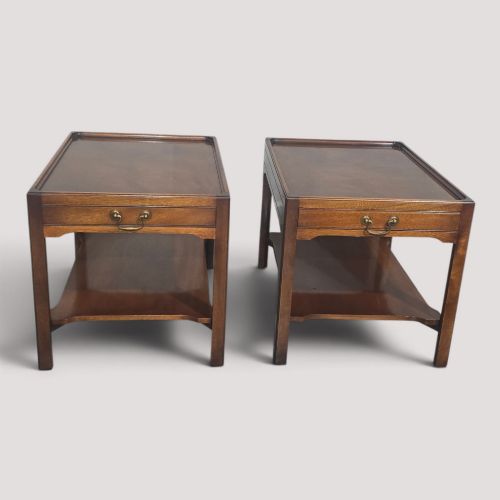
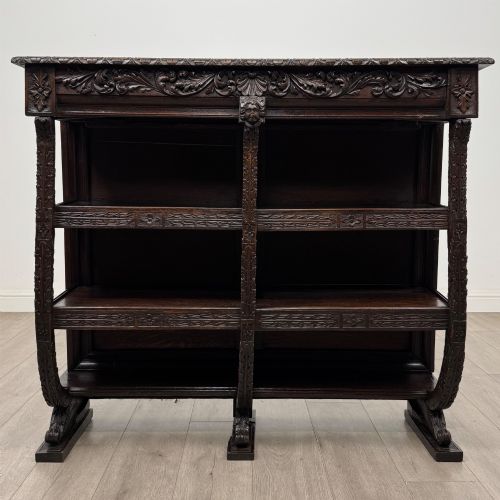
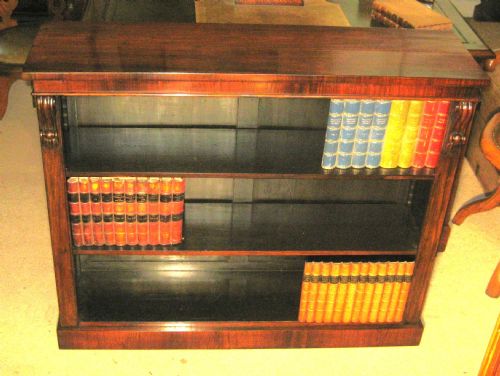
Dark Wood Shelves
Dark wood shelves bring warmth and architectural order to a room, holding everything from working volumes to display pieces.
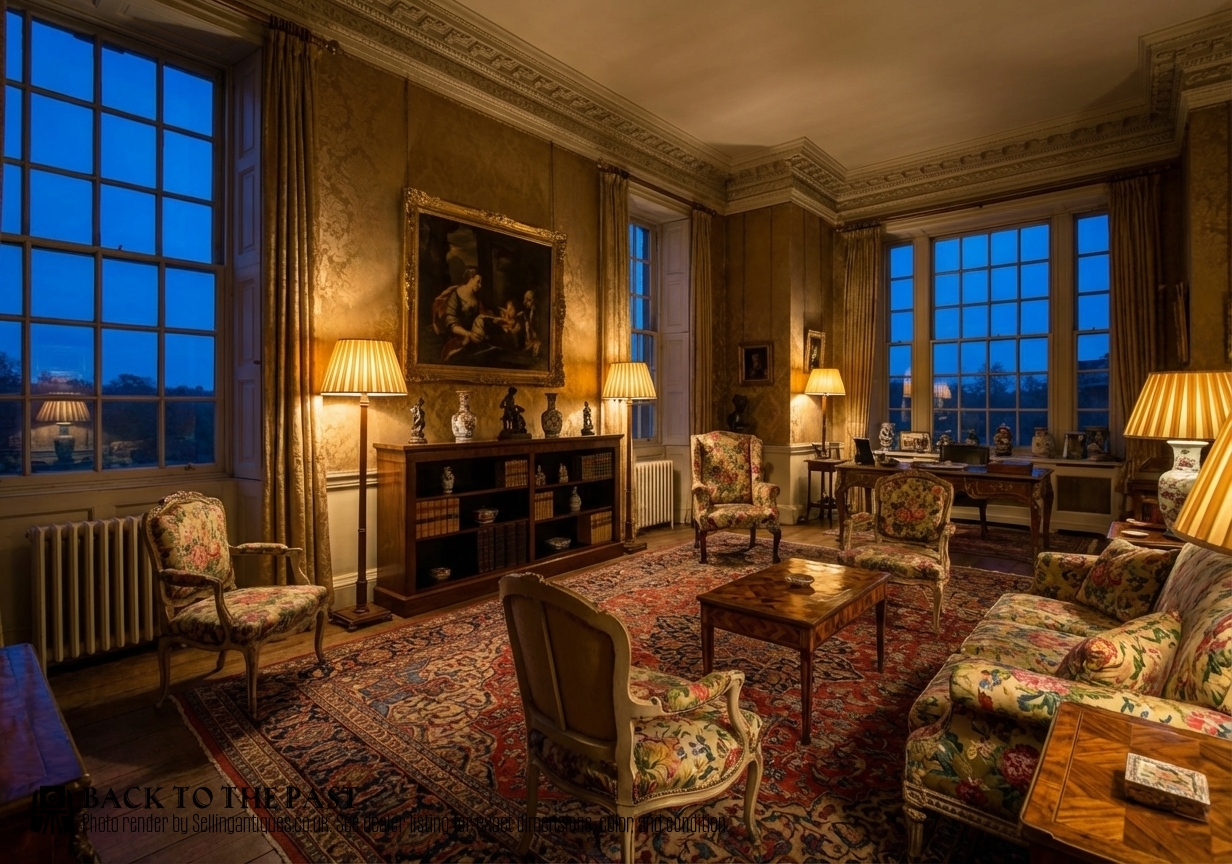
Dark Wood Shelves
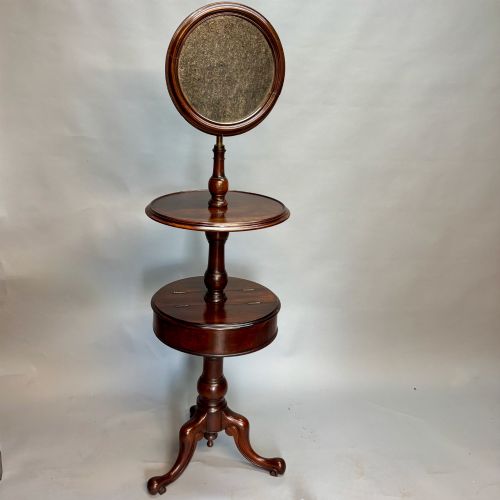
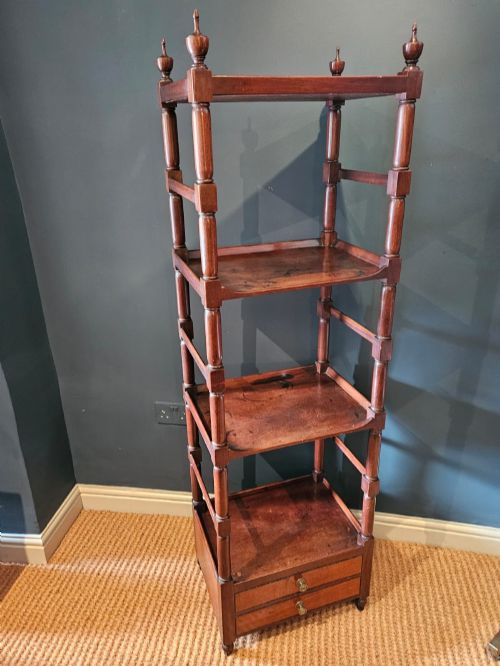
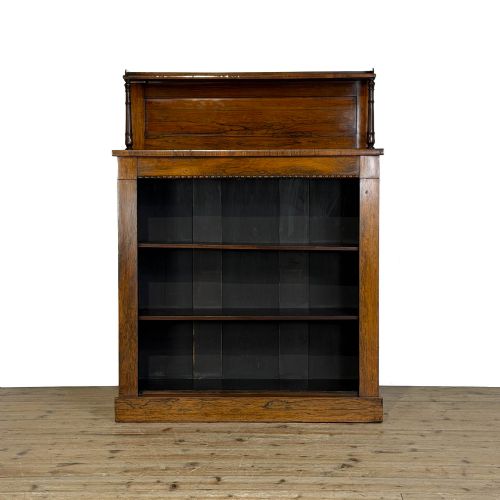
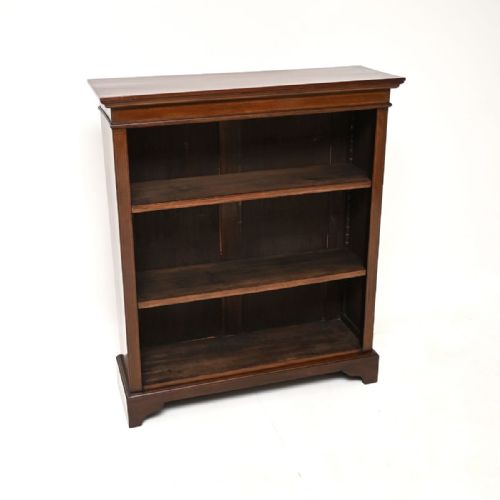
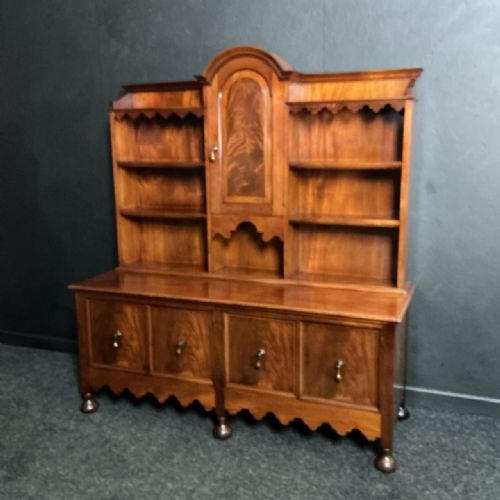
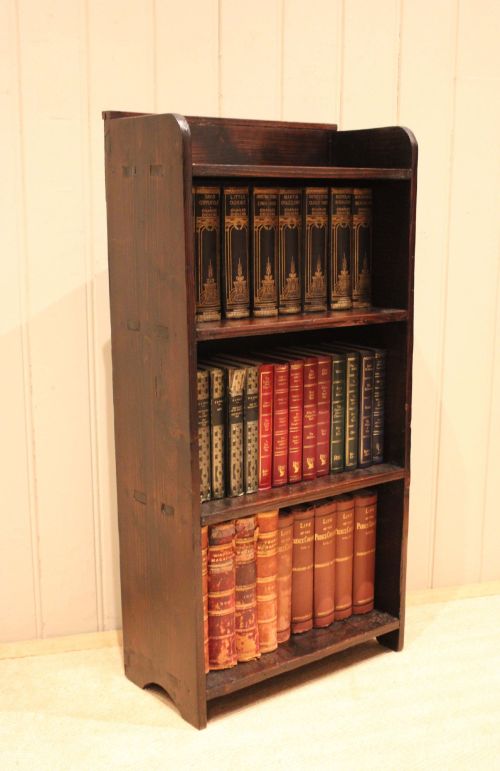
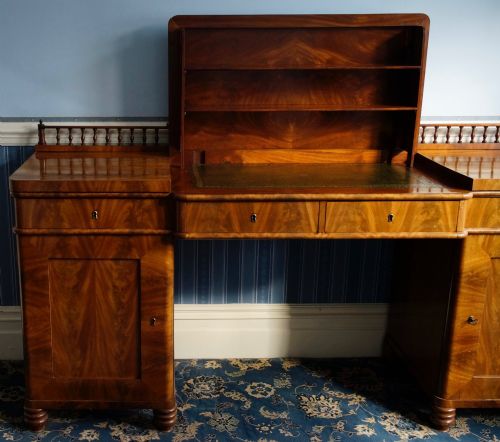
When you search for dark wood shelves, you encounter pieces designed to hold books, display curiosities, or organise domestic spaces. These functional items appear across several distinct forms, most commonly as open bookcases, wall shelves, and tiered stands.
The selections span the nineteenth and early twentieth centuries, drawing heavily on Victorian and Edwardian periods. You will frequently find variants in mahogany, oak, and walnut, reflecting the darker timbers favoured by makers of those eras.
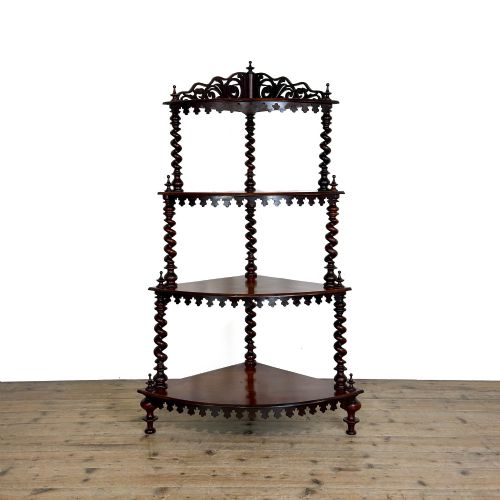
Forms range from compact corner whatnots and small dwarf bookcases to large library units and hanging shelves. Stylistic influences include Arts and Crafts, Regency, and Gothic revivals, alongside simpler rustic country pieces.
How they were made
Makers relied on durable hardwoods such as mahogany, oak, walnut, rosewood, and pine to build these structures. Many surfaces feature applied details like brass fixtures, glass panels, or carved elements, including barley twist supports and beaded edges.
Some dark wood bookcases hide adjustable shelves designed to keep your heaviest novels from sagging.
What varies in quality
Quality rests upon the selection of the timber and the precision of the joinery rather than mere age. Superior pieces demonstrate thoughtful grain matching, stable construction, and well-fitted internal elements such as adjustable shelving mechanisms.
Design ambition separates standard utility items from finer examples, with decorative carving, inlay work, or distinct regional styles elevating a straightforward storage unit into a striking focal point.
Gabriel Viardot·Brockbanks & Atkins
The Dark Wood Shelves Glossary
- Whatnot
- A set of open shelves for displaying small objects, popular in Victorian interiors. These tiered stands often feature turned supports or corner designs.
- Waterfall bookcase
- A set of open shelves where each tier is narrower than the one below, creating a stepped profile reminiscent of falling water.
- Barley twist
- A decorative turning technique resembling a twisted rope, commonly used on the upright supports of stands and bookcases.
- Ebonised
- Timber treated with a dark stain or finish to imitate ebony, frequently utilised in nineteenth-century decorative furniture.
- Open bookcase
- A storage unit for books featuring unfitted fronts without doors, allowing direct access to the contents.
Dark Wood Shelves: Frequently Asked Questions
Are these shelves suitable for heavy books?
Many of these pieces were constructed from solid hardwoods like oak and mahogany, making them structurally robust for everyday book storage. Units featuring adjustable shelves provide practical flexibility for volumes of varying heights.
Heavier loads sit best on fixed or well-supported shelves. Inspecting the thickness of the timber and the condition of the shelf supports will indicate its capacity.
How do I identify a Victorian bookcase?
Victorian examples often display rich mahogany or walnut timbers, sometimes accompanied by carved details, Gothic influences, or barley twist supports. The construction typically employs traditional joinery methods appropriate for the nineteenth century.
Subtle markers such as adjustable wooden shelf pins and dark patination help distinguish these period pieces from later reproductions.
What is the difference between a whatnot and a bookcase?
A whatnot is primarily designed for displaying ornaments, ceramics, and small curiosities across multiple open tiers, often in a corner or freestanding format. A bookcase specifically focuses on housing collections of books.
While both utilise dark wood shelves, bookcases generally offer deeper storage spaces and adjustable internal shelving tailored for reading materials.
How should I care for dark wood surfaces?
Maintain the timber by keeping pieces away from direct sunlight and strong temperature fluctuations, which can dry out the wood. Dust regularly with a soft, dry cloth to protect the finish.
Occasional application of appropriate wax polish helps preserve the sheen of mahogany, oak, and walnut without building up heavy residues.