



Vintage Rosewood Bookcase
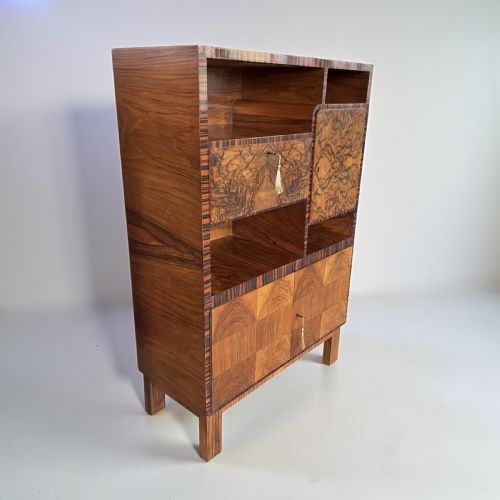
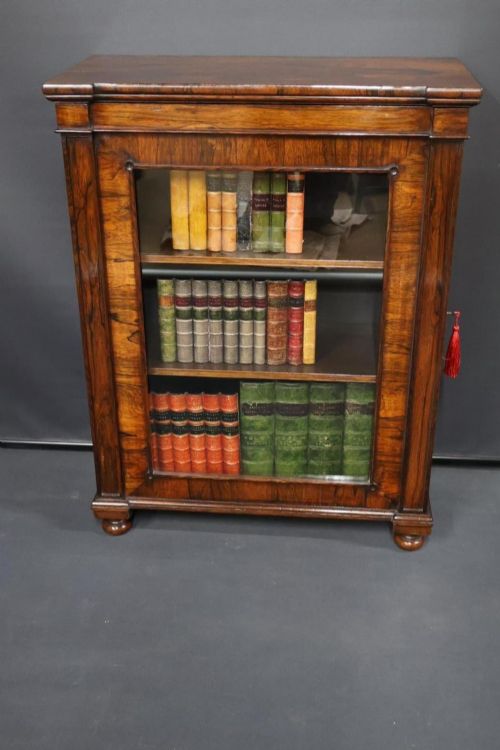
A vintage rosewood bookcase brings warmth and deep grain patterns to a room, holding collections with quiet authority.
Vintage Rosewood Bookcase
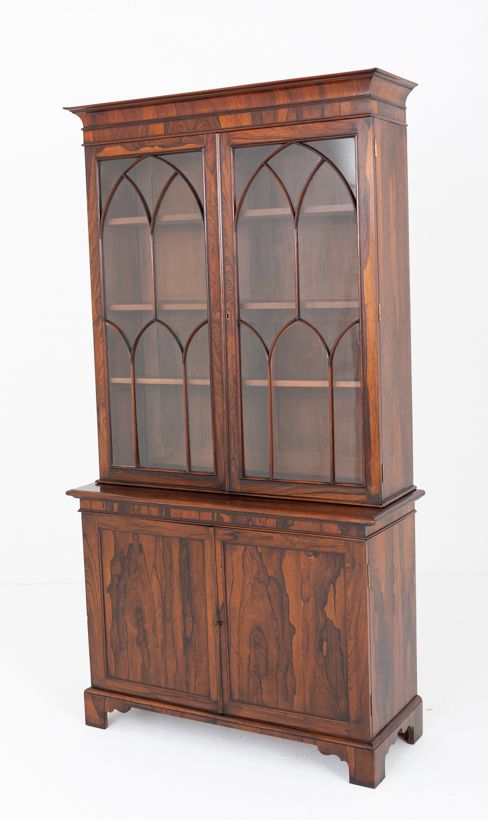
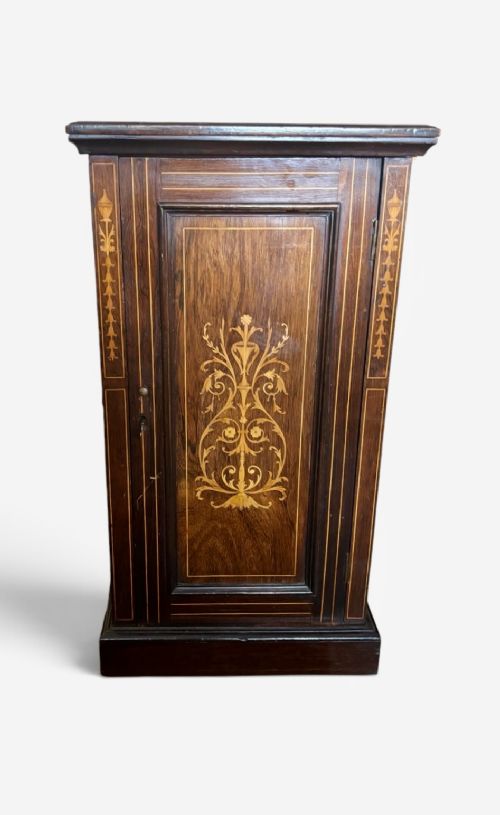
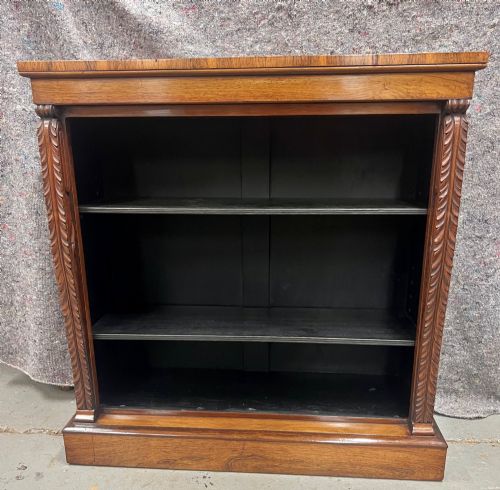
A vintage rosewood bookcase spans several distinct periods, with Regency, Victorian, and William IV pieces appearing alongside Edwardian and Art Deco examples. These items take many forms, ranging from open bookshelves and glazed display cabinets to compact side cabinets, chiffoniers, and tiered whatnot étagères.
The materials paired with rosewood shape each piece, as makers incorporate satinwood inlay, brass details, marble tops, and glass doors. Buyers encounter both substantial bureau bookcases and smaller wall shelves or side units, accommodating different spaces and storage needs.
Materials and construction methods
Makers utilise dense rosewood timber, frequently applied as a veneer over softwood or mahogany foundations to create rich surface grain patterns. Structural elements incorporate secondary timbers such as pine alongside brass mounts and marble tops.
Joinery techniques include fine inlay work using satinwood and precision carving, particularly visible on Anglo-Indian pieces and Regency side cabinets. Glazed doors and mesh panels appear on display units, while adjustable shelving systems utilise timber tracks and brass fittings.
Vintage Rosewood Bookcase Retail Price Guide 2026
Typical asking prices for vintage rosewood bookcase among the pieces listed under this phrase on Sellingantiques today, from the lower quarter to the upper quarter. They describe what is for sale here now, not the wider market.
One listed item is simply described as a robust mid-nineteenth century book rack, built without pretension to hold everyday volumes.
Distinctions in craftsmanship
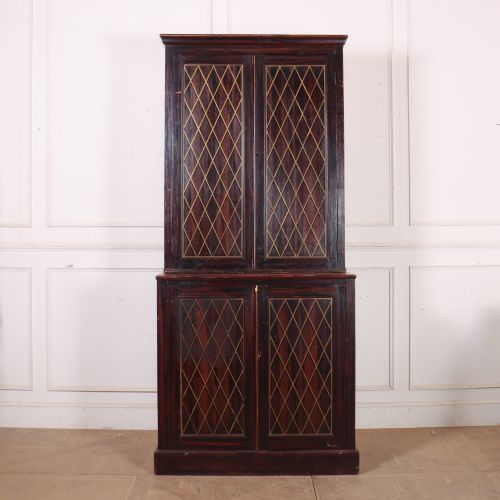
The standard of timber selection and veneer matching defines the character of a piece, with continuous grain patterns commanding attention. Finer examples display meticulous brass inlay and precise satinwood stringing rather than simpler painted or simulated finishes.
Structural integrity and the quality of secondary timbers reveal the original maker's skill, particularly in the movement of adjustable shelves and the fit of doors. Cabinets featuring integrated marble tops and robust brass hardware demonstrate higher production standards.
The Vintage Rosewood Bookcase Glossary
- Rosewood
- A dense, heavily figured timber known for its deep colour and distinct dark grain patterns. It forms the primary surface material across Regency, Victorian, and later cabinets.
- Chiffonier
- A low sideboard or cabinet featuring enclosed lower cupboards, often surmounted by a shelf or tiers. These pieces frequently incorporate rosewood veneer and brass galleries.
- Whatnot
- A piece of furniture consisting of open shelves supported by pillars, used for displaying books or decorative objects. Examples range from simple wall brackets to multi-tiered étagères.
- Palisander
- A term frequently applied to dark tropical hardwoods resembling rosewood. It appears in European cabinetmaking alongside traditional rosewood veneers.
- Inlay
- A technique where contrasting materials such as satinwood or brass are inserted into the timber surface to form decorative patterns. This work highlights the borders and panels of finer cabinets.
Vintage Rosewood Bookcase: Frequently Asked Questions
How do I care for rosewood furniture?
Keep rosewood pieces away from direct sunlight and steady heat sources to prevent the timber and veneer from drying out.
Dust regularly with a soft cloth and avoid chemical polishes that can damage the traditional polish finish.
What is the difference between an open bookcase and a cabinet?
Open bookcases provide immediate access to volumes without doors, prioritising display and retrieval.
Cabinets and chiffoniers feature glazed, wooden, or mesh doors that protect contents from dust and light.
Can I adjust the shelves in these bookcases?
Many nineteenth-century and later bookcases include adjustable shelving supported by timber racks or brass studs.
Simpler or older variants often feature fixed shelves integrated directly into the structural frame.
How do I identify a Regency period piece?
Regency items typically display clean architectural lines, classical proportions, and restrained brass or satinwood inlay.
They date from the early nineteenth century and frequently combine rosewood veneers with sturdy secondary timbers.