







Vintage Room Screen
A vintage room screen partitions space with decorative flair, offering folding panels in lacquer, wood, and fabric that transform interiors.

Vintage Room Screen
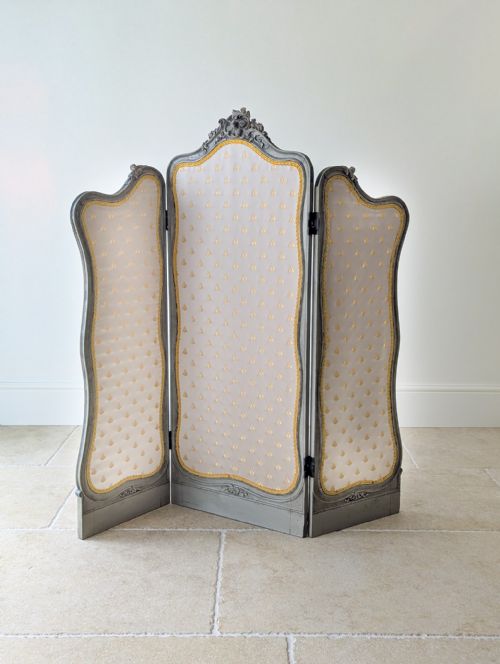
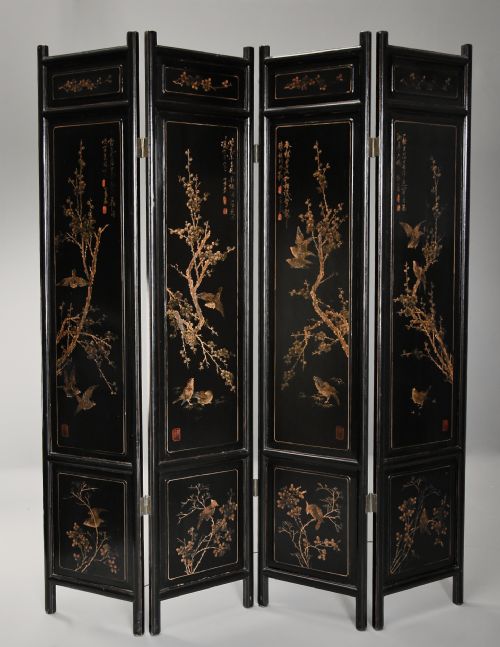
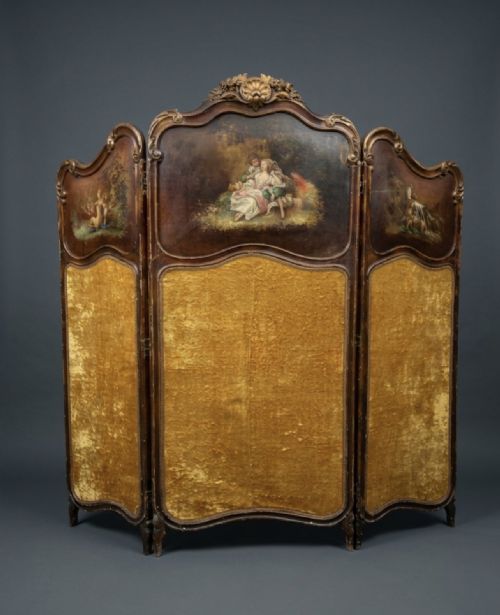
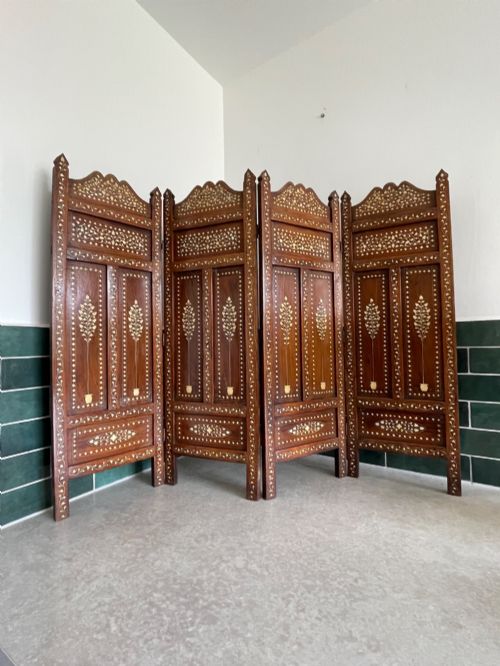
When you search for a vintage room screen, you encounter folding panels designed to divide spaces or provide privacy across residential interiors. These items appear in various configurations, from three-fold setups to multi-panel Chinese lacquer designs and smaller table screens.
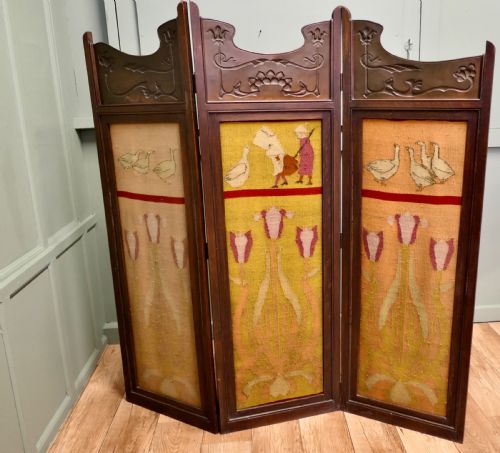
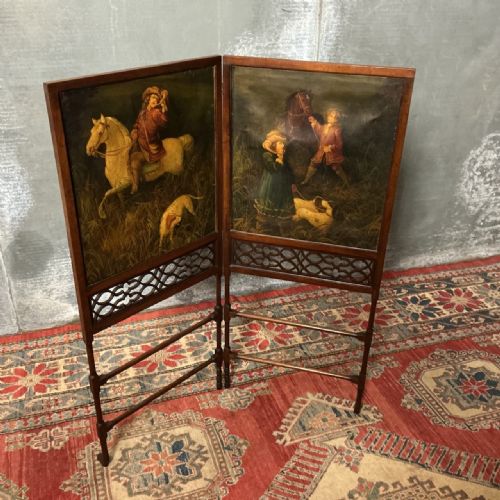
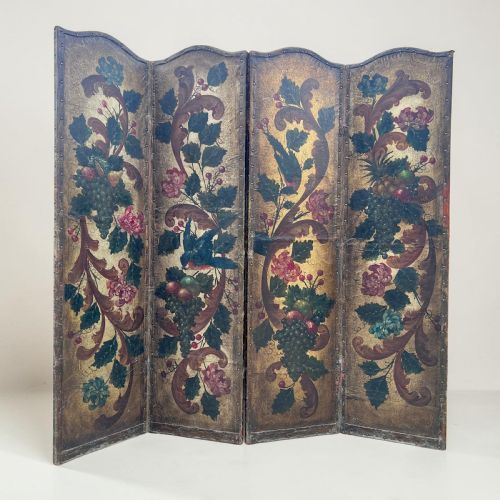
The pieces on this page span several periods, including Victorian, Edwardian, and the early twentieth century, alongside specific stylistic revivals. You are likely to meet wooden frames holding painted leather, textile panels, oil paintings, or embroidered inserts.
Forms range from grand privacy dividers and dressing room screens to modestsized modesty screens and intricate oriental folding screens. Each example demonstrates how historic interiors managed light, draughts, and spatial flow through movable partitions.
What varies in quality
Quality rests in the precision of the joinery and the integrity of the hinges connecting the folding panels. Superior examples exhibit robust framing that supports heavy inserts without sagging or straining the joints.
The execution of the decorative surface dictates distinction, separating standard production from master craftsmanship. Finely detailed hand-painted leather, deeply carved wood, and crisp lacquer work denote higher artistry than basic printed or plain panels.
Debating societies utilised sturdy oak frames to keep political arguments properly partitioned from the rest of the room.
The Vintage Room Screen Glossary
- Chinoiserie
- European decorative style reflecting Chinese artistic traditions, frequently featuring gilt motifs on dark lacquer grounds. This aesthetic dominated many nineteenth-century folding screens.
- Lacquer
- Protective and decorative resin coating applied in multiple layers to wood surfaces. It creates a smooth, glossy finish typical of Asian import screens.
- Modesty screen
- Low-standing decorative screen historically utilised to shield occupants from draughts or direct view near fireplaces and doorways. These items remain compact and portable.
- Needlepoint
- Embroidery stitched onto a canvas mesh ground, often seen in nineteenth-century screen panels depicting floral or figural subjects. This technique adds tactile warmth to wooden frames.
- Padauk
- Dense tropical hardwood known for its reddish-brown colour and durability, utilised in carved Indian screens. It provides a heavy, stable structure for intricate fretwork.
Vintage Room Screen: Frequently Asked Questions
How are vintage room screens used today?
These screens divide open-plan rooms, create private dressing areas, or serve as decorative backdrops against plain walls. They soften harsh corners and introduce historical texture to modern interiors.
Position them near windows to filter light or place them in hallways to manage spatial flow. Their folding nature permits flexible arrangement according to daily requirements.
How do I care for a lacquer screen?
Dust surfaces gently with a soft, dry cloth to prevent scratching the delicate finish. Avoid exposure to direct sunlight and excessive moisture, which can damage lacquer and wood.
Keep them away from heat sources like radiators to prevent timber warping and panel cracking. Professional conservation maintains the integrity of antique painted surfaces.
How can I tell the period?
Dating relies on stylistic markers, such as Art Nouveau floral curves, Victorian dark woods, or Edwardian inlaid mahogany. Construction methods, hinge types, and fastener styles offer additional clues.
Examining the pigments, textiles, and underlying timber grain helps distinguish nineteenth-century examples from later twentieth-century productions. Comparing known design motifs clarifies the timeline.