

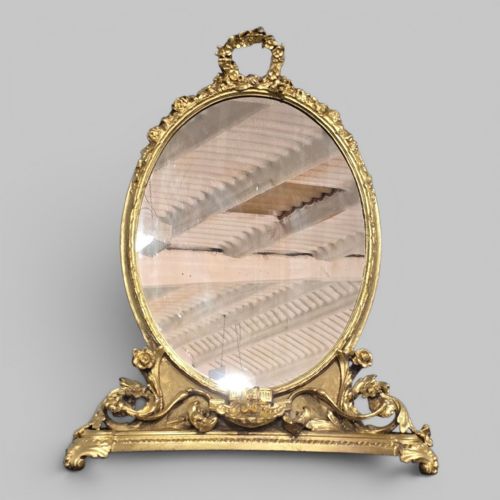


Vintage Rococo Dressing Table
A vintage rococo dressing table brings flamboyant curves and intricate carvings into a bedroom, offering both a functional surface and a dramatic focal point.
Vintage Rococo Dressing Table
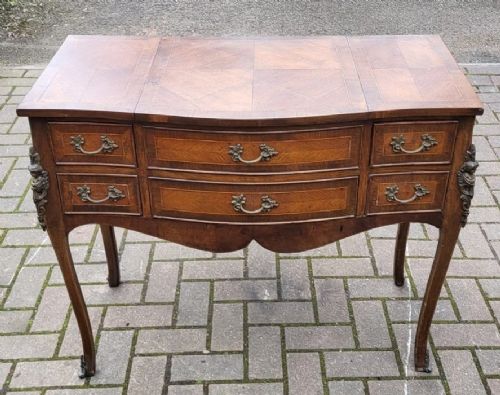
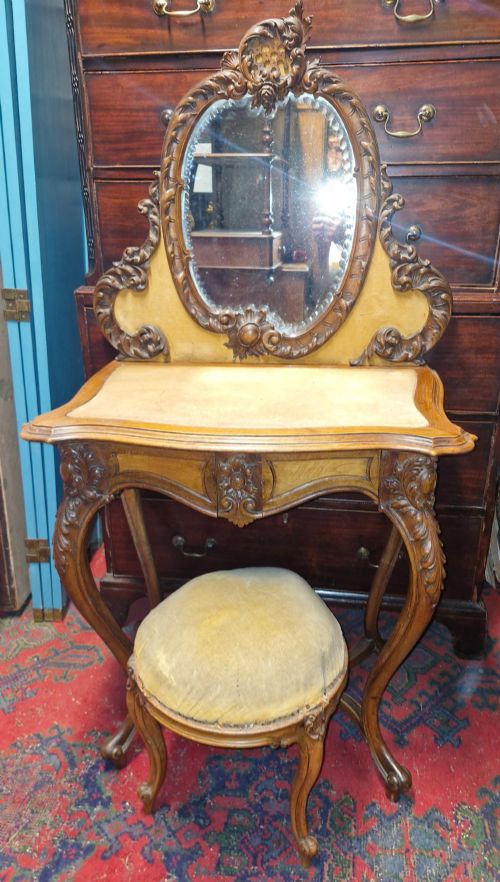
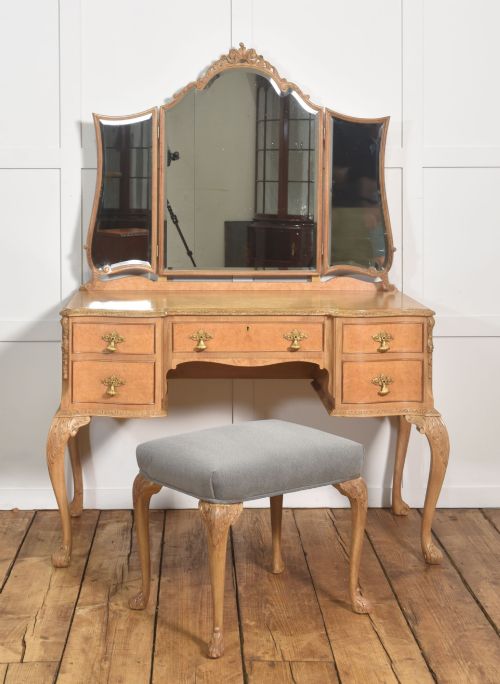
A vintage rococo dressing table draws heavily upon the sweeping, organic lines of eighteenth-century French design, revived during the nineteenth and early twentieth centuries. These pieces typically incorporate matching mirrors and low stools designed in the same ornate spirit.
The versions most commonly found here date from the Victorian era up to the nineteen-thirties, spanning walnut, mahogany, and painted finishes. They range from compact table mirrors to substantial dressing tables paired with cabriole-legged seating.
Materials and construction methods
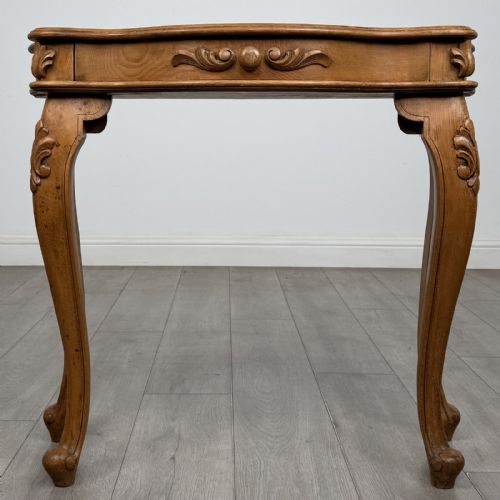
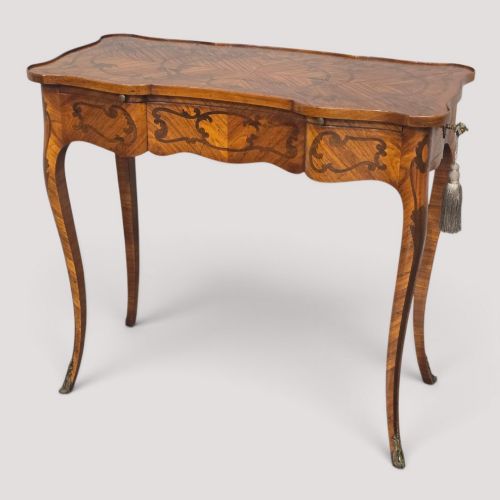
Cabinetmakers utilised dense hardwoods like walnut, mahogany, and oak as the foundational structure, often shaping them with elaborate carved motifs. Gilt details, brass hardware, and intricate marquetry frequently accent the primary timber surfaces.
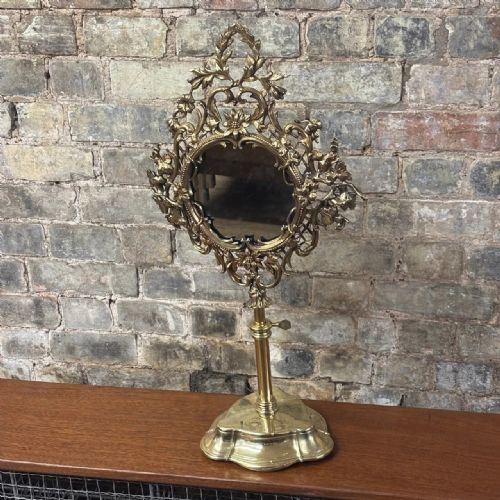
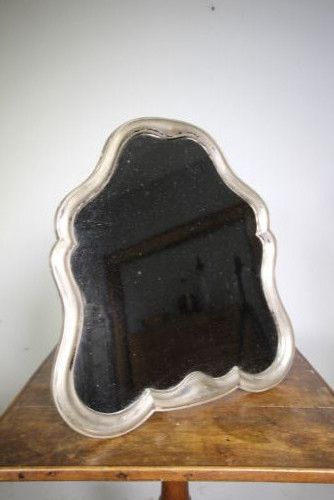
Mirrors employ bevelled glass mounted in pivoting frames, while associated stools utilise traditional joinery paired with fabric or velvet upholstery. Painted and silvered finishes provide an alternative decorative treatment across many examples.
Vintage Rococo Dressing Table Retail Price Guide 2026
Typical asking prices for vintage rococo dressing table among the pieces listed under this phrase on Sellingantiques today, from the lower quarter to the upper quarter. They describe what is for sale here now, not the wider market.
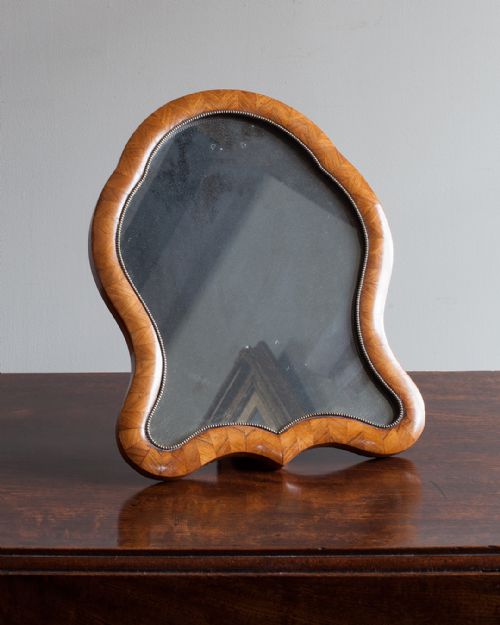
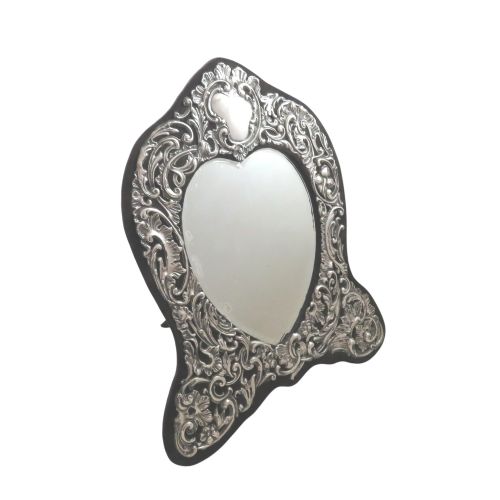
Several pieces include heart-shaped mirrors, adding a touch of romance to the daily routine of reflection.
Factors influencing overall quality
The crispness and depth of the carved woodwork separate standard production items from superior examples. Skilled hand-carving displays sharp relief and fluid asymmetry, whereas lesser pieces show softer, mechanical detailing.
The integrity of the structural frame, particularly at the joints of cabriole legs, dictates longevity. High-grade items retain original mirror glass and well-preserved upholstery fabrics that complement the intricate timber work.
The Vintage Rococo Dressing Table Glossary
- Cabriole leg
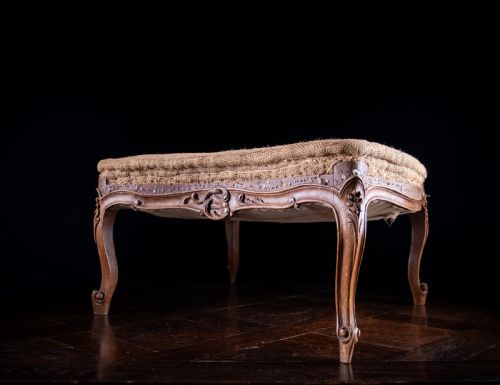
- A furniture leg that curves outward in a convex arc and tapers inward in a concave arc, terminating in a decorative foot. This form mimics animal limbs and appears frequently on rococo seating and tables.
- Marquetry
- The art of applying decorative pieces of veneer to a structural structure to form intricate patterns or pictures. Craftsmen utilise various coloured woods to achieve pictorial depth.
- Swing mirror
- A mirror plate mounted on pivots within a vertical frame, allowing the glass to tilt at different angles. These are commonly found resting on dressing tables or built as freestanding vanity units.
- Gilt
- A thin layer of gold leaf or gold paint applied to wood, brass, or plaster surfaces to impart a metallic sheen. It accentuates carved details under changing light conditions.
Vintage Rococo Dressing Table: Frequently Asked Questions
What periods do these pieces come from?
The selection spans from the mid-nineteenth century through the Edwardian period and up to the nineteen-thirties. Revival styles frequently draw inspiration from Louis XV aesthetics.
Craftsmen across these decades reinterpreted earlier French motifs using contemporary manufacturing techniques and traditional timbers.
Do dressing tables usually include stools?
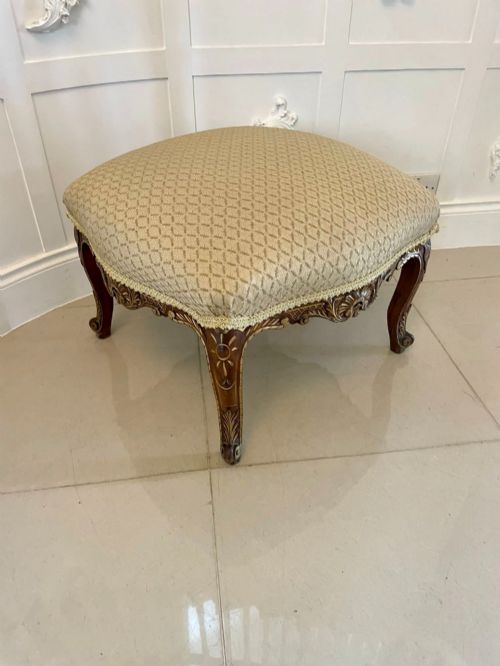
Many examples are offered alongside matching stools featuring carved wooden frames and upholstered seats. These seats often echo the cabriole legs and finish of the main table.
Matching sets provide a cohesive decorative scheme for a bedroom interior.
What woods are commonly used?
Walnut and mahogany form the primary structural timbers across most examples. Oak, kingwood, and beech also appear in carved frames and related side tables.
Surfaces frequently feature painted finishes, gilt highlights, or decorative veneer work.
How do triple mirrors function?
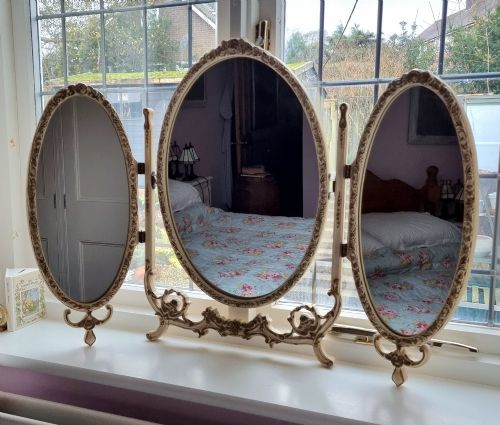
Triple mirrors consist of a central glass plate flanked by two smaller adjustable side panels mounted on hinges. This configuration allows the user to view angles from multiple perspectives.
They appear both as freestanding table units and integrated into larger dressing table structures.