




Carved Wooden Pier Mirror
A carved wooden pier mirror brings deep historical character and bright reflection to a room, anchoring architectural space with traditional craftsmanship.
Carved Wooden Pier Mirror
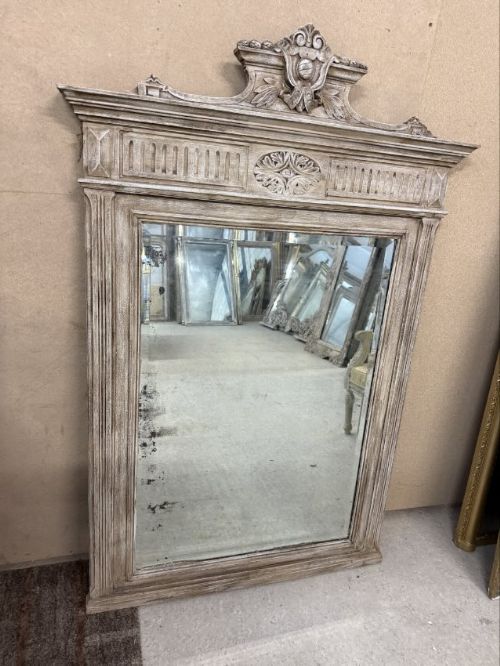
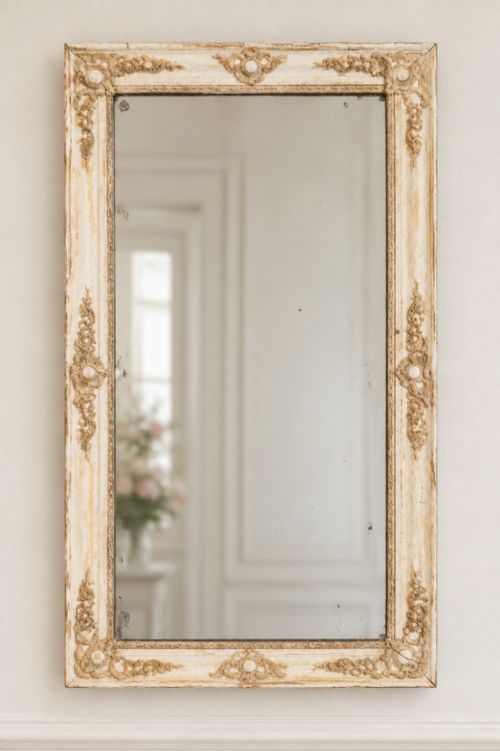
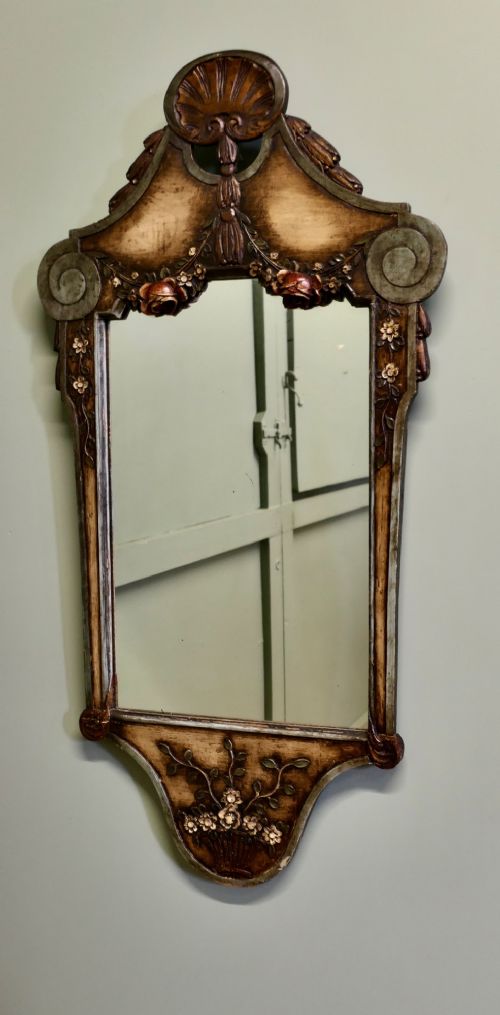
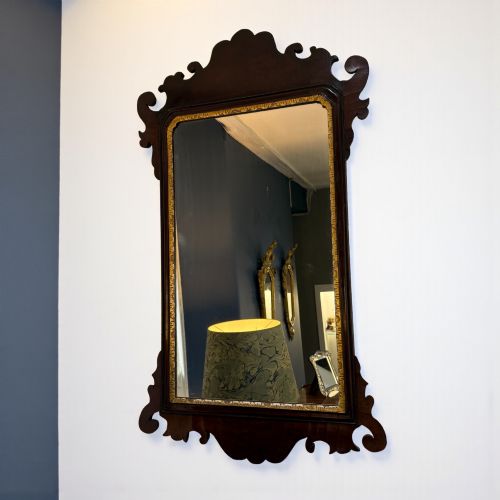
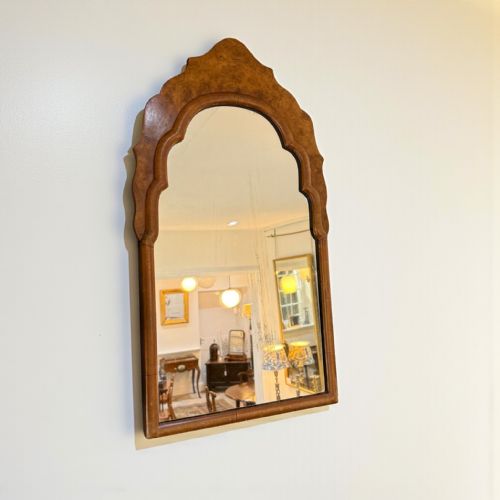
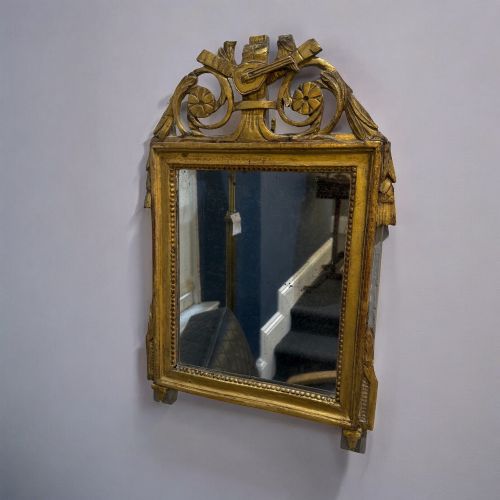
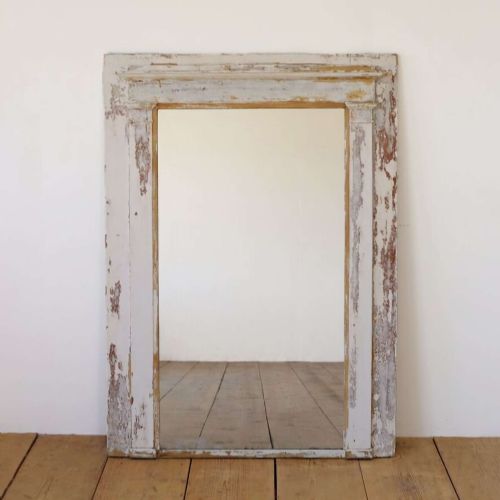
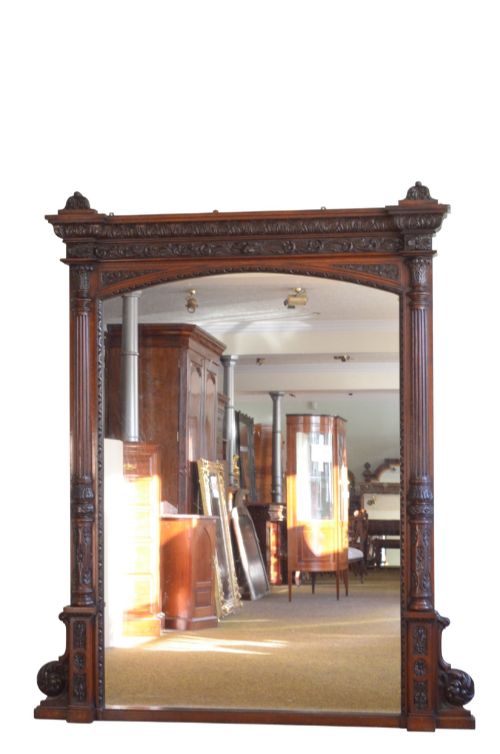
A carved wooden pier mirror is a substantial wall-hanging glass intended for placement on the expanse of wall between windows, known historically as the pier. These objects combine functional reflection with decorative woodwork, serving as architectural focal points within reception rooms and hallways.
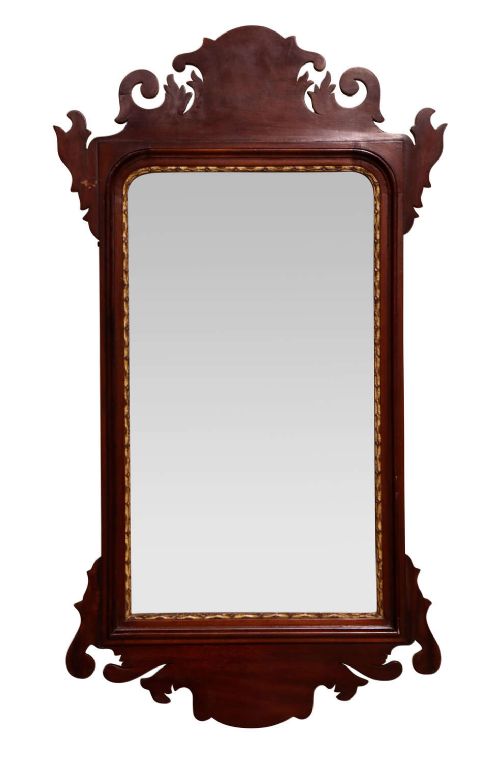
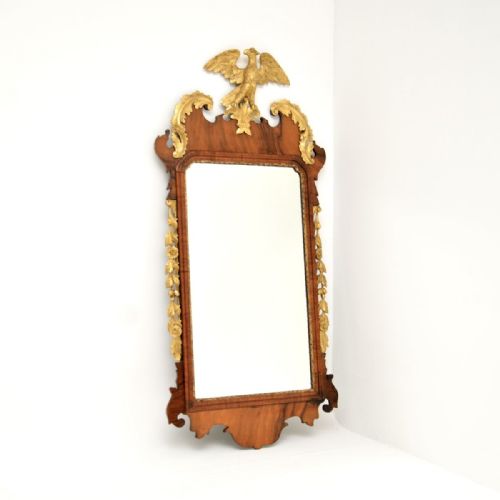
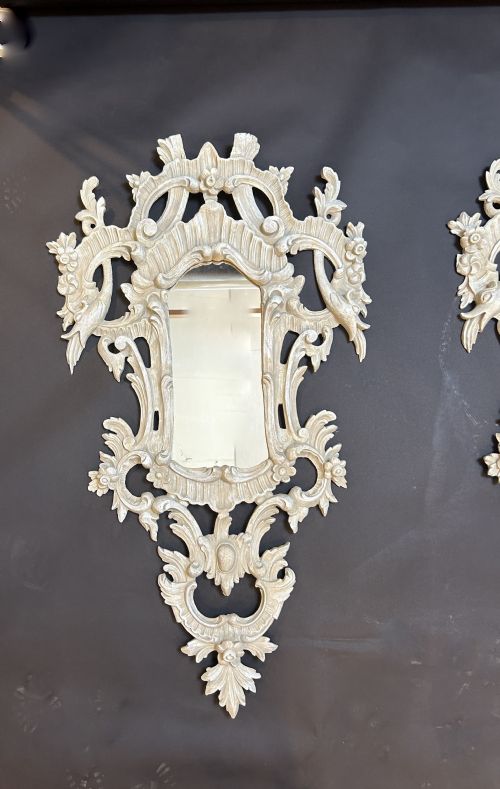
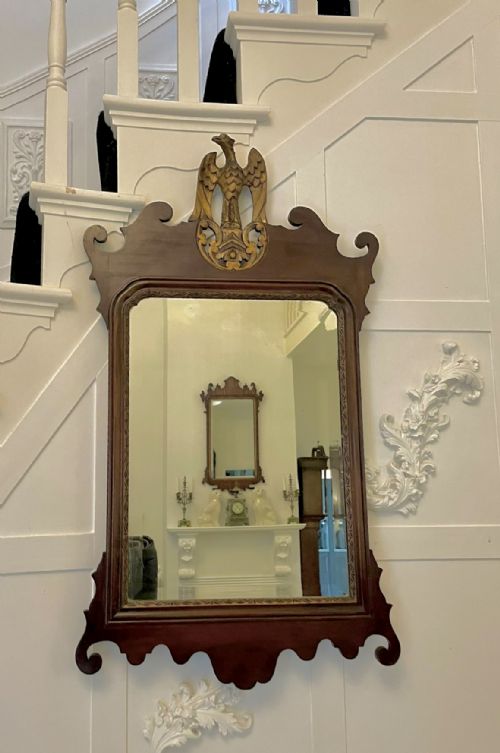
The pieces available on this page most commonly date from the eighteenth and nineteenth centuries, taking the form of Georgian mahogany designs or ornate Victorian giltwood creations. Walnut, oak, and painted finishes also appear frequently, reflecting various revival styles spanning centuries of cabinet making.
How They Were Made
Cabinet makers constructed the primary frames of these mirrors using solid hardwoods such as mahogany, walnut, and oak, often shaping them with intricate fretwork and carved details. Gesso and carved wood served as the base layers for applied gilding or silver-leaf finishes on decorative examples.
Original mirror plates made from mercury or early glass techniques are set within these frames, sometimes accompanied by parcel gilt slips and architectural mouldings. Surface treatments range from hand-applied paint and ebonisation to polished natural wood grains.
Carved Wooden Pier Mirror Retail Price Guide 2026
Typical asking prices for carved wooden pier mirror among the pieces listed under this phrase on Sellingantiques today, from the lower quarter to the upper quarter. They describe what is for sale here now, not the wider market.
Certain Victorian pier mirrors feature carved wooden griffins guarding the glass, watching over anyone checking their reflection.
What Varies in Quality
The standard of a carved wooden pier mirror rests upon the depth and crispness of its hand-carved ornamentation, such as foliage or fretwork patterns. Sharply defined carving distinguishes superior workshops from later or more commercial reproductions.
Originality of the glass plate and the integrity of the underlying timber frame also determine worth. Retaining period surfaces, original gilding, and early mirror glass enhances the historical authenticity of the piece.
The Carved Wooden Pier Mirror Glossary
- Pier glass
- A tall mirror specifically designed to hang on the wall space between two windows. This placement maximised natural light in traditional interiors.
- Gesso
- A plaster-based material applied to wood frames to create a smooth surface for gilding. Artisans carved intricate relief details directly into this ground.
- Fretwork
- Openwork ornamentation cut from thin wood panels using a fretsaw. This technique defined many eighteenth-century furniture designs.
- Parcel gilt
- A decorative finish where only specific portions of a wooden object are covered in gold leaf. The remaining areas display the natural polished grain of the timber.
Carved Wooden Pier Mirror: Frequently Asked Questions
Where should I hang a pier mirror?
These mirrors traditionally hang in the narrow wall space between two windows, reflecting light back into the centre of a room. They also function effectively above console tables or mantelpieces in large reception spaces.
Ensure the wall construction supports the substantial weight of solid wood and glass frames. Secure heavy antique pieces using appropriate wall anchors matched to the weight of the specific frame.
How do I identify a Georgian mirror?
Georgian mirrors typically utilise timber species such as mahogany and walnut, featuring hand-cut fretwork or architectural pediments. Construction methods often include pegged joints and older pine secondary woods on the reverse.
Examine the mirror plate for signs of age, such as slight foxing or waviness in the glass. Eighteenth-century examples display distinct hand-crafting marks that differ from mass-produced nineteenth-century alternatives.
What is mercury glass?
Mercury glass refers to historic mirror plates produced using a tin and mercury amalgam poured behind the glass pane. This technique created a warm, deep reflection distinct from modern aluminium-backed mirrors.
Over time, this historical silvering method develops characteristic mottling and dark spots known as foxing. These natural ageing traits confirm the longevity and period authenticity of the mirror plate.
How do I care for antique giltwood?
Giltwood frames require gentle maintenance using a dry, soft brush to remove dust from intricate carved crevices. Avoid using liquid cleaners or moisture, which can damage fragile gesso and gold leaf layers.
Keep these mirrors away from direct sunlight and excessive humidity to prevent the underlying wood from warping. Stable environmental conditions preserve both the timber structure and the delicate gilded surface.