

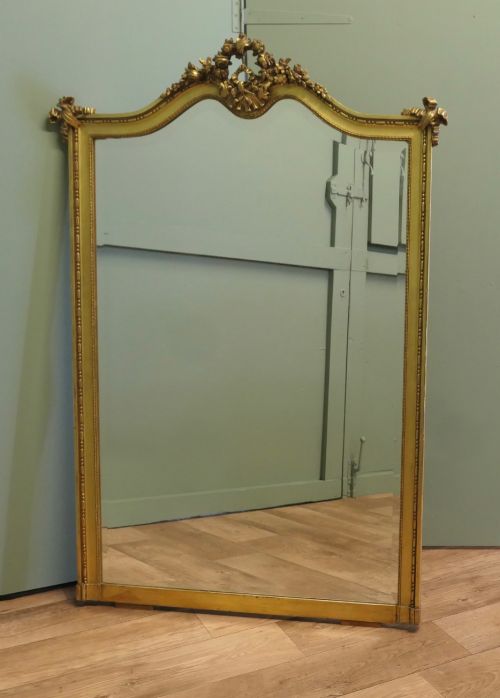
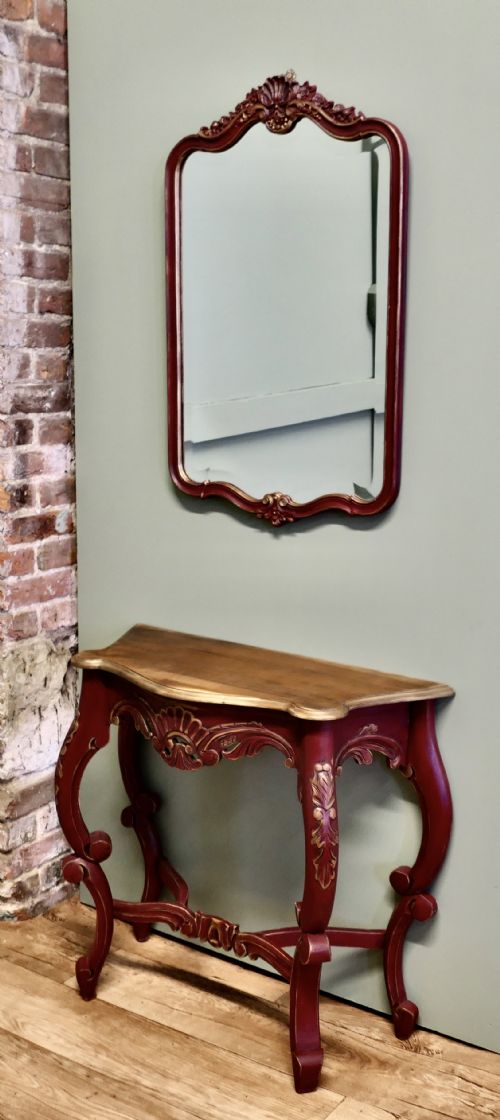

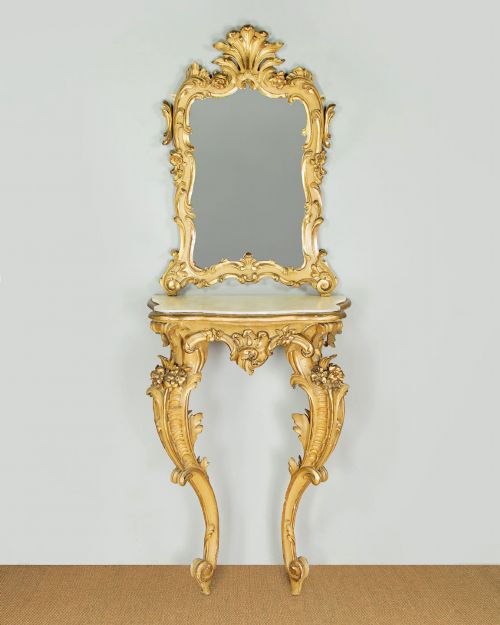


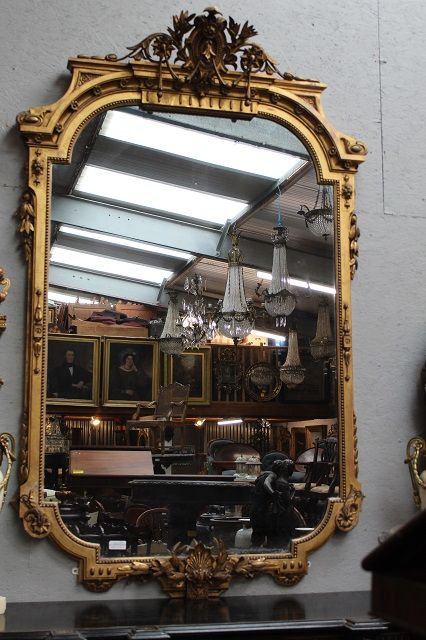


Gilded Rococo Hall Mirror
These gilded rococo hall mirrors bring exuberant carved ornamentation and reflective light into an entryway, driven by flamboyant nineteenth-century revival tastes.
Gilded Rococo Hall Mirror
A gilded rococo hall mirror serves as a dramatic focal point in a hallway or entrance, combining ornate frames with expansive glass. Buyers seeking this aesthetic will encounter pieces primarily from the nineteenth century, alongside turn-of-the-century interpretations.
The selections available range from standalone wall-hung plates to grand console table and mirror sets designed to sit harmoniously beneath. These pieces draw heavily on Rococo Revival, French Rococo, and Baroque Revival vocabularies to create maximum visual impact in smaller or larger spaces.
Origins span English, French, Italian, and Dutch traditions, offering varied interpretations of asymmetrical scrollwork and pierced carving. Most examples on display date from the Victorian era up to the early twentieth century, reflecting enduring enthusiasm for continental historicism.
Materials and construction methods
Makers shaped structural carcases from timber, often employing carved wood or layered composition materials to build up deeply dimensional relief work. Gesso was frequently applied beneath the surface to provide a smooth base for subsequent gilding.
Giltwood and gold leaf finishes dominate the surviving pieces, sometimes accompanied by parcel-gilt details set against ebonised grounds. Mirror glass is typically heavy and bevelled or flat-plate, housed securely within robust wooden frames.
Gilded Rococo Hall Mirror Retail Price Guide 2026
Typical asking prices for gilded rococo hall mirror among the pieces listed under this phrase on Sellingantiques today, from the lower quarter to the upper quarter. They describe what is for sale here now, not the wider market.
Listings feature items spanning the eighteenth century through the Victorian era up to 1920, predominantly executed in giltwood and gesso.
Distinctions in quality and execution
The depth and crispness of the hand-carving separate standard moulded decoration from superior artisan work. Finely articulated acanthus leaves, C-scrolls, and asymmetrical motifs demonstrate the carver's sculptural control.
The integrity of the original gilt surface and the preservation of the underlying gesso define the visual weight and authenticity of the piece. Substantial timber foundations and well-fitted antique mirror plates further distinguish superior examples from later reproductions.
Nosetti
The Gilded Rococo Hall Mirror Glossary
- Giltwood
- Wood that has been coated with thin sheets of gold leaf or gold dust over a prepared ground. This technique provides a warm, enduring metallic sheen that resists tarnishing.
- Gesso
- A plaster-like mixture applied to wooden frames to create a smooth surface for carving details and applying gold leaf. It allows for sharp, crisp relief ornamentation.
- Rococo Revival
- A nineteenth-century design movement that revived the ornate, asymmetrical curves and naturalistic motifs of the eighteenth-century Rococo style. It is characterised by shellwork, scrolls, and floral asymmetry.
- Pier Glass
- A large tall mirror designed specifically to hang on the wall space between two windows, often placed above a console table. These mirrors maximise natural light within a room.
- Console Table
- A decorative table supported against a wall by console brackets or legs, frequently paired with a matching wall mirror above. They form an integrated decorative ensemble in formal hallways.
Gilded Rococo Hall Mirror: Frequently Asked Questions
Where should I hang a gilded rococo hall mirror?
These mirrors suit entrance halls, drawing rooms, or above mantelpieces where their ornate frames can command the room. Positioning them opposite a light source maximises the reflective glass and brightens the space.
Ensure the wall structure is sufficiently robust to support heavy giltwood and gesso frames safely. Pairing them with a console table creates a balanced, traditional arrangement.
How do I identify a nineteenth-century frame?
Examine the construction of the wooden frame and the composition of the gesso layers on the reverse. Nineteenth-century pieces often display hand-carved details combined with traditional jointing methods.
Look for age-related characteristics in the mirror glass, such as slight oxidation or foxing, which indicate period authenticity.
Can these mirrors be cleaned safely?
Dust the carved giltwood gently with a soft, dry brush to prevent accumulating dirt in the recesses. Avoid chemical polishes or water on the gilded surface, as moisture damages gold leaf.
Clean the mirror glass using a minimal amount of glass cleaner applied to a cloth rather than sprayed directly onto the plate.