



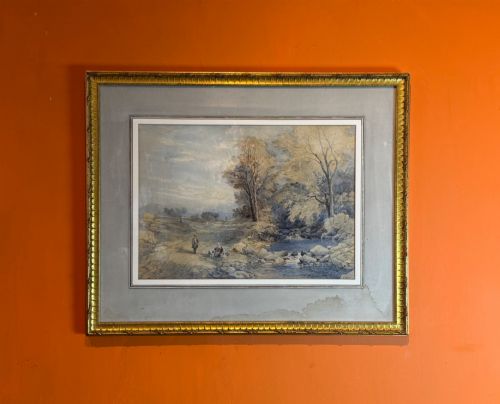
Vintage River Scene Artwork
Vintage river scene artwork captures historical waterways on canvas and paper, offering buyers atmospheric landscapes from British and European traditions.
Vintage River Scene Artwork
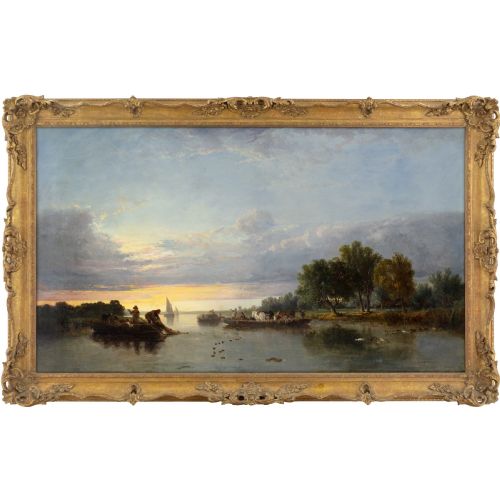
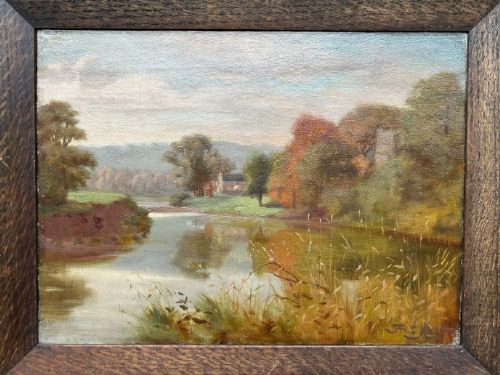
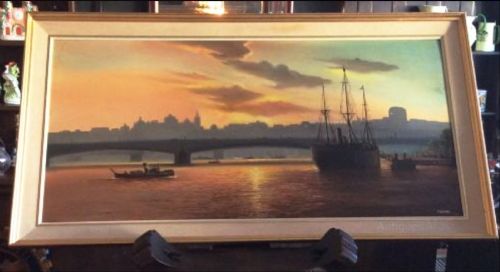
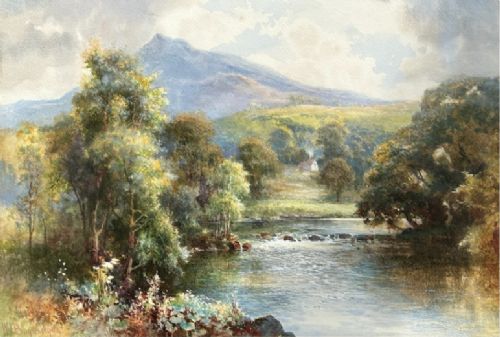
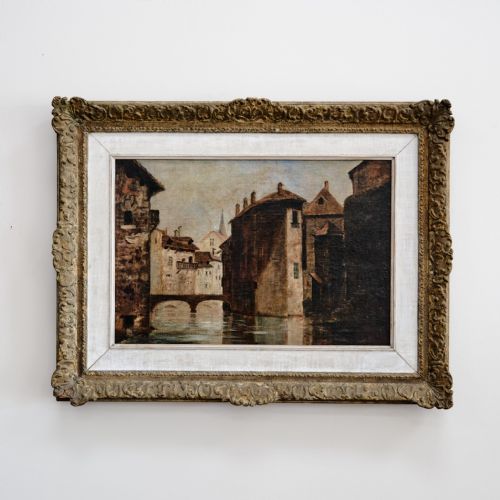
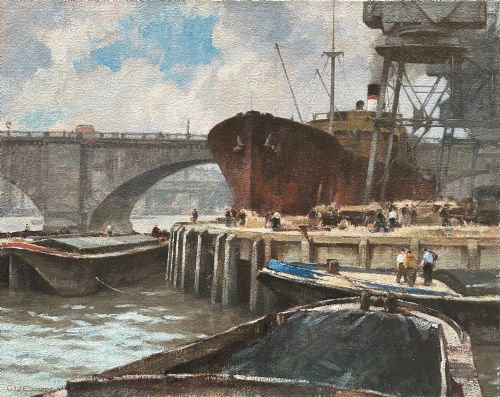
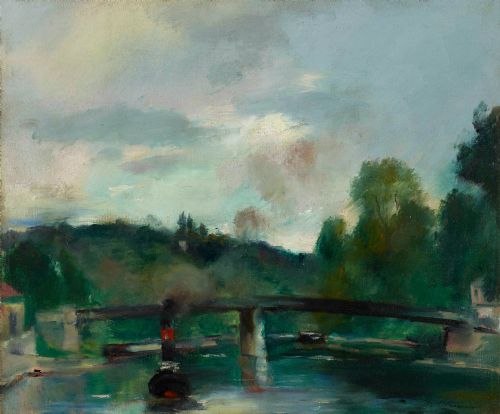
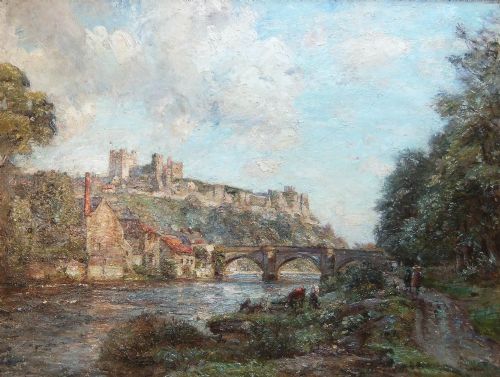
When searching for vintage river scene artwork, collectors encounter landscape paintings depicting waterways, bridges, barges and rural banks. The pieces originate from periods spanning the Victorian era through the mid-20th century.
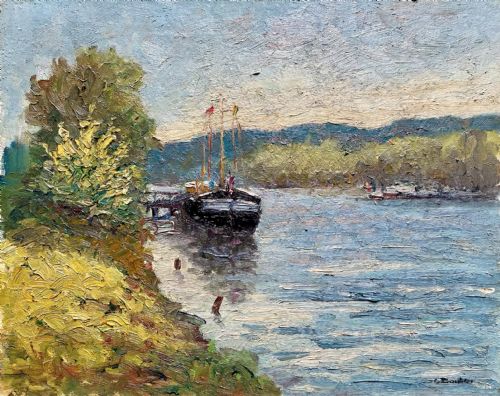
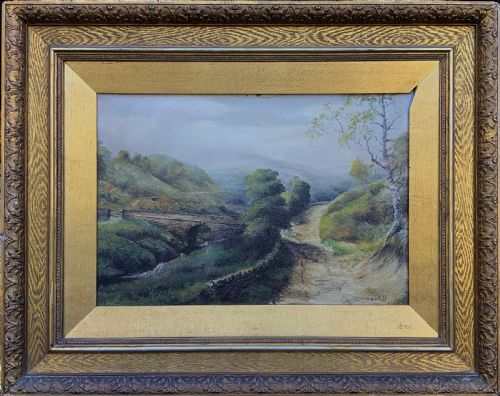
Works range from late 19th-century watercolours to mid-century impressionist oils. Buyers find panoramic London views, Welsh mountain streams and Dutch winter landscapes among the current listings.
Materials and methods in execution
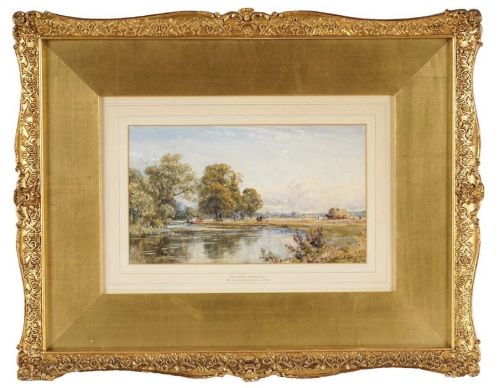
Artists painted these scenes using oil paint or watercolour applied to stretched canvas, wooden panels or heavy paper. Gilt frames often complete the presentation, complemented by gesso mouldings on period pieces.
Makers utilised brushwork ranging from tight academic detail in the Victorian style to looser impasto marks characteristic of mid-century impressionism. Support mediums vary from canvas and board to oil on panel.
Listings span from the 19th century through the 1960s, incorporating canvas, paper, wood, gesso and gilt materials.
Elements of distinction
The distinction between standard decorative landscapes and superior examples lies in the confidence of the brushwork and the handling of atmospheric light. Masterful tonal control over water reflections elevates an ordinary river view into a compelling visual record.
Provenance and signature clarity also influence standing, particularly when works connect to recognised regional schools or documented painters from the nineteenth and twentieth centuries.
Kenneth Cozens·Alfred Young Nutt·Frederick Marriott·William Joseph Boyes·Robert Thorne Waite·Cyril Walduck Edwards·Henri Ottmann·Herbert Royle·Florence Adelina Hess·David Cox·T Bergman·Hubert Wellington·Archibald Kay·Henri Jaques Delpy·Arthur Herbert Rigg·Ron Folland·Thomas Bush Hardy·J Phipps·David Watts·Edward Henry Eugene Fletcher·Frank Hider·Benjamin Williams Leader·William Pitt
The Vintage River Scene Artwork Glossary
- Gesso
- A plaster-like mixture applied to wood panels or frames as a base for painting or gilding. It provides a smooth, stable surface for the pigments.
- Watercolour
- A paint consisting of pigment suspended in a water-based solution, typically applied to paper. It allows for translucent washes that suit delicate river atmospheres.
- Panel
- A flat piece of wood used as a rigid support for oil painting instead of canvas. Artists frequently utilised panels for smaller landscape studies.
Vintage River Scene Artwork: Frequently Asked Questions
What subjects appear in vintage river scene artwork?
The works depict busy commercial waterways like the Thames and the Seine, alongside quieter rural rivers in Wales, Yorkshire and Holland. Barges, bridges, mills and winter ice scenes recur frequently across the periods.
Many paintings record specific geographical locations, offering topographical interest alongside atmospheric landscape qualities.
How do oil and watercolour pieces differ?
Oil paintings utilise viscous pigments on canvas or wood panels, allowing for rich texture, impasto and deep colour layering. Watercolours employ translucent washes on paper, yielding lighter and more delicate atmospheric effects.
Oils generally require protective framing without glass, whereas watercolours need glazing to safeguard the paper from moisture and dust.
How should I hang river artwork at home?
Display these pieces away from direct sunlight and excessive humidity to protect vulnerable canvas, paper and pigments. Matching the gilt or wood frame style to your interior enhances the historical character of the painting.
Ensure adequate wall space to let panoramic seascapes or vertical river valleys breathe without visual crowding.
How do I identify the period of a painting?
Examining the stretcher bars, backing materials, canvas texture and framing style offers initial clues to age. Stylistic markers such as Victorian realism versus mid-century impressionism also indicate the likely decade of creation.
Signatures, dates inscribed on the reverse, and artist biographies help narrow down the production era further.