


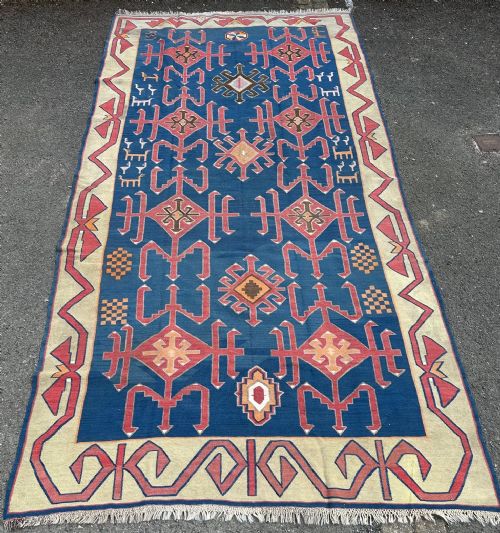


Vintage Red Flatweave
A vintage red flatweave brings texture and tribal history into a room through flat-faced textiles woven by nomadic and village makers across Persia, the Caucasus, Anatolia, and Central Asia.
Vintage Red Flatweave
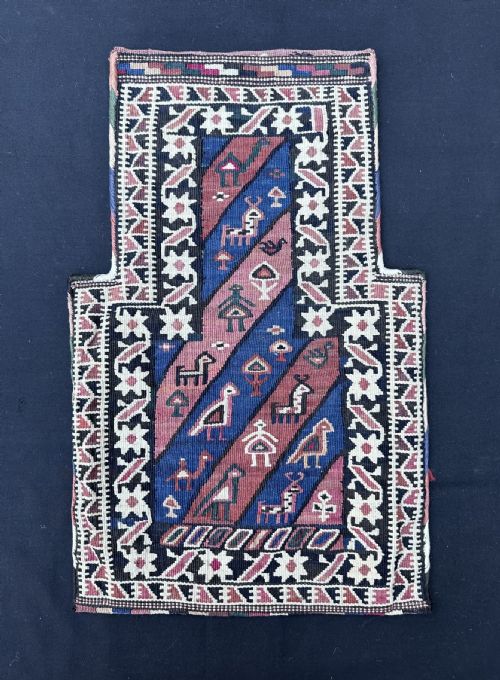
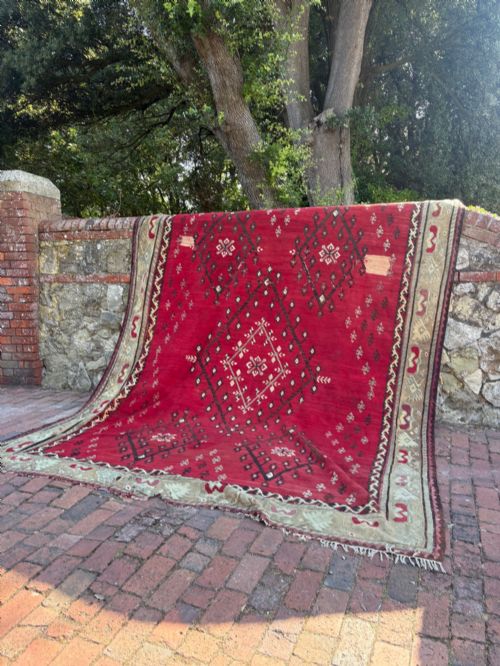
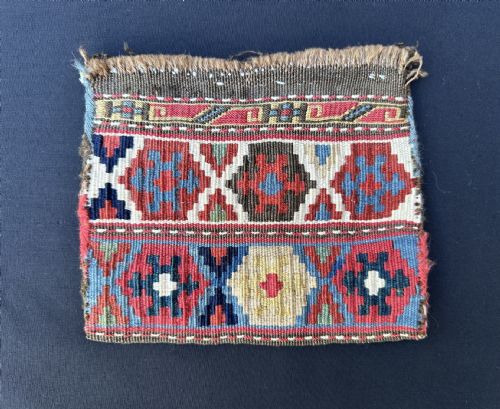
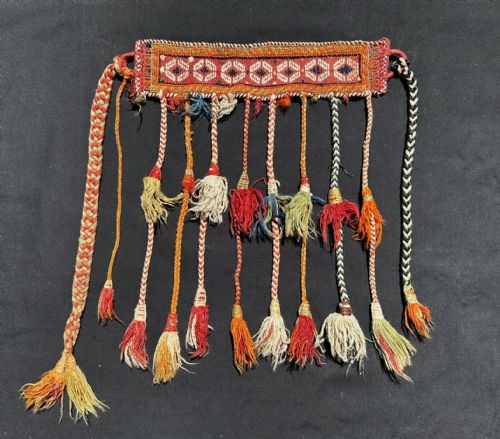
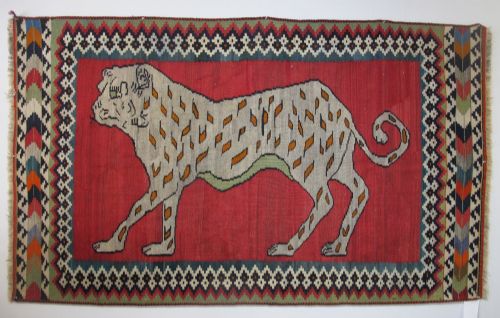
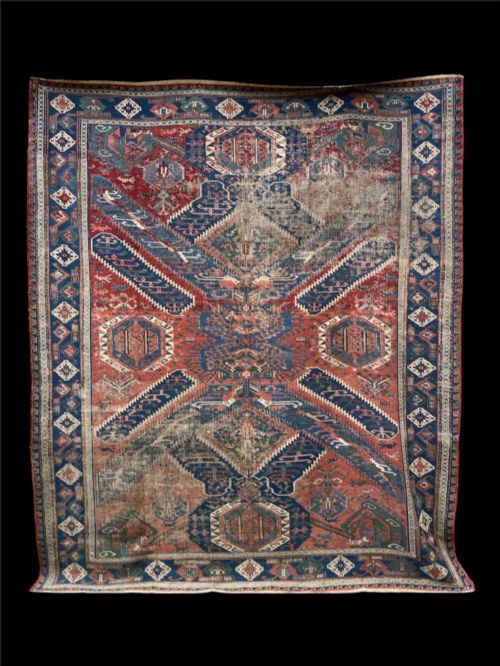
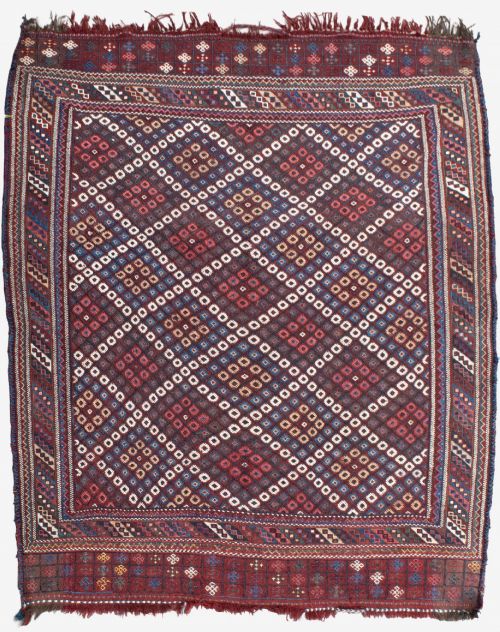
When searching for a vintage red flatweave, a buyer encounters unpiled nomadic and village textiles spanning the nineteenth and twentieth centuries. These pieces encompass utilitarian objects such as salt-bags, animal trappings, bread sofreh, grain bags, and floor rugs.
The selections on this page draw predominantly from tribal traditions in Persia, the Caucasus, and Central Asia. Common regional formats include kilim rugs, flat-weave runners, banded jajim, and structured sumak carpets.
Makers utilised these flat-faced textiles for domestic storage, floor coverings, and communal dining cloths. Each item displays the distinct geometric vocabulary of groups like the Qashqai, Shahsevan, Yomut, and Lori-Bakhtiari.
How they were made
Weavers constructed these flatweaves using hand-spun wool, cotton, silk, and occasional goat hair for structural durability. Artisans relied on natural dyes to yield varied tones of red, grounding the geometric fields.
Production techniques involved tightly interlacing warp and weft threads without a pile knot, producing a flat, reversible textile. Variations include slit-tapestry weaving for sharp colour boundaries and wrapped sumak work for raised surface detail.
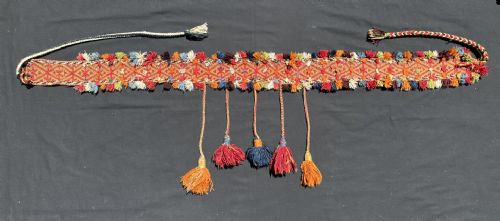
Object forms include animal trappings, storage bags, bread sofreh, and runners originating from Persian, Caucasian, and Central Asian traditions.
What varies in quality
Quality rests upon the fineness of the weave and the crispness of the tribal motifs. Tighter structural density and precise colour saturation elevate certain examples above simpler utility pieces.
The integrity of the natural dyes and the preservation of original edges and borders dictate distinction. Wear patterns and early repairs reflect active village or nomadic use rather than manufacturing flaws.
The Vintage Red Flatweave Glossary
- Kilim
- An unpiled flat-woven textile produced by tightly interweaving warp and weft strands. This technique creates a flat fabric without a knotted pile.
- Sofreh
- A spread or cloth utilised for communal dining, dough preparation, or food storage. These flatweaves often display narrow rectangular proportions and striped or geometric fields.
- Sumak
- A technique where supplementary weft threads wrap around the warps to create a textured, embroidered surface. This method provides greater structural weight than standard tapestry weaving.
- Jajim
- A tightly woven flat textile traditionally constructed in narrow strips and stitched together. They frequently display vibrant banded patterns utilising wool, cotton, or silk.
- Chuval
- A large face-bag employed by nomadic groups for household storage inside tents. They feature distinct tribal medallions and structural format.
- Mafrash
- A rectangular storage chest panel or container bag woven in flatweave or sumak technique. Nomadic households used these for bedding transport during migration.
Vintage Red Flatweave: Frequently Asked Questions
What is a flatweave?
A flatweave is a textile constructed without a raised pile surface, created by interlacing warp and weft threads directly on a ground loom. This produces a lightweight, reversible fabric historically utilised for floor coverings, wall hangings, and domestic transport bags.
Nomadic and village groups across Persia, Anatolia, and Central Asia favoured this method for its durability and ease of folding during migrations.
How were sofreh cloths used?
Sofreh cloths served as clean surfaces placed on the ground for kneading bread dough, sharing meals, or gathering family members. Their elongated formats accommodated sitting arrangements inside nomadic tents and village homes.
These textiles often feature minimalist geometric fields that distinguish them from standard floor rugs.
How do I care for a flatweave?
Care involves gentle vacuuming without a rotating brush roll and regular shaking to remove embedded dust. Professional textile cleaning suited for antique wool is recommended when necessary.
Placing a breathable underlay beneath the piece prevents slipping and reduces friction against hard flooring.
How do I identify tribal origins?
Tribal origins reveal themselves through specific structural formats, wool quality, and regional design motifs. Groups such as the Qashqai, Shahsevan, and Yomut employed distinct colour palettes and weaving techniques unique to their geographic territories.
Comparing border bands and structural construction helps separate Caucasian examples from Persian or Central Asian counterparts.