






Antique Balkan Tapestry
These antique balkan tapestry pieces are flat-woven wool kilims from the early twentieth century, bringing rich folk art patterns to modern floors.
Antique Balkan Tapestry
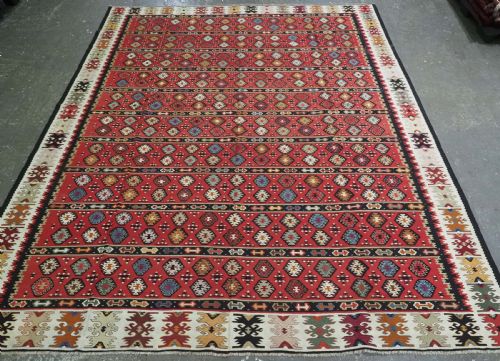
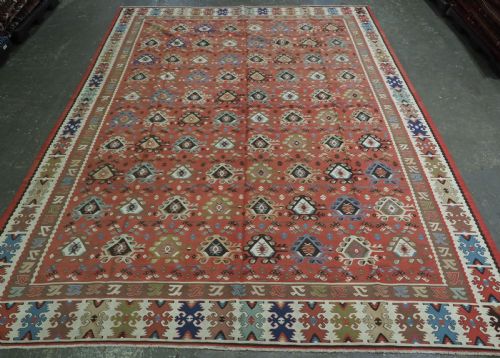
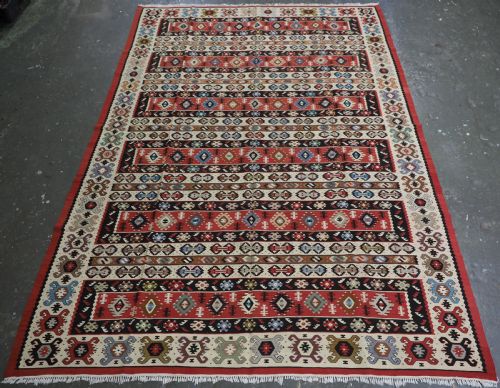
An antique balkan tapestry typically takes the form of a flat-woven kilim rug, often associated with Pirot or Sharkoy weaving traditions. These textiles showcase traditional Balkan tribal and folk art motifs, spanning classic designs, flowering trees, repeat medallions, and fine banded patterns.
The pieces available here date predominantly from circa 1920 to circa 1930. They function primarily as area rugs and floor coverings, carrying distinct regional artistry into domestic interiors.
Materials and construction
The entire construction relies on wool, worked into flat-woven kilim structures without a traditional pile. This technique creates a smooth, durable textile suitable for floor use.
Weavers employ distinct banded, repeat, and medallion designs executed in warm, soft colour palettes. The structure allows intricate geometric and floral motifs, such as flowering trees, to remain crisp on both sides.
These kilims carry the quiet footsteps of past decades right into your hallway.
Judging quality in flat-weaves
Quality rests in the precision of the flat-weave and the sophistication of the wool's dye work. Finer banded designs and scarcer pictorial elements demand greater skill from the weaver.
The handling of colour separates standard examples from exceptional ones. Warm, soft hues and balanced repeat medallions create a more visually harmonious surface.
The Antique Balkan Tapestry Glossary
- Kilim
- A flat-woven carpet or rug produced without a pile. These textiles are traditionally made with wool and used as floor coverings or wall hangings.
- Pirot
- A town renowned for its traditional woven rugs and kilims. Pieces originating from this centre display distinctive geometric and cultural motifs.
- Sharkoy
- A weaving style and regional attribution often linked to Balkan and Turkish flat-weaves. These kilims frequently feature banded or classic repeat designs.
- Banded design
- A pattern arrangement characterised by horizontal bands of colour or ornament. This layout orders the geometric and floral elements across the rug.
Antique Balkan Tapestry: Frequently Asked Questions
What is an antique balkan tapestry?
An antique balkan tapestry is a flat-woven wool kilim originating from the Balkan region, typically dating to the early twentieth century. These textiles incorporate traditional folk art and tribal motifs.
They serve primarily as decorative area rugs, bringing historical regional patterns into contemporary living spaces.
How do I care for a wool kilim?
Wool flat-weaves require gentle maintenance, such as regular light vacuuming without a rotating brush. Professional cleaning is recommended for deep maintenance to protect the natural fibres.
Keeping the textile out of direct, harsh sunlight helps preserve the soft colours of the wool over time.
Where were these kilims made?
These kilims originate from the Balkan region, with specific associations to weaving centres like Pirot and Sharkoy. The designs reflect local folk traditions and tribal aesthetics.
Production methods have been passed down through generations, maintaining specific regional patterns on wool.
What designs appear on these rugs?
The patterns include classic arrangements, flowering trees, fine banded layouts, and repeat medallions. Each design utilises traditional folk art motifs executed in wool.
Scarce designs and warm, soft colour combinations provide visual variety across different pieces from the era.