




Vintage Red Flatweave Rug
Vintage red flatweave rug describes these woven textiles that bring rich historical colour and geometric pattern into contemporary interiors.
Vintage Red Flatweave Rug
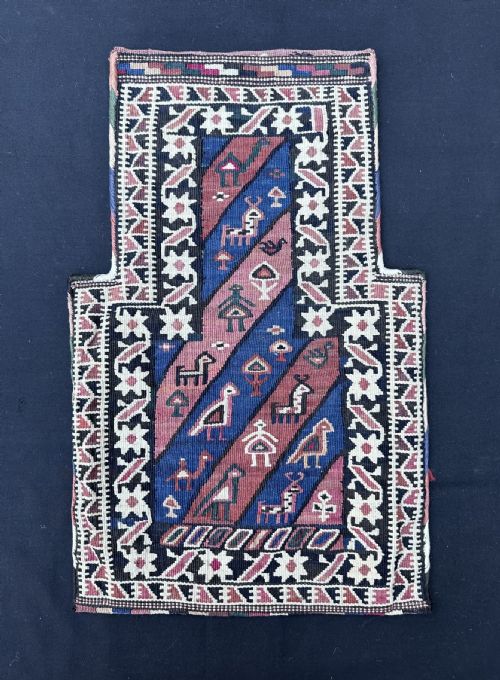
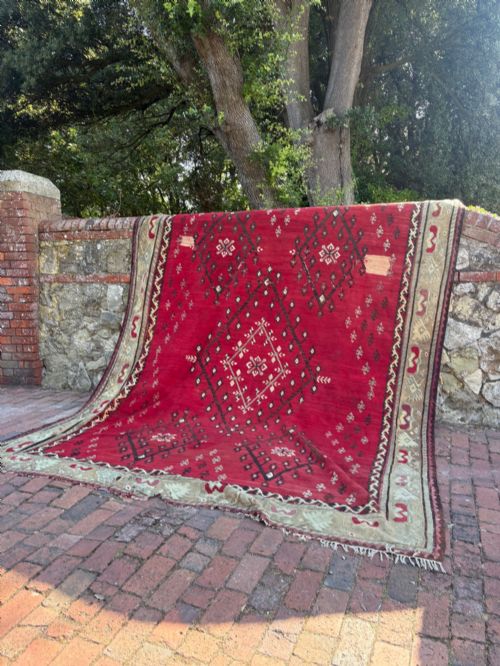
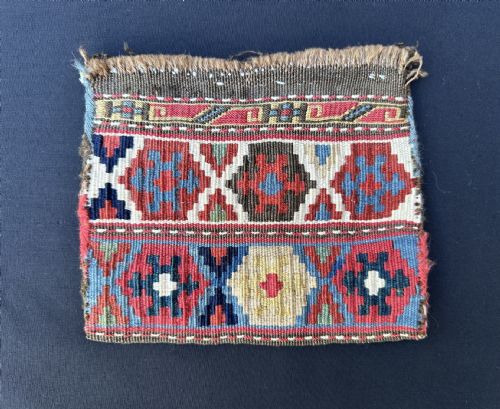
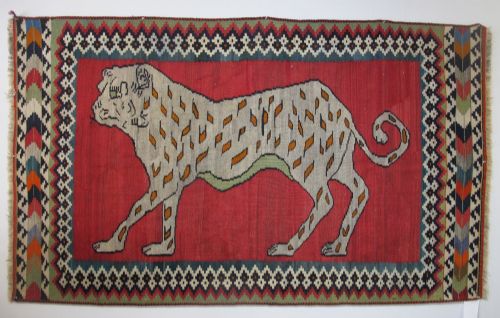
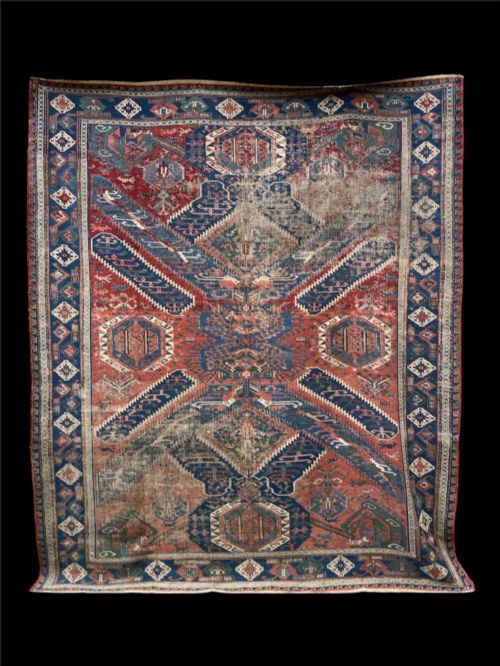
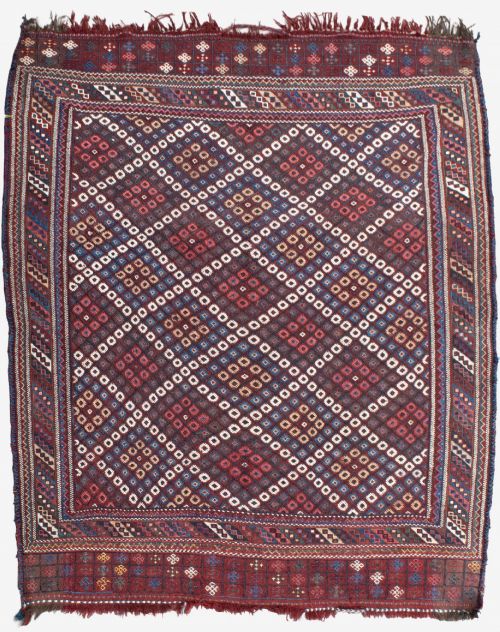
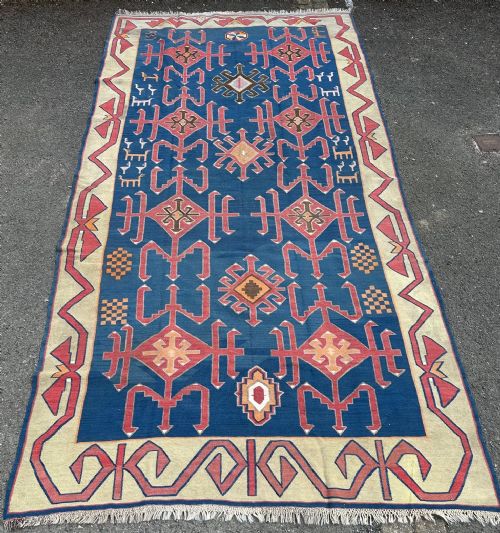
A vintage red flatweave rug encompasses tribal and village textiles from Persia, the Caucasus, Anatolia, Central Asia, and Eastern Europe spanning the nineteenth and twentieth centuries. Buyers frequently encounter regional kilims, sofres, salt-bags, and runner rugs woven by nomadic and village makers.
These pieces function primarily as floor coverings, wall hangings, and decorative cushions created for domestic use by groups such as the Qashqai, Shahsevan, Yomut, and Uzbek. The selection on this page demonstrates the diverse utilitarian roots of flatweave textiles across multiple geographic regions.
How They Were Made
The construction relies heavily on wool, hand-spun wool, cotton, silk, and goat hair, manipulated through traditional slit-taproot and tapestry weaving techniques without a knotted pile. Makers utilised natural dyes to achieve rich red tones, working within specific regional traditions that dictated the motifs and structural formats.
Many larger carpets and panels were constructed by weaving narrower strips together, as seen in examples from Uzbek and Caucasian workshops. Wood and organic materials occasionally appear in supporting elements, while natural dye variations create subtle shifts across the surface of each textile.
Listings span periods from the 1850s through the 1940s, featuring wool, cotton, silk, and natural dyes across tribal and village forms.
What Varies in Quality
Quality depends upon the tightness of the weave, the precision of the geometric or pictorial design, and the stability of the foundational structure. Finer examples display meticulous control over the flatweave technique, resulting in crisp pattern transitions and balanced proportions.
The depth and complexity of the natural dye palette also distinguish finer pieces, where varied red hues retain their vibrancy and nuance over time. Structural integrity and the survival of original borders further elevate the standing of a textile within its regional group.
The Vintage Red Flatweave Rug Glossary
- Flatweave
- A textile constructed without a pile by interlacing warp and weft threads directly. This technique produces a smooth, durable fabric utilised for rugs, covers, and utilitarian bags.
- Sofre
- A spread or cloth traditionally used for serving meals or processing bread dough within nomadic households. These rectangular textiles often feature striking geometric field designs.
- Sumak
- A wrapping technique that creates a brocade-like surface structure on the face of the textile while leaving floating threads on the reverse. This method adds weight and durability to Caucasian and tribal rugs.
- Natural Dyes
- Colourants derived from plants, insects, and minerals before the introduction of synthetic alternatives. These dyes age with distinct patination and depth.
- Kilim
- An untufted pileless textile produced across Anatolia, Persia, and Central Asia. Kilims serve multiple domestic functions, from floor coverings to wall hangings and storage covers.
Vintage Red Flatweave Rug: Frequently Asked Questions
Where were vintage flatweave rugs made?
These textiles originate across a broad geographic expanse encompassing Persia, the Caucasus, Anatolia, Central Asia, and Eastern Europe. Different nomadic tribes and village communities developed distinct weaving dialects.
Specific regions such as Shirvan, Daghestan, and the Chahar Mahal produced recognisable stylistic variations influenced by local materials and cultural traditions.
How do you use a flatweave rug in a modern home?
Flatweaves suit high-traffic areas like hallways, kitchens, and living rooms due to their low profile and durable construction without a pile. They layer effectively over larger carpets or function as wall art.
Smaller formats such as sofres and bags adapt well as table runners, bench covers, or decorative cushion accents within contemporary interiors.
What is the difference between a kilim and a sumak?
A kilim is woven using a flat tapestry technique that creates a smooth surface on both sides through interlocking or slit-weave methods. These pieces are lightweight and reversible.
Sumak incorporates extra weft wrapping around the warp threads, producing a textured, ribbed face with floating threads on the reverse and increased structural weight.
How are nineteenth and twentieth century flatweaves dated?
Dating relies on stylistic analysis, material composition, and structural characteristics associated with specific nomadic groups and periods. The presence of hand-spun wool and early natural dye palettes typically points to earlier production.
Structural nuances and regional weaving structures help experts place pieces within nineteenth or early twentieth century timeframes.