
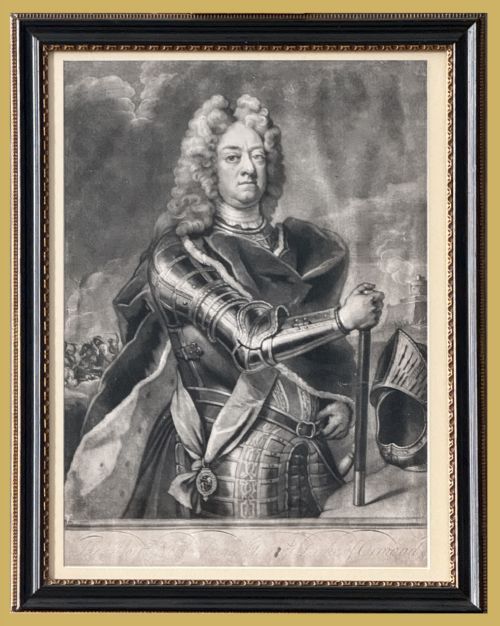
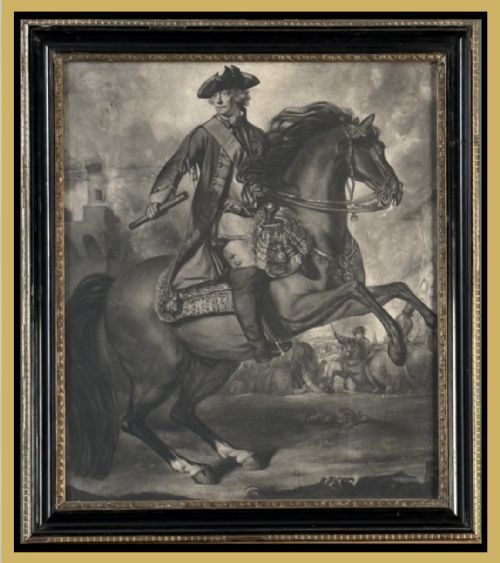
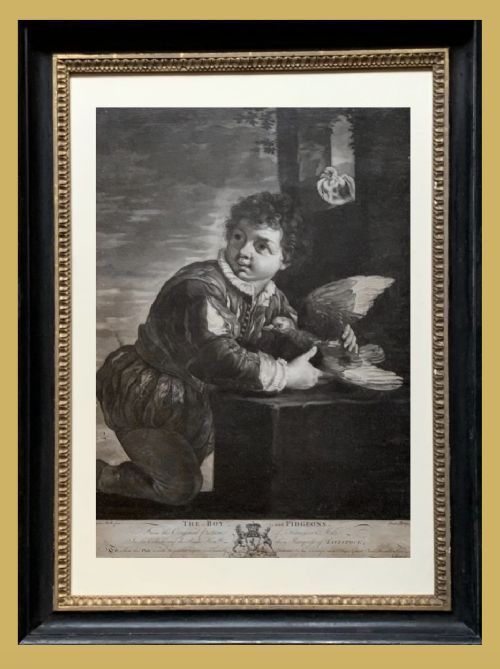
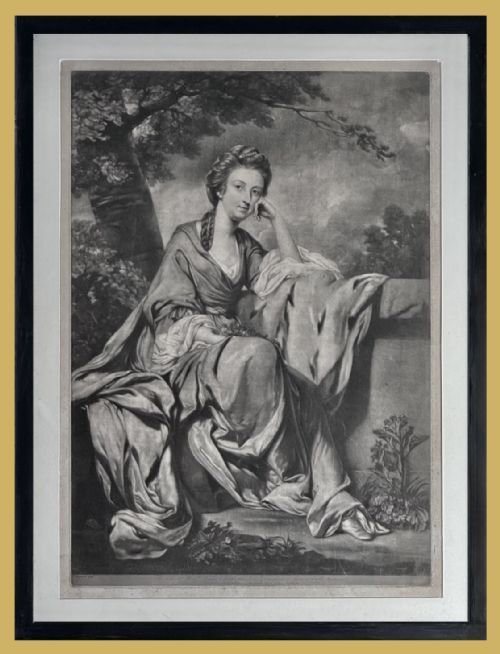

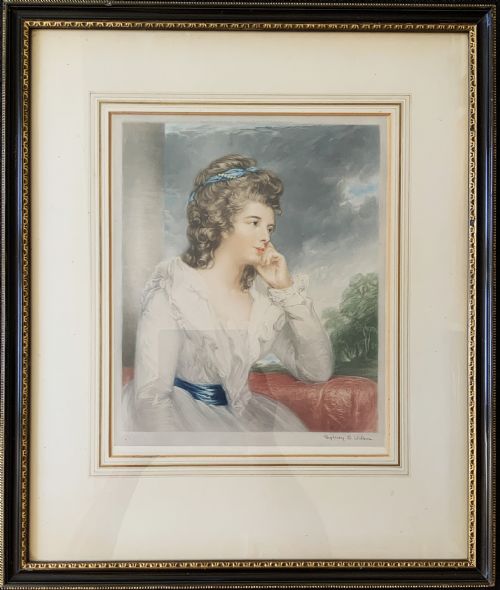
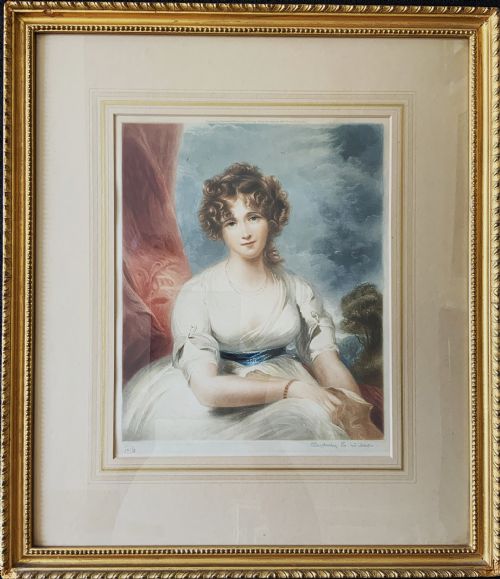

Vintage Portrait Mezzotints
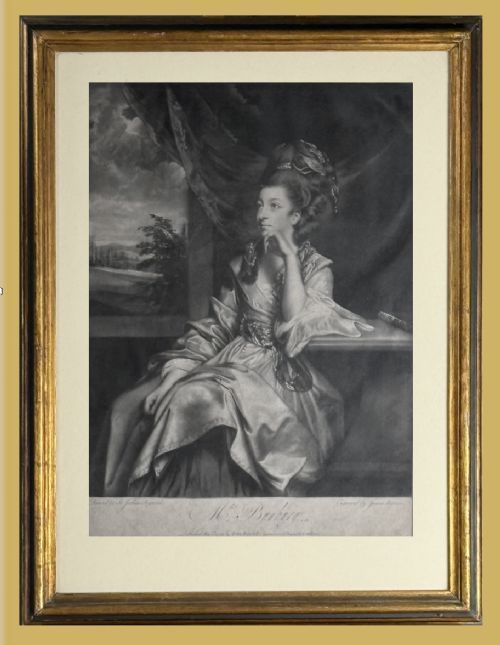
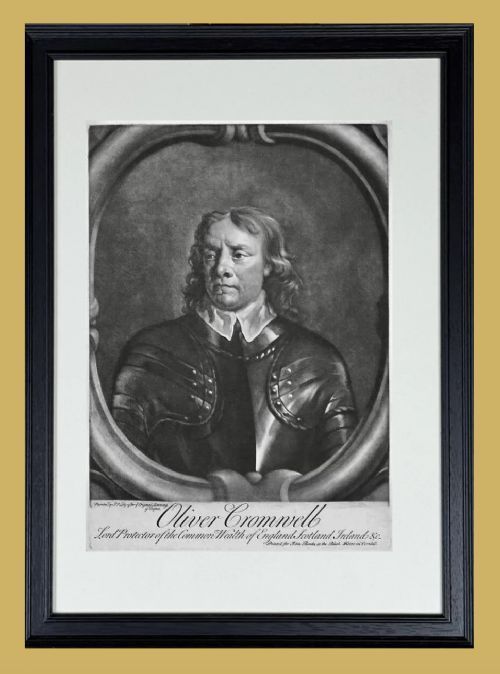
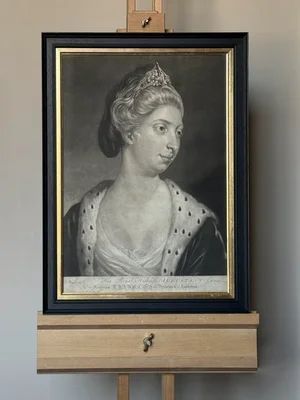
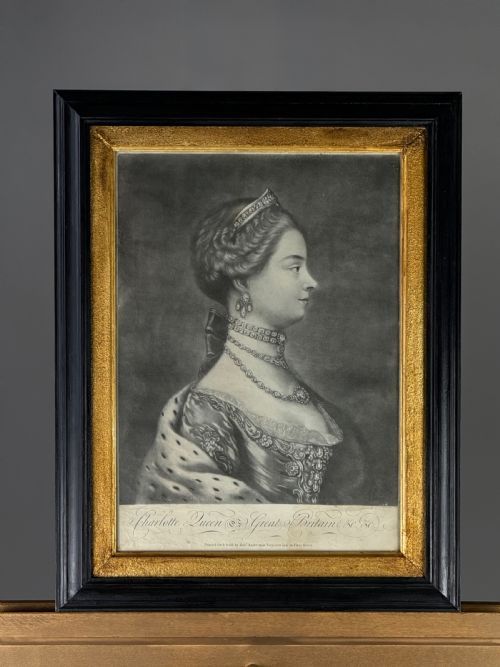
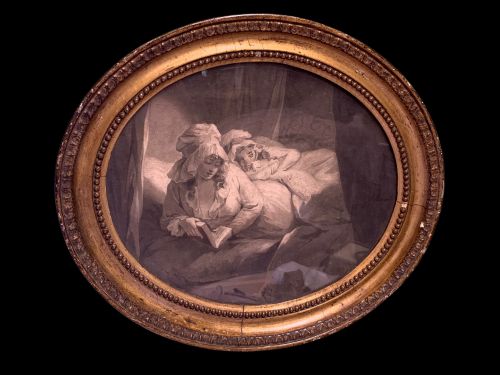
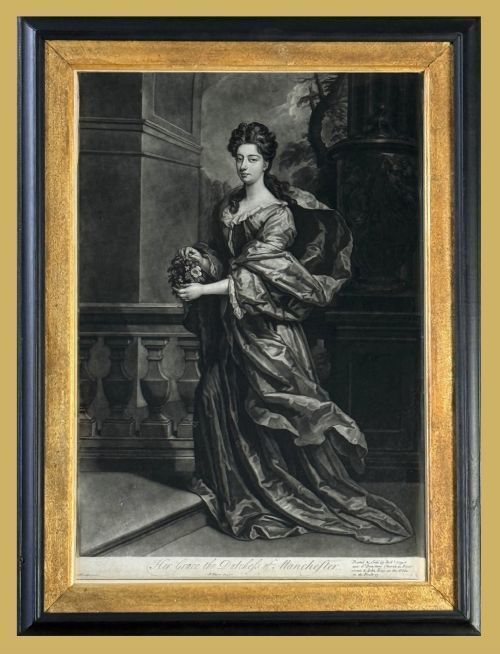
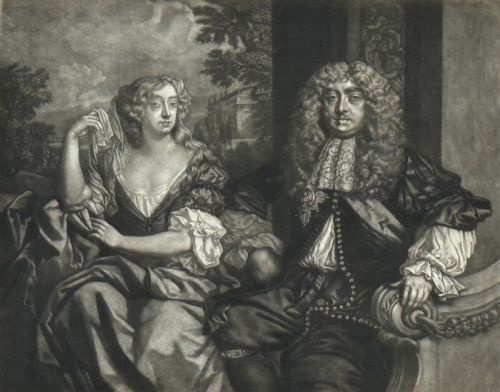
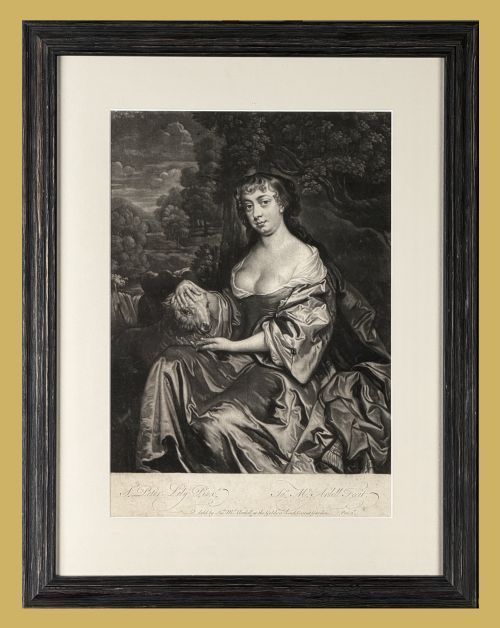
These vintage portrait mezzotints capture notable historical figures and ladies in rich ink on paper, housed within period frames of wood and gilt.
Vintage Portrait Mezzotints
When you search for vintage portrait mezzotints, you encounter framed works depicting nobility, military officers, and society figures from past centuries. The selection spans the seventeenth, eighteenth, and nineteenth centuries, alongside later revivals from the Edwardian era.
Most examples you meet here are eighteenth-century British prints after prominent painters such as Sir Joshua Reynolds and Sir Peter Lely. These prints preserve the likenesses of dukes, duchesses, and commanders through tonal ink work on paper.
Framed art and wall prints dominate the selection, often retained in original wooden or giltwood surrounds. You also find sets depicting seasonal allegories or domestic employment alongside individual aristocratic likenesses.
Materials and Technique
The process relies on a copper plate roughened uniformly with a rocker to hold ink across deep and shallow pits. This technique produces velvety dark backgrounds and subtle tonal gradients rather than simple line work.
Makers printed these images onto fine paper using rich dark inks, sometimes applying hand-colouring or housing the result behind protective glass. Finished prints were secured in wood, gilt, or giltwood frames, including Hogarth profiles.
Materials recur across paper, ink, glass, gold leaf, and giltwood, housed within wall art formats ranging from single portraits to seasonal sets.
Judging Quality and State
Quality rests in the crispness of the impression and the depth of the tonal range left by the scraped copper plate. Early impressions show rich velvety blacks and sharp facial details, whereas worn plates yield greyer, flatter results.
The integrity of the original frame also shapes the piece, particularly where period wood and gold leaf remain undisturbed. Signed artist proofs from later revivals offer distinct collector interest through documented hand signatures.
John Simon·Edward Fisher·John Boydell·John Smith·James Watson·John Bowles·James McArdell·John Faber Jr·Robert Williams·Sydney Wilson
The Vintage Portrait Mezzotints Glossary
- Mezzotint
- A printmaking process where the copper plate is roughened entirely to produce dark tones, then scraped and burnished to create highlights. This method allows for subtle gradations of light and shadow without relying on etched lines.
- Artist Proof
- A trial or early impression pulled before the main edition is printed, often bearing the signature of the printmaker in pencil. These carry high regard among collectors for their proximity to the creator's hand.
- Giltwood
- Wood carved and coated with gold leaf or gold paint, commonly used for eighteenth and nineteenth-century picture frames. It provides a warm reflective border around dark ink portraits.
- Hogarth Frame
- A distinctive moulded wooden picture frame with a convex profile, popular during the Georgian and Regency periods. They complement classical portraiture with their understated dark finish.
- Reverse Glass Print
- An image transferred and painted directly onto the back side of a glass panel to be viewed from the front. This technique gives the surface a glossy, luminous sheen.
Vintage Portrait Mezzotints: Frequently Asked Questions
What is a mezzotint portrait?
A mezzotint portrait is an intaglio print created by roughening a copper plate to achieve rich, velvety dark tones and smooth tonal transitions. Master engravers scraped the plate to create highlights, producing lifelike depictions of historical sitters.
These prints were widely collected and framed for display in stately homes and parlours. They remain prized for their atmospheric depth compared to standard line engravings.
How should I hang these framed prints?
Keep these works away from direct sunlight to protect the ink and paper from fading over time. Stable indoor humidity also prevents the antique wooden and gilt frames from drying out.
Use sturdy wall fixings suited to the weight of period timber and glass frames. Grouping smaller prints together can create a balanced display reminiscent of period drawing rooms.
How do I spot a later copy?
Examine the ink distribution and paper texture under magnification to check for the plate marks typical of authentic period printing. Modern photographic reproductions lack the physical indentation and rich ink layer left by a copper plate.
Check the framing materials and backboards for signs of age that match the stated period. Edwardian revivals and later artist proofs usually bear specific signatures or paper watermarks distinct from eighteenth-century originals.
Who are the people shown?
The sitters include British nobility, military commanders, monarchs, and notable literary or society figures of the seventeenth and eighteenth centuries. Portraits feature historical commanders, duchesses, and earls painted by leading artists of their day.
Engravers reproduced these oil paintings so the public could own likenesses of famous statesmen and royalty. Identifying the sitter often connects the piece directly to notable historical events and dynasties.