

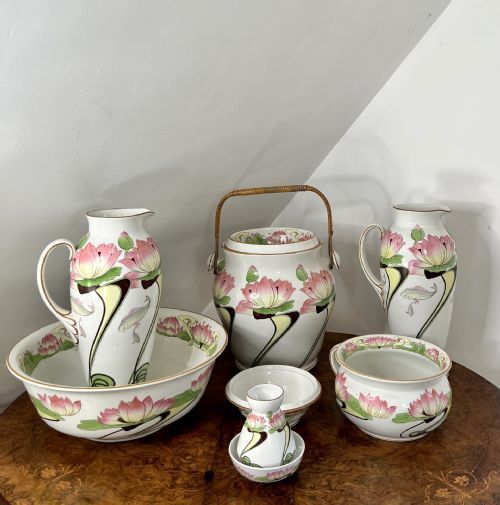


Vintage Porcelain Water Pitcher
These vintage porcelain water pitchers bring functional ceramic beauty to any room, offering classic form alongside lasting decorative appeal.
Vintage Porcelain Water Pitcher
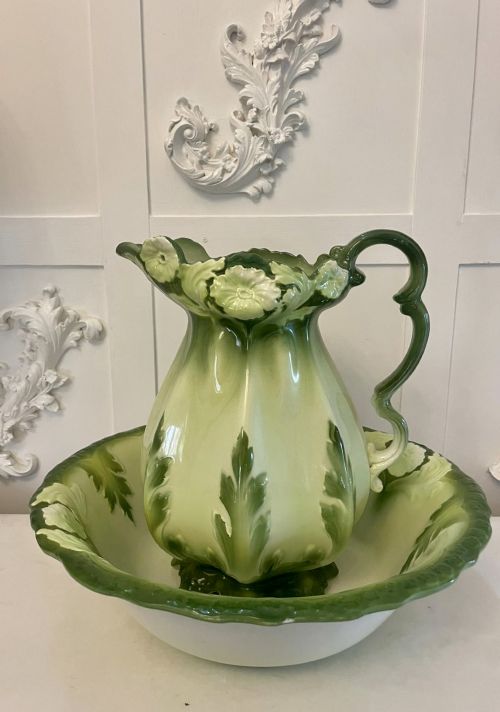
A vintage porcelain water pitcher brings together practical vessel forms and period decorative arts, often appearing as part of larger wash sets or as standalone ewers. When you search for a vintage porcelain water pitcher, you encounter pieces originating from the Georgian era through to the early twentieth century.
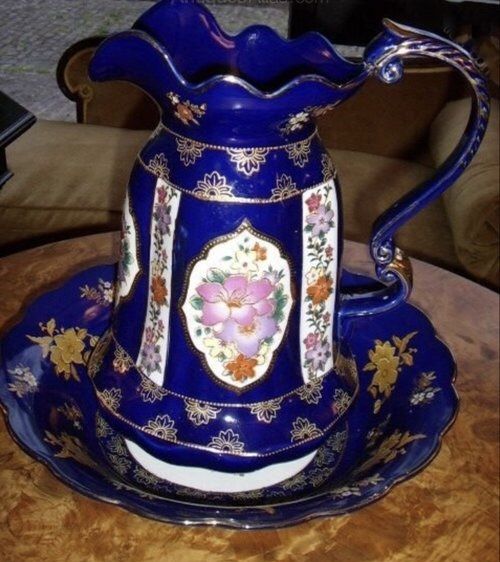
The selections span several distinct stylistic periods, including Victorian, Edwardian, and Regency designs. Many examples function as part of a jug and bowl set, whilst others stand alone as decorative ewers or coffee pots.
Makers represented in these categories include established potteries such as Royal Worcester, Mason's, Chamberlain Worcester, Caughley Coalport, and Crown Derby. These items showcase the domestic utility and artistic ambitions of past centuries.
Materials and construction
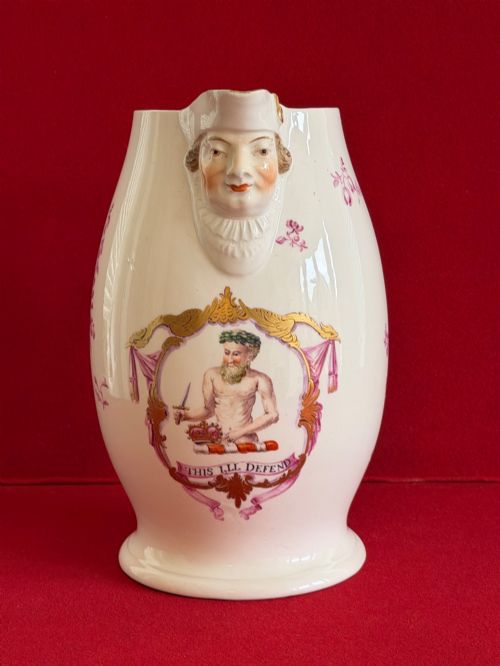
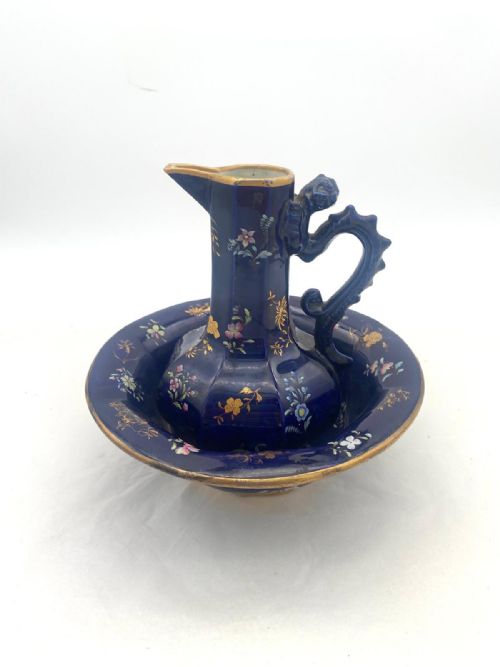
Potters utilised porcelain, ironstone, and earthenware as primary bodies, shaping them into ribbed profiles, mask head jugs, and octagonal forms. These ceramic bases provided the sturdy structure required for daily domestic use.
Surface decoration frequently involves cobalt blue glaze, handpainted birds and insects, flower designs, and armorial crests. Artisans applied gold leaf, gilding, and enamel work to elevate the visual finish of the vessels.
Vintage Porcelain Water Pitcher Retail Price Guide 2026
Typical asking prices for vintage porcelain water pitcher among the pieces listed under this phrase on Sellingantiques today, from the lower quarter to the upper quarter. They describe what is for sale here now, not the wider market.
Listings feature periods spanning from Georgian times through the nineteenth century and into the Edwardian era.
Assessing quality and craftsmanship
The distinction between standard utility items and finer pieces lies in the crispness of the moulding and the execution of handpainted details. Superior examples exhibit precise brushwork on floral motifs, birds, and insects, alongside well-preserved gilding.
The complexity of the form also dictates quality, with transitional styles, mask head details, and armorial crests demanding greater skill from the potter. Complete sets maintaining their original matching bowls demonstrate higher desirability than isolated components.
Chamberlain Worcester·Caughley Coalport·Royal Worcester·Crown Derby
The Vintage Porcelain Water Pitcher Glossary
- Ewer
- A large jug with a wide spout and handled shape, historically used for carrying water for washing.
- Ironstone
- A heavy, durable type of earthenware patented in the nineteenth century to imitate porcelain.
- Armorial
- Decorated with a heraldic coat of arms or family crest, usually commissioned by specific families.
- Mask head
- A decorative moulded human or animal face incorporated beneath the spout of a jug.
- Gilding
- The application of gold leaf or gold powder to the ceramic surface for decorative accent.
Vintage Porcelain Water Pitcher: Frequently Asked Questions
Were these pitchers used daily?
These vessels originally served practical functions in bedrooms and washstands before indoor plumbing became common. They held water for washing hands and faces.
Over time, their role shifted from utilitarian objects to decorative display pieces in modern interiors.
Are jug and bowl sets complete?
Many pitchers survive alongside their original matching basins, forming complete washstand sets. Surviving sets retain their coordinated aesthetic.
Individual pitchers often become separated from their basins through breakage or changing display preferences over the decades.
How should I display my pitcher?
These pieces suit placement on sideboards, open shelving, or dedicated washstands where their painted designs remain visible. Stable surfaces protect them from accidental knocks.
Keeping them away from direct sunlight preserves the vibrancy of handpainted enamel and gold leaf details.