

Vintage Porcelain Statue
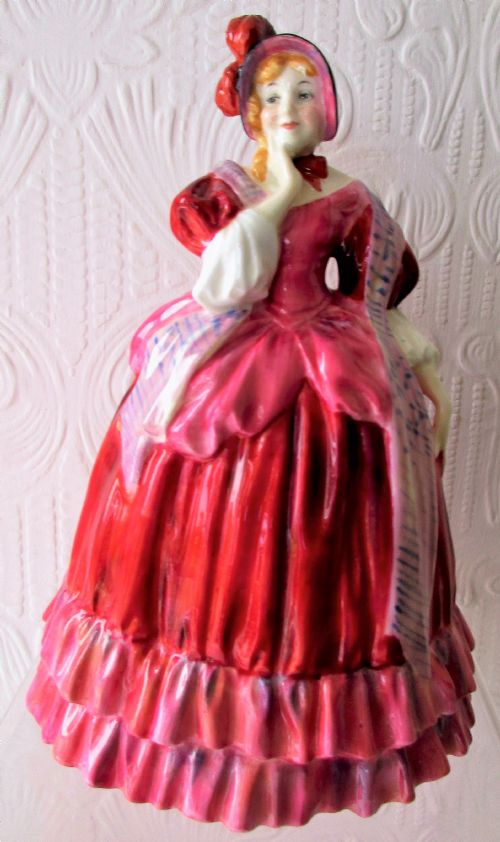
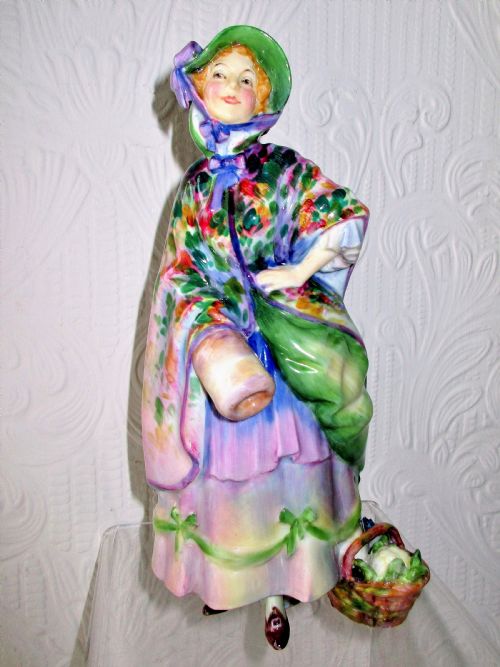
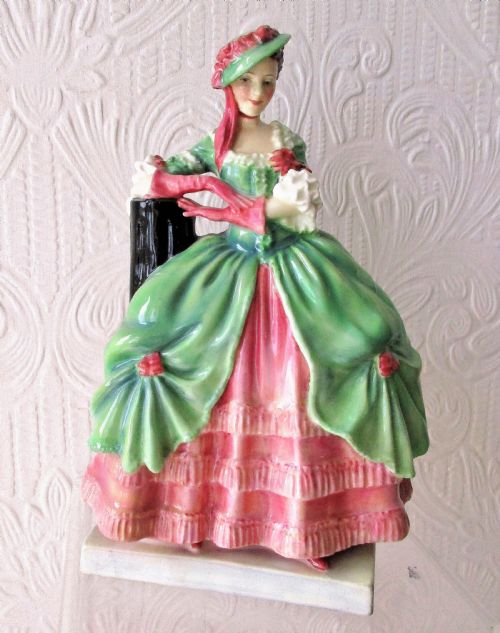
These vintage porcelain statue pieces bring sculptural charm to a room, ranging from playful animal models to detailed human figures.
Vintage Porcelain Statue
A vintage porcelain statue search encompasses a broad variety of sculpted ceramic objects, from decorative figurines and animal models to large figures produced across Europe and Asia. Buyers encounter works originating from periods spanning the nineteenth century through the mid-twentieth century, reflecting diverse historical tastes.
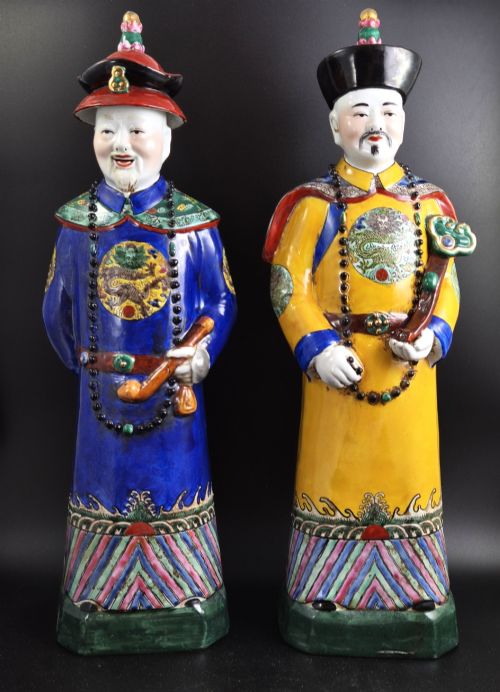
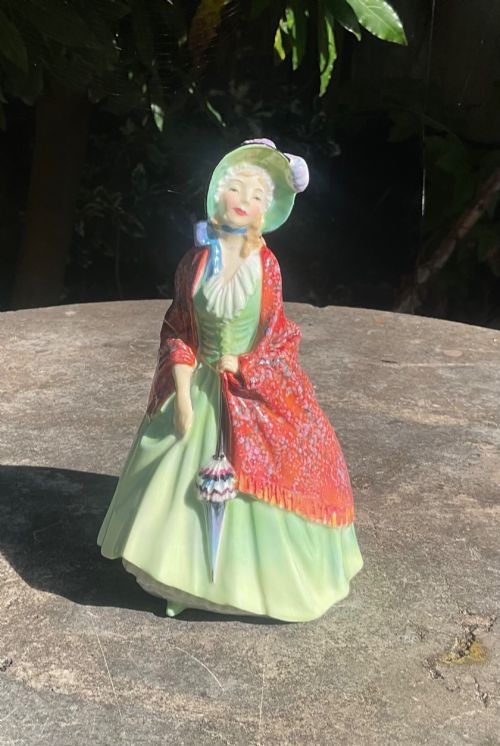
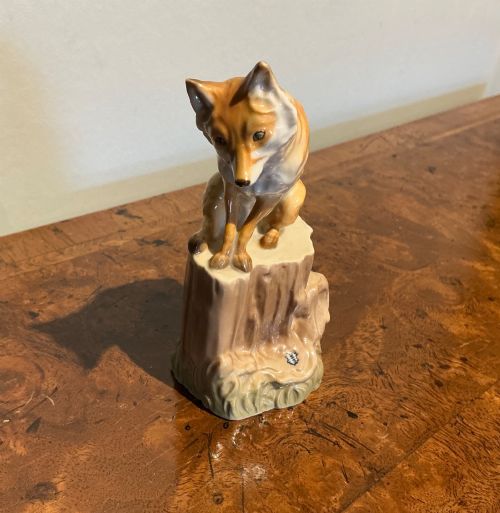
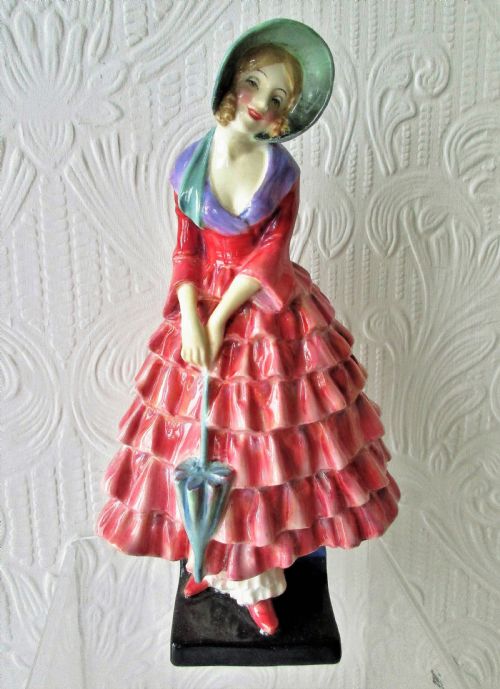
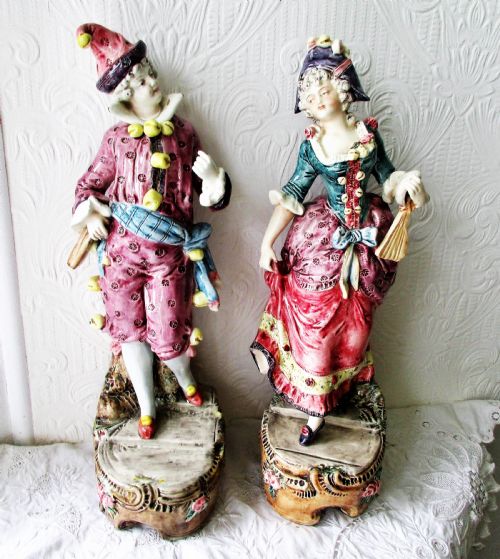
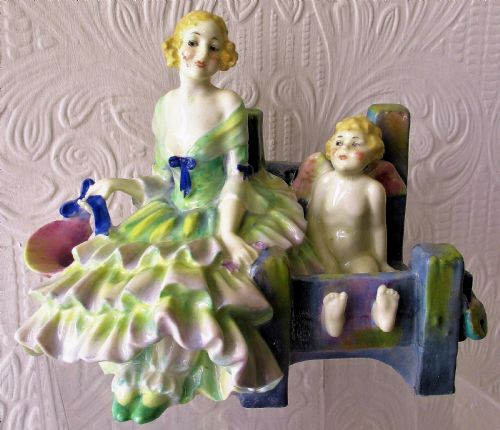
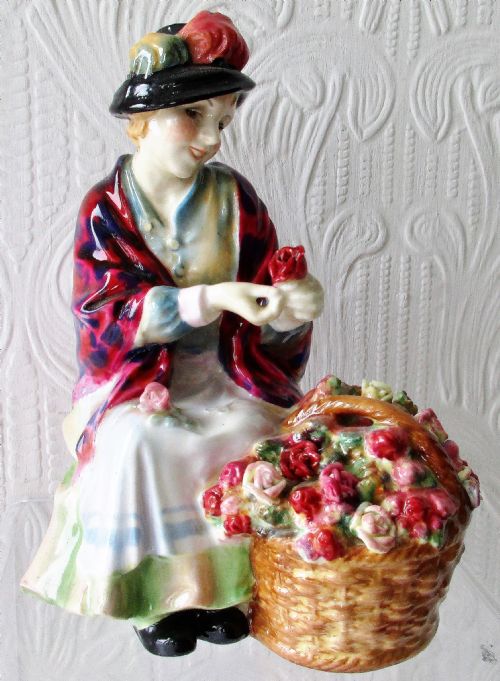
The selections on this page most commonly feature English bone china ladies, European animal studies, and continental figures shaped during the Art Deco and Edwardian eras. Makers from Germany, England, and Bohemia dominate the output, alongside Japanese Kutani and Chinese imperial examples.
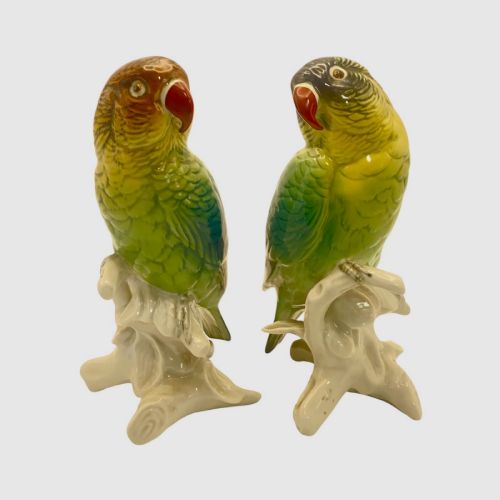
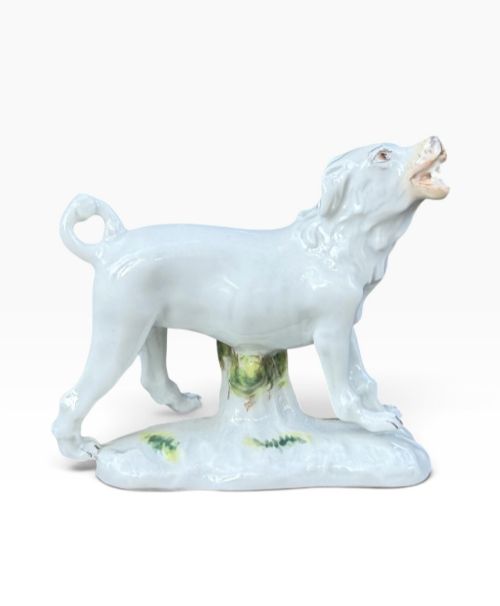
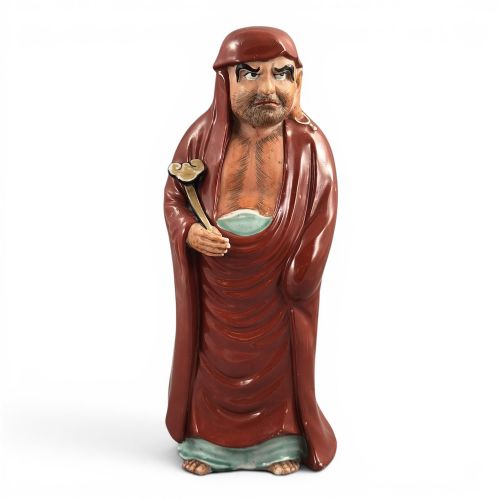
Forms vary from single portrait pieces and pairs of parrots or greyhounds to monumental maiden sculptures and mythological deities like Kannon. Each object serves primarily as a decorative display piece rather than a utilitarian vessel.
Materials and construction
Makers shaped these sculptures using hard-paste or soft-paste porcelain, bone china, ceramic, and earthenware, often applying glazes and enamel paint by hand before a final kiln firing. Gold leaf accents occasionally highlight intricate details on robes or bases.
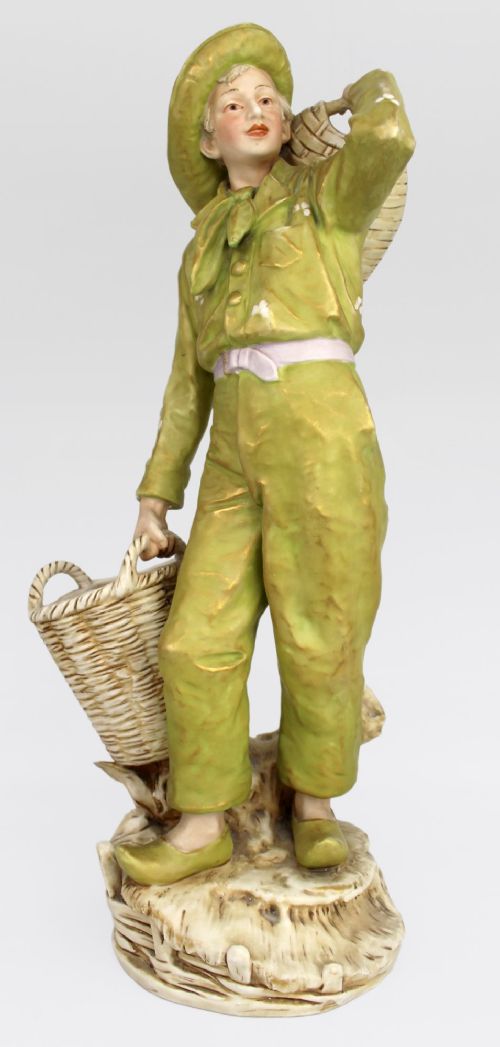
Artisans built larger forms, such as Emperor figures or harvesters, in sections and joined them prior to glazing, while smaller animal models utilised moulds designed by factory sculptors.
Listings feature porcelain, earthenware, and bone china pieces spanning the Victorian period through the 1940s.
Aspects of craftsmanship
The complexity of the original design, the presence of distinct factory marks, and the subtlety of the glaze application separate standard decorative items from significant sculptural examples.
Royal Doulton·Karl Ens·Nymphenburg·Meissen·Royal Dux Bohemia·Volkstedt Rudolstadt Factory·Royal Worcester·Rosenthal·C G Schierholz
The Vintage Porcelain Statue Glossary
- Bone china
- A type of porcelain incorporating bone ash, known for its high strength and milky white appearance. It became a staple of English potteries.
- Hard-paste porcelain
- A durable ceramic composition fired at very high temperatures, frequently utilised by continental European factories such as Meissen.
- Enamel
- Vitreous coloured glass applied over a glazed surface and fired again to fix the design. It provides vibrant tones on porcelain figures.
- Okimono
- A Japanese term for a decorative object or carving meant for display on a shelf or in a room alcove.
- Parian
- A type of biscuit porcelain resembling white marble, developed in the nineteenth century for sculptural figures and busts.
Vintage Porcelain Statue: Frequently Asked Questions
How do I identify the age of a figure?
Examine the base for stamped factory marks, model numbers, or handwritten signatures that correlate with historical production periods.
Style characteristics such as Edwardian dress or Art Deco geometric lines also help narrow down the decade of manufacture.
Where were most of these figures made?
Production centres were concentrated in European countries including Germany, England, France, and Bohemia, alongside historical kilns in Japan and China.
Each region developed distinct clay recipes and painting styles that define their output.
How should I clean porcelain sculptures?
Dust the surface gently with a soft, dry brush to remove everyday particles without disturbing delicate painted details.
Avoid harsh chemical cleaners or soaking pieces in water, particularly if they feature hand-applied enamel or gold leaf.
What subjects are most common?
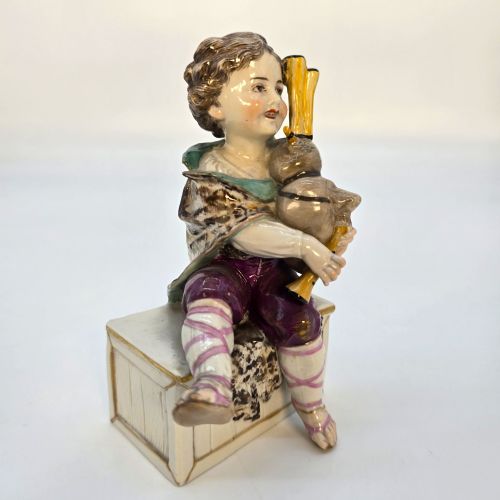
Human subjects range from literary characters and elegant ladies to harvesters, musicians, and historical figures.
Animal models, particularly dogs, greyhounds, and birds like parrots, appear frequently across various European factories.